
LED Bulbs
This selection is also available in our French store: Ampoules LED






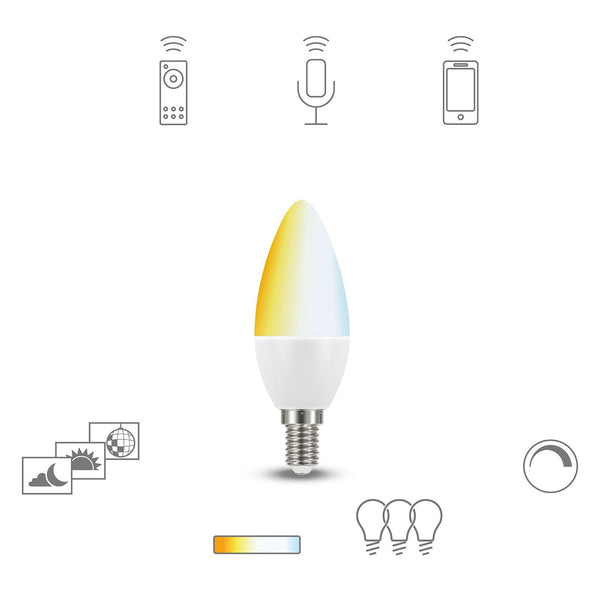

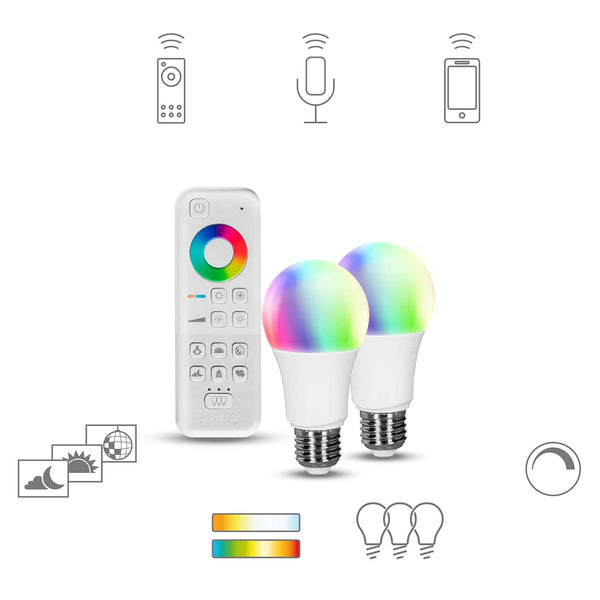

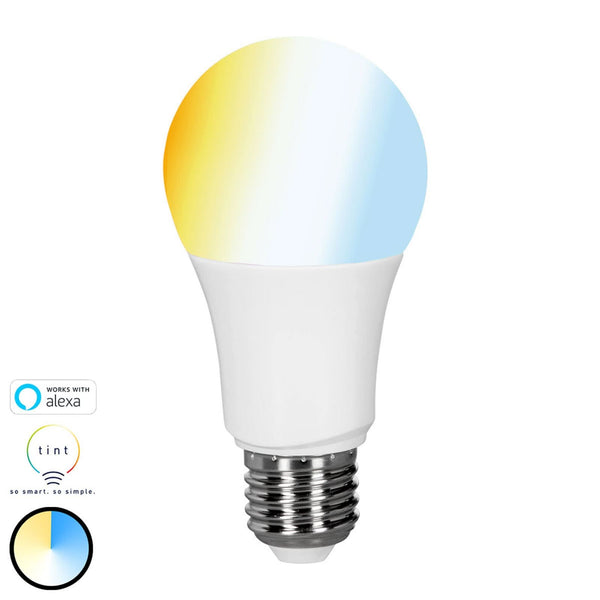






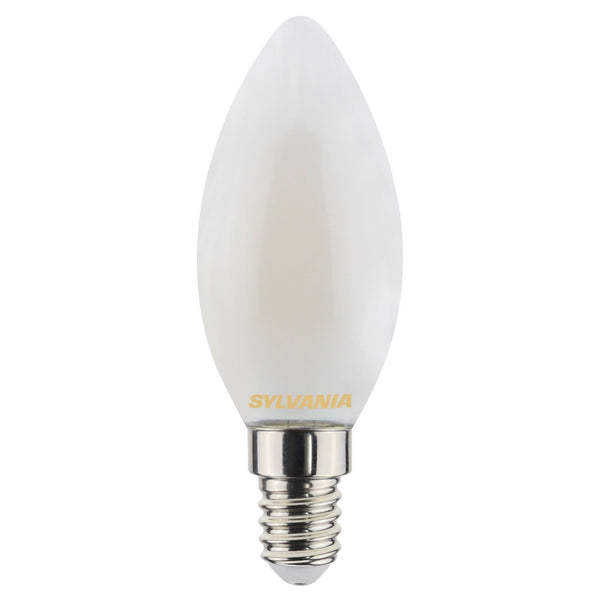

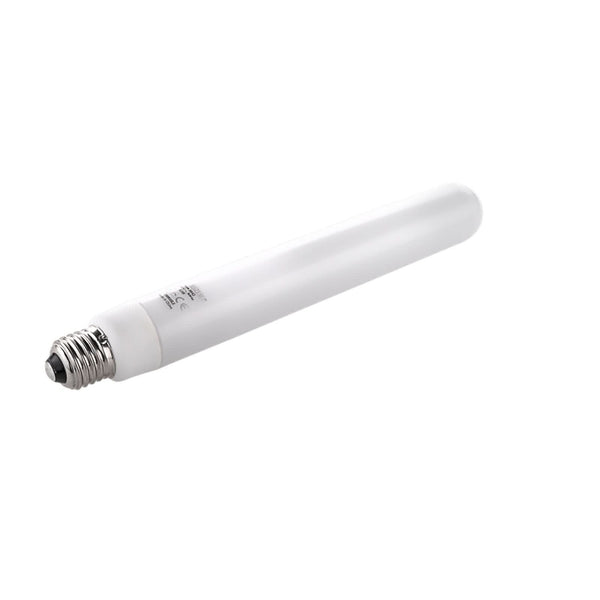

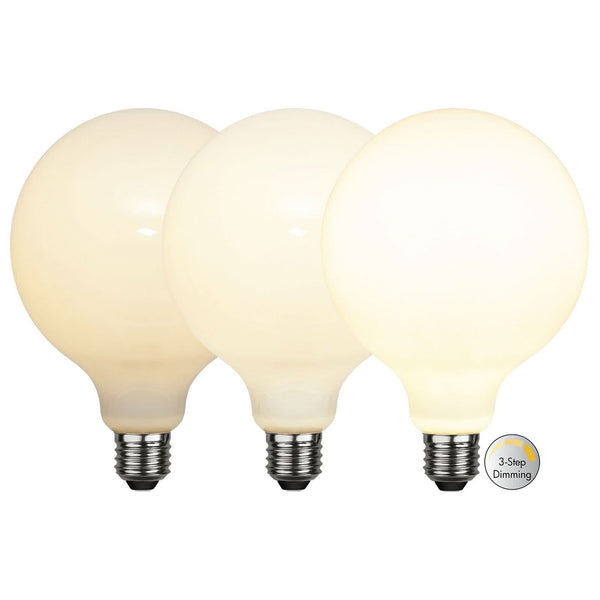

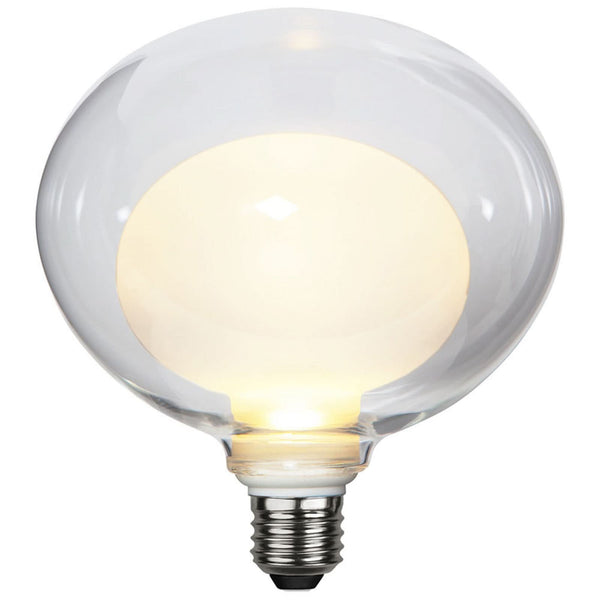





















- Tracked delivery to your country Tracked delivery
- Secure payment at checkout Multiple payment methods
- 14 days to change your mind 14-day returns
- Secure payment Secure payment
Not sure of your style? Find it in 30 seconds
A few questions, and we will show you the pieces made for you.
Frequently asked questions
How do I choose the right product?
What are the delivery times?
Can I return an item?
Can I pay in instalments?
An interior that reflects who you are
Carefully selected pieces, shipped from our warehouses. Our team advises you before you buy, so you choose with confidence.
- Tracked delivery
- Pay in instalments, where available
- 14 days to change your mind
- Advice & showroom in Lyon, France
Look at the socket of your light fixture before anything else: it decides the bulb. This collection covers six bases, from the large E27 to the small G9, G4, E14, GU10 and GX53, with colour temperatures from warm white to cool white and stated wattages from 3 W to 12 W.
Which LED bulb should you choose for your base?
Turn the fixture over and read the socket: it is what dictates the choice. The large screw base E27 is found on ceiling lights, chandeliers and pendants, the small E14 on floor lamps and slim wall lights, the G9 and G4 pins in narrow housings, the GU10 bayonet in adjustable spotlights, the flat GX53 format in low-profile ceiling lights. A different base never fits.
E27 and E14 LED bulbs: the screw bases
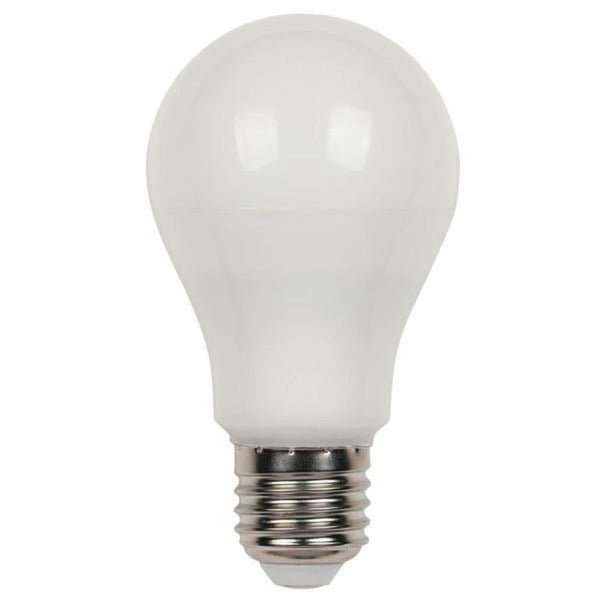
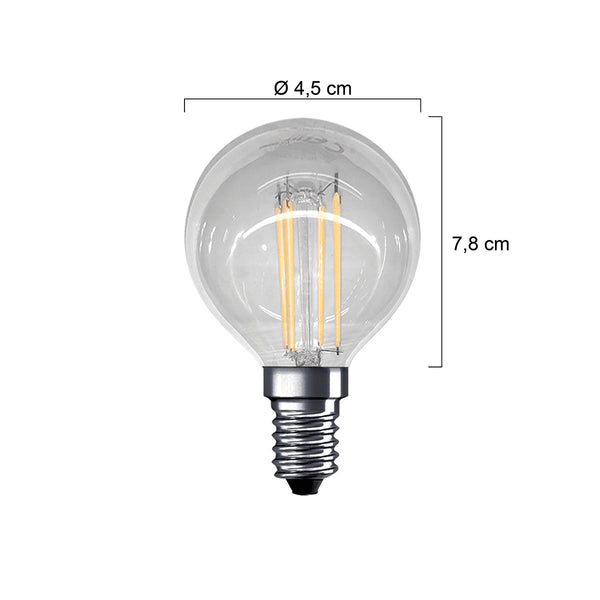
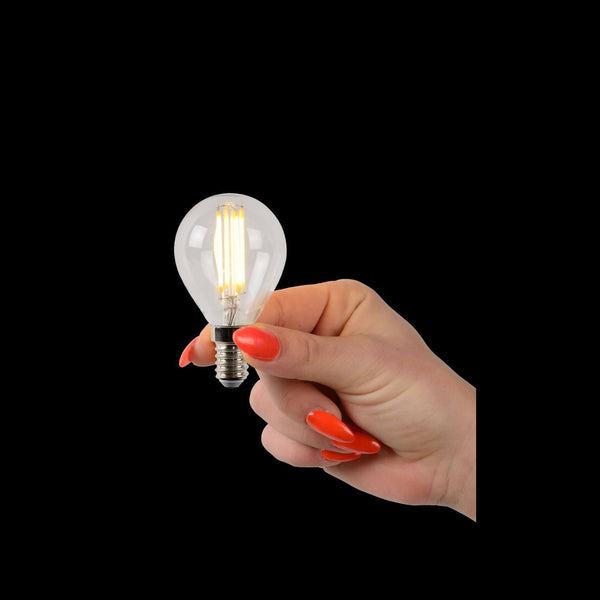
The E27 is the most common in the selection, the E14 the slimmest. Both screw in, but the socket diameter is not the same: an E14 will not hold in an E27 socket. Also check the clearance above the socket, as a longer globe or tube can bump against the shade. The E27 large screw base LED bulbs cover most living room fixtures, while the small E14 sockets are found on floor lamps and slim chandeliers.
G9, G4, GU10 and GX53 LED bulbs: the small formats
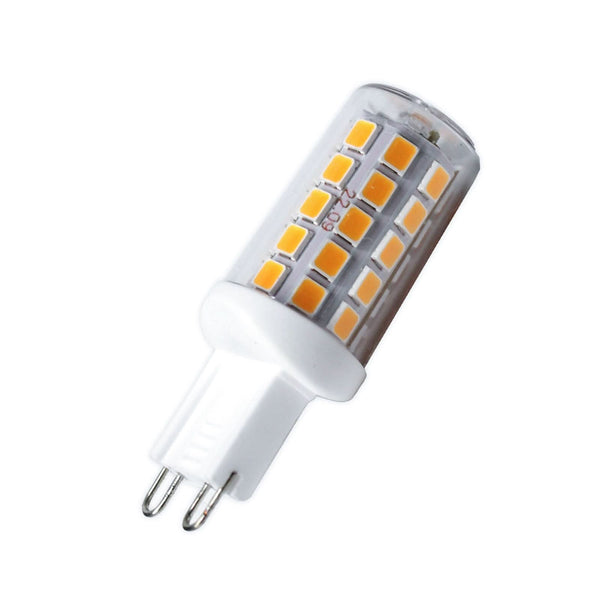
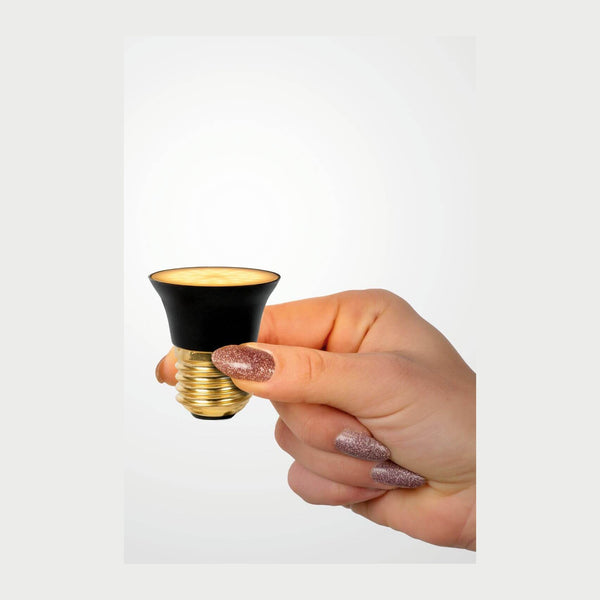
These four families attach differently: two pins for G9 and G4, two bayonets for GU10 and GX53. For a G9, check the pin spacing and the depth of the housing, which are often tight. The G4 is even slimmer and is mainly used at low voltage. The GU10 fits into a dedicated socket, never an E27, and the GX53 requires available height under the fixture. Full details are in the G4 and G9 models and the bayonet formats.
| Base | Fitting type | Fixture concerned | To check before buying |
|---|---|---|---|
| E27 | Large screw base | Ceiling lights, chandeliers, pendants | Large diameter screw socket |
| G9 | Two pins | Wall lights, small ceiling lights, spotlights | Pin spacing, narrow housing |
| G4 | Two thin pins | Low voltage spotlights, camper van, van | 12 V supply voltage |
| E14 | Small screw base | Floor lamps, wall lights, slim chandeliers | Small diameter screw socket |
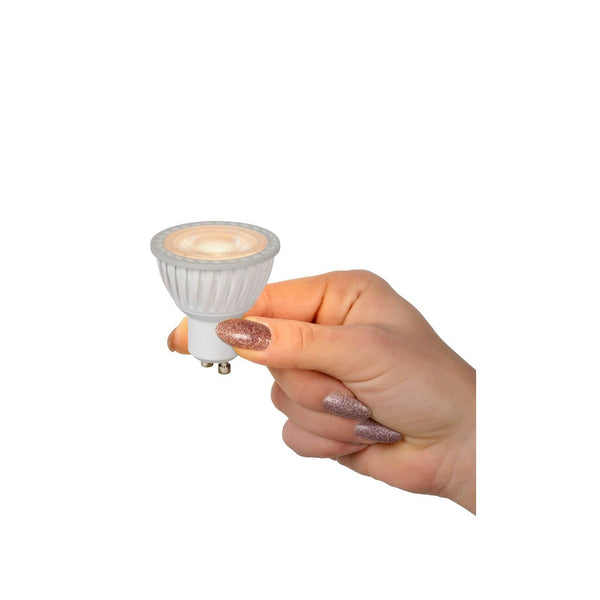
| GU10 | Bayonets | Adjustable spotlights on track or recessed | GU10 socket, not compatible with E27 |
| GX53 | Flat bayonet format | Flat ceiling lights, recessed spotlights | Available height under the fixture |
Which is the most powerful LED bulb?
The highest wattage stated in this selection is 12 W, on a GU10 base bulb. That figure alone does not tell you how much light is produced: for the same consumption, it is the luminous flux in lumens that lights the room, and it is the base that decides whether the bulb fits your fixture.
15w, 100w or 150w LED bulbs: what these figures really mean
These values almost always come from old incandescent bulbs. In LED, the stated consumption is lower for comparable lighting, and product pages sometimes give the flux or the real wattage: 460 lm in G9 4000K, 760 lm in E27 3000K, 12 W in GU10. Looking for a "100 W" LED therefore makes no sense: look instead for the base, the colour temperature and the flux.
Lumens or watts: what to look at on the product page
When the flux is stated, it becomes the useful reference: some models state 460 lm in G9 neutral white or 760 lm in E27 at 3000 K. Take that figure as an indication of the light output, without expecting a promise of brightness for a whole room. To go further on this criterion, browse the entire bulb range and the product pages that mention the flux.
Warm white, neutral white or cool white: which light temperature?
Colour temperature is read in kelvins. Warm white, from 2700 to 3500 K, warms the rooms where you relax. Neutral white, from 3500 to 4500 K, lights worktops and hallways. Cool white, above 4500 K, is best kept for circulation areas and indoor workspaces.
2700K and 3000K bulbs: the warm light of living room and bedroom
Warm white dominates the selection, and the rooms concerned confirm it: bedroom and living room first, dining room just behind. It is the shade that makes a room welcoming in the evening, on an exposed filament as on a globe. The 2700 K references and the bedroom bulbs are chosen on this basis, keeping the same shade from one base to another.
4000K LED bulb: kitchen, hallway and office
Neutral white around 4000 K whitens colours without making them blue: handy above a worktop, in an entrance or on a desk. It is found on G9 and GX53 modules, often in narrow housings. For a living room, the living room bulbs remain mostly warm white, softer when switched on and late in the evening.
| Colour temperature | Rendering | Rooms concerned |
|---|---|---|
| Warm white 2700 to 3500 K | Golden light, relaxed atmosphere | Mostly bedroom and living room, also dining room |
| Neutral white 3500 to 4500 K | White light, easy to read by | Kitchen 50%, hallway, entrance, office |
| Cool white 4500 to 6500 K | Crisp white light | Indoor workspaces and circulation areas |
Which LED bulb for a ceiling light, a chandelier or a wall light?
On a fixture with several sockets, use identical bulbs: same base, same wattage, same temperature. Without that, the room shows different patches of light. A wall light, on the other hand, offers a narrow housing and often takes a small G9 or E14 base.
Powerful LED ceiling light: which bulb for kitchen and living room?
A single-socket ceiling light takes the bulb that socket is designed for, E27 or G9 here. With several sockets, what matters is not the maximum wattage but consistency: use the same reference everywhere. To equip a visible pendant, E27 filament bulbs give a golden look that shows, while a closed ceiling light benefits from a compact module, such as this G9 model in neutral white.
Living room LED chandelier and LED wall light: the small bases that fit
On a chandelier with slim arms, space is scarce: a G9 a few centimetres high fits where an E27 will not. On a wall light, the same reasoning applies, with an E14 possible if the socket is a screw type. A simple rule: measure the free space around the socket before ordering, then keep the same shade as the rest of the room. The lighting catalogue helps you find the socket type of each model.
12V LED bulbs: camper van, car or battery?
Camper van, van and car spotlights are powered by the vehicle battery, not by the 220 V mains of a home. In this selection, the G4 base models match those sockets. Check the stated voltage before ordering: a bulb designed for mains does not work on a 12 V circuit.
12v G4 LED bulbs: the format of camper van spotlights
The G4 is a base with two thin pins, fitted in small spotlights and slim ceiling lights. These modules come in warm white and cool white, which keeps a consistent atmosphere from one corner of the vehicle to another. The 12 volt range gathers the formats designed for these circuits, and these G4 modules in warm white clearly target camper van and van living areas.
12v LED lighting on battery or in a car: what changes
A vehicle circuit delivers a different voltage from the mains, and the sockets are smaller. Two points to check: the voltage stated on the product page and the depth of the housing. For a damp room or outdoor use, however, no bulb in this selection is suitable: everything is IP20, meaning indoor use protected from splashes. In that case, look instead at the outdoor bulbs.
Filament bulb, smoked or clear glass: which style to choose?
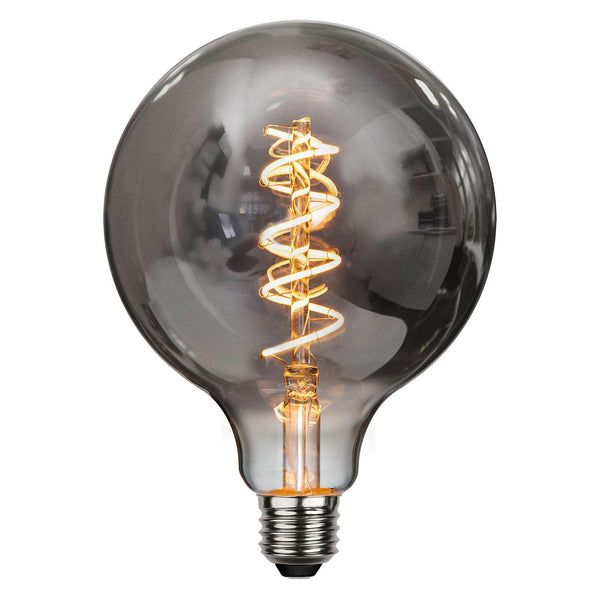
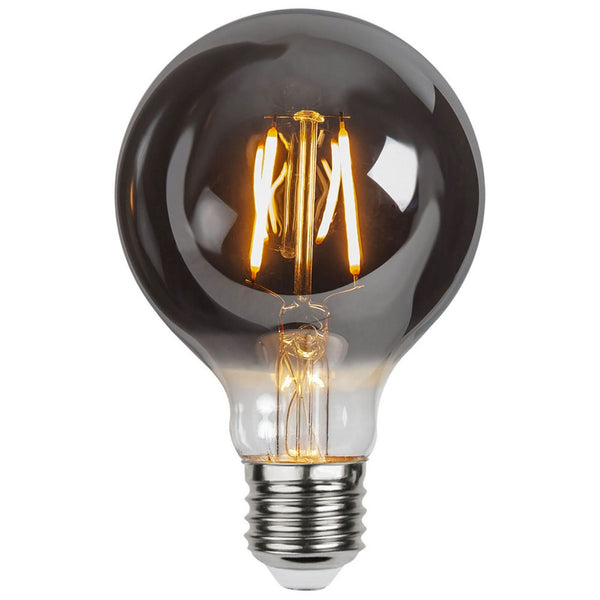
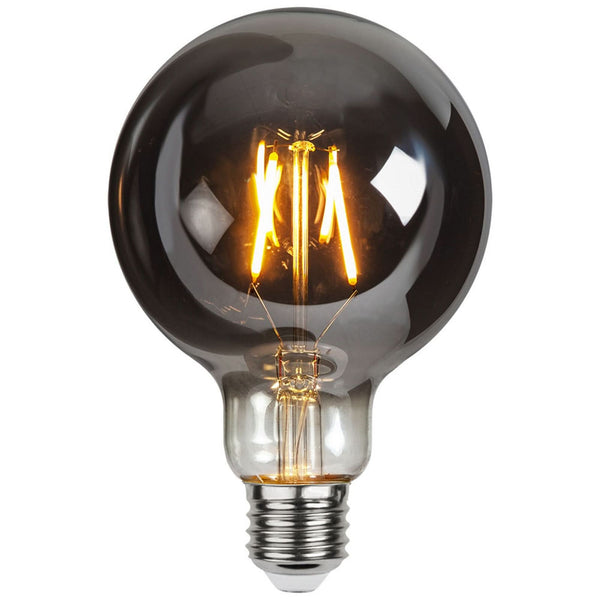
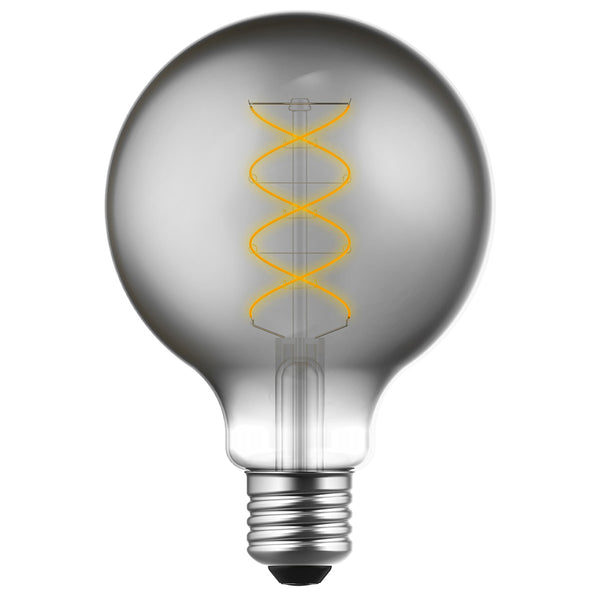
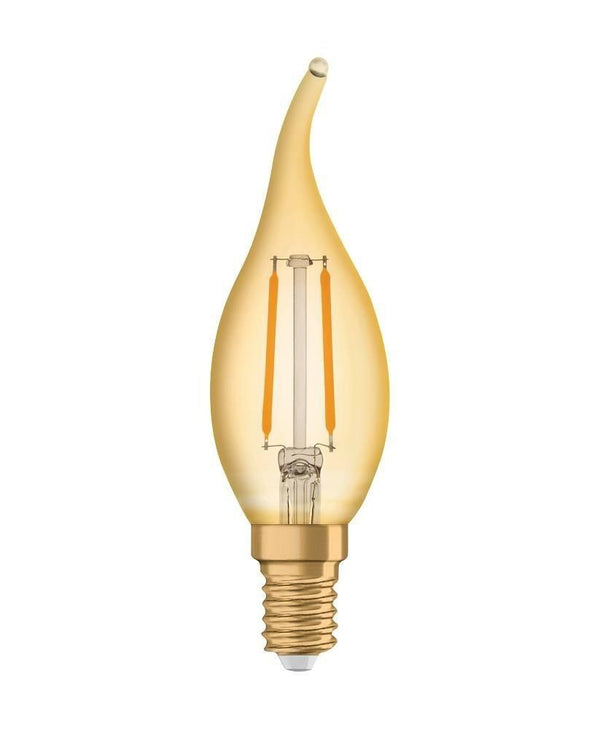
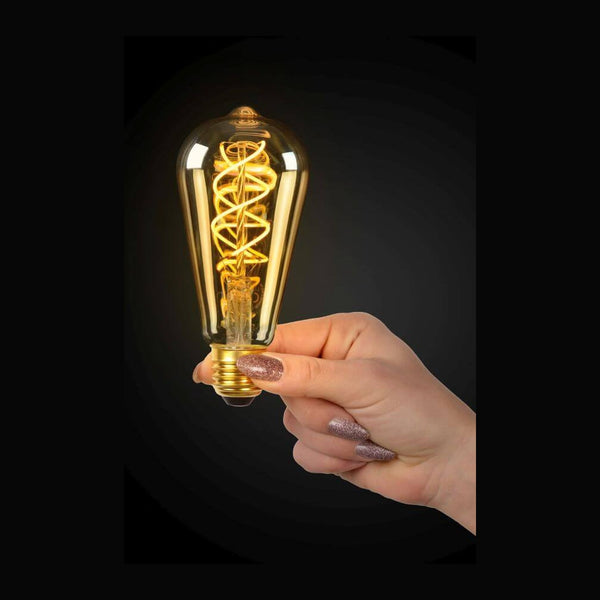
When the bulb stays visible, it decorates as much as it lights. Clear glass shows the filament and gives a crisp light, smoked or amber glass filters it and softens the room, metal and brass dress exposed sockets. These models are chosen as much for their look as for their base.
Filament bulbs: the warm light of open fixtures
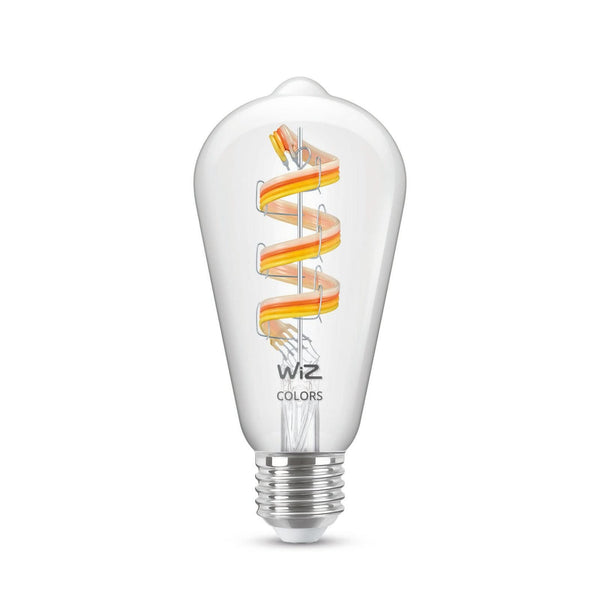
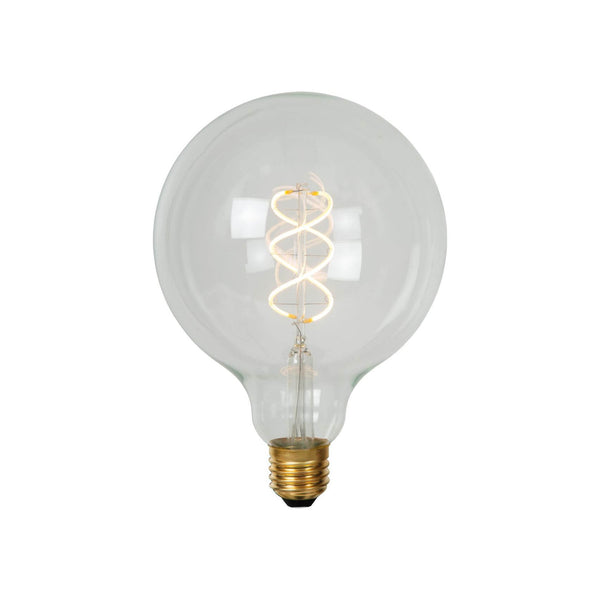
A straight or spiral filament is meant to be seen, and its light stays in warm shades. It is the natural choice for a pendant without a shade, an open chandelier or a floor lamp with a visible socket. All filament bulbs gather these references, several of which are dimmer compatible. For a stronger look, the retro bulbs play on globe and ball shapes.
Smoked, golden or white glass: which bulb for a visible pendant?
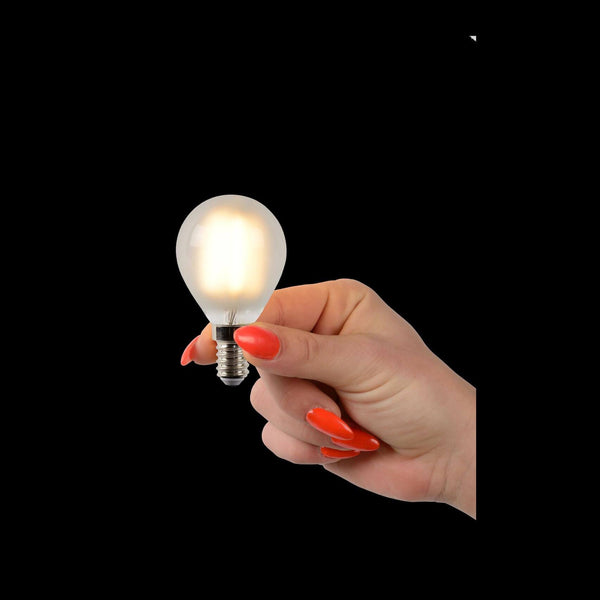
Glass dominates this selection, and it decides the look: clear for crisp lighting, smoked to soften, white to diffuse without showing the source. Metal and brass appear mainly on exposed bases and sockets, in silver or gold tones. The glass bulbs let you compare these finishes before choosing.
Will a dimmable LED bulb work on my installation?
Dimmer compatibility is stated on the product page, and it concerns only part of the selection. A dimmer designed for incandescent bulbs can make an LED flicker or buzz. Check compatibility on both sides, the bulb and the wall, before fitting it on a dimmed circuit.
E27 or E14 dimmable LED bulb: how to check compatibility
The method takes three steps: find the mention on the product page, check that the wall dimmer is designed for LED loads, then test a single bulb before equipping a whole fixture. On a six-socket chandelier, a single test saves you from discovering the problem six times. The dimmable LED bulbs and the E27 dimmable models gather the references concerned.
Why an LED bulb can flicker with a dimmer
Flickering most often comes from an incompatibility between the bulb and the dimmer, not from a fault in the bulb. An old dimmer, calibrated for a heavier load, handles the very low consumption of LED bulbs poorly. If buzzing persists after testing, change the dimmer rather than the bulb: no bulb setting corrects this point.
What are the drawbacks of LED bulbs?
An LED uses little power and heats less than a classic bulb, but it has its limits. All models in this selection are IP20: indoor use only, protected from water splashes. Not all are dimmer compatible, and a flat module lights more directionally than a filament.
IP20 and 2-year or 5-year warranty: what these mentions imply
IP20 indicates protection against solid objects, with no protection against water: not for a very damp bathroom in the shower area, not outdoors, not in a room exposed to splashes. As for the warranty, the duration is stated on the product page. Both mentions appear on the product page, and they should be read before buying, not after.
Dimmer compatibility and heat: what the product page states
Dimmer compatibility concerns only some models, and the heat given off remains limited compared with an incandescent lamp, which matters in a closed fixture where air circulates little. The beam, for its part, is more directional on LED modules than on a filament: aim the spotlight rather than increasing the wattage. In the end, the decision order remains simple: base, then temperature, then dimmer compatibility.
To choose without hesitation, start from the socket of your fixture and keep the same shade on all the sockets of the same fitting. The 220V LED bulbs cover everyday home use, and the modern style bulbs suit contemporary fixtures.
Secure payment, tracked delivery, returns and Designix customer service: order the reference that matches your socket, and check the colour temperature before confirming your basket.
Frequently asked questions about LED bulbs
What are the drawbacks of LED bulbs?
Consumption drops and so does the heat given off, but all bulbs in this collection are IP20: they stay indoors, protected from water. Not all are dimmer compatible, and an LED module lights more directionally than a filament, with a beam to aim.
Which is the most powerful LED bulb?
Here, the highest stated wattage is 12 W, on a GU10 base bulb. Wattage alone is not enough to judge: the luminous flux in lumens, the colour temperature and above all the fixture base determine what you can actually install.
Which bulb for a powerful LED ceiling light?
A single-socket ceiling light takes the bulb that socket is designed for, E27 or G9 in this selection. With several sockets, you need identical bulbs in base, wattage and temperature. For a kitchen or living room, consistent light matters more than maximum wattage.
Can a 12V LED bulb be used in a camper van or a car?
Camper van and van spotlights run on low voltage, supplied by the vehicle battery. In this collection, the G4 base models match those sockets. Check the stated voltage before ordering: a 220 V bulb does not work on a 12 V circuit.
What do searches for 15w, 100w or 150w LED bulbs mean?
These figures most often come from old incandescent bulbs. In LED, the stated consumption is lower for comparable lighting, and product pages give the equivalence when it is known. The reliable reference remains the base, the colour temperature and the flux in lumens.
Browse the bulb collection and the 12 volt range to find the reference that matches your socket.




