
Designer Bulbs
This selection is also available in our French store: Ampoule Design














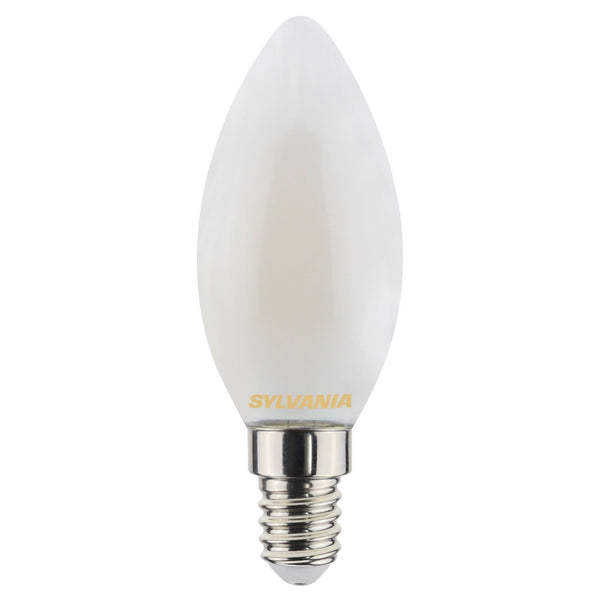

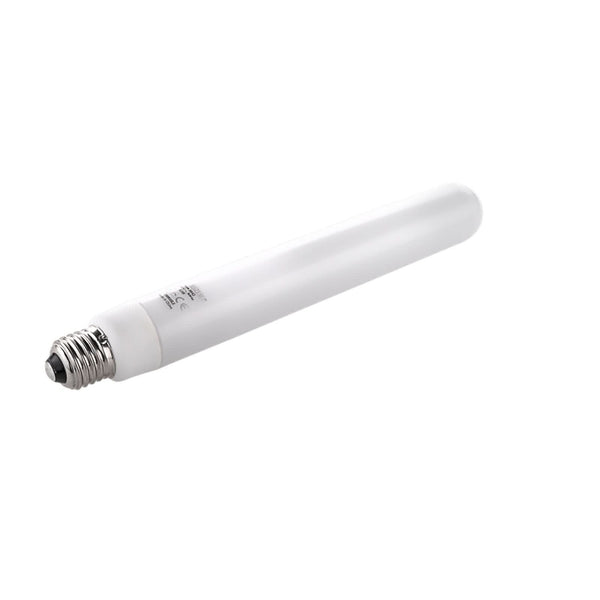

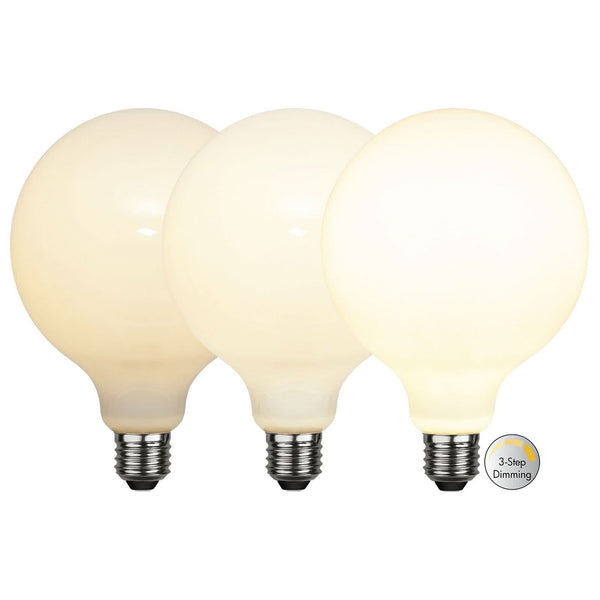

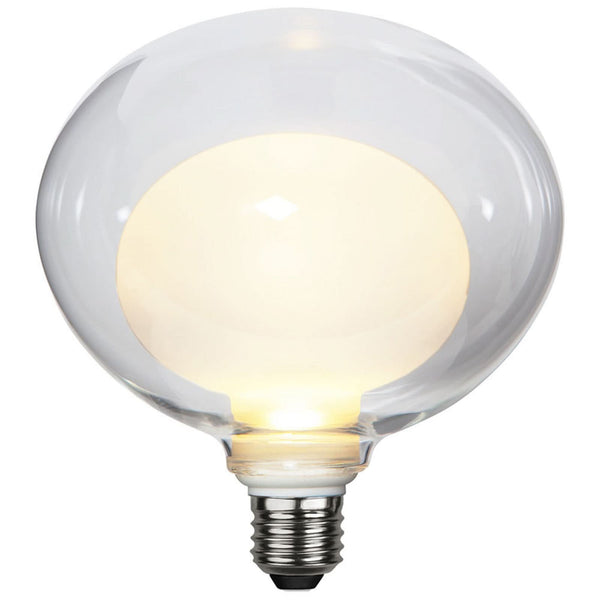























- Tracked delivery to your country Tracked delivery
- Secure payment at checkout Multiple payment methods
- 14 days to change your mind 14-day returns
- Secure payment Secure payment
Not sure of your style? Find it in 30 seconds
A few questions, and we will show you the pieces made for you.
Frequently asked questions
How do I choose the right product?
What are the delivery times?
Can I return an item?
Can I pay in instalments?
An interior that reflects who you are
Carefully selected pieces, shipped from our warehouses. Our team advises you before you buy, so you choose with confidence.
- Tracked delivery
- Pay in instalments, where available
- 14 days to change your mind
- Advice & showroom in Lyon, France
First check the base of your socket (E27, E14, G9, G4 or GU10), then choose the light temperature: a warm white of 2700 to 3500 K for a bedroom or living room, a neutral white above a worktop. The decorative light bulbs do the rest: they light and they are meant to be seen, exposed filament and worked glass included.
What is a designer bulb and what does it change in a room?
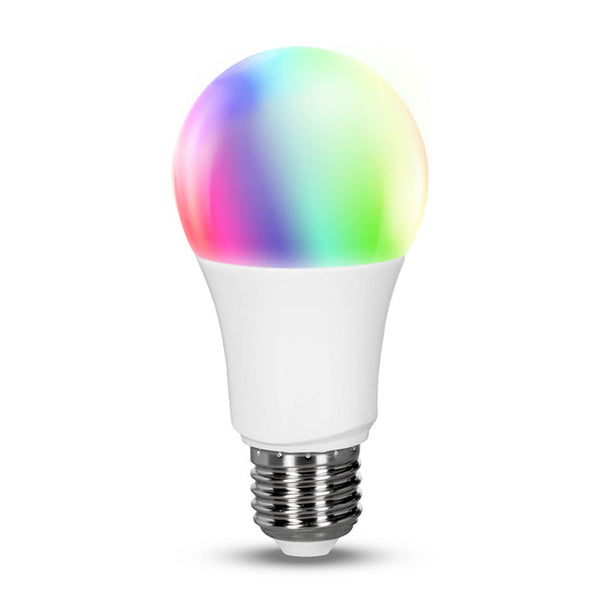
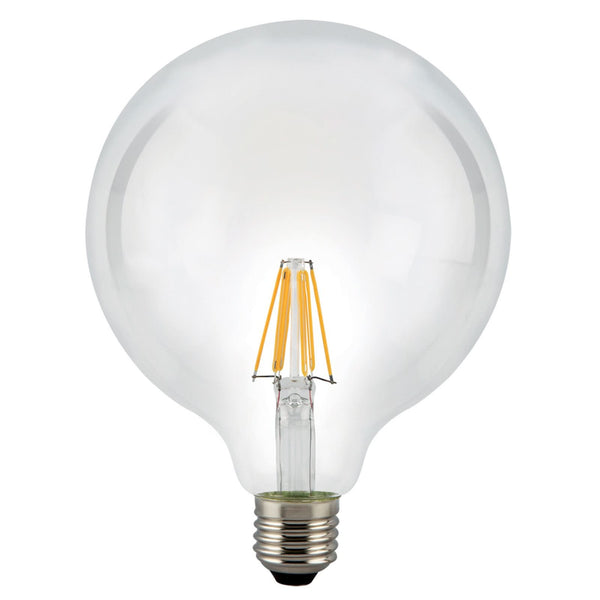
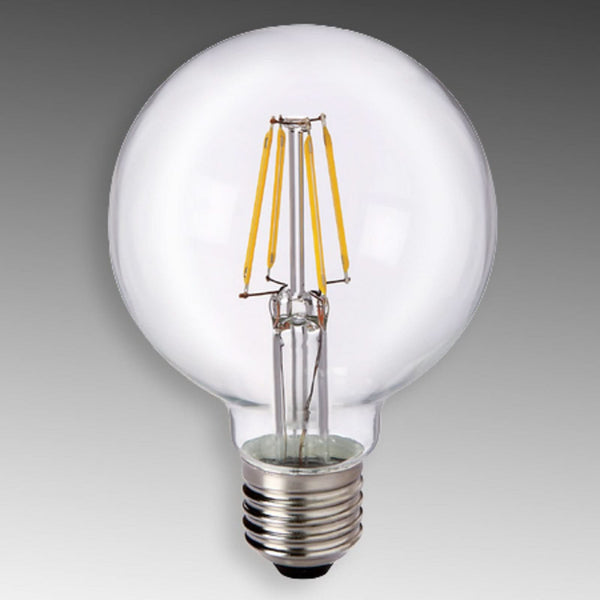
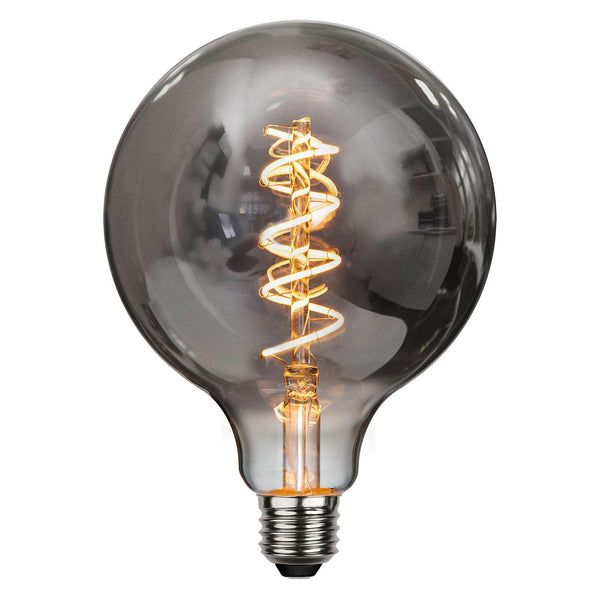
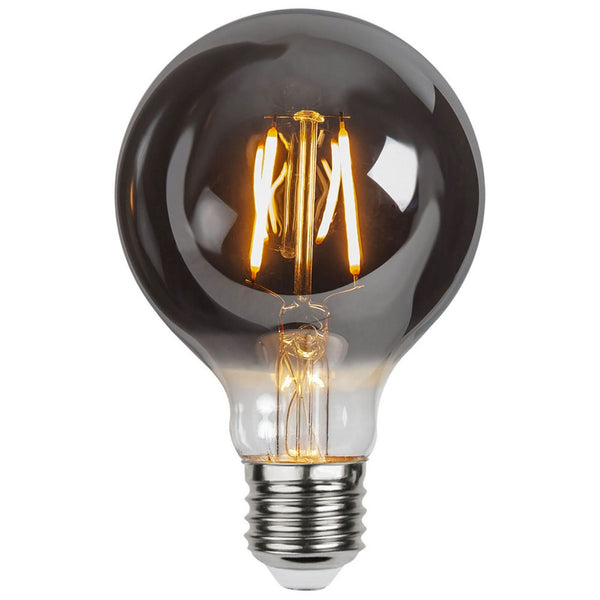
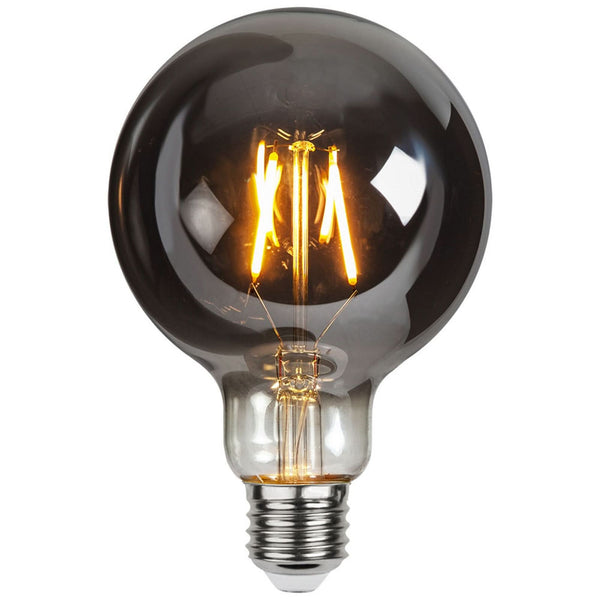
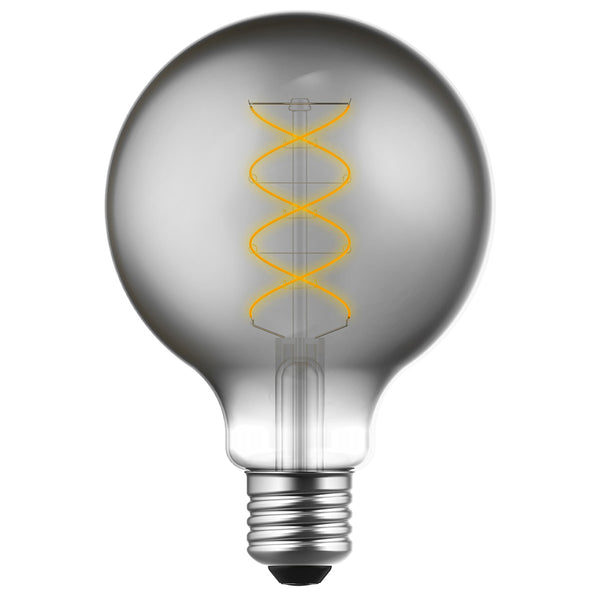
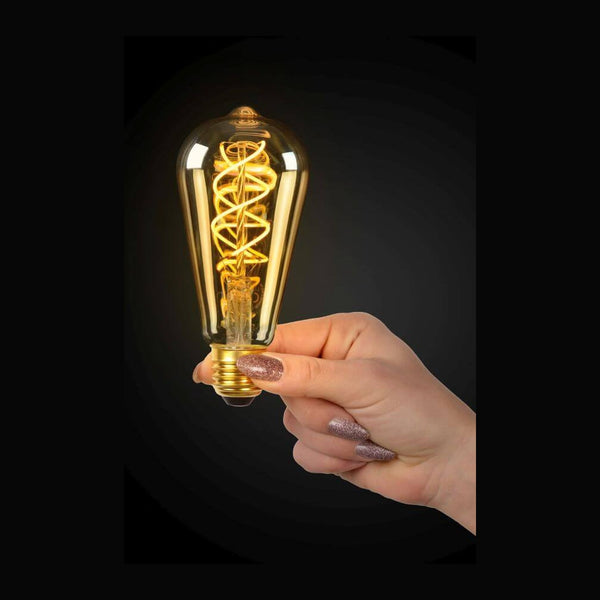
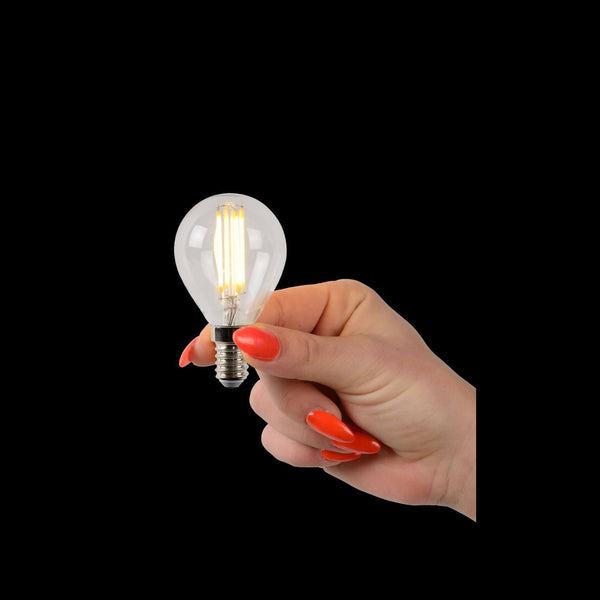
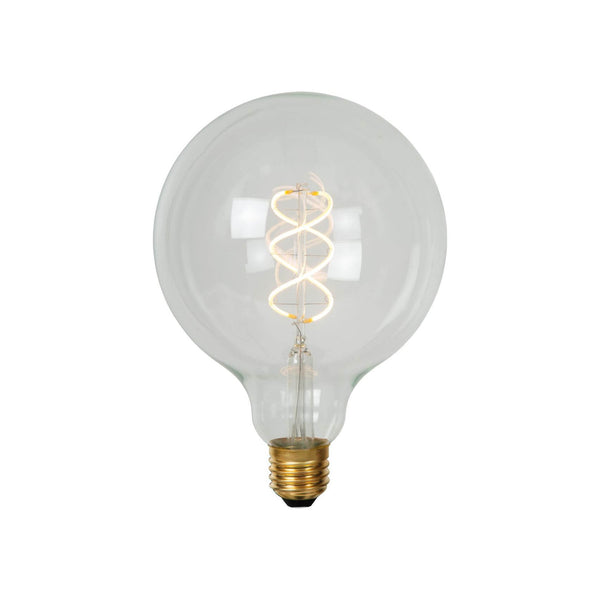
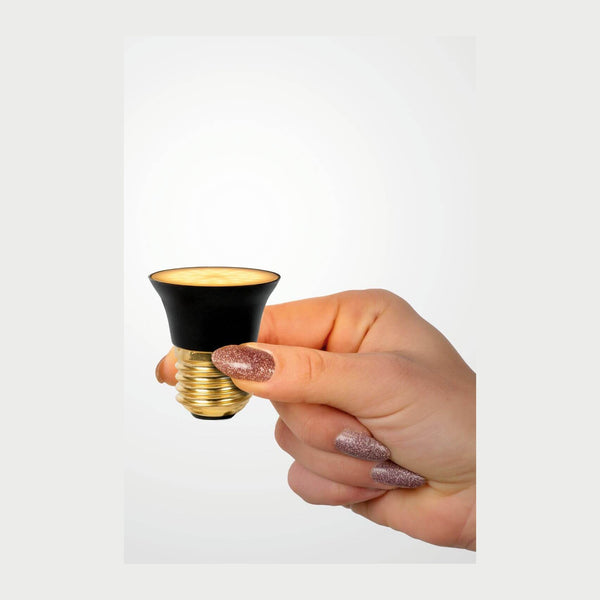
A designer bulb is a bulb that stays visible in the light fixture: exposed filament, clear or smoked glass, a worked shape in tube, round or ball form. The whole collection is LED and rated IP20, so designed for indoor use, where it lights as much as it decorates.
Designer LED bulb: what sets it apart from a classic bulb
A classic bulb is chosen on its wattage, then forgotten behind a lampshade. A designer LED bulb adds a second function: it is looked at. In this selection, glass, metal, iron, brass and ceramic make up most of the models. Shapes vary: tube, round, ball, globe or oval. A decorative filament bulb placed on a chandelier or a table lamp stands on its own, without a shade, because its source is the decor. For an Italian design table lamp, check the socket type (E27 or E14) and the maximum wattage the fixture accepts.
Designer glass or filament bulb: what light rendering?
Clear glass reveals the filament and projects a crisp light, with marked reflections on the walls. Smoked glass, on the other hand, softens: the light comes out gentler, contrasts are less harsh, and the bulb stays elegant even when switched off. The smoked colour accounts for 10% of the selection, against 40% white and 17% gold. If your room already has many light sources, smoked calms the whole. If you want a clear, graphic point of light, go for clear. The Rosranica clear filament bulb illustrates the first case, the Filora smoked glass the second. All the glass bulbs in the house play on that same gap.
Which designer bulb for which light fixture?
The choice depends first on the socket base: E27 for chandeliers and pendants, E14 for chandelier candles and bedside lamps, G9 and G4 for wall lights and compact fixtures, GU10 for spotlights. The style of the fixture does not change the base, it changes the shape of the bulb.
Which bulb for a designer living room chandelier?
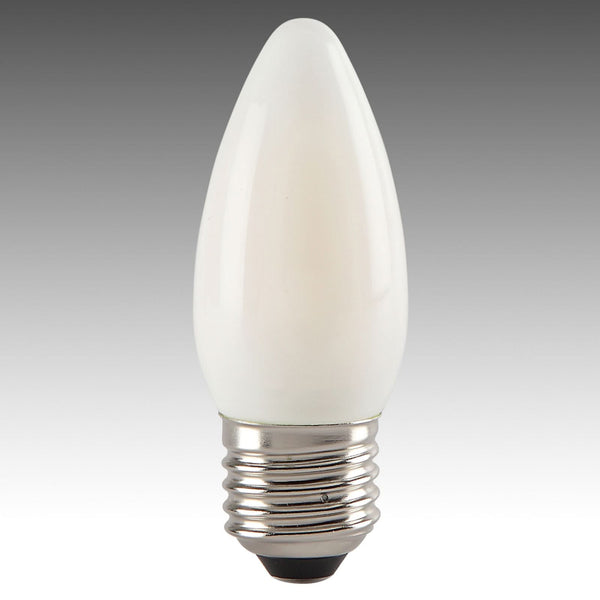
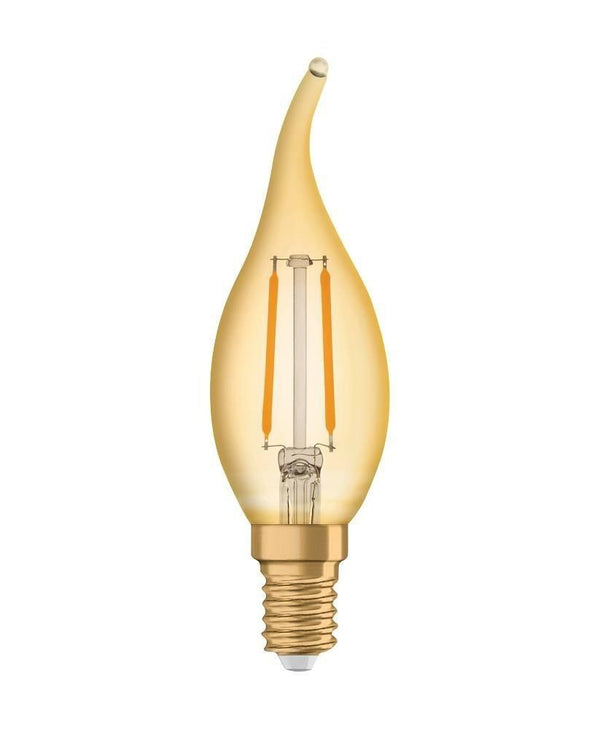
A chandelier with small sockets takes E14 candle shapes, a chandelier with wide sockets takes E27. Allow one bulb per socket and keep the same temperature everywhere: a mix of shades shows immediately on a chandelier. The Douceur Ambrée E14 candles in glass and brass suit this role, and the living room bulbs cover the wider models. Warm white dominates there by far, at 60% of the selection.
Which bulb for an Italian design kitchen pendant?
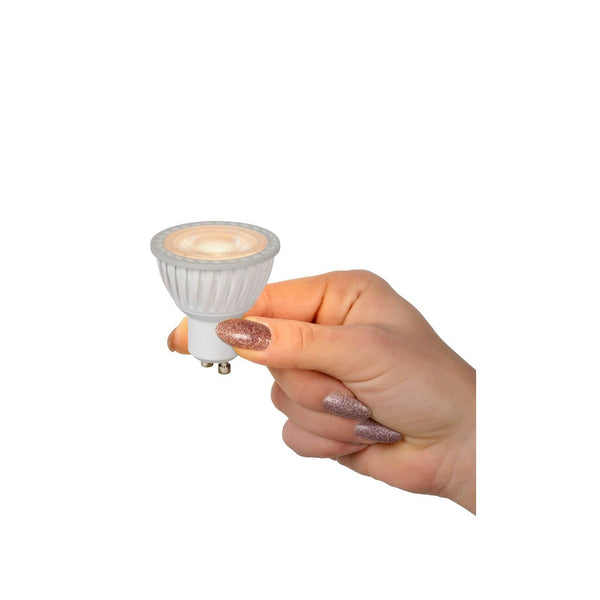
Most kitchen pendants are E27, spot models rather G9 or GU10. Above a worktop, a neutral white of 3500 to 4500 K renders food colours more accurately; above the table, warm white stays softer. Check the height of the pendant before choosing the length of the bulb, a tube shape overflowing from a small shade shows. The GU10 12W spotlight comes in warm white and neutral white, which lets you decide according to the area to light.
Which bulb for a WC wall light or a designer bedside lamp?
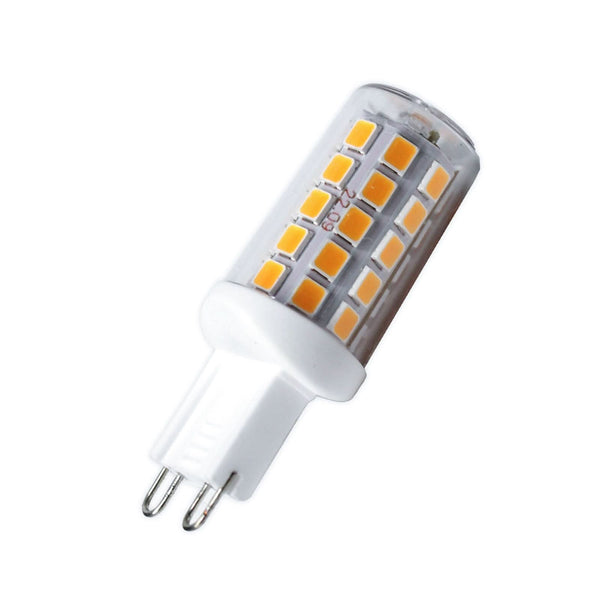
On a WC wall light or a compact fixture, the G9 base is almost always the one: the G9 3W LED bulb measures 1.5 cm wide by 4.9 cm high, so it fits the tightest spaces. For a bedside lamp, look at the socket above all: E14 on small models, E27 on the larger ones. Smoked glass dresses the lamp even when off, and the bedroom bulbs gather the models best suited to this use. Bulb packs, such as the 15 bulbs or the 6 bulbs, reduce the unit cost to equip several light points.
How to recognise the base of your bulb: E27, E14, G9, G4 or GU10?
The base is read on the socket, not on the fixture: E27 and E14 are screw, E27 being the widest and E14 the slim format of candles. G9 and G4 are pin, G9 for wall lights and compact fixtures, G4 for spotlights and small lamps. GU10 clips in with a quarter turn in adjustable spotlights.
How to recognise an E27 or E14 screw base?
Unscrew the bulb in place and compare its thread to a coin: E27 is about 27 mm in diameter, E14 about 14 mm. If in doubt, measure the socket inside the fixture. E27 accounts for 40% of the selection and E14 13%, for very different uses. The E27 base bulbs equip chandeliers, pendants and table lamps, while the E14 bulbs are reserved for chandelier candles and small bedside lamps.
Designer small base bulb: G4, G9 and GU10, what differences?
G9 and G4 differ by the size of the pins: G9 for wall lights and compact ceiling lights, G4 for spotlights and low voltage fixtures. GU10 has no fine pins but two lugs: you present it facing the socket and turn a quarter turn. These small bases weigh heavily in the selection: 27% in G9, 23% in G4, 7% in GU10. The G4 and G9 bulbs and the GU10 bulbs cover these three families separately.
| Base | Fixtures that accept it | Shapes and materials available | Temperatures available |
|---|---|---|---|
| E27 | Chandeliers, pendants, table lamps, large wall lights | Glass, smoked glass, brass, metal and wood; round, ball, globe | Warm white |
| E14 | Candle chandeliers, small bedside lamps, compact wall lights | Glass and brass; elongated candle shape | Warm white |
| G9 | Wall lights, compact fixtures, designer ceiling lights | Metal and steel, compact module with cylindrical shade | Warm white and neutral white |
| G4 | Spotlights and small lamps, low voltage fixtures | Glass and metal; capsule | Warm white and cool white |
| GU10 | Adjustable and recessed spotlights | Capsule | Warm white and neutral white |
| GX53 | Flat and recessed designer fixtures | Disc | Warm white and neutral white |
Warm white, neutral white or cool white: which light for a designer bulb?
Colour temperature decides the atmosphere: warm white, from 2700 to 3500 K, gives a golden light that suits a bedroom, a living room or a dining room. Neutral white, 3500 to 4500 K, stays crisp without a cast for a kitchen or an office. Cool white, beyond that, lights a hallway frankly.
Designer cool white bulb: in which rooms to use it?
Cool white covers 13% of the selection. Its frank, contrasted light works well in a hallway, an entrance or above a worktop, where you want to see clearly rather than relax. In a bedroom or living room, it hardens faces and tires you in the evening. A useful compromise: cool white in circulation areas, warm white in the rooms where you settle in. The 3000K bulbs offer an intermediate shade when warm white seems too golden.
Designer white light bulb: how not to get it wrong between 2700K and 4000K?
2700 K is the gold of a classic filament bulb, comfortable in the evening. 4000 K is a neutral white that does not yellow colours. Between the two, 3000 K remains the best all-rounder for a living area or an open kitchen. Look at the mention on the product sheet rather than the photo, which misleads on the shade. Warm white accounts for 60% of the selection and neutral white 27%, which leaves little room for cool. The 2700K bulbs are the safest starting point.
| Light temperature | Atmosphere rendered | Rooms where it suits | Share of the collection |
|---|---|---|---|
| Warm white (2700 - 3500 K) | Golden, enveloping light | Bedroom, living room, dining room | 60% |
| Neutral white (3500 - 4500 K) | Crisp light, without a yellow cast | Kitchen, office, bathroom, entrance | 27% |
| Cool white (4500 - 6500 K) | Frank, contrasted light | Hallway, entrance, worktop | 13% |
Designer LED bulb or designer halogen: what differences?
The whole collection is LED: for comparable light, an LED draws far less wattage than a halogen and heats far less, which keeps the socket and the fixture safe. The filament stays visible, so the decorative rendering of a designer halogen is preserved, with simpler care.
Why does a designer LED bulb heat less than a halogen?
A halogen turns a large part of the energy into heat, which forces you to wait before touching it and wears out the sockets of old fixtures. An LED dissipates far less. In practice, you can change an LED bulb shortly after switching it off, without burning your fingers. The selection mostly covers modest wattages: 5 W for 33% of the models, 7 W for 20%, 3 W for 20%, and up to 8 W on a smaller share.
Can you replace a designer halogen with a filament LED bulb?
Yes, provided the base matches and the fixture accepts the shape. A filament bulb takes up the visual principle of the halogen: fine source, clear glass, warm light. Diameter also counts, a wide capsule does not fit in a narrow spotlight. If your fixture is on a dimmer, check this point before ordering, it is covered further down. The retro bulbs extend this rendering with more pronounced shapes.
Designer dimmable bulb: how to pair it with the right control?
Some of the models in the collection accept a dimmer, especially on the E27 and E14 filament side. The dimmer must be LED compatible: a dimmer intended for halogen often makes an LED bulb flicker or buzz. Check the dimmer mention on the product sheet before ordering.
How to recognise a dimmable designer bulb?
The dimmer mention appears on the product sheet, not on the bulb itself. In this selection, 33% of the models are concerned, mainly in E27 and E14. A dimmable model works perfectly on a simple switch, it is just an extra capability. The dimmer compatible LED bulbs gather these references, including the dimmable E27 filament bulbs in glass, brass and iron.
Why does an LED dimmable bulb sometimes flicker?
The flicker almost always comes from the dimmer, not the bulb: old dimmers with too high a minimum wattage do not go low enough for an LED. Two solutions: replace the dimmer with an LED compatible model, or switch to a non dimmable bulb and adjust the atmosphere with other light points in the room. A buzzing follows the same diagnosis.
How to install and care for a designer bulb?
These bulbs are IP20, that is protected against dust and solid objects, but not against water: they are reserved for dry rooms and kept away from direct splashes. Switch off the power before changing a bulb, let it cool, then handle it by the base rather than the glass.
Changing a designer bulb safely: the right moves
Switch off at the switch, not just the dimmer. Let it cool for a few minutes even with LED. Grip the bulb by the base, never by the glass: fingerprints on hot glass end up marking. Screw without forcing, or clip in with a quarter turn for a GU10. The IP20 rating of the selection applies to all references, including those shown in a bathroom: a zone away from the water point is then required.
Cleaning a glass bulb without damaging the filament
A soft, dry cloth is enough on cold glass. No projected water, no product: smoked glass dulls with greasy cleaners, and humidity is not covered by the protection rating. For regular dusting, a soft bristle brush reaches the filament without touching it. The bulb range at Designix gathers all the references and their detailed sheets.
Which designer bulb for each room of the house?
The rooms most concerned by the collection are the bedroom, the living room, the kitchen and the dining room. In practice, you keep warm white for the rooms where you relax, a slightly more neutral white for worktops and passage areas, and a base suited to each socket.
Designer bulb for bedroom and living room
The bedroom comes first in the uses of the selection, the living room just behind. In both cases, aim for warm white and a shape that shows: ball, globe or round. In E27, clear filament models give a crisp point of light; in smoked glass, the whole stays softer in the evening. The bedroom bulbs and the living room bulbs detail these uses.
Designer bulb for kitchen, dining room and bathroom
In the kitchen and dining room, switch to neutral white above the worktop and keep warm white above the table. The bathroom only hosts these bulbs in dry zones, the IP20 rating does not protect against splashes. The E27 LED bulbs cover most of these locations. To complete a room's lighting, browse all our light fixtures and their selection of modern bulbs, or open the whole Designix light fixture catalogue.
Frequently asked questions
Designer E27 bulb: which fixtures accept it?
The E27 base is the most widespread in the collection: chandeliers, pendants, table lamps and large wall lights. The E27 models are mostly in glass or smoked glass, with exposed filament, and some accept a dimmer. Check your fixture's socket before ordering.
Designer small base bulb: which models to choose?
Small bases gather E14, G9, G4 and GU10. E14 screws into chandelier candles and small bedside lamps, G9 into wall lights and compact fixtures, G4 into spotlights and small lamps, GU10 into adjustable spotlights. All are LED and IP20.
Designer cool white bulb: in which rooms?
Cool white, from 4500 to 6500 K, accounts for the smallest share of the collection. It gives a frank, contrasted light, useful in a hallway, an entrance or on a worktop. In a bedroom or living room, warm white stays more comfortable in the evening.
Designer LED bulb: does it really light?
Yes: a designer LED bulb lights like an LED of the same wattage, the difference lies in the rendering, not the amount of light. The exposed filament and the clear or smoked glass distribute the light differently, often without a shade, which changes the atmosphere more than the brightness.
Designer bedside lamp: which bulb to choose?
For a bedside lamp, you first look at the socket: E14 for small models, E27 for the larger ones, G9 for compact fixtures. Then the temperature: a warm white of 2700 to 3500 K stays the most comfortable in the evening. Smoked glass dresses the lamp even when off.




