
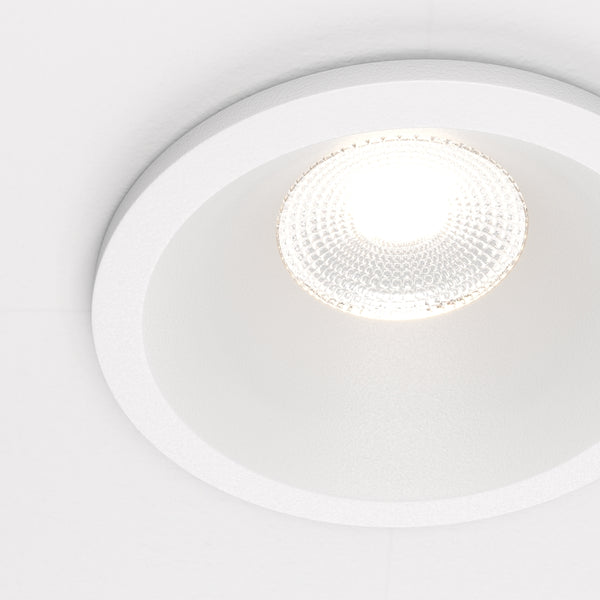
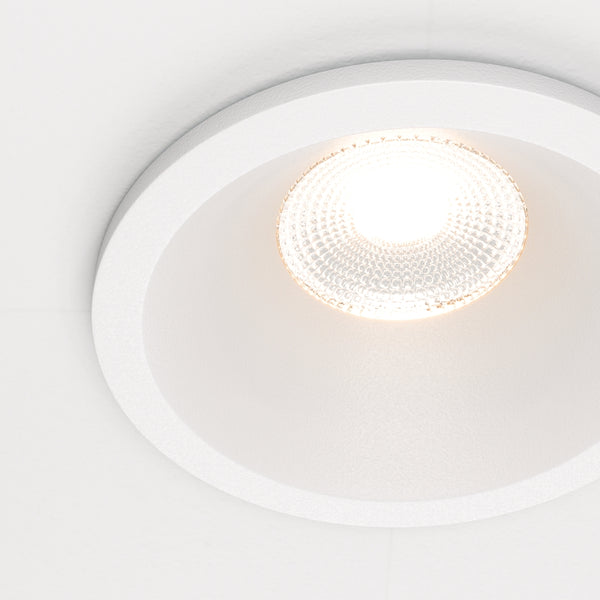
White outdoor spotlights




















- Tracked delivery to your country Tracked delivery
- Secure payment at checkout Multiple payment methods
- 14 days to change your mind 14-day returns
- Secure payment Secure payment
Not sure of your style? Find it in 30 seconds
A few questions, and we will show you the pieces made for you.
Frequently asked questions
How do I choose the right light output?
At what height should the light be installed?
What type of bulb?
Compatible with LEDs and dimmers?
Light changes everything
From statement chandeliers to discreet wall lights, we help you choose the right brightness, height and style for every room.
- Tracked delivery
- Pay in instalments, where available
- 14 days to change your mind
- Advice & showroom in Lyon, France
Choose white first to make the fixture disappear: on light render, concrete or wood cladding, it blends into the surface instead of drawing a dark patch. The light does not change, a white spotlight lights the same as a black spotlight with the same specifications. White is therefore decided by day, with the fixture switched off, according to the wall receiving it.
What distinguishes a white outdoor spotlight?
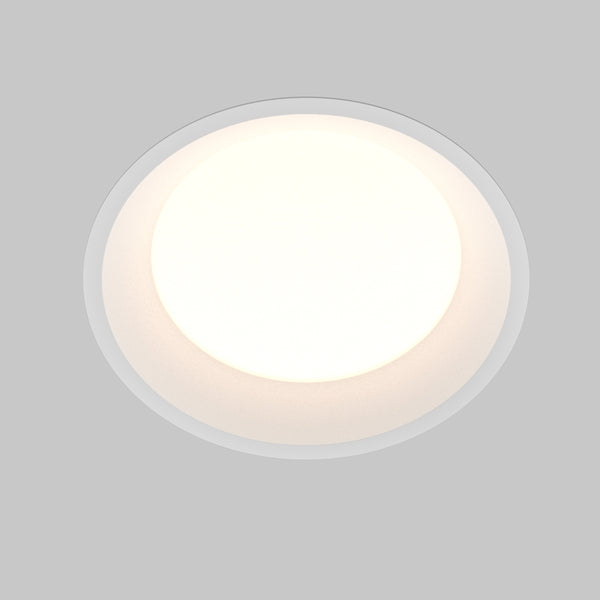
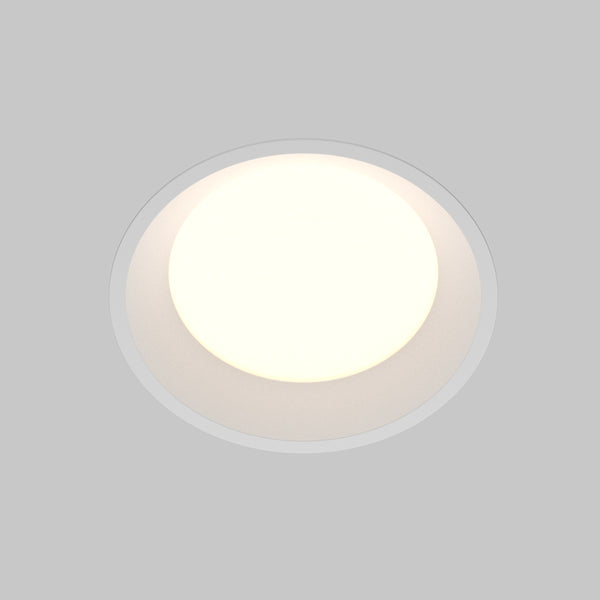
The 35 models in this collection of white outdoor spotlights blend into the surface on a light wall, render or wood cladding, instead of drawing a dark patch. The light remains identical to that of a black spotlight, only the look of the switched-off fixture changes.
White outdoor spotlights and wood
White naturally matches wood cladding, a light fence or blond stone. A matte white absorbs daylight and stays discreet, a glossier finish reflects it and makes the housing stand out: on a textured wall, matte ages better visually. For a more graphic result, compare with the black version, which draws a sharp line on light facades.
On a light facade or cladding, what effect?
On a cream or light grey facade, a white spotlight almost disappears: only the cone of light is visible. This is the choice for renovated old facades and contemporary extensions. All all white spotlights brings together the light colours, all mounting types combined.
Which spotlight for outdoors?
For outdoors, you first choose according to the mounting: a recessed spotlight in the ground or in a slab, a screw-mounted spotlight on a facade, a wall light for a terrace wall. Then come the beam direction, the housing material and the protection rating shown on the product sheet.
Recessed in the ground or as an outdoor terrace wall light?
The recessed models sit flush with the slab or ground and disappear during the day; they require a recess and an underground cable. The wall light is fixed to a wall, lights wider and lower, and suits a living area rather than a precise point.
Fixed or adjustable: what difference on site?
A fixed spotlight always lights the same spot, which is enough to mark out a path. The white adjustable spotlights let you set the aim after installation, useful for following a growing shrub or correcting a beam that dazzles. Adjustment is done by hand, without tools, on most models.
Where to install white outdoor spotlights in the garden and on the terrace?
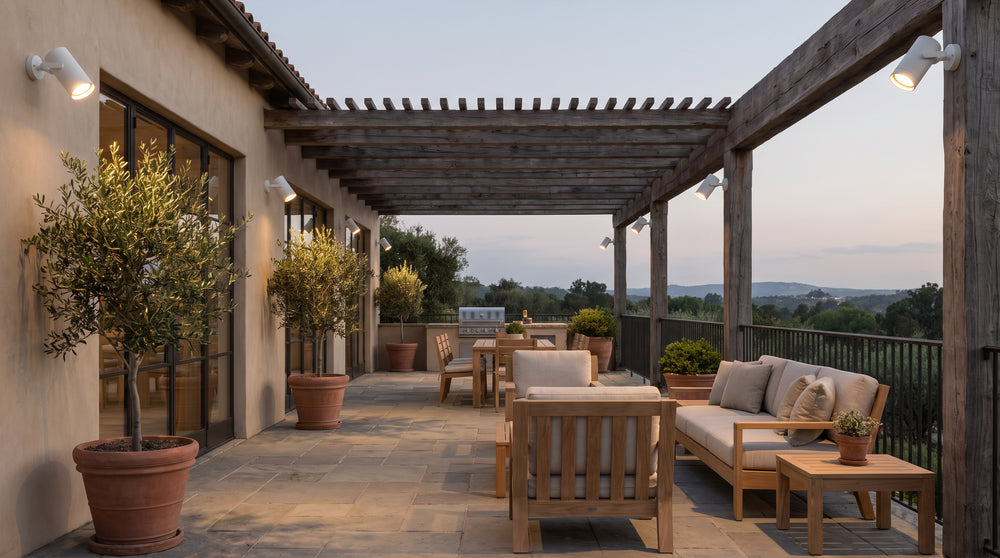
In a garden, a white spotlight is placed at the edge of a path to guide footsteps, at the foot of a flowerbed or tree to light the foliage, and along a facade to draw the volumes. They are aimed at what you want to show, never at the eyes.
Lighting a path or a flowerbed
Along a walkway, evenly spaced points punctuate the walk better than a tight alignment. At the foot of a flowerbed, you light from below to cut out the silhouette of the foliage. Garden lighting designed this way does without a powerful floodlight.
Highlighting a facade, a tree or a wall
On a wall, direct the beam downwards or at an angle to reveal the relief of the material. outdoor spotlights with refined design are justified on a facade visible from the house or the street. Under a canopy, keep a regular spacing between points and aim at the ground so as not to dazzle seated people.
| Area to light | Type of spotlight | Mounting | What it brings |
|---|---|---|---|
| Path or walkway | Recessed ground spotlight, aimed downwards | Recessed in the slab or soil, underground cable | Guides footsteps and punctuates the route |
| Flowerbed, shrub, tree | Adjustable spike or screw-mounted spotlight | Stake planted at the foot or fixed to a support | Lights the foliage from below |
| Facade, wall, cladding | Screw-mounted spotlight or wall light | Fixed to the wall, beam downwards or at an angle | Draws the volumes and relief of the material |
| Covered terrace | Ceiling recessed spotlight or wall light | Under the canopy, aimed at the ground | Lights the living area without dazzling |
| Pool surroundings | Ground recessed spotlight suited to the area | Recessed in the coping or the deck | Marks the edge of the pool |
What lights whiter, cool white or warm white?
Cool white, tinged with blue, appears brighter; warm white, tinged with yellow, appears softer; neutral white sits between the two. On a terrace, warm white is more restful in the evening; on a facade to highlight, neutral white renders materials more faithfully.
Warm white for a terrace, cool white for a facade?
This is the simplest reference: warm near the areas where you settle, neutral or cool on what you look at from a distance. A very cool white on a stone wall makes it cold, a warm white on grey cladding makes it yellow. Colour temperature is chosen along with the material being lit.
Where to read the colour temperature on the product sheet?
It is given in kelvins and appears in the model specifications, like the socket, the IP protection rating and the housing material. Around 2700 to 3000 kelvins you are in warm white, near 4000 kelvins in neutral, beyond that in cool. Check this line before comparing two models.
| Type of white | Effect | Better suited to | To avoid for |
|---|---|---|---|
| Warm white | Yellow tint, soft light | Terrace, summer dining corner, stone wall | Highlighting cold materials |
| Neutral white | White light with no dominant tint | Facade, cladding, foliage, path | Very subdued atmosphere |
| Cool white | Bluish tint, feeling of clarity | Accent on mineral surfaces, circulation lighting | Relaxation and dining areas |
What is the best choice for outdoor lighting, white or yellow?
Neither is better in absolute terms: white renders the colours of plants and renders more faithfully, yellow warms a stone wall or old wood. The choice depends on the material being lit and the desired atmosphere, not on a single rule.
What light colour changes on plants and facades
On green foliage, a neutral white keeps the shades accurate; a very warm white pulls green towards yellow. On old stone or a roof frame, warm flatters the material. Look at your wall in the evening before deciding.
When to mix two whites in the same garden
You can keep warm on the terrace and neutral on the facade, provided the two areas are not lit at the same time within the field of view. This consistency is finely tuned with dimmer-compatible spotlights, which adjust the intensity according to the time of evening.
How to match white outdoor spotlights with the rest of the house?
A white outdoor fixture is mainly noticed by day, when the fixtures are switched off: it must therefore match the render, cladding or furniture. Indoors, the same logic applies to a white chandelier in a living room or bedroom: keeping a family of whites avoids a mismatched effect.
A white for a living room or bedroom, which white to choose inside?
Indoors, white ranges from extra-matte to satin, and the choice follows that of the joinery and walls. indoor spotlights raise the same question as outside: a pure white clashes with a cream wall, an off-white warms it.
Wood furniture and white, cladding: what white does wood call for?
Wood calls for a matte or slightly off-white, never a cool glossy white. To vary without leaving the light family, look at the grey finishes or a gold colour, which sit well with cladding.
How to install and maintain white outdoor spotlights?
Installation is prepared before any drilling: locate the power supply, switch off the current, provide an accessible junction box and run the cables to each point. Only then do you fix the spotlights and check the sealing of the passages. Maintenance is limited to dusting and checking the seals.
How to wire spotlights in series or in parallel?
In series, the current passes through each spotlight one after the other: a fault cuts the whole circuit. In parallel, each spotlight receives the same voltage and remains independent, which is preferable outdoors. Switch off the current, use waterproof terminals and close the boxes properly.
Cleaning and checking: what to verify each year
A soft cloth on the glass, a look at the seals and cable glands, and the power switched off before any work. For daily use, LED outdoor spotlights limit replacements, and LED dimming avoids lighting a rarely used path at full power.
What budget should you plan for white outdoor spotlights?
The price of a white outdoor spotlight varies according to the housing material, the quality of the electronics and the protection rating, not according to the colour. Entry-level models suit a path, more refined pieces target a visible facade or a landscaped terrace. The grid shows the current price.
What makes the price of a white outdoor spotlight vary
A treated metal housing withstands the years better than plastic exposed to full sun. The integrated electronics, the adjustment range and the sealing level also weigh in. The white colour itself changes nothing in the cost.
Where the best value for money lies according to use
For garden marking seen from a distance, a simple model is enough. For a facade, you invest in the finish and durability. When running a cable is impossible, solar garden lighting and solar LED spotlights avoid the work.
The white models are divided between white LED floodlights and spotlights for outdoors, to cross-reference with white LED spotlights to compare sockets and colour temperatures. One last reference for your selection: the GU10 socket remains replaceable and very common, the E27 accepts wider bulbs, and the integrated LED removes replacement but fixes the colour temperature. Make your choice on these three lines, then confirm the mounting.
Frequently asked questions about white outdoor spotlights
Can an outdoor terrace wall light replace a spotlight?
The wall light lights wider and lower, the spotlight concentrates the light on one point. On a terrace, the wall light suits the living area and the spotlight the wall or the plants. Both can coexist if the white colour is common to both.
Are there solar white outdoor spotlights?
Yes: solar versions include a panel and a battery, which avoids running a cable to a distant path or flowerbed. Their performance depends on the sunlight in the area. The white colour is offered there as on mains-powered models.
Do you need a sensor on a white outdoor spotlight?
The sensor is useful on a passage, an entrance or a rarely used path: the spotlight switches on with movement rather than staying on all night. On a highlighted facade or a terrace where you stay, manual switching or a dimmer is more comfortable.
Which E27 bulb for outdoors?
The E27 socket accepts replaceable bulbs, whereas many outdoor spotlights work with a GU10 socket or integrated LED. You keep the desired colour temperature and above all check that the fixture is designed for outdoors, as the bulb alone does not provide sealing.
How many spotlights should you plan for a kitchen or a covered terrace?
You start from the areas to light, not from a standard number: worktop, sink, cooking and circulation for the kitchen; table, wall and passage for a covered terrace. Each area calls for its own light point, and you avoid placing a spotlight in the line of sight when seated.
Secure payment, tracked delivery, returns and Designix customer service: you order the right colour and exchange it if the result does not suit. Explore our selection of light fixtures to place these spotlights within the whole house, then browse the entire Designix lighting catalogue and the white outdoor specialists before confirming your basket.




