
Recessed LED spotlights for kitchen
























- Tracked delivery to your country Tracked delivery
- Secure payment at checkout Multiple payment methods
- 14 days to change your mind 14-day returns
- Secure payment Secure payment
Not sure of your style? Find it in 30 seconds
A few questions, and we will show you the pieces made for you.
Frequently asked questions
How do I choose the right light output?
At what height should the light be installed?
What type of bulb?
Compatible with LEDs and dimmers?

Light changes everything
From statement chandeliers to discreet wall lights, we help you choose the right brightness, height and style for every room.
- Tracked delivery
- Pay in instalments, where available
- 14 days to change your mind
- Advice & showroom in Lyon, France
Plan on adjustable recessed spotlights for the kitchen, aimed at the worktop, the sink and the island, in cool white 4500-6500 K for working and warm white 2700-3500 K for the dining corner. The selection brings together 19 W, 30 W and 40 W LED kitchen ceiling spotlights, IP20, in metal, aluminium, iron or linen, with 2, 3 or 4 heads, dimmable where possible.
Which type of LED for a kitchen?
A kitchen is lit with integrated LEDs, chosen according to use: warm white 2700-3500 K for meals, cool white 4500-6500 K for working on the worktop. Adjustable recessed spotlights direct the light where it is needed and stay controllable with a dimmer. Depending on the room and the ceiling height, the result varies a great deal from one model to another.
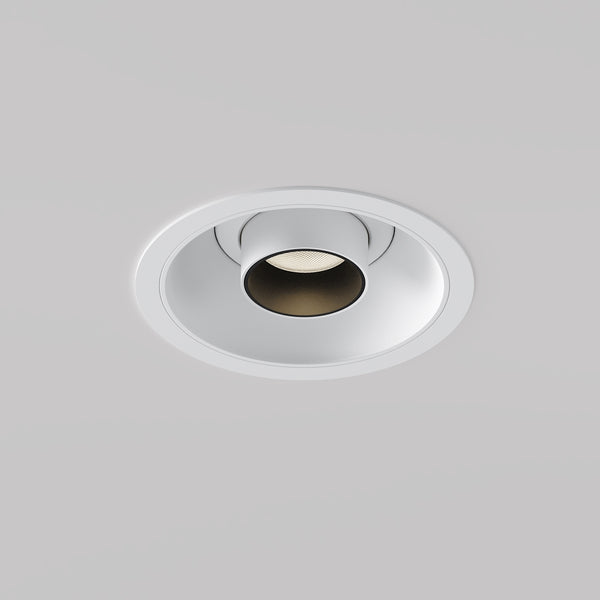
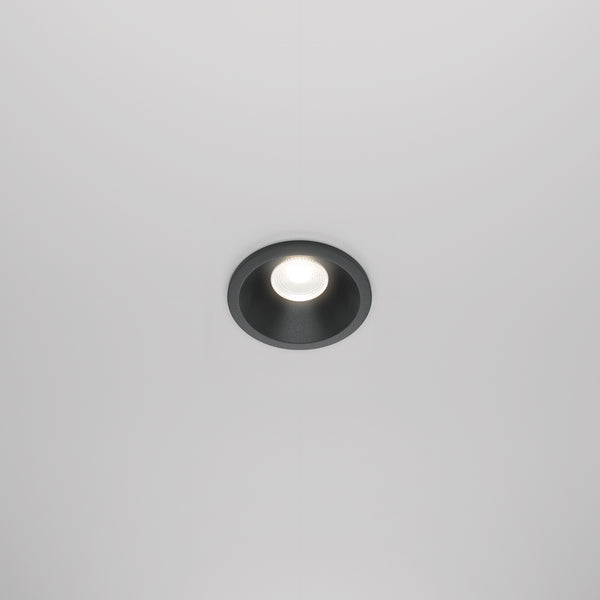
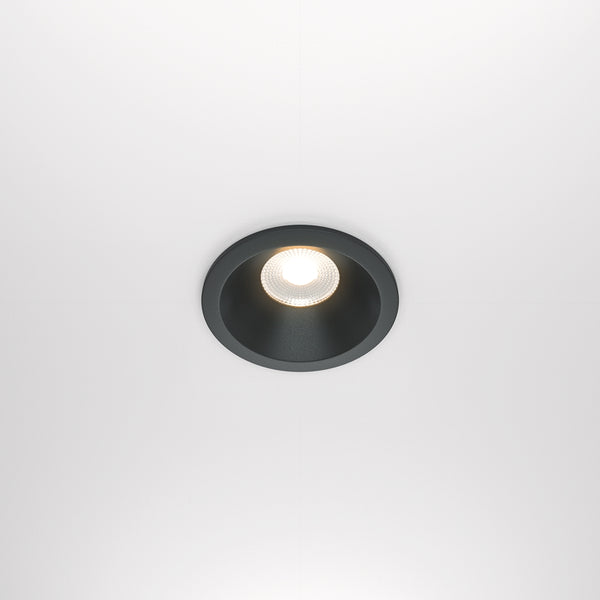
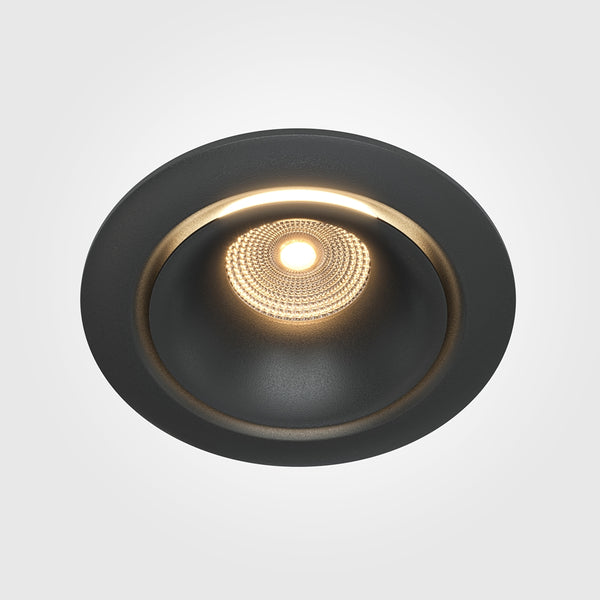
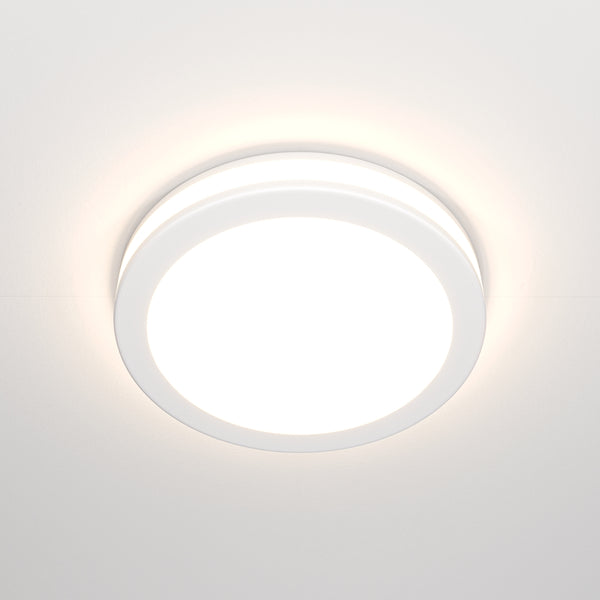
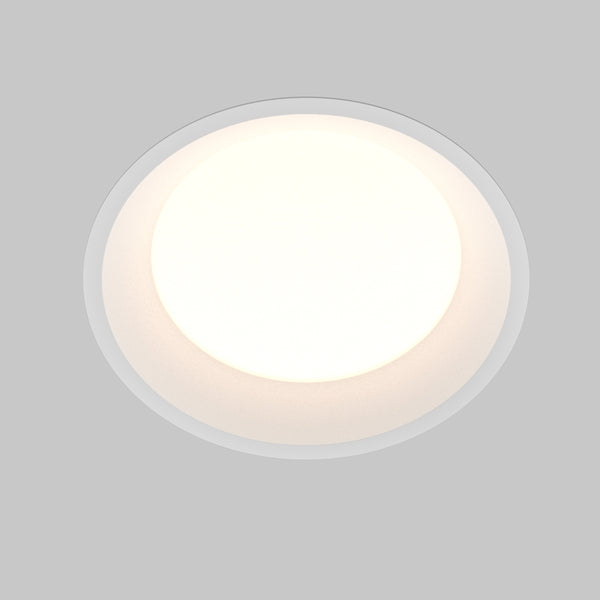
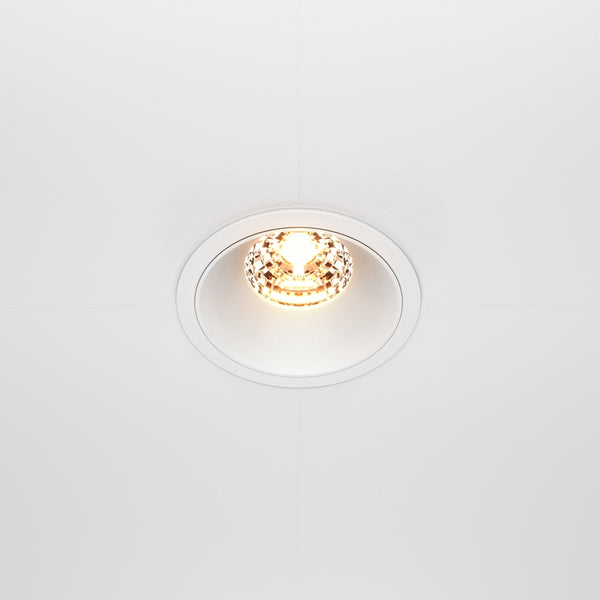
Recessed LED spotlight for a kitchen
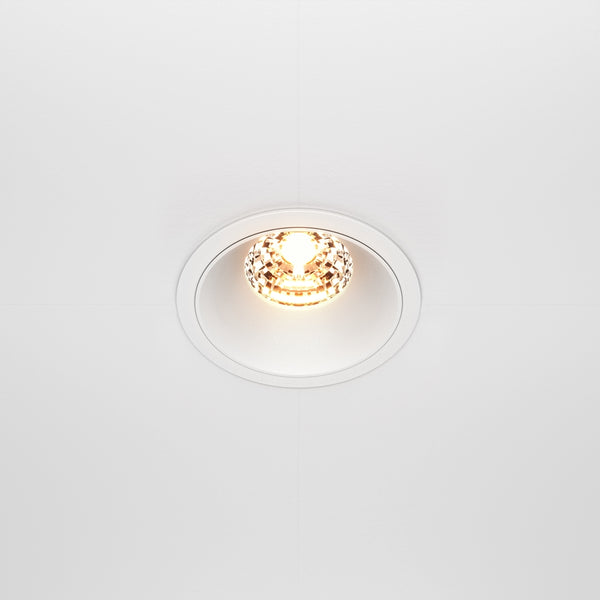
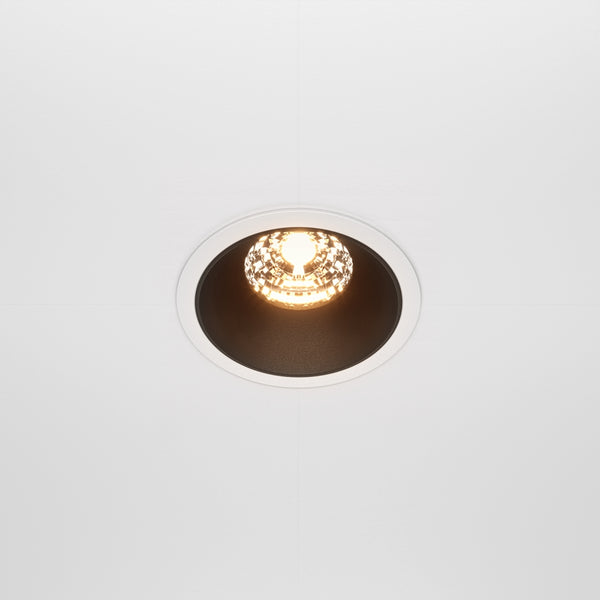
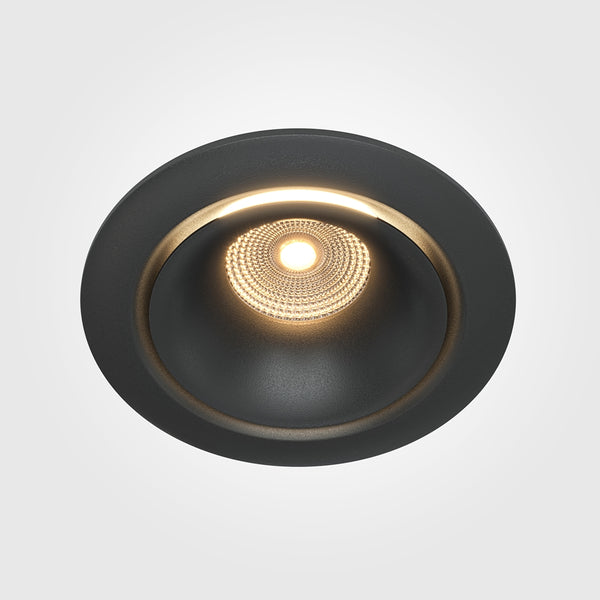
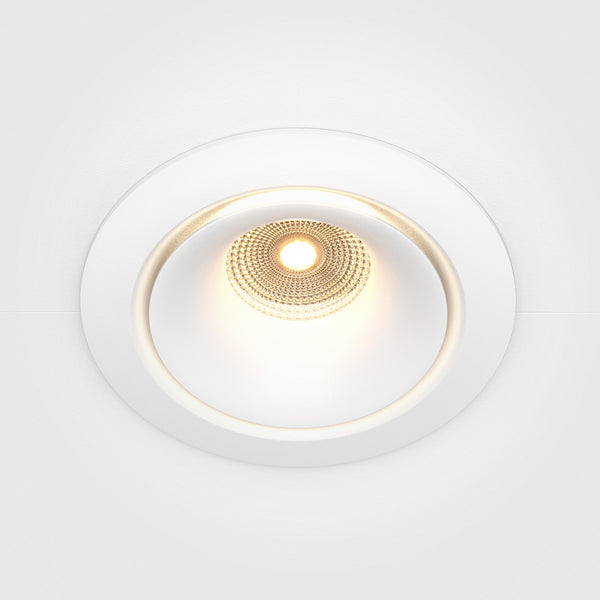
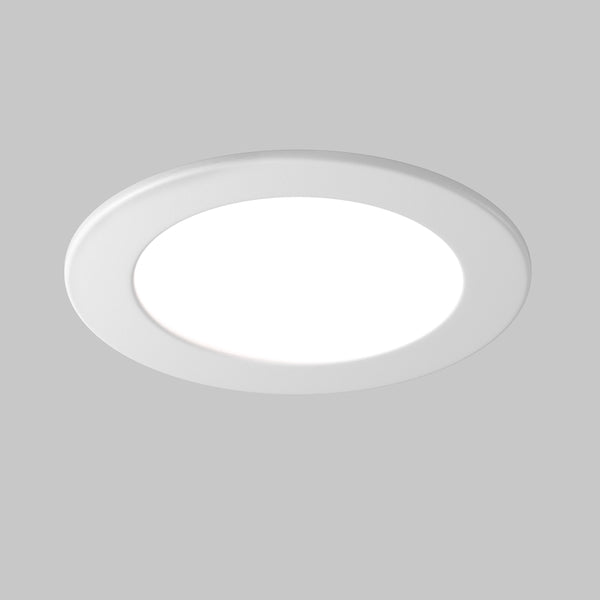
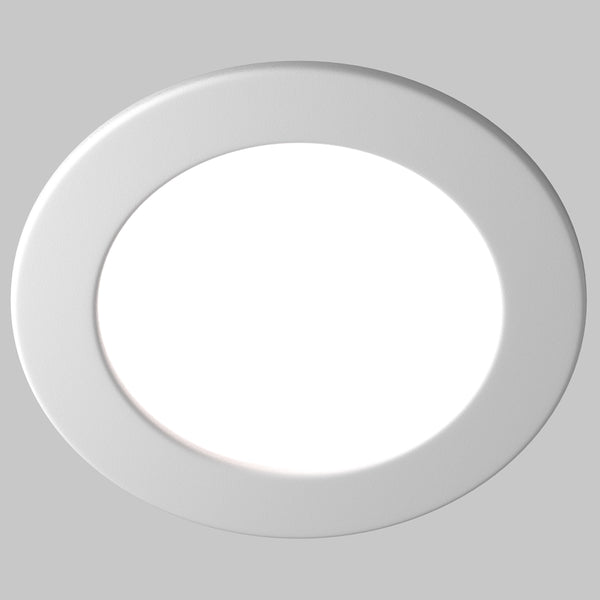
Recessed, the spotlight disappears into the ceiling and leaves only a flush circle visible. The result: no visible light point on the ceiling, and light that grazes the splashback without casting shadows on your hands. The models in this selection are IP20, the rating that suits indoor use, away from water splashes. To compare formats, browse the recessed spotlights for kitchens.
Recessed LED ceiling spotlight for a kitchen
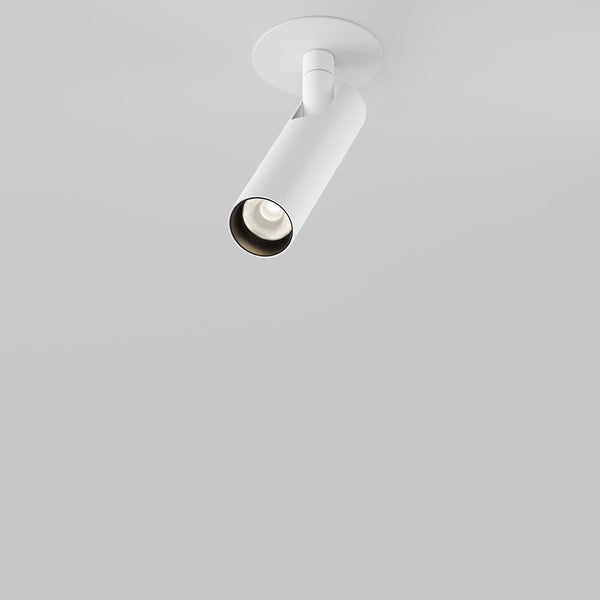
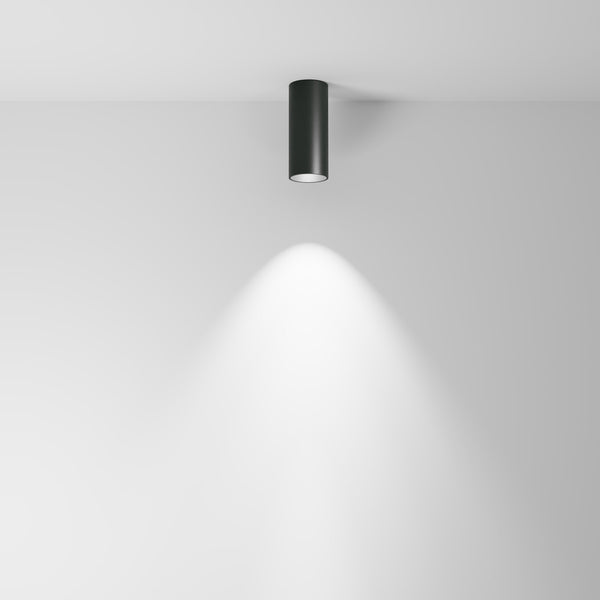
Mounted on the ceiling, the spotlight takes the form of a tube, with a 10 x 5 cm head that pivots to aim at the worktop or the basin. The recessed bar comes in 2, 3 or 4 heads depending on the length to cover. The 19 W, 30 W and 40 W outputs are spread across zones rather than piling up in the same place. Find these formats in all the LED spotlights for kitchens. For a high ceiling, a long-drop pendant above the table complements recessed spotlights better than a stack of ceiling spotlights: set the drop height to suit your comfort, then keep the spotlights aimed at the worktop and the sink.
How many LED spotlights should be installed in a kitchen?
The number is decided by zones, not at random: one or two points aimed above the worktop, one above the sink, one for the island and one for circulation. Spreading multi-head spotlights covers the room better than multiplying fixed points. The temperature is then chosen zone by zone.
| Kitchen zone | What the light needs to do | Temperature setting | Recommended spotlight type |
|---|---|---|---|
| Worktop and splashback | Directed light, with no shadow cast on your hands | Cool white 4500-6500 K | Adjustable recessed spotlight |
| Sink | A crisp point above the water area | Cool white 4500-6500 K | Adjustable spotlight, aimed at the basin |
| Central island | Cover the whole length with several points | Warm or cool white depending on use | 3 or 4 head adjustable spotlight |
| Dining corner | Warm, adjustable light | Warm white 2700-3500 K | Recessed spotlights complemented by a pendant |
| Circulation and kitchen entrance | Discreet additional lighting | Warm white 2700-3500 K | Fixed or adjustable recessed spotlights |
| Open kitchen ceiling | Flush points that blend in | Depending on the mood, with a dimmer | Recessed ceiling spotlights |
Recessed LED spotlight for kitchen units
These spotlights are mounted on the ceiling of the room, not inside the unit. The inside of a cabinet, a drawer or a niche needs a dedicated low-voltage source designed for that use. If the aim is to light the inside of a cupboard, it is better to look for another type of light fixture. To light a low unit open onto the worktop, the solution remains the recessed ceiling spotlight, aimed at the useful area.
Recessed spotlights for kitchens: how many heads?
Two heads are enough for a short length, for example a worktop on either side of an oven. Three or four heads cover a long worktop or an island, spreading the points along the whole length instead of concentrating the light in the centre. The Otéa LED spotlight with four adjustable heads meets this case, with heads that pivot independently.
How to choose an adjustable recessed LED spotlight for a kitchen
An adjustable spotlight is chosen for its pivoting ability, its number of heads and its colour. This selection offers models with 2, 3 or 4 heads, in black, white or grey, in metal, aluminium, iron or linen, dimmable where possible and with a 2 year warranty. The format of the bar shapes the result on the ceiling.
| Version | Dimensions | Head | Materials and colours |
|---|---|---|---|
| 2 heads | L 35 x W 9 x H 5 cm | 10 x 5 cm | Metal, aluminium, iron, linen; black, white or grey |
| 3 heads | L 60 x W 9 x H 5 cm | 10 x 5 cm | Metal, aluminium, iron, linen; black, white or grey |
| 4 heads | L 80 x W 9 x H 5 cm | 10 x 5 cm | Metal, aluminium, iron, linen; black, white or grey |
Recessed spotlights for kitchens: which colour and material to choose?
Black stands out on a light ceiling and fades on a dark slab; white blends into a painted ceiling; grey is the compromise between the two. On the material side, metal and aluminium give a crisp finish, iron brings a more matte tone, linen softens the line of the bar. See the black recessed finishes and the white spotlights that blend into the ceiling.
Warm white or cool white: which temperature for which zone?
Warm white 2700-3500 K suits the dining corner and circulation: soft light, without strain. Cool white 4500-6500 K lights the worktop and the sink, where you need to tell the colours of a food apart or read a scale. In the same kitchen, mixing the two temperatures in separate zones gives a coherent result; interlacing them creates unpleasant contrast. To adjust the intensity, compare the dimmable recessed spotlights. Use a dimmer compatible with LED, otherwise the light flickers.
Buy the bar in the format that matches your run, not the largest format: adjustable recessed models are chosen to match the length of the area to cover.
Kitchen ceiling light or recessed spotlights: which to choose?
A ceiling light illuminates the room from a single point, recessed spotlights spread the light across several zones and blend into the ceiling. In a kitchen, the two are often combined: spotlights aimed at the worktop, a central source for ambience and the dining corner.
Kitchen lighting: one source or several light points?
A single source is enough in a small kitchen or a room already lit by a window. As soon as the worktop creates a shadow area under the wall unit, a central point does not correct it: you need a close, directed source. That is the role of recessed spotlights. For an overview of the available families, see the entire lighting catalogue.
Open kitchen: how to light without dividing the space?
An open kitchen is read at a glance from the living room. Multiplying different sources marks the boundary between the two spaces without a partition wall. Recessed spotlights above the units, a pendant above the island, and the eye understands the function of each zone. The same layered lighting logic works to light a living room with spotlights. Modern style spotlights for kitchens keep a sober line in this type of space.
Kitchen lighting: how to combine recessed spotlights, a pendant and a chandelier?
Light in layers: recessed spotlights on the ceiling for general light and work areas, then a pendant above the island or the table, and a chandelier above the dining corner. Each layer is adjusted separately, especially with a dimmer. Sharing out the roles avoids areas that are too bright.
Kitchen pendant: how to place it above the worktop or the island?
The pendant goes above the island or the table, where you eat, and marks that zone without dazzling. It hangs low enough to enter the field of vision without crossing it, at support height above the worktop. Recessed spotlights stay on the ceiling for circulation, which avoids lighting a dining table too strongly.
Modern kitchen chandelier: where to position it in an open kitchen?
The chandelier lights the dining corner or an open kitchen, and recessed spotlights take over above the worktop. Avoid stacking the two in the same zone, so as not to create points that are too bright. The chandelier goes on the axis of the table, not the axis of the sink. This layered logic also appears in bedroom spotlights and in the hallway spotlights.
Modern kitchen decor: which light to choose?
Modern kitchen decor relies on discreet sources and clean lines: recessed spotlights flush with the ceiling, in black, white or grey, aimed at the useful areas. A dimmer lets you move from working light to a softer mood. Modern kitchen decoration is as much about light as about materials.
LED spotlights for kitchens: how to match them to an open kitchen?
Aligning the spotlight bars with the length of the worktop, not the length of the room, keeps a regular rhythm on the ceiling. The straight lines of tube-shaped spotlights match straight units and clean surfaces. For a more elaborate mood, the spotlights with elaborate design and the modern style spotlights for kitchens keep the same discreet line.
Black or white finish: what effect on the ceiling?
Black draws a crisp, almost graphic outline and becomes part of the ceiling. White fades away and leaves only the light visible. In a kitchen with dark units, a black ceiling stays coherent; on a low, light ceiling, white lightens. Grey slips between the two, useful when the room mixes light wood and metal.
How to install and maintain a recessed LED spotlight in a kitchen
Installation starts with the ceiling cut-out, then the spotlights are wired to the room circuit; IP20 suits indoor use, away from water splashes. The dimmer must be compatible with LED, and maintenance is limited to dry dusting. Wiring is done with the power off, on a circuit dedicated to lighting.
Do kitchen spotlights need a dimmer?
A dimmer is not compulsory, but it changes how you use them: bright light for cooking, low light for a late meal or a room crossed in the evening. All the models in this selection accept a dimmer, provided the module is designed for an LED load. An old dimmer made for a filament bulb makes the LED flicker and shortens its life. See the dimmable recessed variants.
How to maintain a recessed LED spotlight?
An LED is not replaced like a bulb: it is cleaned. A soft, dry cloth on the glass and the ring is enough, without products or abrasive sponges. In a kitchen, cooking grease settles on the lens and reduces the output; regular cleaning keeps the same light. The selection is covered by a 2 year warranty, and the adjustable LED spotlights can be set after cleaning without dismantling. A wall light can also complement a free wall near the worktop, when the ceiling does not allow another recessed point.
Secure payment, tracked delivery, returns and Designix customer service: everything needed to equip a kitchen with peace of mind, from mapping the zones to installation. Browse the adjustable recessed models to choose the number of heads suited to your worktop.
Frequently asked questions
How many LED spotlights should be installed in a kitchen?
The count is done by zones: one or two points aimed at the worktop, one above the sink, one or two for the island, one for circulation and a source for the dining corner. Spreading adjustable spotlights covers the room better than a single central light.
Which type of LED for a kitchen?
Integrated LEDs, available in warm white 2700-3500 K for soft light and cool white 4500-6500 K for working with precision. The 19 W, 30 W and 40 W outputs cover the different zones, and the dimmer lets you modulate the mood.
Kitchen ceiling light or recessed spotlights: which to choose?
The ceiling light illuminates the room from a single point, recessed spotlights spread the light across several zones and stay discreet on the ceiling. In a kitchen, they are often combined: spotlights aimed at the worktop, a ceiling light for general lighting and the dining corner.
Kitchen pendant: how to combine it with recessed spotlights?
The pendant goes above the island or the table, where you eat, and marks that zone without dazzling. Recessed spotlights stay on the ceiling for the worktop and circulation, which avoids lighting a dining table too strongly.
Modern kitchen chandelier: is it compatible with recessed spotlights?
Yes, provided the roles are shared out: the chandelier lights the dining corner or an open kitchen, the recessed spotlights take over above the worktop. Avoid stacking the two in the same zone, so as not to create points that are too bright.




