Waterproof spotlights



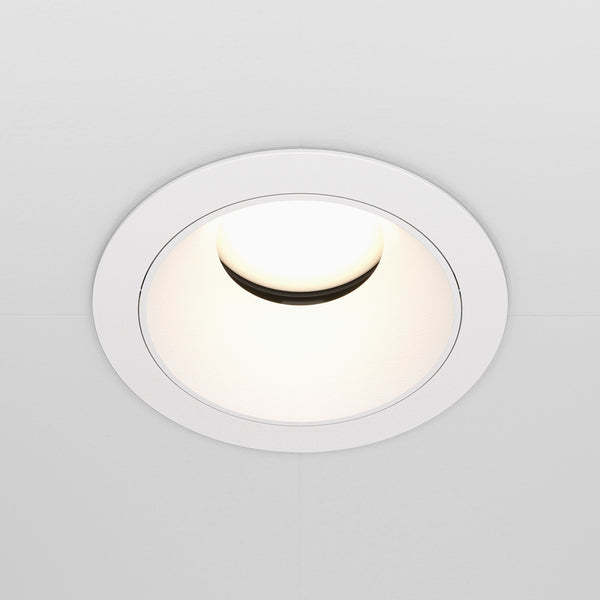






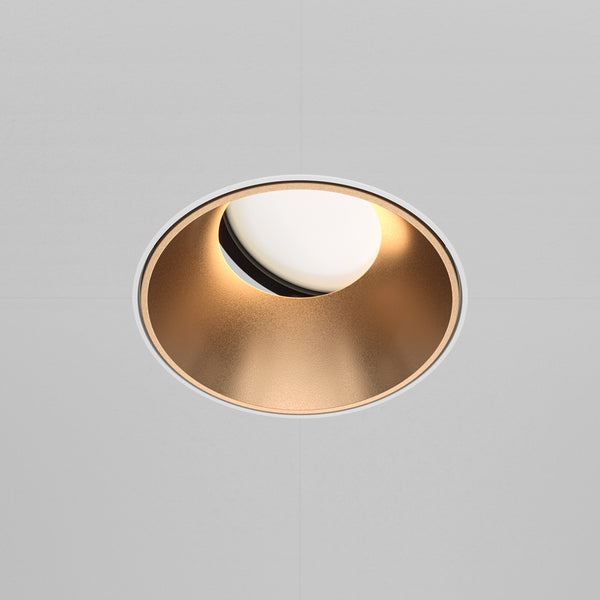

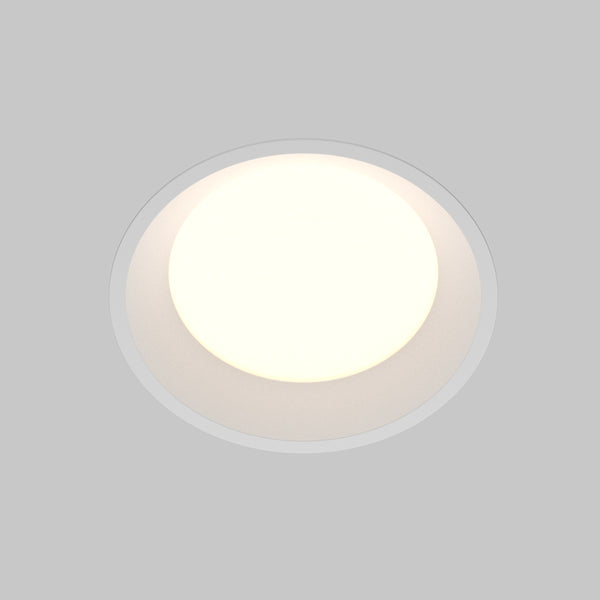


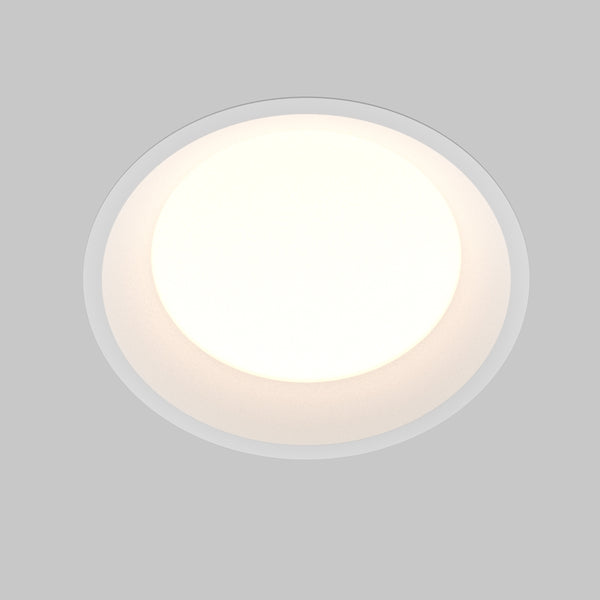


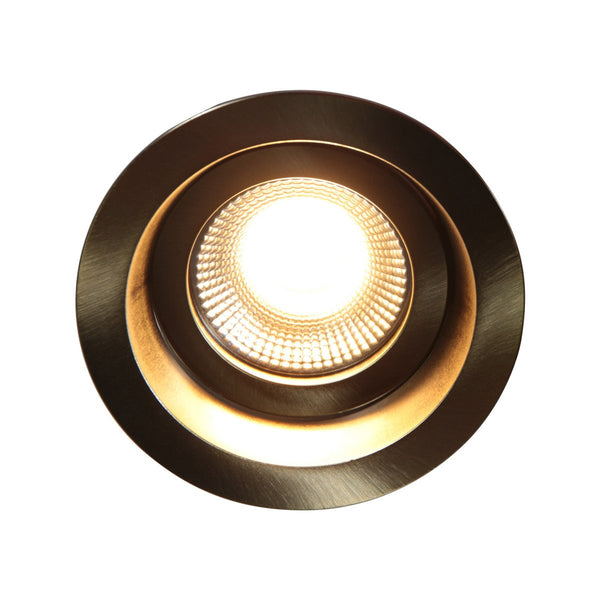


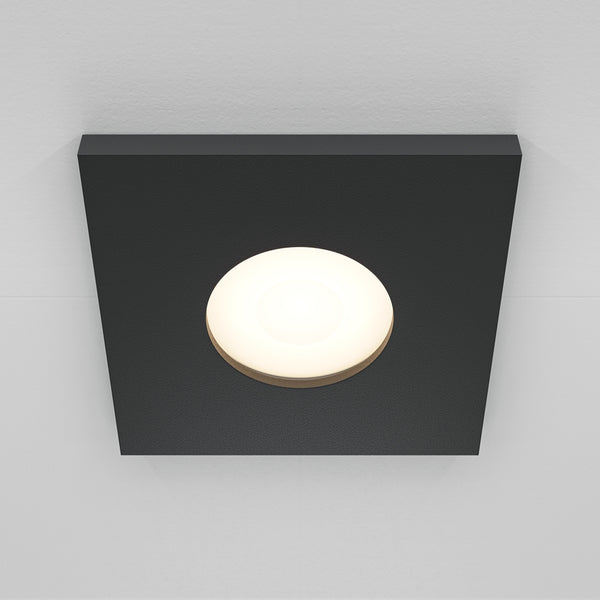

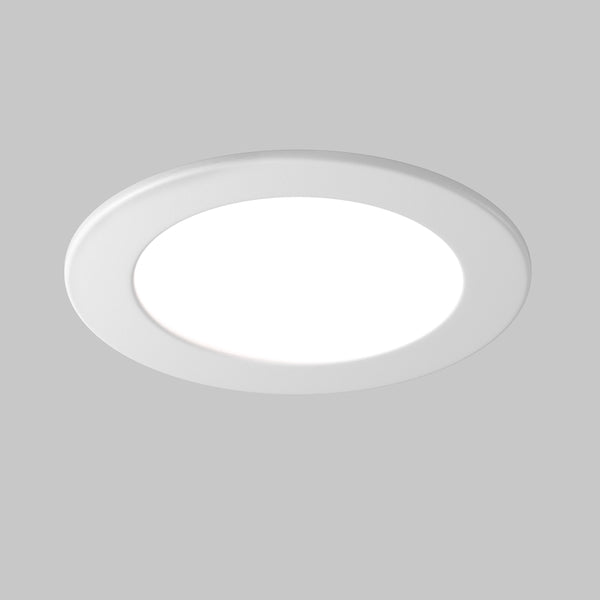
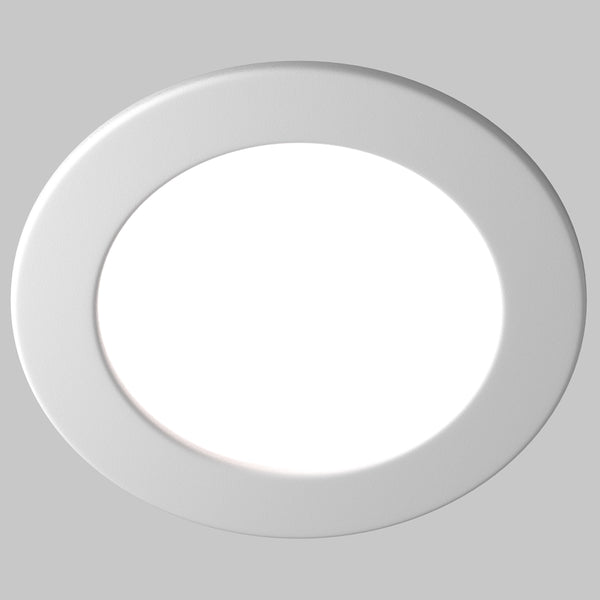


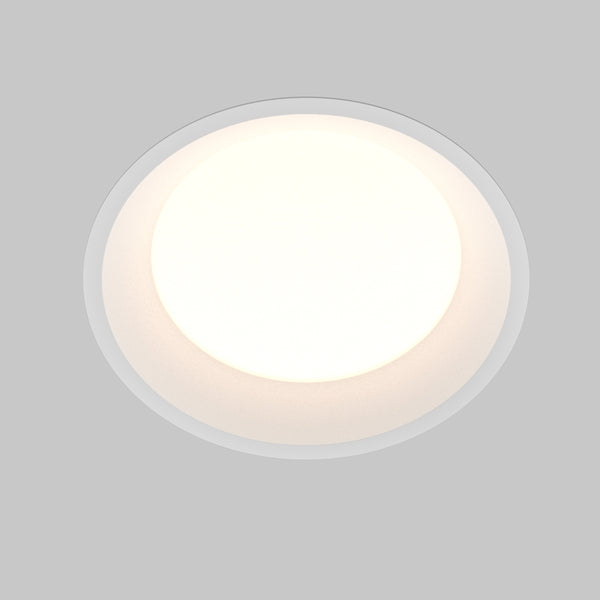












- Tracked delivery to your country Tracked delivery
- Secure payment at checkout Multiple payment methods
- 14 days to change your mind 14-day returns
- Secure payment Secure payment
Not sure of your style? Find it in 30 seconds
A few questions, and we will show you the pieces made for you.
Frequently asked questions
How do I choose the right light output?
At what height should the light be installed?
What type of bulb?
Compatible with LEDs and dimmers?

Light changes everything
From statement chandeliers to discreet wall lights, we help you choose the right brightness, height and style for every room.
- Tracked delivery
- Pay in instalments, where available
- 14 days to change your mind
- Advice & showroom in Lyon, France
An outdoor spotlight is chosen first by its ingress protection rating: IP20 in dry rooms, IP44 where water can splash, IP65 near the shower or outdoors. Then come the socket, the ceiling cutout and the colour temperature, which decide the finish as much as the installation.
Which IP rating to choose for a waterproof spotlight?
A waterproof spotlight is chosen first by its ingress protection rating. IP20 suits dry rooms such as the living room or hallway, IP44 resists water splashes in a bathroom or kitchen, and IP65 withstands water jets in the most exposed areas.
| IP rating | What it protects against | Suitable areas | Share of the selection |
|---|---|---|---|
| IP20 | No protection against water | Dry rooms: living room, hallway, entrance | 33% of models |
| IP44 | Resists water splashes | Bathroom away from direct jets, kitchen, damp room | 53% of models |
| IP65 | Resists water jets | Around the shower and bathtub, highly exposed areas | 13% of models |
Waterproof bathroom spotlights: IP44 or IP65?
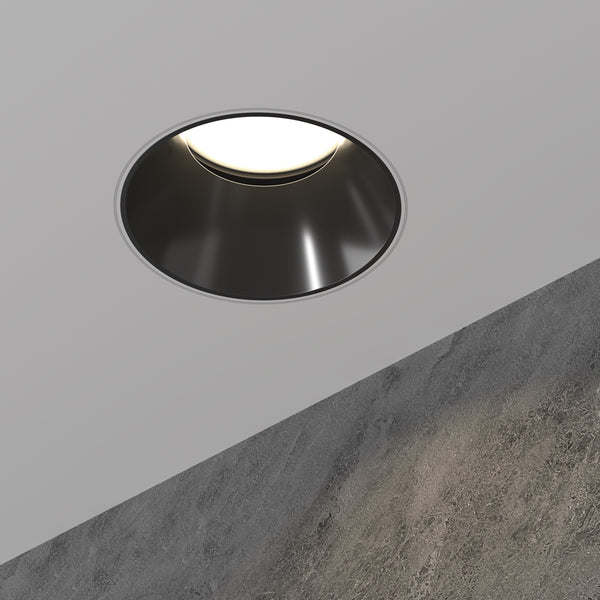
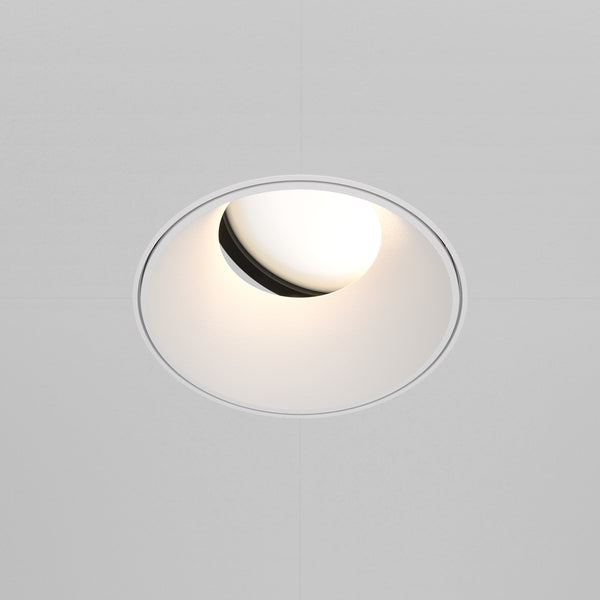
The question is settled not by the name of the room but by the distance to the water point. Away from the shower, an IP44 spotlight is enough: it absorbs splashes and condensed steam. Above or very close to the bathtub, switch to IP65. Many IP44 models such as Livtorora, the minimalist version work elsewhere in the bathroom, and you will find other finishes in white recessed spotlights.
Outdoor spotlights: what IP65 guarantees
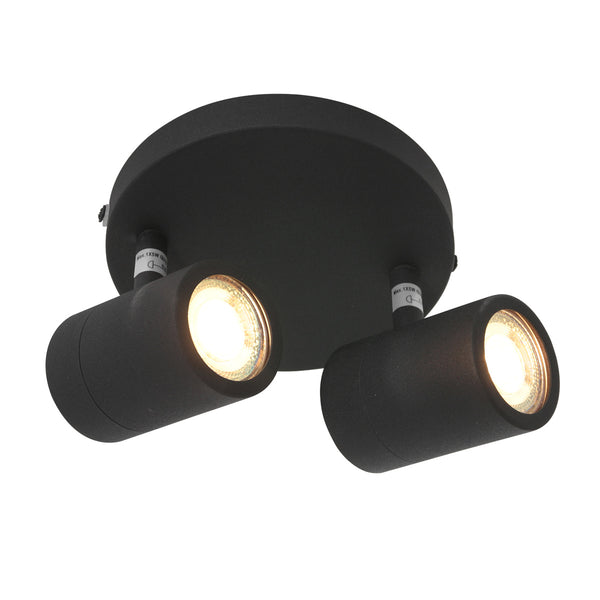
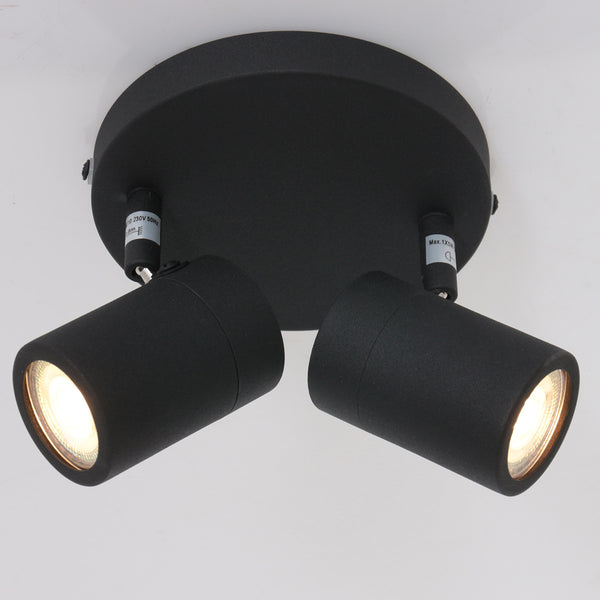
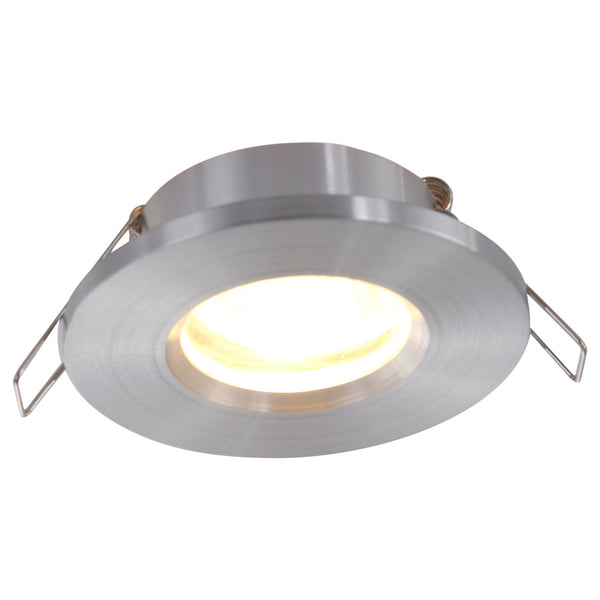
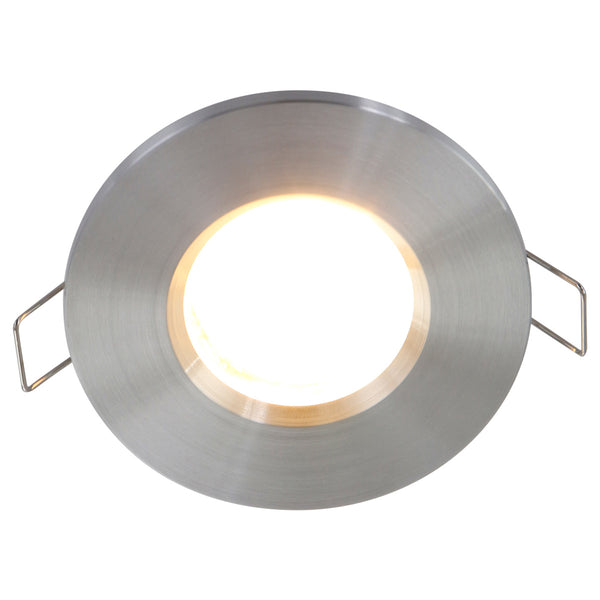
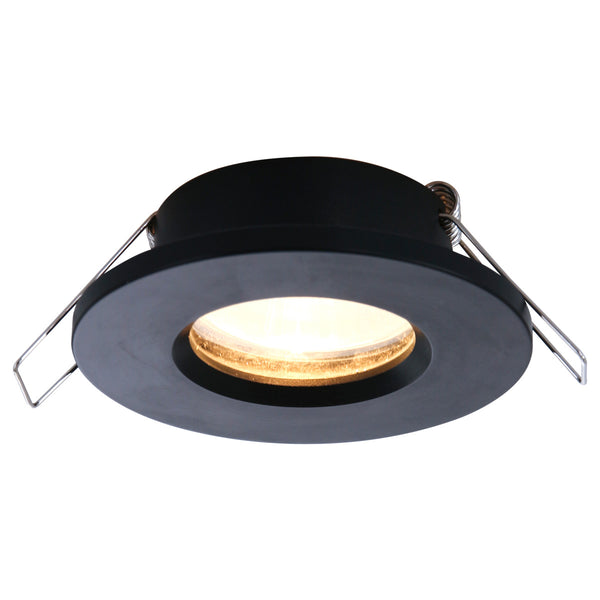
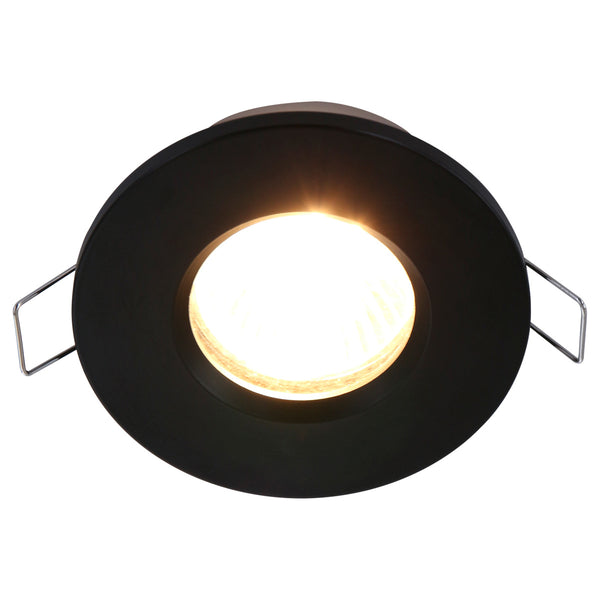
IP65 means the spotlight resists water jets and dust: this is the rating to aim for under a canopy, on a sheltered facade or near a water feature. The Cervo IP65 spotlight comes in a round or square version, in aluminium and black, with a replaceable GU10 bulb. To stay in this family, see black LED spotlights.
Which rooms to install waterproof spotlights in?
The spotlights in this selection are mostly installed in the living room and hallway, then in the entrance, kitchen and bathroom. In dry rooms, IP20 is enough; as soon as there is humidity or water splashes, move up to IP44 or IP65.
Waterproof spotlights in a hallway: guiding without glare
In a hallway, the spotlight works as grazing light: it draws a path on the floor without sending light into your eyes. An opal diffuser model such as Rusco softens the effect, whereas a spotlight with a flush trim marks the ceiling less. Find these models in spotlights designed for hallways and, for the living area, in LED lighting for a living room.
Waterproof spotlight in the entrance and kitchen: the useful zones
In an entrance, two or three points are enough to define the walkway and the storage area. In a kitchen, IP44 becomes relevant above the sink and the hob, where water and steam circulate. The rest of the room can stay IP20. The versatile models in this selection, in metal and IP44, suit these six rooms without changing reference. See kitchen LED lighting.
How to arrange spotlights on the ceiling?
Spotlights are arranged according to the areas to be lit, not the centre of the room: a regular alignment along the walkways, tighter points above a worktop. The spacing between two spotlights is set by the surface to be covered and the ceiling height.
Recessed waterproof spotlights: checking the cutout and insulation
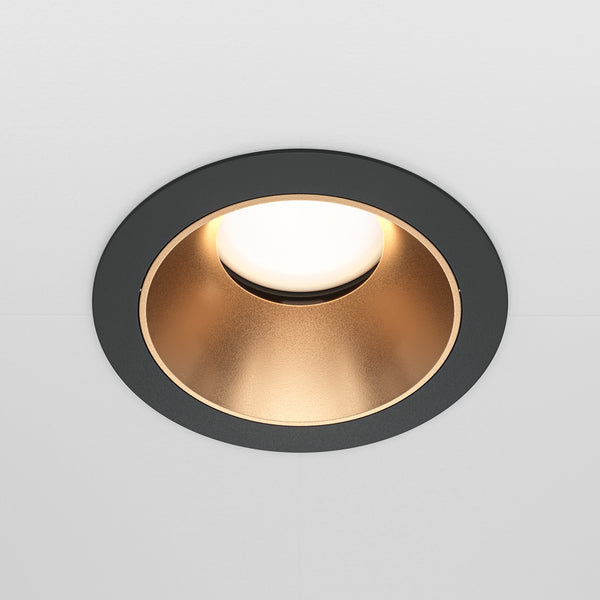
Before drilling, note three dimensions from the product sheet: the cutout diameter, the housing depth and the visible diameter. A spotlight with an 8.5 cm diameter and an 11 cm square do not occupy the same ceiling, and the depth decides whether the spotlight fits under a joist or insulation. Compact shapes can be found in modern style spotlights.
Airtight spotlights and insulated ceilings
In an insulated ceiling, a recessed spotlight creates a perforation in the air barrier. Installation requires housing the unit without compressing the insulation and maintaining the continuity of the seal. Not all models lend themselves equally to this exercise: the depth and shape of the housing, indicated on the product sheet, are the first points to compare. See also metal spotlights.
How many spotlights in a kitchen?
There is no fixed number: it all depends on the surface, the ceiling height and the areas to be covered. Work by use, with circulation lighting in the centre and dedicated points above the worktop, cross-referencing the flux stated on the product sheet with the surface to be covered.
LED spotlights for the kitchen: which light temperature?
Two families in the selection: warm white, around 2700 to 3500 K, and neutral white, around 3500 to 4500 K. The first warms a dining corner, the second renders colours accurately on a worktop. A single space can mix both, provided they are not placed side by side on the same alignment.
Lighting the worktop rather than the centre of the room
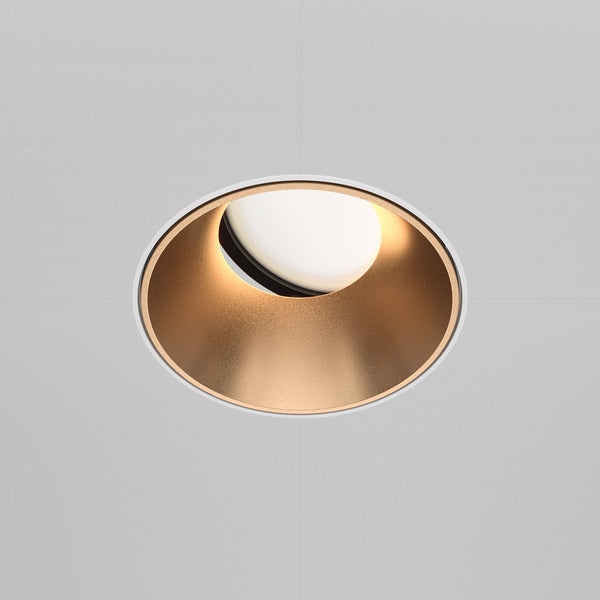
Light falls better if it comes from slightly in front of the area to be lit: it is your body, not the spotlight, that decides the cast shadow. Place the points in front of the worktop, not directly above your head. A 17 cm square such as Albora, the square recessed spotlight covers a wide area, and adjustable models can be found in adjustable models.
How to wire spotlights in series or in parallel?
Parallel wiring is the reference: each spotlight remains independent, so a failure does not switch off the others. Series wiring makes the points dependent on each other and is not suitable for domestic lighting. The connection then depends on the socket, GU10 on a holder or integrated LED with a driver.
GU10 spotlight or integrated LED: what difference in wiring?
A GU10 socket relies on a bulb holder: the bulb can be changed without touching the wiring, and the power supply stays at 230 V. Integrated LED encloses the source in the housing, with its electronics, and the whole spotlight is replaced the day it fails. Half the selection in each family, a choice of maintenance as much as of light. See dimmable spotlights for compatible versions.
Do you need a transformer or a driver?
A spotlight with a GU10 socket works directly on the mains and does not require a transformer. An integrated LED model carries its own driver, or receives it separately depending on the reference: the product sheet is the reference. In both cases, connection to the mains must be done with the power off and by a professional.
What power and light for a waterproof spotlight?
The power ratings in the selection range from 7 W to 24 W, with a majority of 10 W models. The effect also depends on the colour temperature: warm white between 2700 and 3500 K for a living area, neutral white between 3500 and 4500 K for a worktop.
What power for an outdoor LED spotlight?
Power is read together with the surface and the mounting height: a 7 W point lights a ledge or a small volume, a 24 W washes a wide area on a high ceiling. Many 10 W models handle the common role of circulation or living area. The flux, however, varies from one reference to another: only the product sheet gives the right value. See designer LED spotlights.
Warm white or neutral white: how to decide?
Warm white creates an end-of-day atmosphere, neutral white gives a crisper light for cooking, working or reading. In this selection, warm white dominates by far, with neutral white remaining a minority. If the use changes from one hour to the next, a controllable version settles the question: see dimmable recessed spotlights.
Which material, colour and shape to choose for a waterproof spotlight?
Aluminium dominates the selection, ahead of plastic and metal, with a few glass models. In terms of colour, white is the majority and black more graphic; in terms of shape, round remains the standard and square brings a stronger design to the ceiling.
| Value | Category | Share of the selection |
|---|---|---|
| Aluminium | Material | 70% |
| Plastic | Material | 43% |
| Metal | Material | 20% |
| White | Colour | 73% |
| Black | Colour | 23% |
| Round | Shape | 77% |
White or black waterproof spotlight: which colour for the ceiling?
White disappears into a painted ceiling and leaves only the light visible, the most common choice. Black draws a deliberate grid that structures a high ceiling or matches dark joinery. A white with a black ring, such as Lysan, plays on both. Compare black recessed models and white LED spotlights.
Round or square: which spotlight shape to choose?
Round is the standard and aligns easily along a hallway. Square marks a crisper design and is often used in a kitchen or entrance, where its orientation follows the lines of the furniture. The two are rarely mixed on the same ceiling: better to stick to one family, then adjust the sizes. The whole catalogue can be browsed in all our light fixtures.
What to check before ordering a waterproof spotlight
Three points decide a successful delivery: the ingress protection rating suited to the room, the socket (replaceable GU10 or integrated LED) and the cutout of the recessed model. The warranty is a good indicator of reliability, covering 5 years on most of the selection.
A model with a flush trim such as Ivyra, or a compact square such as Ondsamilo, is chosen mainly on its dimensions: visible diameter, cutout, housing depth. Note them down before confirming your basket, then check that the planned number of points covers every area of the room.
To go further in choosing a style, browse the world of light fixtures and designer spotlights.
- Secure payment
- Tracked delivery
- Returns
- Designix customer service
Choose your white recessed spotlights now and finalise your layout room by room.
Frequently asked questions about waterproof spotlights
What is the standard for IP65 spotlights in the bathroom?
There is no single value: the rule is to choose the rating according to the distance to the water point. An IP65 spotlight resists jets and is placed near the shower or bathtub; further away, an IP44 is enough. Have the layout approved by your electrician.
Is it possible to install IP44 spotlights in a bathroom?
Yes, provided they stay outside the areas directly exposed to water jets. IP44 protects against splashes, which covers most of a bathroom. Near the shower or above the bathtub, an IP65 model is preferable.
Which outdoor LED spotlight to choose?
For outdoors, the ingress protection rating is the first criterion: an IP65 model resists water jets and humidity. Then check the material, with aluminium being the most represented here, the power suited to the surface to be covered and the possibility of replacing the source.
What is the average lifespan of an LED spotlight?
It depends on the technology of the model and its use. In this selection, the warranty covers 5 years on most references, which gives an indication of reliability. For a lifespan expressed in hours, the value is on the relevant product sheet.
What are the drawbacks of LED lamps?
An integrated LED cannot be replaced: when the source fails, the whole spotlight is changed, whereas a GU10 socket model accepts a new bulb. Colour temperature also affects the atmosphere, with neutral white appearing colder than warm white.
Is 1000 lumens enough to light well?
It all depends on the surface to be lit and the mounting height. For accent lighting or a limited area, it is more than enough; to cover a large room, better to spread several points rather than rely on a single high flux.
Is 2000 lumens a lot?
It is a high flux, justified on a large surface or a high mounting. For accent lighting or in a small volume, it becomes uncomfortable. The right reflex is to compare the stated flux with the surface and add a dimmer if the need changes.
How many lumens are needed to light an outdoor area?
There is no single value: it depends on the surface, the mounting height and the intended use, security or highlighting. Compare the flux stated on the product sheet with the volume to be covered and favour several points rather than a single very powerful source.