3000K Spotlights
- Tracked delivery to your country Tracked delivery
- Secure payment at checkout Multiple payment methods
- 14 days to change your mind 14-day returns
- Secure payment Secure payment


Not sure of your style? Find it in 30 seconds
A few questions, and we will show you the pieces made for you.











































Frequently asked questions
How do I choose the right light output?
At what height should the light be installed?
What type of bulb?
Compatible with LEDs and dimmers?

Light changes everything
From statement chandeliers to discreet wall lights, we help you choose the right brightness, height and style for every room.
- Tracked delivery
- Pay in instalments, where available
- 14 days to change your mind
- Advice & showroom in Lyon, France
A 3000K spotlight gives off warm white light, within the 2700 to 3500 K range found across this entire selection, and suits both the living room and the kitchen. It includes linear track spotlights in aluminium, adjustable pendant cylinders and spotlight ceiling fixtures, in black or white, to light without harshness.
What is a 3000K spotlight and what light does it give?
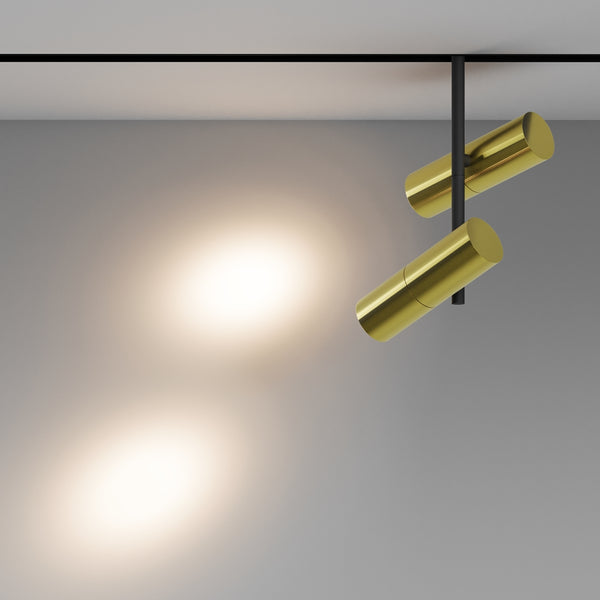
A 3000K spotlight produces warm white light, within the 2700 to 3500 K range found on the models in this selection. This slightly golden white is softer than a 4000 K and very far from a 6000 K: it lights without harshness and stays comfortable in the evening.
3000K warm white spotlight: what it changes in the room
The yellow-leaning tint warms light materials, wood, linen, off-white paint. It makes faces more flattering than a neutral white and tires the eye less when reading for a long time. All the models in this collection are listed as warm white, from the Oska linear spotlight to the Ulvora pendant cylinder.
3000K or 4000K spotlight: how to decide
4000 K is a neutral white, whiter, found in offices and work rooms. If your room is mainly used in the evening, stay with warm. If you want a crisp result for DIY or work, a neutral white is defensible. All the home lighting covers both tints.
| Temperature | Rendering | Where you find it |
|---|---|---|
| 2700 to 3500 K | Warm white, golden tint | All the spotlights in this collection |
| 4000 K | Neutral white, whiter | Workspaces, offices |
| 6000 K | Cool white, close to daylight | Technical rooms, outdoors |
How to arrange spotlights on the ceiling?
Start from the centre of the room or the axis of the worktop, then space the points out to avoid shadow areas and unnecessary overlaps. In a living room, parallel lines are better than a single point; in a kitchen, spotlights go above the worktop, not behind the person chopping.
Lines of aligned spotlights or points spread one by one
A regular alignment, parallel to the walls, gives even light and is easy to spot on the ceiling. Points placed one by one follow the furniture and the areas to be lit, at the cost of a less readable design. Adjustable spotlights allow both approaches, by correcting the direction after installation.
Lighting the worktop without cast shadow
Place the points between you and the area to be seen, never behind your back: otherwise your silhouette casts a shadow on the board. This is the first thing to check in a kitchen, even before power. Kitchen spotlights are designed for this constraint.
Is 3000 K a good light for a living room?
Yes, 3000 K suits the living room: it is a warm white, restful in the evening and sharp enough for reading. The whole selection is listed as warm white, from the 12 W linear track spotlight to the 5 W adjustable pendant cylinder, with powers going up to 24 W.
3000K spotlight for living room: what format and what power
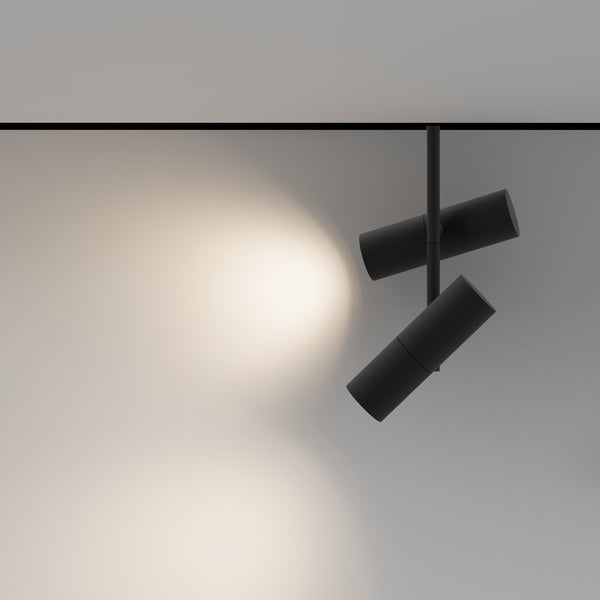
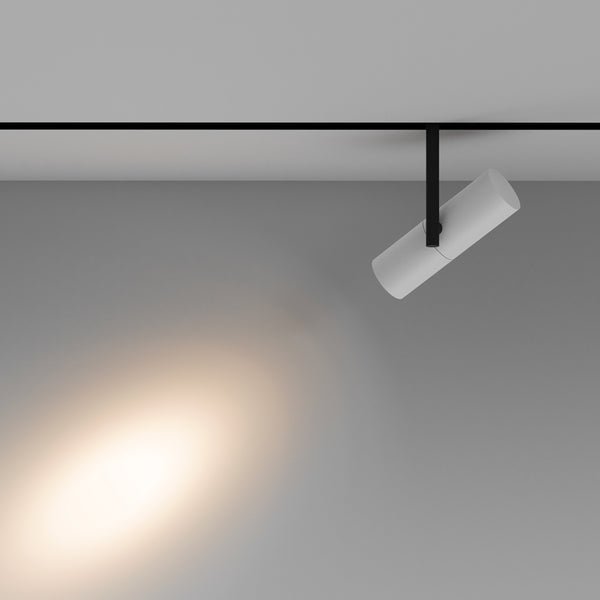
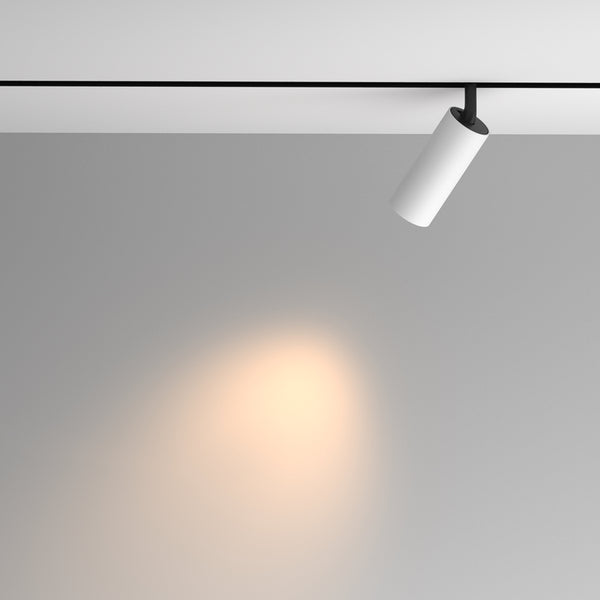
In a large living room, a linear track spotlight lights continuously and follows the furniture. In a smaller room, an adjustable pendant cylinder is enough and can be aimed at a picture or an armchair. For reading, aim a point at your seat rather than a wash of light on the ceiling.
Living room and kitchen: keeping the same light temperature
An open living space reads better with a single tint: two different temperatures create a visible border between zones. As the whole collection stays in warm white, the transition from living room to kitchen is not visible. See living room lighting and contemporary kitchens.
Track spotlight, pendant cylinder or spotlight ceiling fixture: which format to choose?
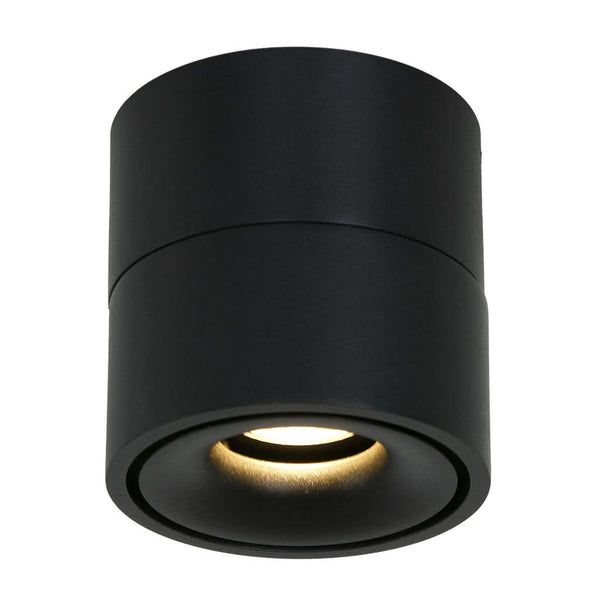
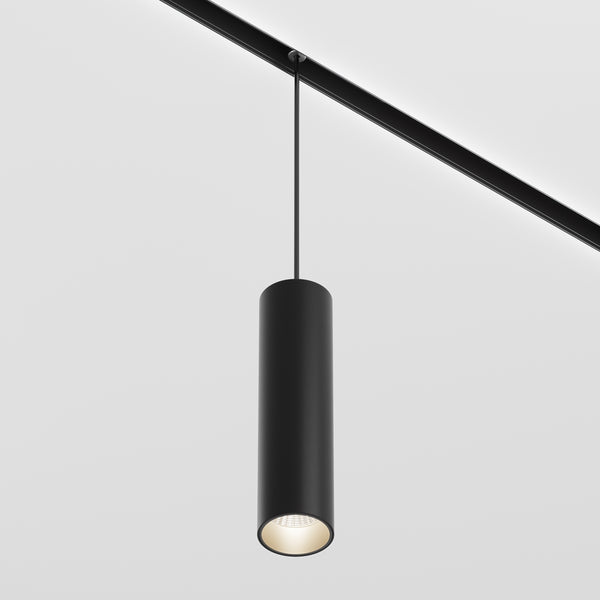
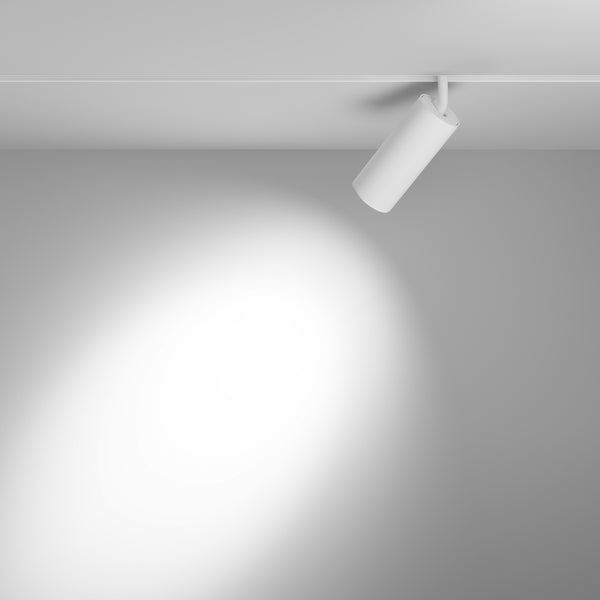
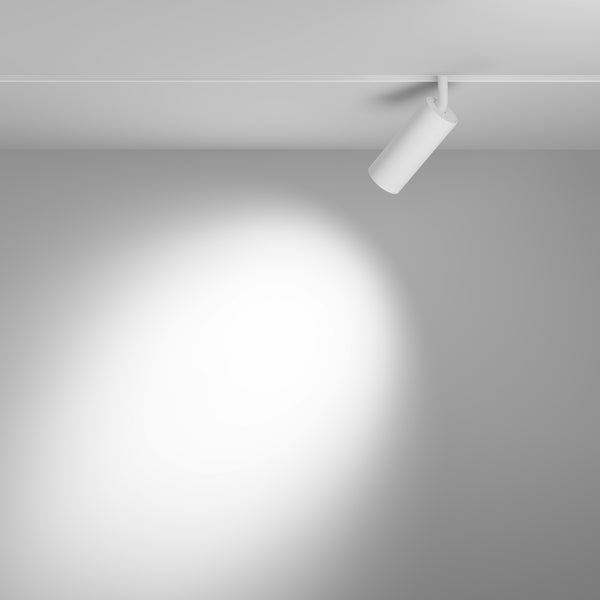
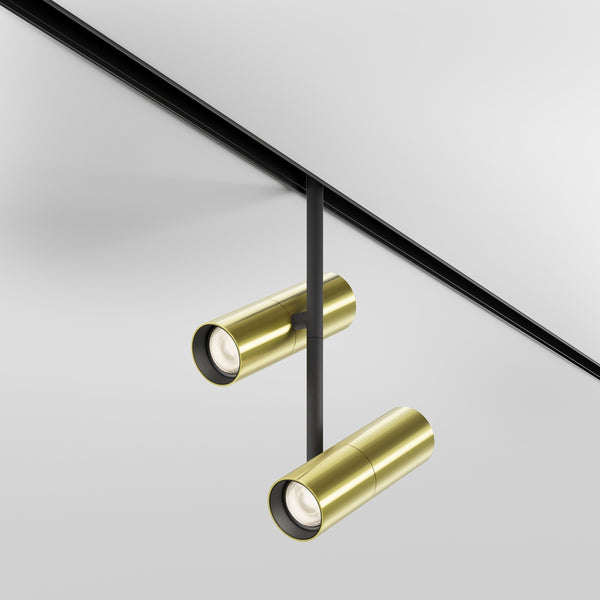
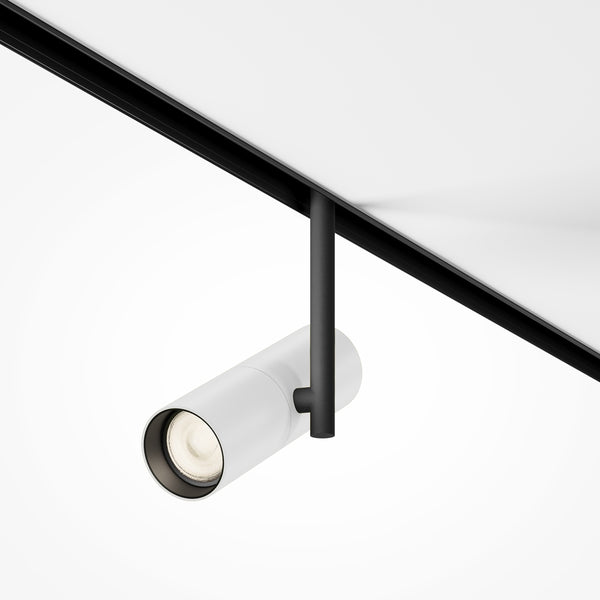
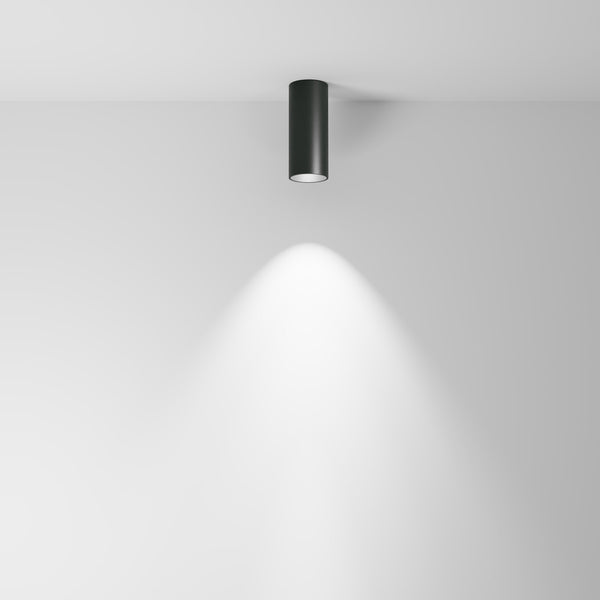
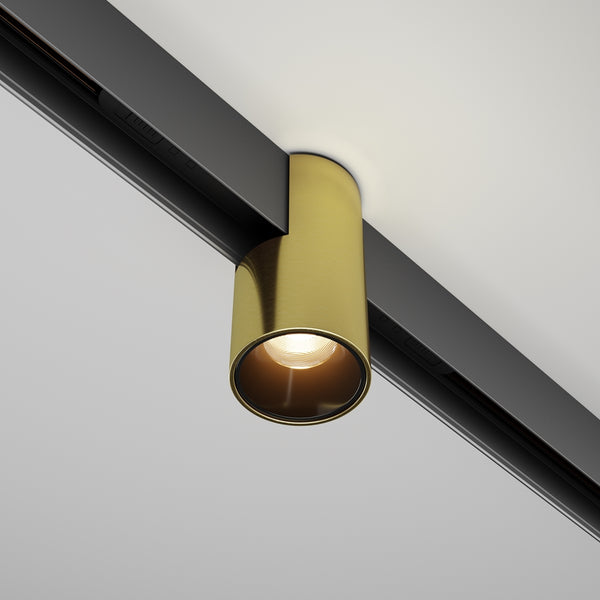
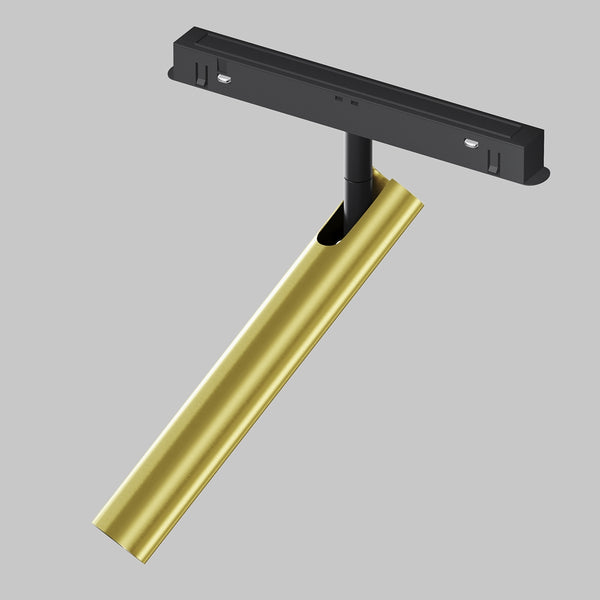
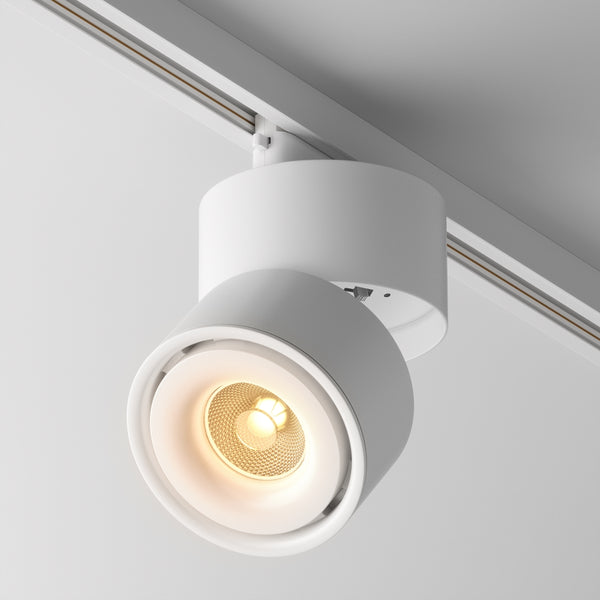
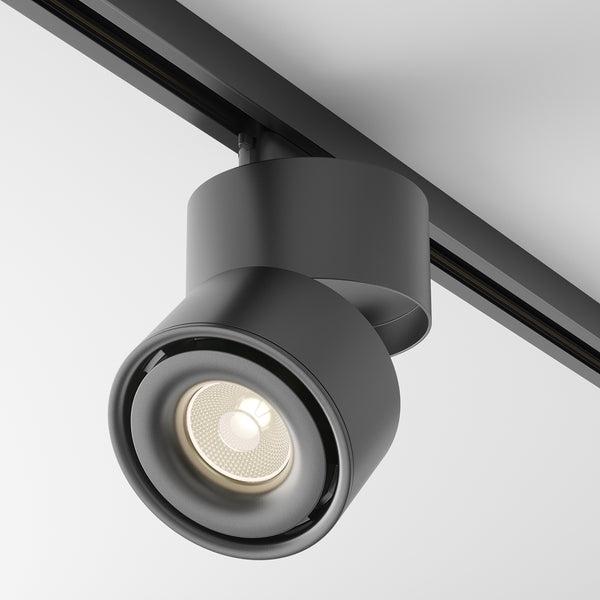
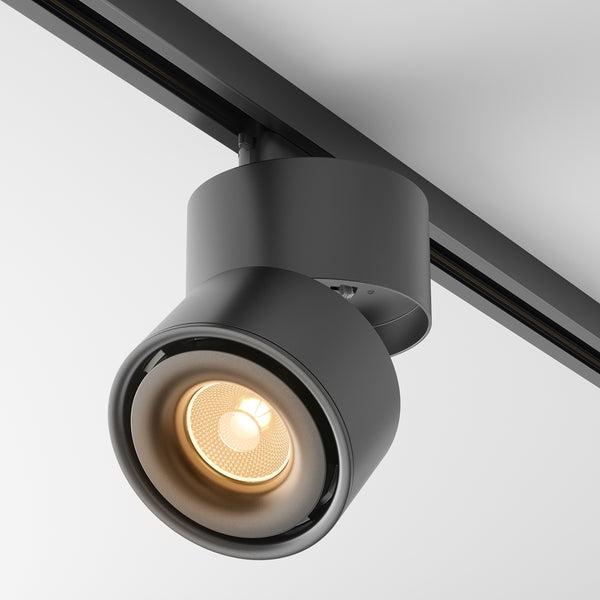
The linear track spotlight lights a living room or kitchen continuously; the adjustable pendant cylinder stands out and can be aimed precisely; the spotlight ceiling fixture, with one or two heads, replaces a central light point. The choice comes down to useful orientation and the space available on the ceiling.
| Format | Materials | Base | Recorded powers | Listed rooms |
|---|---|---|---|---|
| Linear track spotlight | Aluminium | LED | 6 W to 16 W | Living room, kitchen |
| Adjustable pendant cylindrical spotlight | Aluminium | LED | 5 W and 20 W | Living room, kitchen |
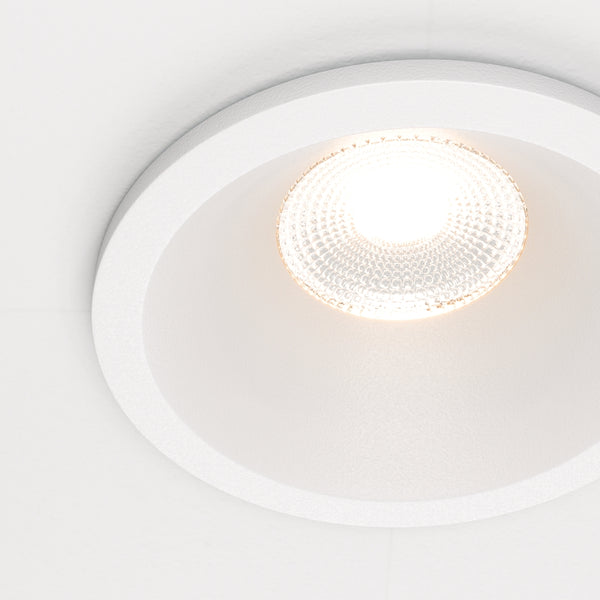
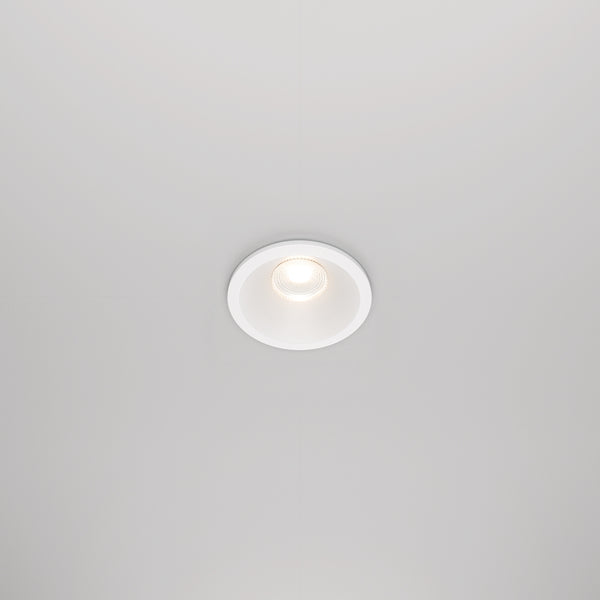
| Adjustable spotlight ceiling fixture | Plastic and metal | GU10 | 10 W | Living room, kitchen, hallway, entrance, dressing room |
| Two-head adjustable spotlight | Plastic and metal | LED | 2 x 8 W | Kitchen, hallway, living room, entrance, dressing room |
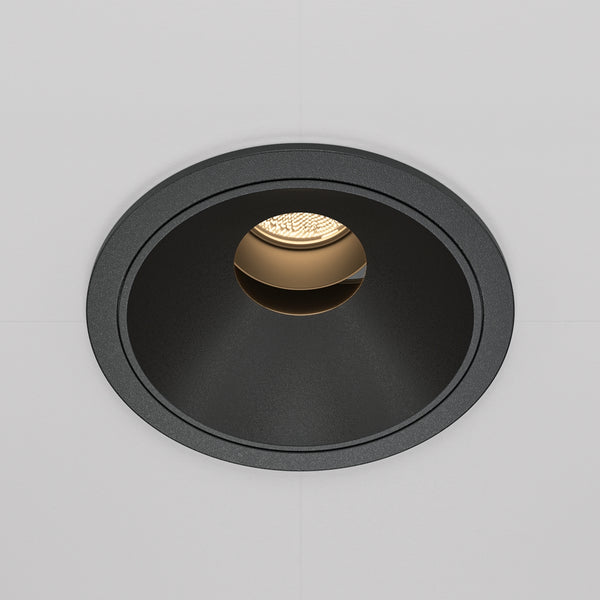
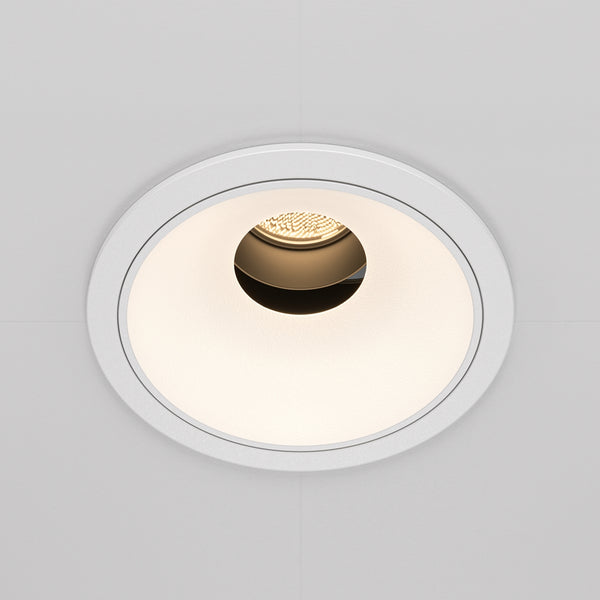
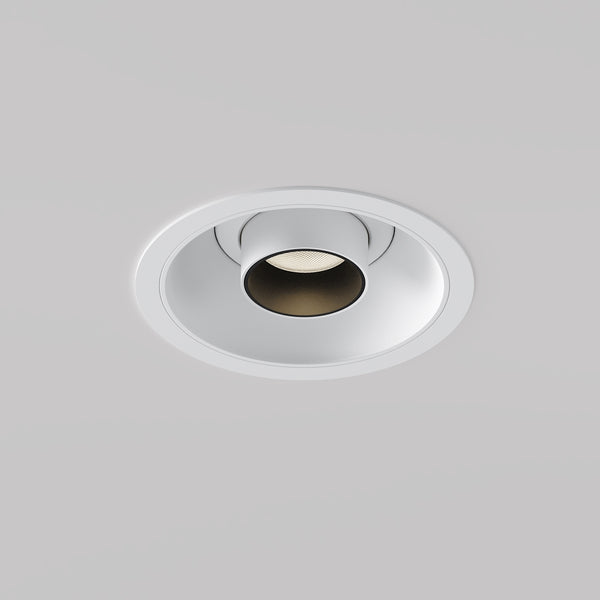
| Adjustable spotlight with faceted reflector | Plastic and metal | LED | 8 W | Living room |
3000K LED track spotlight
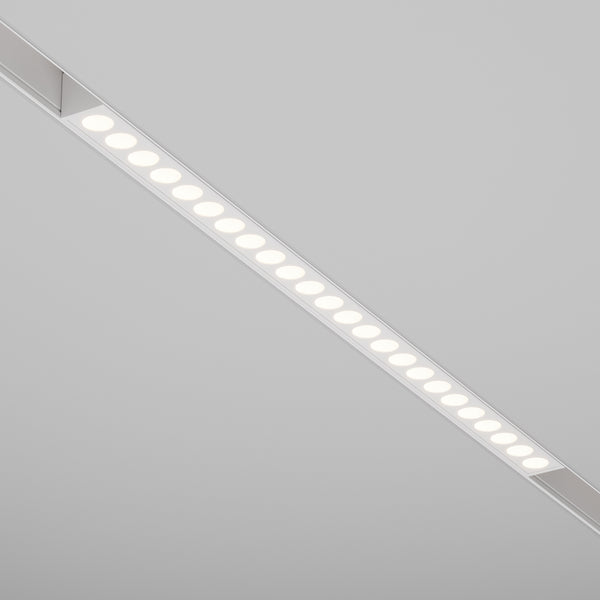
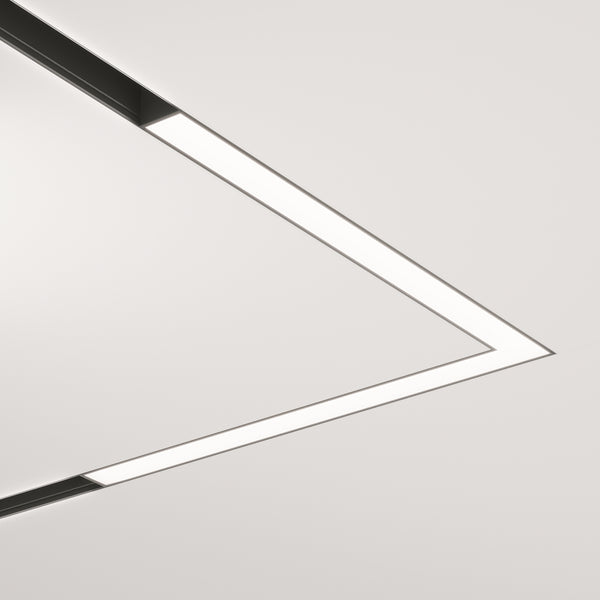
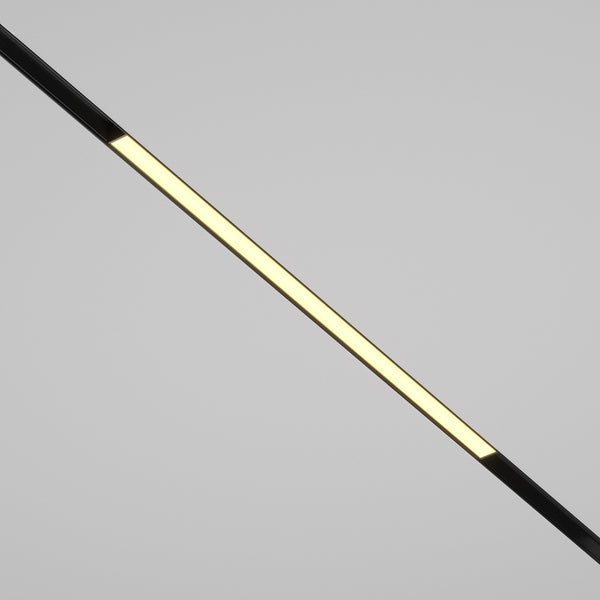
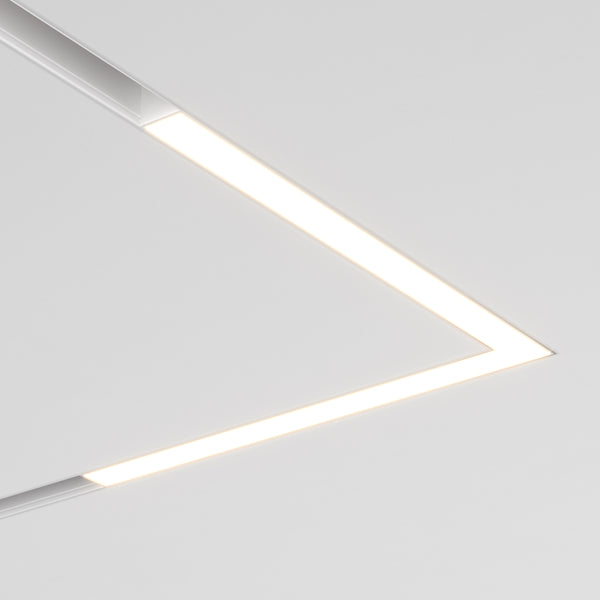
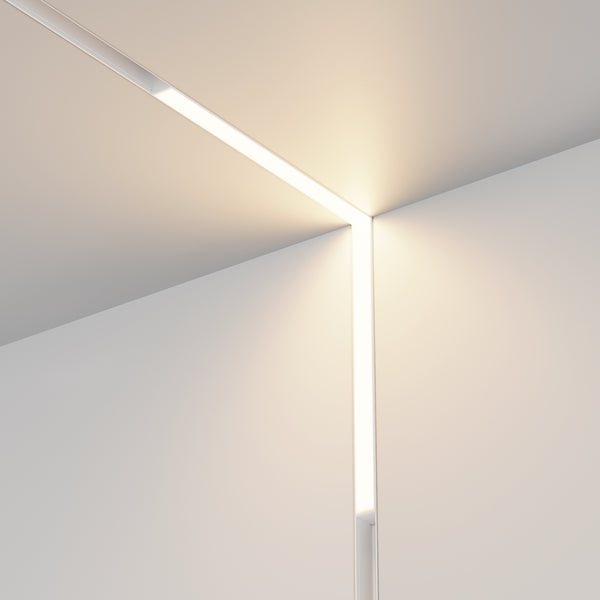
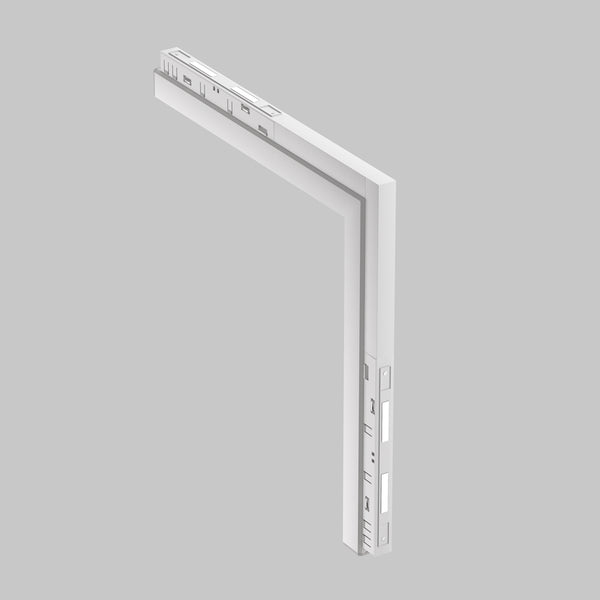
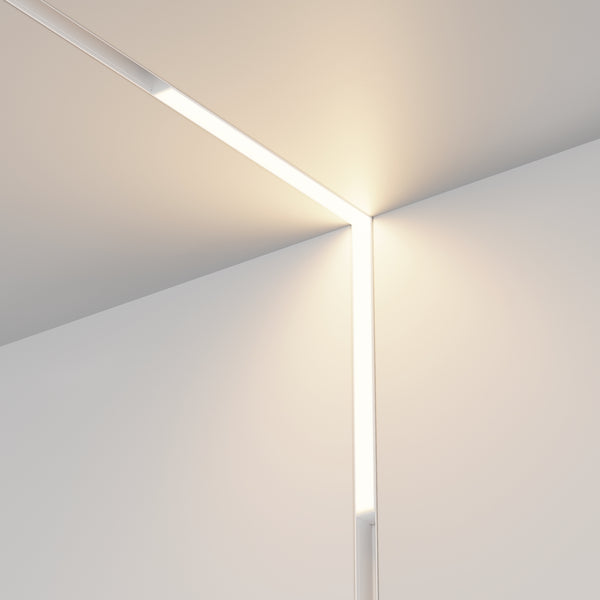
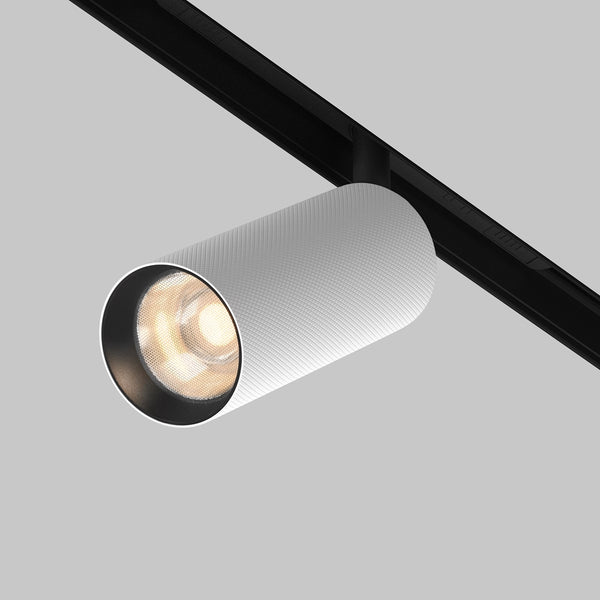
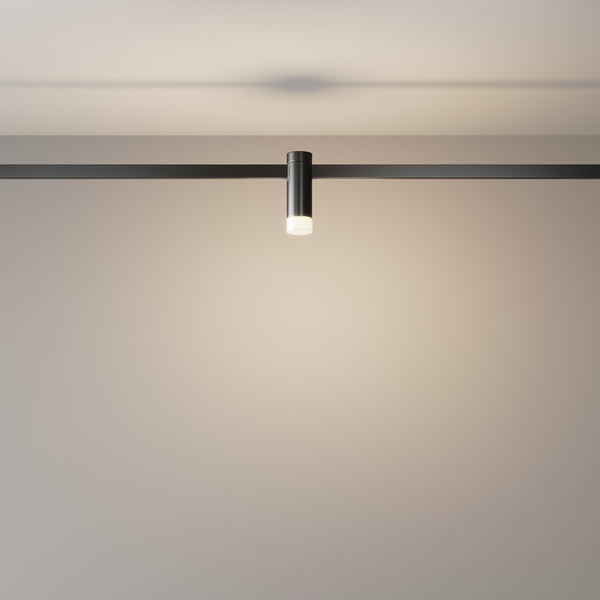
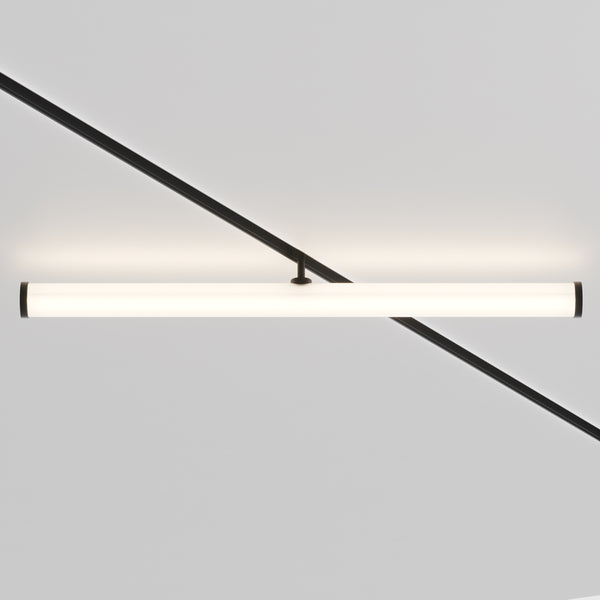
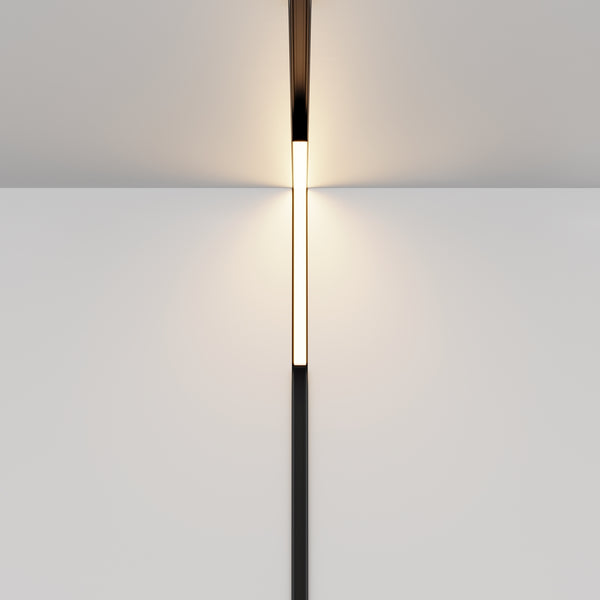
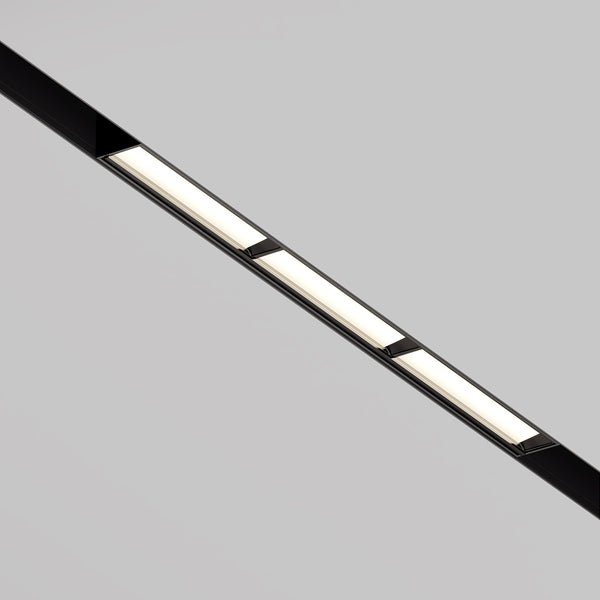
The track aligns the points on a clean line, in aluminium, with a profile 2.6 cm wide for most models. The Oska linear spotlight covers 12 W for 22.2 cm depth, the Calleo 16 W for 33 cm depth. Measure the track length before choosing. Ultra-flat recessed models and adjustable kits complete this family: check the ceiling thickness and the cut-out diameter.
One or two-head adjustable spotlight
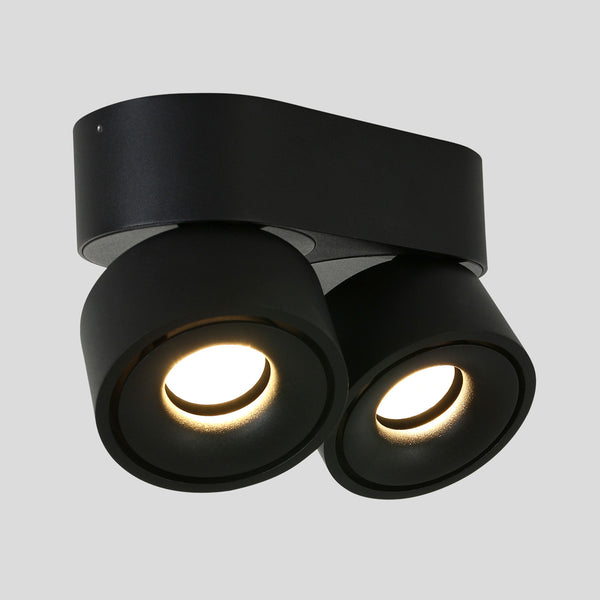
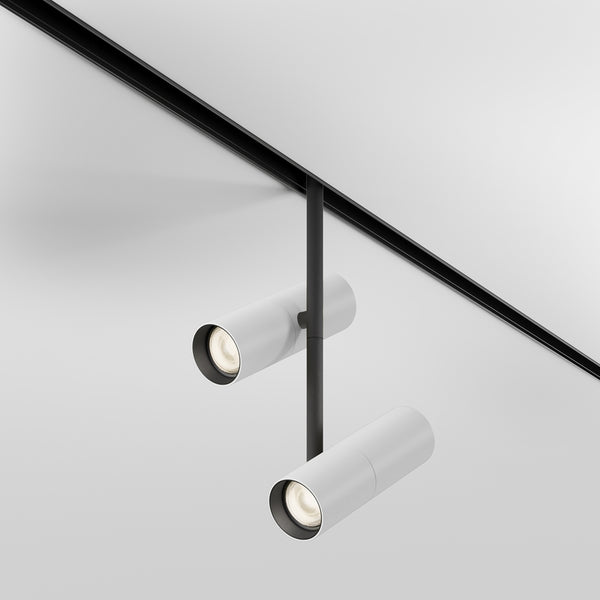
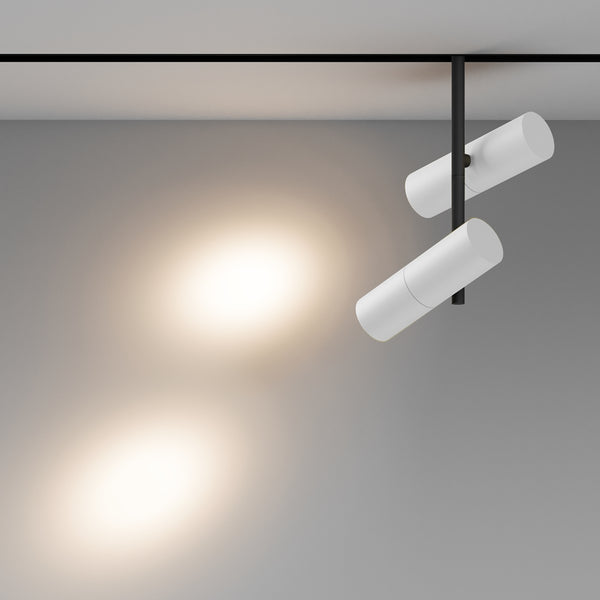
A single head adjusts to a precise point; two heads light two areas from a single ceiling outlet. The two-head Neressa fits in the kitchen, hallway, living room, entrance or dressing room. Pieces with crafted design to go further.
What power and flux to choose for a 3000K spotlight?
Watts measure consumption, lumens the light produced: there is no fixed conversion between the two, it depends on the technology and the efficiency of the source. In this selection, the recorded powers range from 5 to 24 W, and the exact flux is given on each product sheet.
Lumens and watts: why there is no conversion
Two spotlights of the same power can deliver different fluxes depending on the source and the optic. A faceted reflector concentrates the light, a ribbed lens diffuses it: the result on the floor changes at equal power. So look at the stated flux in lumens, not just the power.
Choosing between 5 W, 12 W and 24 W
Small 5 W and 6 W formats are used to punctuate, orient, highlight a detail. 12 W and 16 W carry the general lighting of a living room. 20 W go where light is needed at height. Black LED spotlights and white versions cover these powers. How many watts for 4000 lumens? The power depends on the spotlight's efficiency: check the lumens per watt on the model sheet. Are 2000 lumens a lot? It all depends on the room and the installation height.
3000K dimmable spotlight: how to know if the model is adjustable?
A spotlight is dimmable only if the manufacturer states it: the dimmer cannot be guessed. A small part of the models in this selection is compatible, such as the adjustable pendant cylinder Ulvora; the others give a fixed intensity. Check the dimmer mention on the sheet before buying.
The mention to check on the product sheet
Look for the word dimmer in the specifications, not in the marketing description. A compatible spotlight is controlled with a dimmer suited to the LED source, otherwise it flickers or hums. Dimmer models are grouped in a dedicated collection.
Adapting intensity between day and evening
Strong lighting in the late afternoon and softer at mealtime is the main point of dimming: you lower the intensity without changing the tint. The Ulvora, dimmable, combines this function with precise orientation.
Black, white or silver: what colour of 3000K spotlight to choose?
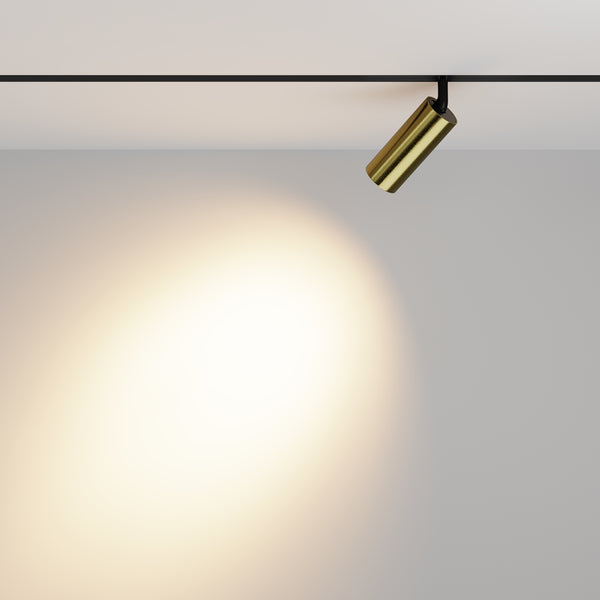
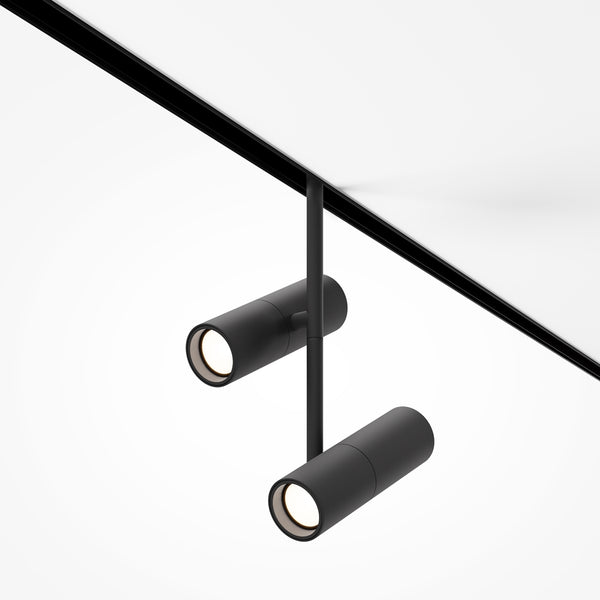
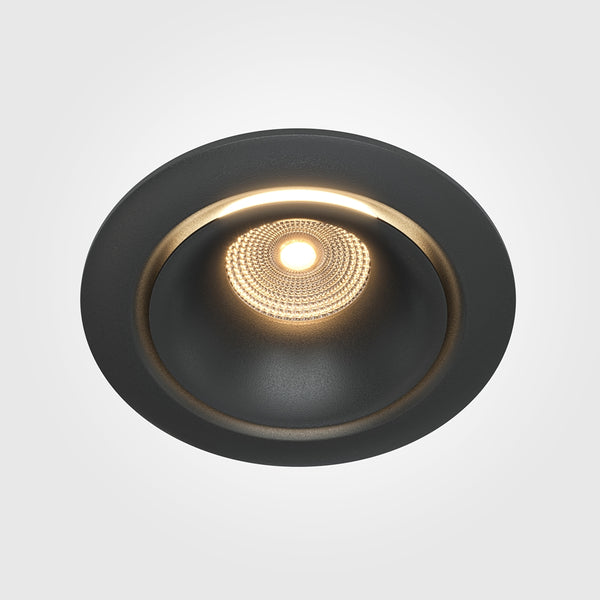
Black dominates in this selection, ahead of white, with a few silver pieces. On a white ceiling, a black spotlight draws a clean, assertive line; a white spotlight blends into the surface. The choice therefore depends mainly on the ceiling and the track on which the spotlight will be installed.
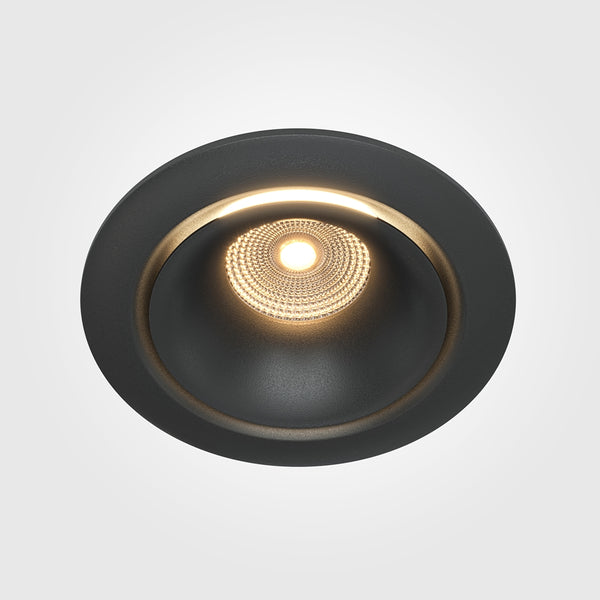
Black spotlights: a marked design on a light ceiling
Black highlights the geometry of the fixture and makes it readable, even when off. On a black track, the whole stays coherent; on a white track, the contrast is deliberate. Black adjustable models for rooms where you want to direct the light.
White spotlights: the finish that blends in
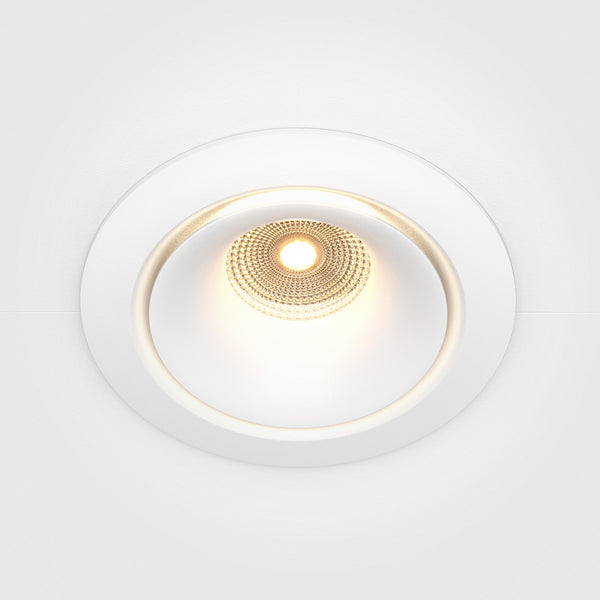
White disappears into a light painted ceiling and keeps a room visually calm. It is the choice for low ceilings or living rooms already busy with materials. White spotlights and metal spotlights to compare finishes.
LED base or GU10, IP20: what to check before installing a 3000K spotlight
The models in this selection work either with integrated LED or with a GU10 base for spotlight ceiling fixtures. All are listed IP20, so intended for indoor use and dry rooms. For warranty, most models are covered for five years, the others for two years.
Integrated LED or GU10 bulb
The integrated LED cannot be replaced but avoids buying a new bulb; the GU10 base leaves the choice of source and allows changing the tint later. The Veltro spotlight ceiling fixture takes a GU10 and is installed high in a hallway as well as an entrance.
IP20: in which rooms are these spotlights intended?
An IP20 rating protects against dust and contact, not against water splashes: these spotlights stay in dry rooms. For a bathroom, aim for a higher rating. Maintenance is limited to dry dusting. Hallways and entrances and bedroom spotlights complete the tour of the home.
Frequently asked questions about 3000K spotlights
How to arrange spotlights on the ceiling?
Start from the centre of the room or the axis of the worktop, then space the points out to remove shadow areas. In a living room, parallel lines are better than a single point; in a kitchen, the spotlights light the worktop without a shadow cast by the person cooking.
What is the difference between 3000 K and 4000 K?
3000 K is a warm white, slightly golden, comfortable in the evening in a living room. 4000 K is a neutral white, whiter, often chosen for work rooms or offices. The models in this selection are listed in the 2700 to 3500 K range, so on the warm side.
How many watts are 3000 lumens?
No fixed conversion exists between watts and lumens: the first measure consumption, the second the light produced, and the ratio depends on the technology used. Two spotlights of the same power can therefore deliver different fluxes. In this selection, the recorded powers range from 5 to 24 W.
Do 1000 lumens light well?
It all depends on the surface to be lit, the installation height and the colour of the walls: at equal flux, a light room seems brighter. What matters most is the cumulative flux of all the light points and their orientation, not the value of a single spotlight.
How many lumens does a 60 W bulb have?
The answer depends on the technology: an incandescent, a halogen and an LED of the same power do not produce the same amount of light. So no single figure can be given. Look at the stated flux in lumens on the packaging rather than the power in watts.
Choosing your 3000K spotlight at Designix
Secure payment, tracked delivery and returns: Designix customer service supports the choice as well as the installation. First identify the room and the format, then the finish, then the power. The Ceylo with faceted reflector and the linear Elda show two approaches to the same warm white. The Designix lighting catalogue and spotlights with modern design extend the search, with dimmable models and pieces with crafted design to finish the selection.