Smart spotlight
- Tracked delivery to your country Tracked delivery
- Secure payment at checkout Multiple payment methods
- 14 days to change your mind 14-day returns
- Secure payment Secure payment


Not sure of your style? Find it in 30 seconds
A few questions, and we will show you the pieces made for you.











































Frequently asked questions
How do I choose the right light output?
At what height should the light be installed?
What type of bulb?
Compatible with LEDs and dimmers?

Light changes everything
From statement chandeliers to discreet wall lights, we help you choose the right brightness, height and style for every room.
- Tracked delivery
- Pay in instalments, where available
- 14 days to change your mind
- Advice & showroom in Lyon, France
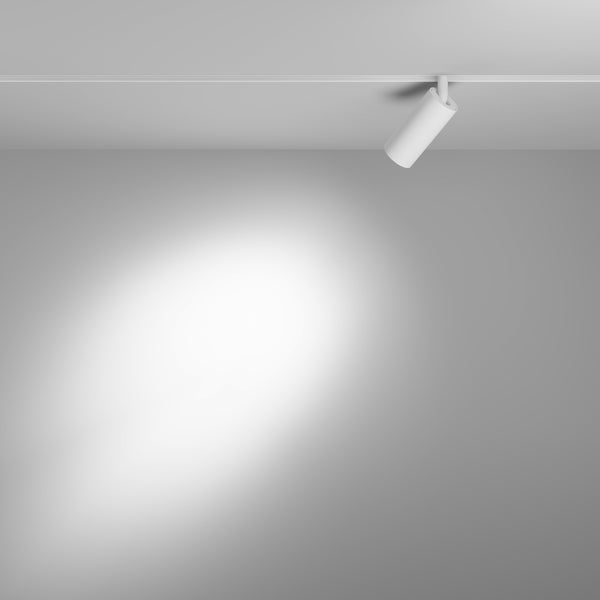
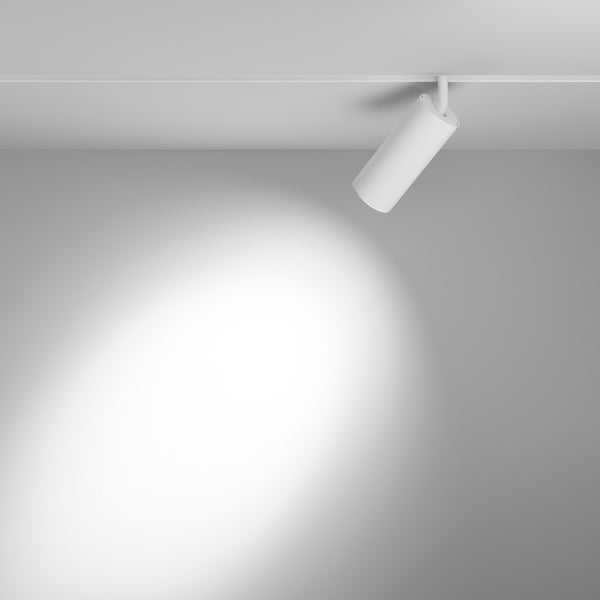
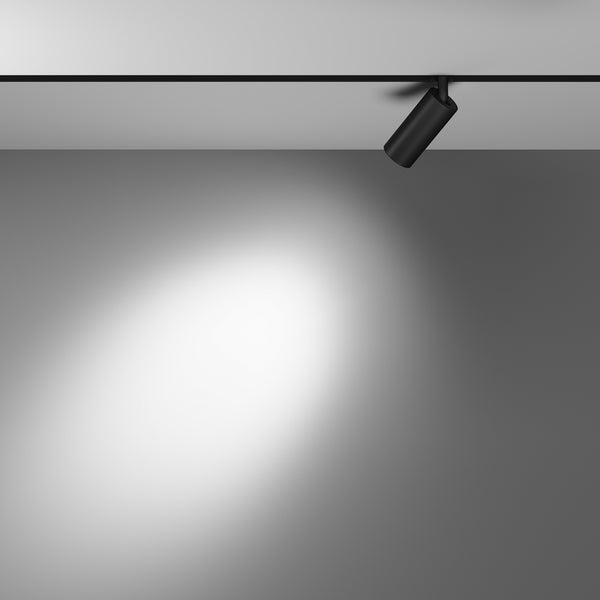
Count your light points before drilling: a smart spotlight is controlled remotely and arranged in regular lines above the areas in use, sofa, coffee table, worktop. These LED track spots, in aluminium, in IP20, are chosen first by diameter, wattage and colour, then by the module that will control them.
What is a smart spotlight and how is it controlled?
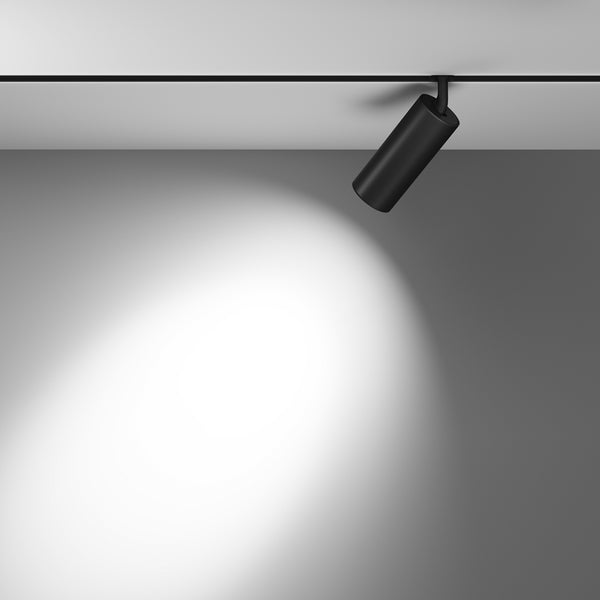
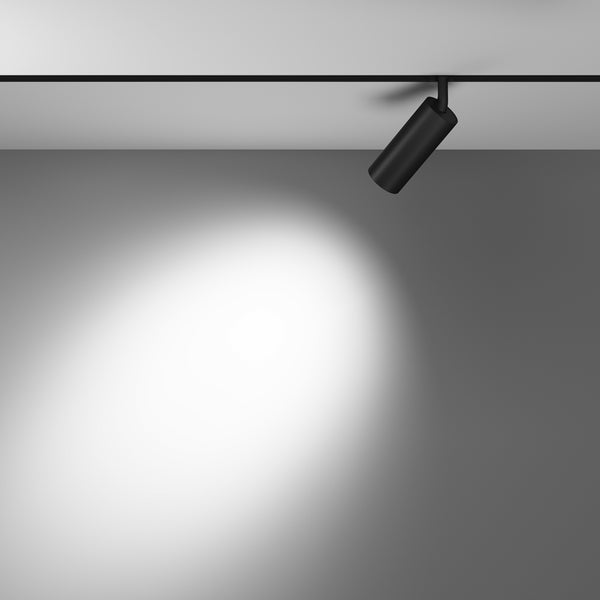
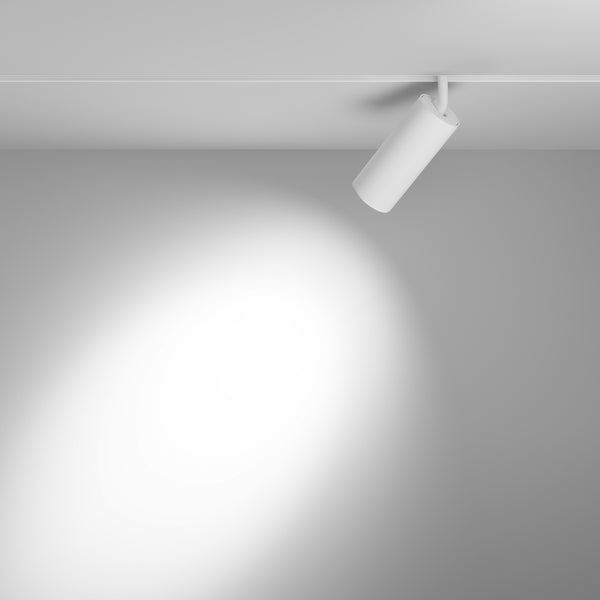
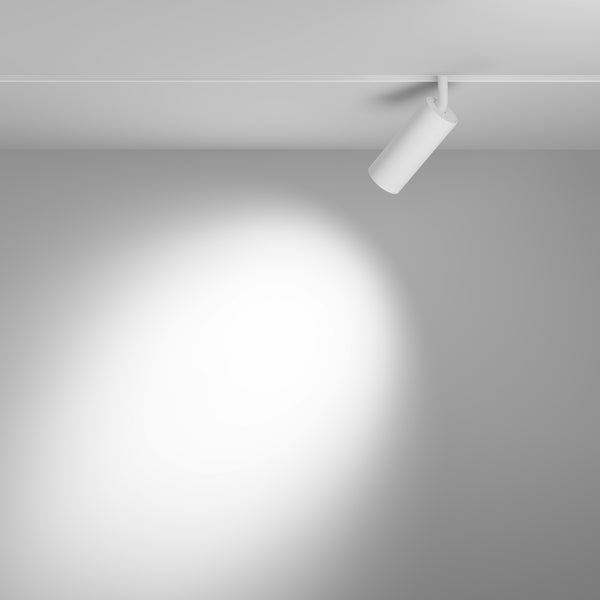
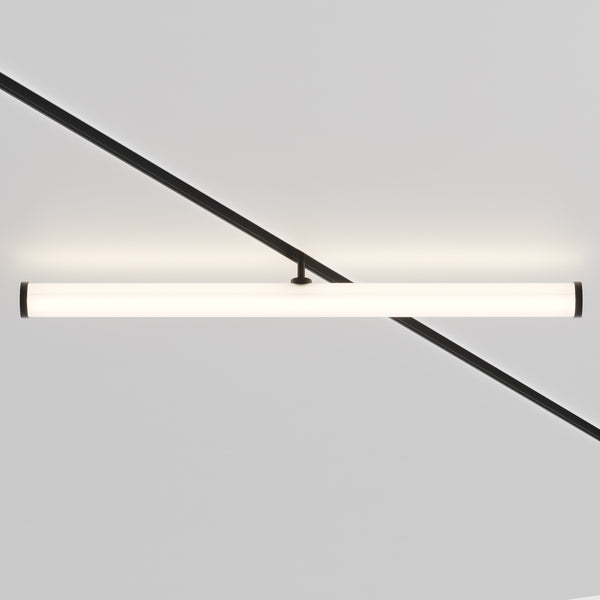
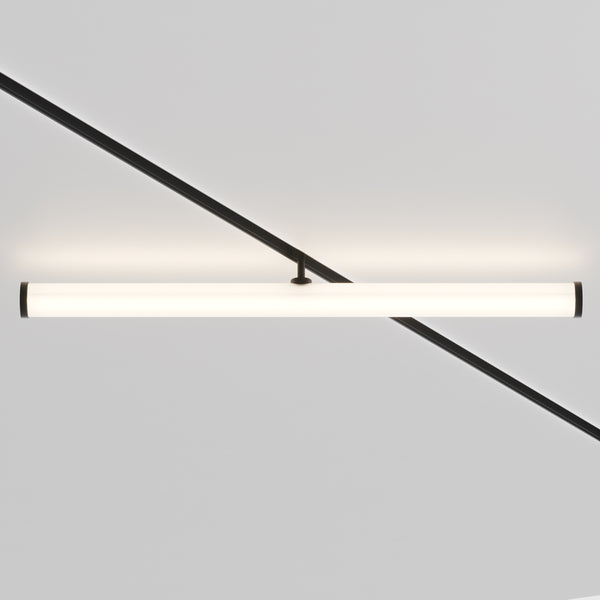
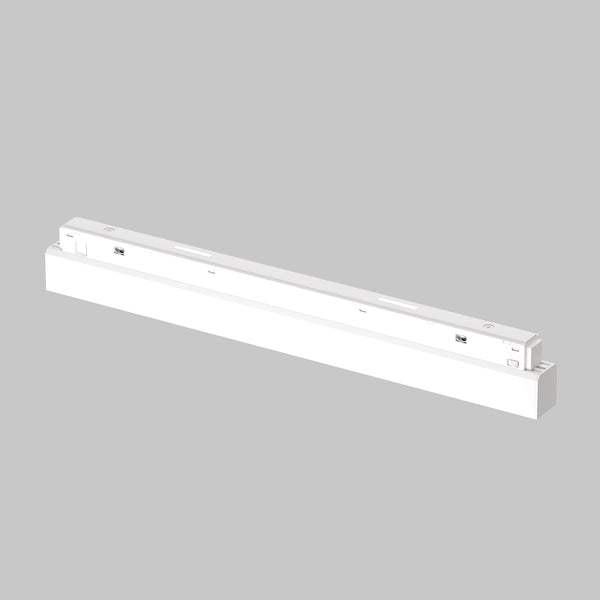
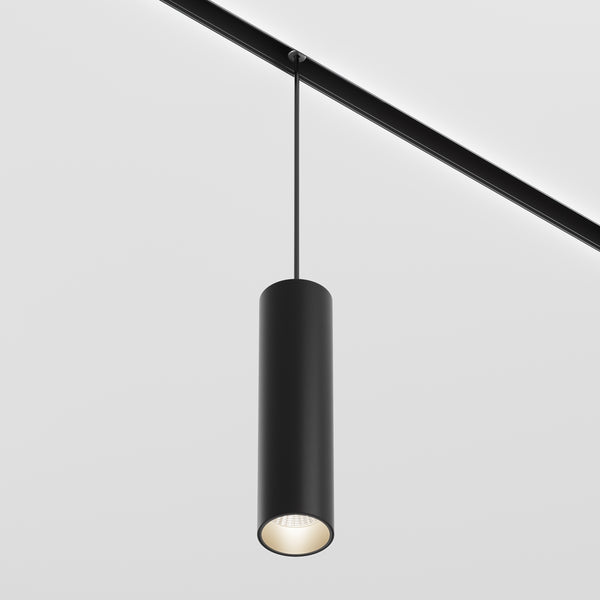
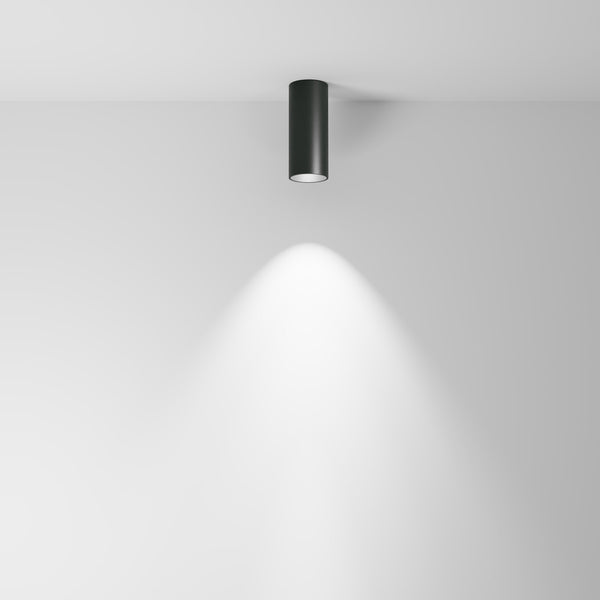
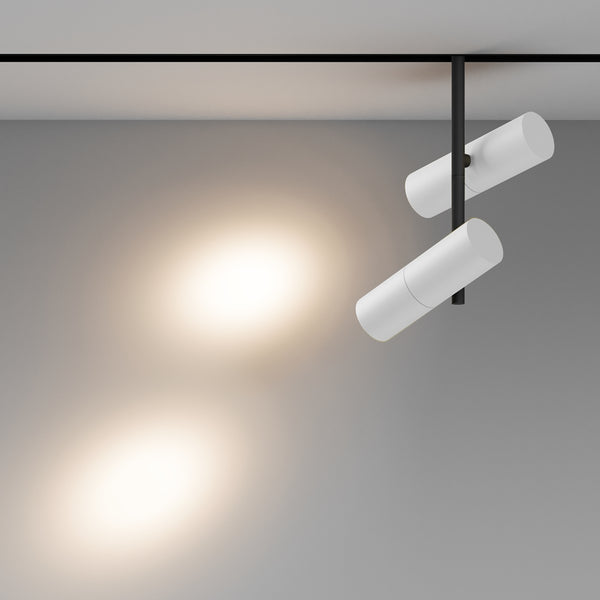
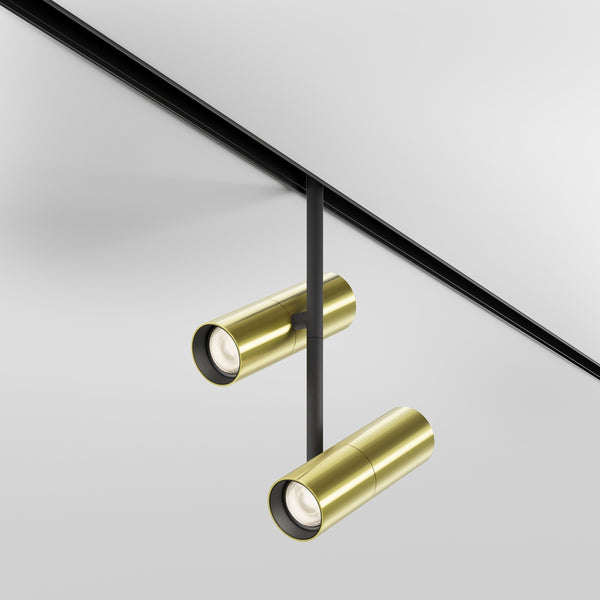
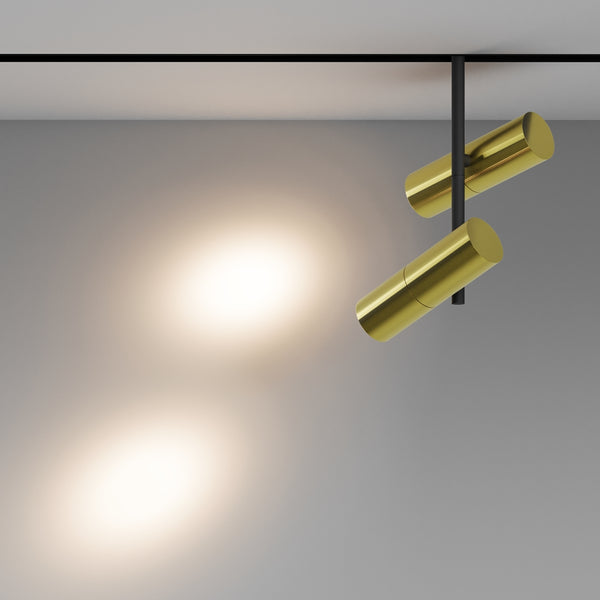
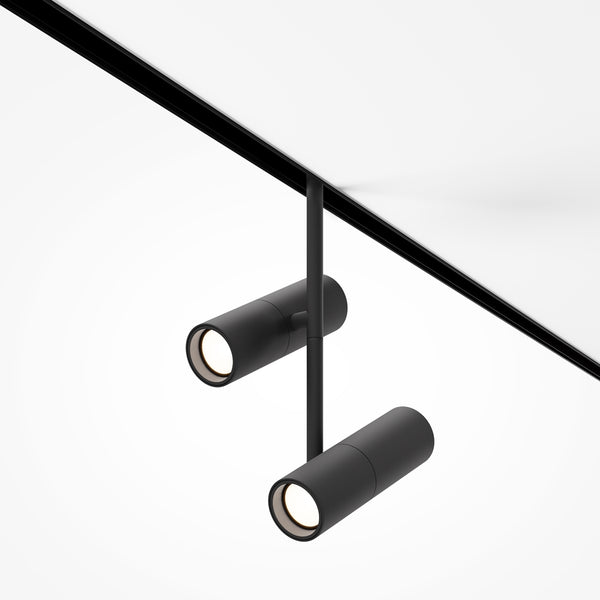
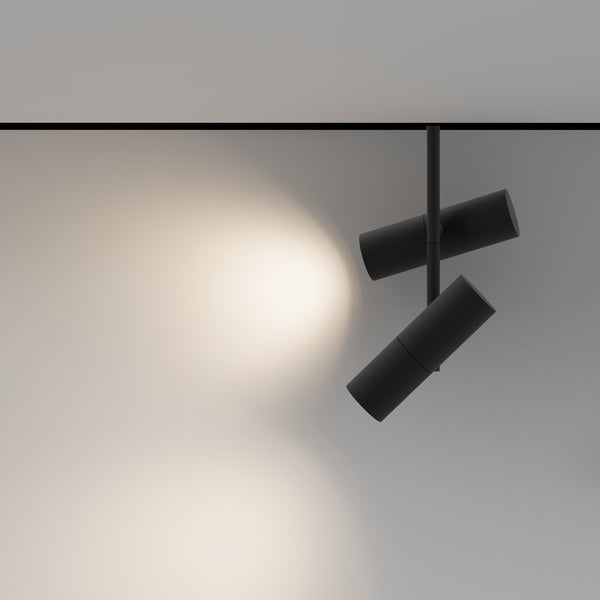
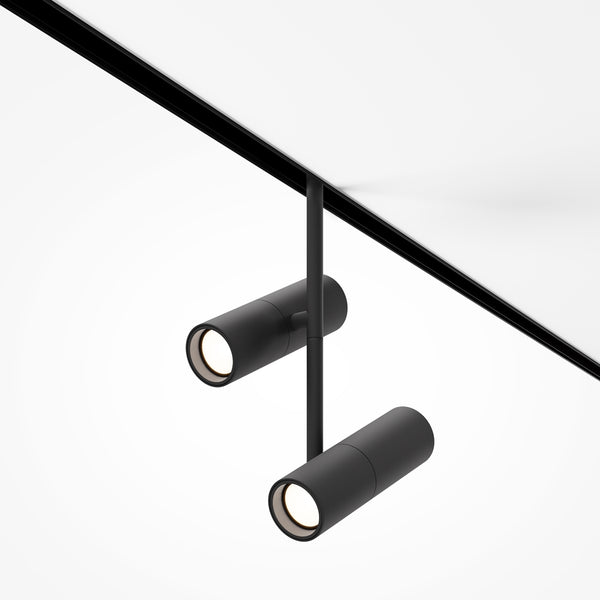
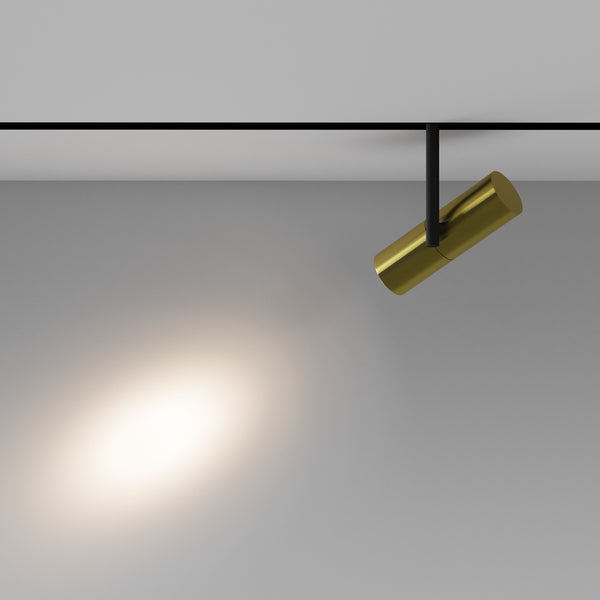
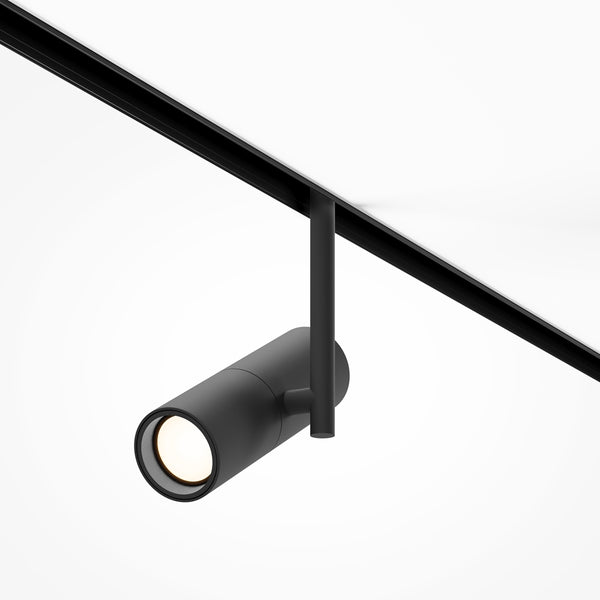
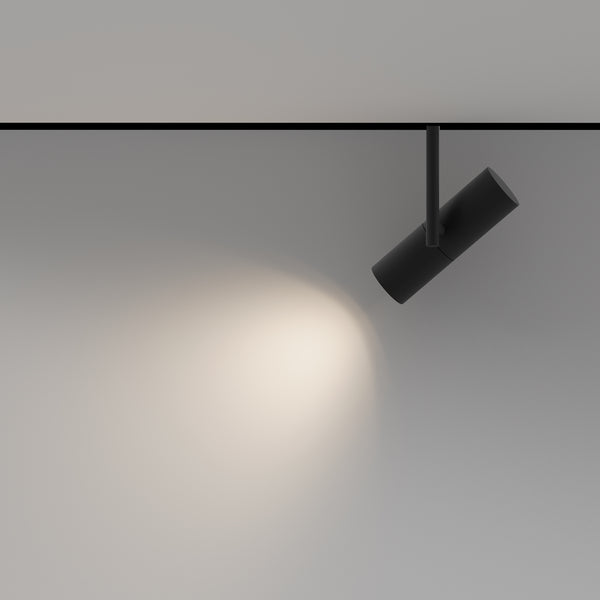
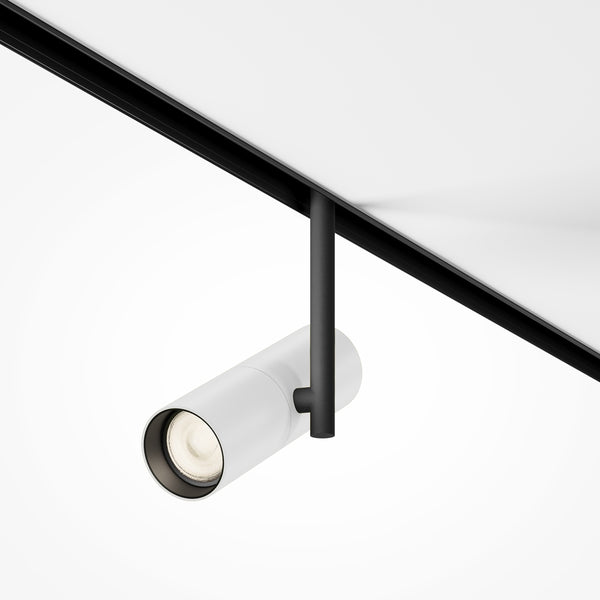
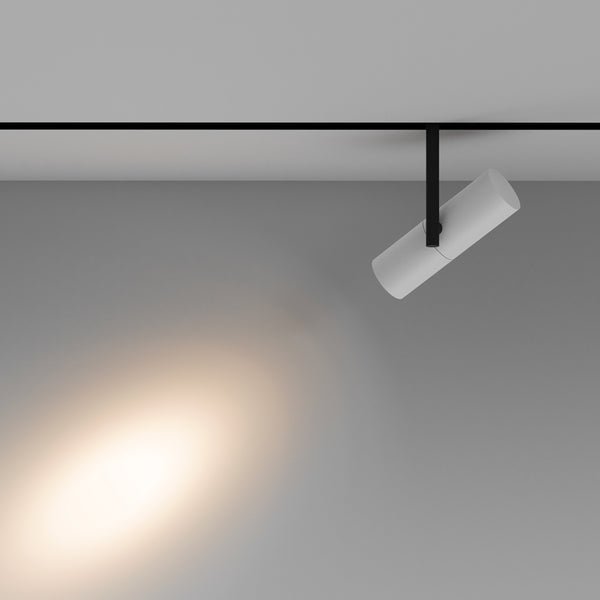
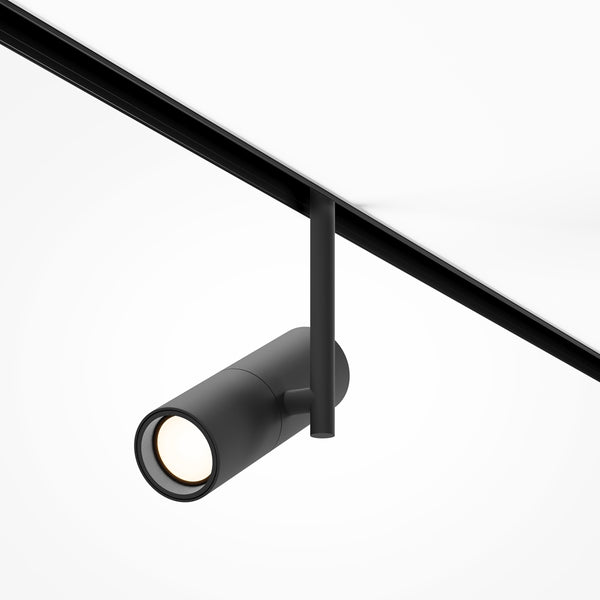
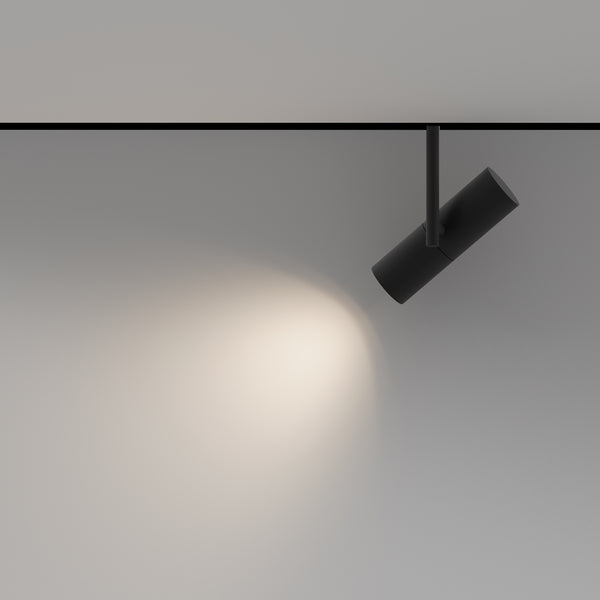
A smart spotlight is an LED spot whose switching, brightness or colour is controlled remotely. The light fixture does not change: it is the control module, or the gateway when the model requires one, that receives the command and passes it on. The effect in the room remains that of discreet points of light, a grazing light that highlights a wall, a painting or a worktop rather than general diffuse lighting. The housing is aluminium, the source is LED, the ingress protection rating is IP20, the colour is white or black, the shape is tubular.
Wi-Fi smart spotlight or gateway: how does it work?
The module receives the command, the fixture has nothing more to do. Depending on the model, control is direct or requires a gateway connected to the home network. Compatibility therefore depends on the chosen module, and is checked on the product sheet, never by deduction. The principle is the same on a fixed spot as on an adjustable model: compare LED spots on this point before deciding.
Smart spotlight and dimmer: how do you adjust brightness?
Dimming does not apply to all models: it depends on the module and the fixture, and is stated on the product sheet. Part of the selection accepts it. The action is simple, you lower the brightness in the evening for accent lighting and raise it to read or cook. If dimming is your main criterion, start from dimmer-compatible spots rather than checking model by model.
| Diameter | Wattages | Colours | Shape | Ingress protection rating | Rooms |
|---|---|---|---|---|---|
| Ø 4.5 cm | 5 W | white or black | tube | IP20 | living room, kitchen |
| Ø 5.2 cm | 12 W | white or black | adjustable tube | IP20 | living room, kitchen |
| Ø 6.5 cm | 20 W | white or black | grille or lens tube | IP20 | living room, kitchen |
Ceiling spot layout for living room: how do you distribute spots in the room?
Layout is decided sitting down, not standing on a stepladder. Identify the areas in use, the sofa, the coffee table, the reading corner, then place a point of light above each one instead of aiming for the centre of the room. Work in aligned lines, with the same setback from the walls and constant spacing. The eye immediately spots an irregular gap, even of a few centimetres. Diameters of 4.5 cm, 5.2 cm and 6.5 cm change the visual weight of the point on the ceiling.
How do you arrange ceiling spots according to the area to be lit?
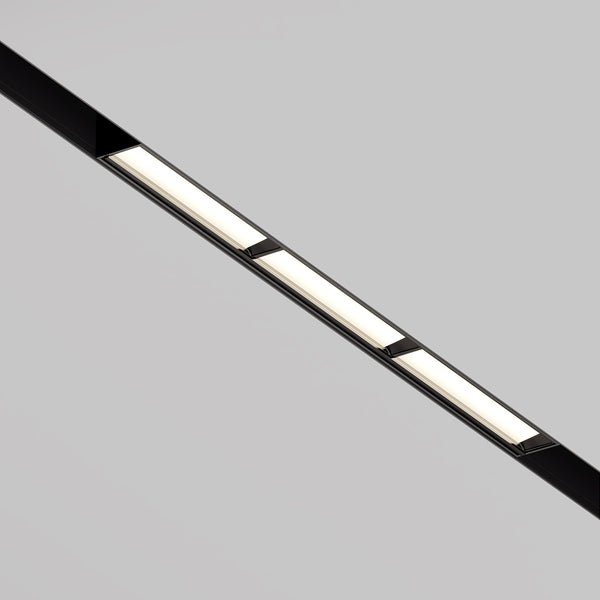
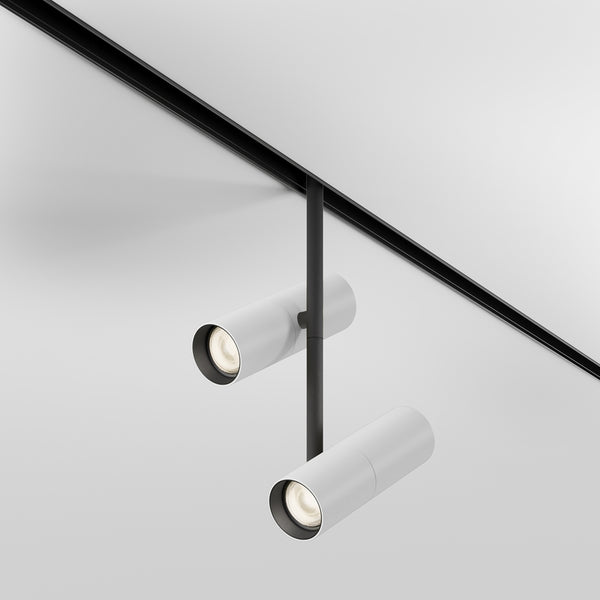
On a track, keep the same gap between points and offset the track rather than multiplying holes. An adjustable spot is then directed towards the wall or the worktop; adjustable models are made for that. With a low ceiling, fewer points and wider beams are better. With a great height, spot tracks allow adding points without redoing the ceiling.
Living room spot: where should the spots be placed?
In a through living room, align the spots parallel to the sofa and add a point above the table or the entrance. Models specifically designed for the living room are adjustable or have a narrow beam depending on what you want to light. Keep the same colour across the whole ceiling to avoid a patchwork from one point to another.
Ceiling spot distance and ceiling spot spacing plan: what rule should be applied?
The gap between two spots depends on the beam width and the ceiling height: the higher the ceiling, the more the points are spaced to cover the same surface. Regularity matters more than the exact value. Wattages of 5 W, 12 W and 20 W serve as a density guide: a 5 W in small diameter for accent lighting, a 20 W for a large area. None of these values guarantees a result, it gives an order of magnitude.
Ceiling spot spacing plan: how do you set out your plan before drilling?
Draw the room plan to scale, place the points on it one by one, check that none falls on a beam or a duct, then transfer the marks to the ceiling. Check on the floor, where you will be sitting, before drilling. A badly placed indoor spot is more noticeable than a badly chosen spot.
Modern living room ceiling spot: what spacing for a regular result?
First look for a continuous line, then the alignment of rows. Modern style spots with a tubular shape naturally align in a string. If the ceiling is already drilled, recessed spots often fit into the same cut-outs.
Modern living room ceiling spot: which colour and light should you choose?
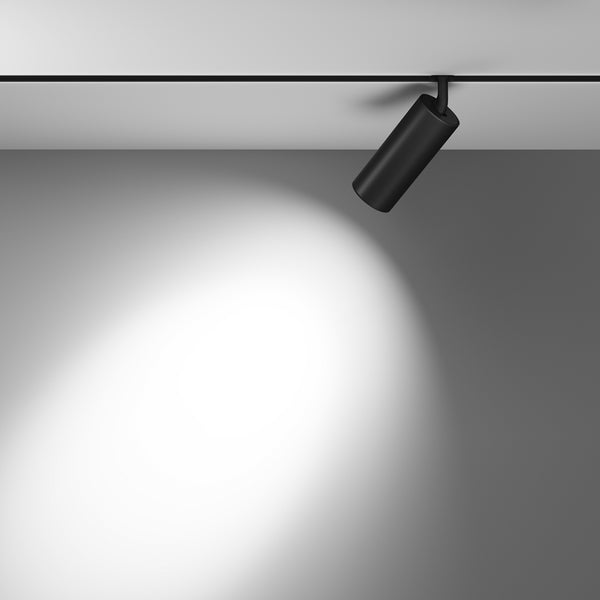
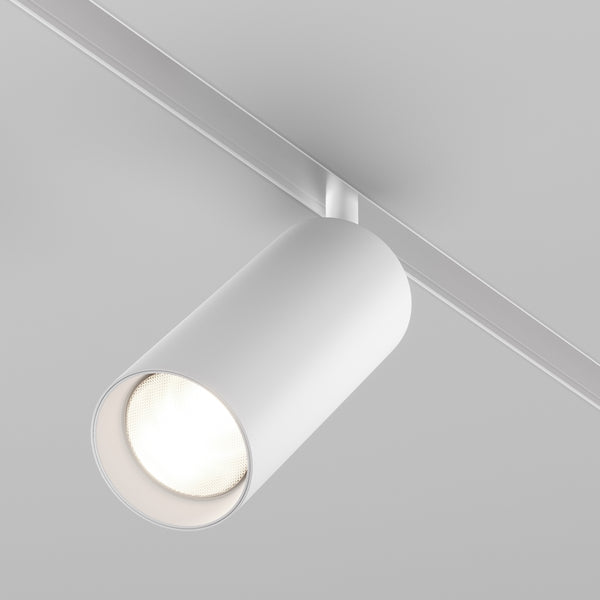
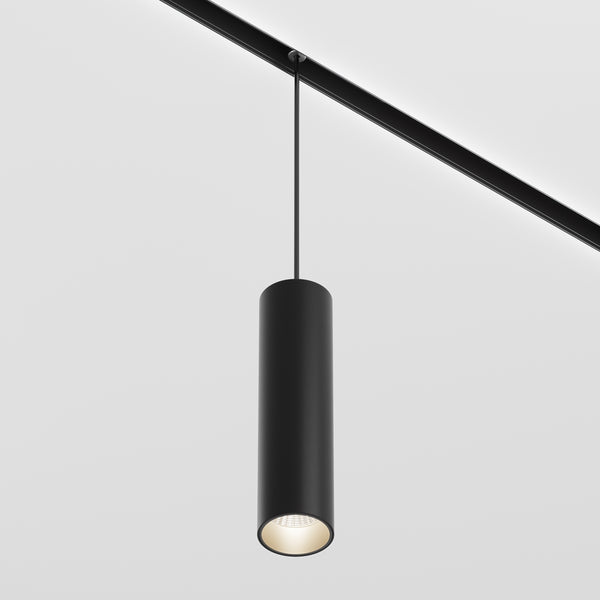
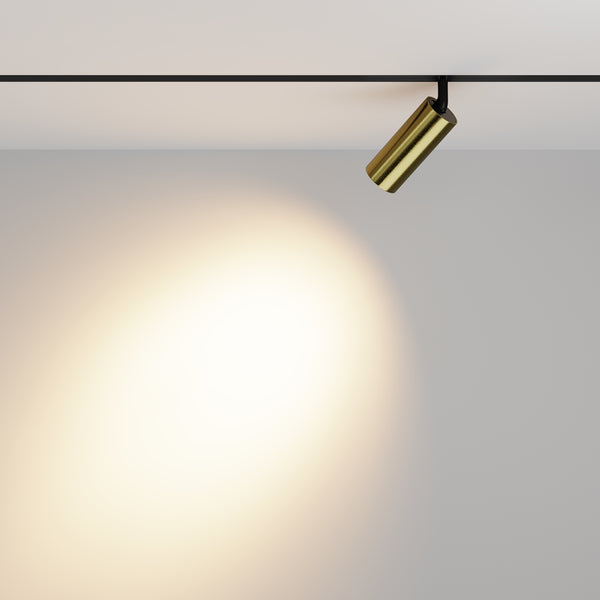
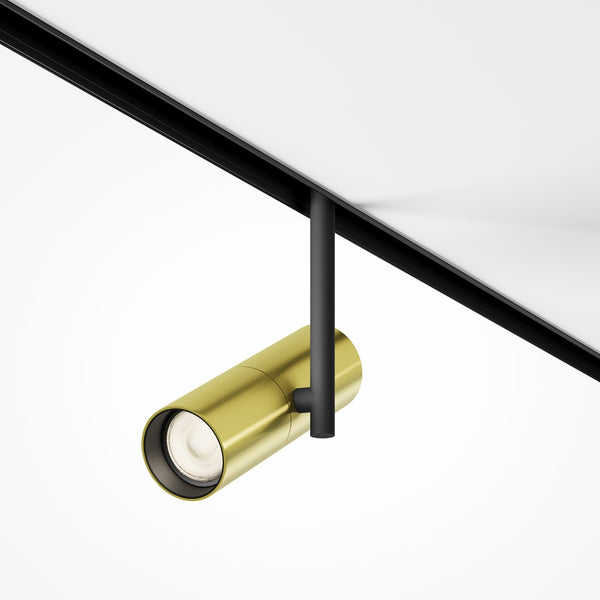
White blends into a light ceiling and leaves only the light visible; black highlights the line of the track and matches dark joinery. On a dark ceiling, the effect is reversed. The colour is therefore chosen with the ceiling and woodwork, not in isolation: white finishes and black finishes share the same technical base, aluminium and IP20. For light, the temperatures found in the selection are warm white and neutral white. Warm white suits relaxation areas, neutral white suits worktops.
Parallel spot wiring and LED spot connector: how do you wire your spots?
Parallel wiring supplies each spot from the same incoming supply: the conductors are taken from point to point, and if one fixture fails, the others stay on. This is the usual setup on a track, where the spots connect to the terminal block or the driver provided. Work is always done with the power off, after switching off at the circuit breaker, then checked before powering back up. Cable cross-section and electrical values are read on the fixture instructions, and the connection should be approved.
Parallel spot wiring: what is the principle?
Identify the incoming supply and the correspondence of conductors, note it down before dismantling, then follow the same order on each point. A clean installation can be checked at a glance. Dimmable LED spots additionally require a compatible module for dimming to actually work.
LED spot connector and recessed spot connector: what to check
The connector depends on the cable used and the support: screw terminal block on a track, screw or push-in connector depending on the installation. Check that it accepts the type of cable already present on the ceiling before ordering. If interchangeability of the source matters to you, look at GU10 bulb spots.
Outdoor or bathroom smart spotlight: why check the ingress protection rating?
The ingress protection rating summarises the fixture's resistance to dust and water. All models in this selection are IP20: they are made for dry interiors, living room and kitchen. An IP20 therefore cannot be installed in a wet room or outdoors, not because it would be fragile, but because nothing in its design is intended for humidity or splashes. For these rooms, a fixture with a higher rating is required.
Outdoor smart spotlight: which rating should you look at?
Look at the rating stated for the product, not that of the room where you imagine it. Outdoor spots are designed for humidity and rain, which IP20 does not cover. An outdoor fixture is cleaned with a cloth, without aggressive products on the seal.
How do you change the bulb of a recessed bathroom spot?
In a wet room, switching off at the circuit breaker is essential and the fixture must remain the one intended for the zone. Bathroom spots meet this requirement, whereas an IP20 living room spot has no place there, even temporarily.
How do you change the bulb of an adjustable or recessed ceiling spot?
Two very different cases. On a spot with an interchangeable bulb, switch off the power, let it cool, unclip or unscrew the bulb, then fit a bulb of the same cap and same wattage. On a spot with integrated LED, the bulb does not separate from the fixture: there is nothing to unscrew. All spots in this selection are LED with LED cap, so the source is integrated into the fixture.
Changing the bulb of an adjustable spot: the procedure
Turn the spot towards you, remove the ring or unclip the source depending on the installation, without forcing the support. On a fixture with integrated LED, the source alone is not replaced: the fixture is replaced, or the module indicated by the manufacturer. If interchangeability is your criterion, start from a recessed spot designed to take a bulb.
Changing a recessed LED ceiling spot: bulb or integrated LED?
A recessed LED spot with integrated source is replaced entirely, never by forcing the ceiling. Ask the question at purchase if you want to be able to intervene yourself later, and note the model reference before having it removed.
Which smart spotlight should you choose for a Designix living room or kitchen?
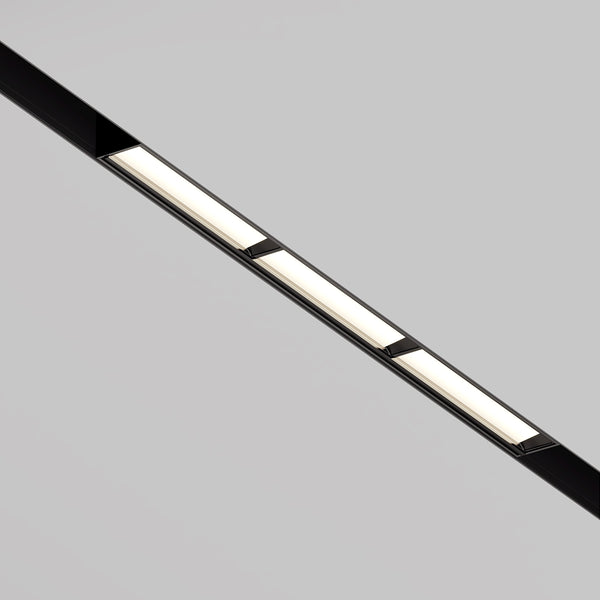
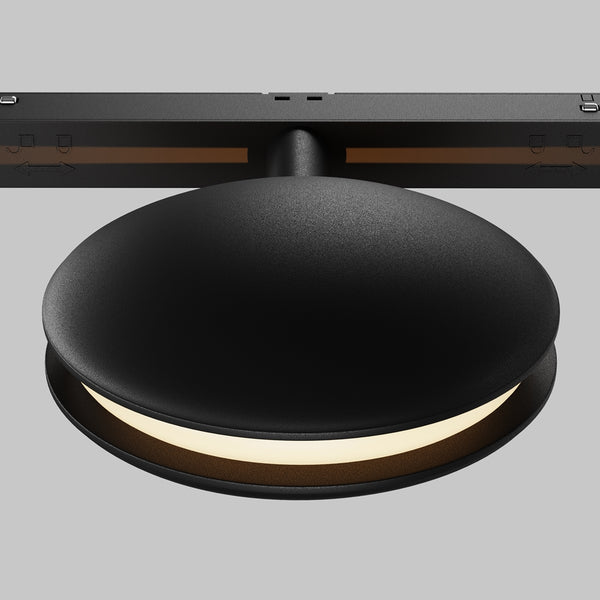
Three decisions are enough. An adjustable spot to direct light towards a wall or a painting. A lens or honeycomb grille model to concentrate the beam on a worktop. A small diameter for accent lighting, a larger one to cover wide, with a wattage of 5 W, 12 W or 20 W depending on the surface. The Cylino spot plays the versatile role on a living room track. The Kanta honeycomb lens model targets worktops. The Réfléxia honeycomb reflector spot softens the effect, and the adjustable Crevora spot can be redirected without tools. To browse the rest of our lighting catalogue, the grid shows the current price of each model.
How do you connect spots to each other in the home?
Spots are linked by the track wiring or by connectors: the supply starts from one point and serves the others, in parallel. Control, however, goes through the module or the gateway, and that is what distinguishes a connected set from a simple string of points. If the worktop is the priority, compare models designed for the kitchen.
Payment, delivery and returns: what is provided
Orders are placed with secure payment, delivery is tracked and returns are provided for. Designix customer service answers on model choice and module compatibility. Every fixture in the selection is guaranteed for five years. To see the other families, head to all our lighting ranges.
| Room | Suitable spot | Ingress protection rating | To check |
|---|---|---|---|
| Living room | adjustable spot on track | IP20 | beam width and visual comfort |
| Living area | track spot in several points | IP20 | light temperature |
| Kitchen | lens or grille spot | IP20 | worktop lighting |
| Bathroom | spot designed for wet rooms | higher than IP20 | installation zone |
| Outdoor | spot designed for outdoor use | higher than IP20 | exposure to rain |
Frequently asked questions
What is the best smart lamp?
There is no best lamp in absolute terms: everything depends on the room, the format and the desired effect. Look at the material, the colour, the wattage, the light temperature, the possibility of dimming and the warranty. In this selection, the spots are aluminium, LED, IP20 and guaranteed for five years.
How does a smart bulb work?
A smart bulb incorporates control electronics: a module or a gateway receives the command and sets the switching, brightness or colour. Operation depends on the chosen module, not on the fixture alone. Check the compatibility stated on the product sheet before purchase.
How do you connect spots to each other?
Spots are linked by the track wiring or by connectors: the supply starts from one point and serves the others. Parallel wiring keeps the other spots on if one fails. The connection is made with the power off, and should be approved.
How do you arrange spots on the ceiling?
Arrange the spots in aligned lines, targeting the areas in use, seating, table, worktop. Keep constant spacing between points and an identical setback from the walls. A scaled plan avoids visible gaps once the spots are installed.
Ceiling spot distance: what gap should be allowed between two spots?
The gap depends on the beam width and the ceiling height: the higher the ceiling, the more the spots are spaced to cover the same surface. Draw the spacing plan on a plan, then check on the floor that each area to be lit receives enough light.
How do you change the bulb of an adjustable spot?
Switch off the power at the circuit breaker, let the spot cool, then unclip or unscrew the bulb depending on the installation and fit a bulb of the same cap and same wattage. If the spot has integrated LED, the bulb is not replaced separately.
How do you wire spots in parallel?
Each spot is supplied from the same incoming supply: the conductors are taken from point to point on the terminal blocks. A failed spot does not switch off the others. Switch off the circuit, respect the stated cable cross-sections and have the installation checked.