IP44 recessed spotlights
- Tracked delivery to your country Tracked delivery
- Secure payment at checkout Multiple payment methods
- 14 days to change your mind 14-day returns
- Secure payment Secure payment


Not sure of your style? Find it in 30 seconds
A few questions, and we will show you the pieces made for you.











Frequently asked questions
How do I choose the right product?
What are the delivery times?
Can I return an item?
Can I pay in instalments?
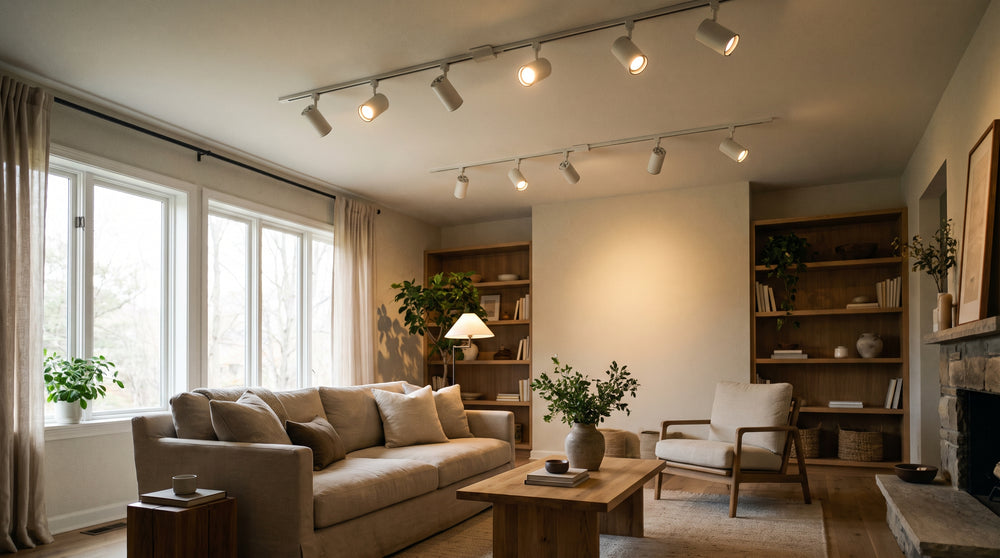
An interior that reflects who you are
Carefully selected pieces, shipped from our warehouses. Our team advises you before you buy, so you choose with confidence.
- Tracked delivery
- Pay in instalments, where available
- 14 days to change your mind
- Advice & showroom in Lyon, France
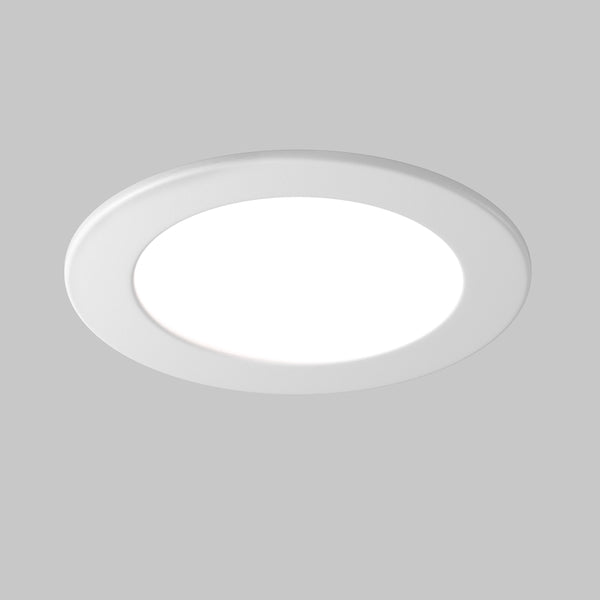
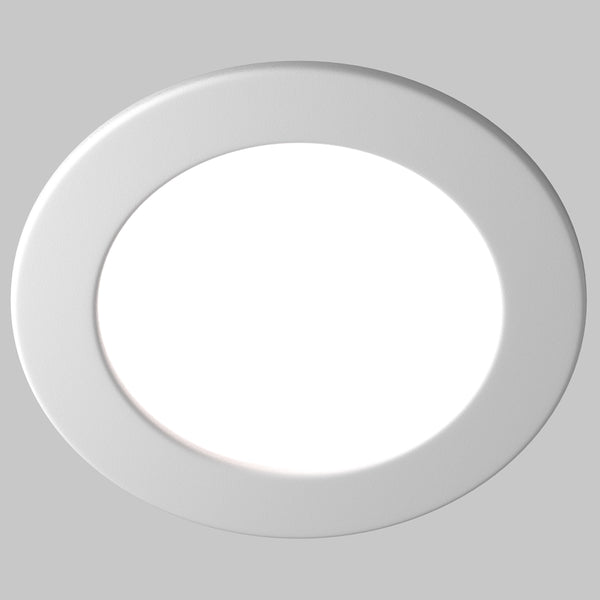
Start with the visible shape and diameter at the ceiling, then the wattage and colour temperature: in this selection of IP44 downlights, everything runs on integrated LED, from 7 to 24 W, from round Ø 9.7 cm to round Ø 22 cm and from square 11 cm to square 17 cm. The IP44 rating covers water splashes, which suits them to the living room and hallway, set out in a regular grid aligned with the areas to be lit rather than the centre of the room.
- How to choose an IP44 downlight
- How to lay out downlights on the ceiling
- Which rooms to use them in
- Wattage and colour temperature
- Round, square, flush or adjustable
- Installation and care
- Where to find these downlights
How do you choose an IP44 downlight?
Start with the visible shape and diameter, then the wattage and colour temperature. Next comes the material, aluminium or plastic, and the finish, white or black. Also check the ingress protection rating, whether dimming is possible and the warranty, here five years.
Aluminium dissipates LED heat better and gives a sharper trim; plastic lightens the downlight and suits small diameters. Both appear in the metal finishes, often paired with a heat sink on the ceiling side.
| Situation | Recommended format | Material | Wattage | Good to know |
|---|---|---|---|---|
| Accent lighting or hallway | Compact round Ø 9.7 to 12 cm | Plastic or aluminium | 7 to 12 W | Easy to repeat in a line |
| Living room needing broad light | Round Ø 17.5 or 22 cm, or square 17 cm | Aluminium | 24 W | Large visible surface at the ceiling |
| Ceiling with strong lines | Square 11 to 17 cm | Aluminium and plastic | 12 to 24 W | Aligns with the corners of the room |
| Need to direct the beam | Adjustable round Ø 12 cm, gold reflector | Aluminium | 12 W | Black finish, dimmable |
| Softer output | Round Ø 12 cm with diffuser lens | Aluminium | 12 W | Dimmable |
| Dry room with no water splashes | Square 17 cm with heat sink | Aluminium | 24 W | IP20 rating, not for wet rooms |
White IP44 downlight: which finish for the ceiling?
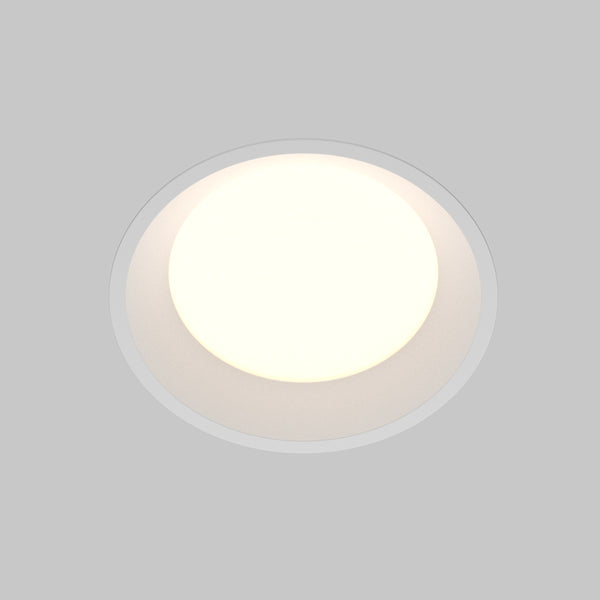
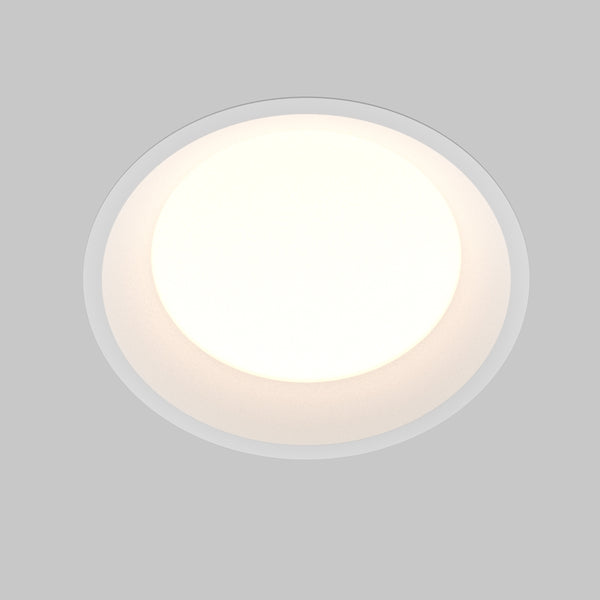
White dominates this selection by a wide margin, and that makes sense: set into a ceiling painted the same shade, it disappears and leaves only the light. A flush trim pushes that erasure even further. See the white recessed downlights for a continuous ceiling, and the slim-trim models when the ring should stay discreet without being invisible.
Black IP44 downlight: when should you choose it?
Black is chosen when the grid should be seen, on a dark ceiling, a wood ceiling or in a hallway where crisp points are wanted. Two black references stand out here, including the Kalynda adjustable with gold reflector, at 12 W in Ø 12 cm, which adds a golden touch to the beam. See also the black models for a graphic look.
How do you lay out downlights on a ceiling?
Spread the light points evenly, keeping the same distance between them and an equal setback from the walls. On a living room ceiling, align them with the areas to be lit rather than the centre. In a hallway, follow the line of travel.
How far apart should downlights be on a living room ceiling?
On a living room ceiling, a regular grid beats a single central point: one downlight above the coffee table, two more set back towards the walls, and the gap between two points stays the same along the whole line. Large diameters, Ø 17.5 or 22 cm, are used in small numbers. For a living room, start from an overall lighting plan with the living room ceiling specialists.
How do you place downlights in a hallway?
In a hallway, a single line along the axis is enough, with an identical setback at both ends to avoid dark zones. Small round formats of Ø 9.7 to 12 cm work well and can be repeated without crowding the ceiling. White downlights disappear completely there, which puts the light first.
Which rooms can an IP44 downlight be used in?
The IP44 rating means the downlight resists water splashes, the level expected in a wet room such as a bathroom, outside the shower zone. In this selection, the downlights are specified for the living room and hallway; the Quadrato model is IP20 and stays reserved for dry rooms.
IP44 bathroom pendant or recessed downlights?
A pendant brings ambient light, a low point and a visible object; recessed downlights give even, grazing light with no shadow cast on the floor. In a bathroom, the two are often combined: ambience overhead, downlights for precision. The same principle applies elsewhere, for example with kitchen downlights above a worktop.
IP44 bathroom downlight: what to check
Three points matter: the protection rating actually stated, the distance to the shower zone, and the colour temperature, with neutral white being easier to read by when getting ready in the morning. A flush-trim model also prevents water and dust building up on a rim. On colour, white LED downlights remain the easiest to match.
What wattage and colour temperature for a recessed downlight?
The selection runs from 7 to 24 W, with integrated LED: 7 and 12 W for accent lighting or a hallway, 18 to 24 W for a living room that needs proper light. On temperature, warm white 2700-3500K warms the room, neutral white 3500-4500K gives a crisper result.
IP44 downlight with GU10 or integrated LED?
Here, the fitting is LED across the whole selection: the source is built into the luminaire, there is no bulb to replace and no housing to allow for. That simplifies maintenance and guarantees the protection rating carried by the downlight itself. The only constraint is that dimming is possible only on the models designed for it, found among the dimmable recessed downlights.
What wattage for a hallway and for a living room?
A hallway is fine with 7 to 12 W per point, especially if downlights are repeated every metre: the goal is a readable path, not powerful lighting. A living room needs more, 18 to 24 W, with a large diameter to cover a table or a reading area. For a crisp white result for work, look at the LED downlights for living rooms in neutral white.
Round or square, flush or adjustable: which shape should you choose?
Round blends into a ceiling and is easy to repeat in a line; square makes more of a statement and aligns with a ceiling that has angles. A flush or slim trim leaves a discreet ring, a diffuser lens softens the beam, and an adjustable model lets you move the light.
| Model | Shape and visible dimensions | Material | Wattage | Protection rating | Dimmable |
|---|---|---|---|---|---|
| Quadratis | Square 14.5 × 14.5 cm | Aluminium and plastic | 18 W | IP44 | No |
| Lysa | Round Ø 17.5 cm, flush trim | Aluminium and plastic | 24 W | IP44 | No |
| Kalynda | Round Ø 12 cm, adjustable, gold reflector, black | Aluminium | 12 W | IP44 | Yes |
| Blanco | Round Ø 9.7 cm | Plastic | 7 W | IP44 | No |
| Halvina | Round Ø 22 cm | Plastic | 18 W | IP44 | No |
| Quadrato | Square 17 × 17 cm, heat sink | Aluminium | 24 W | IP20 | No |
Flush trim, slim trim or diffuser lens?
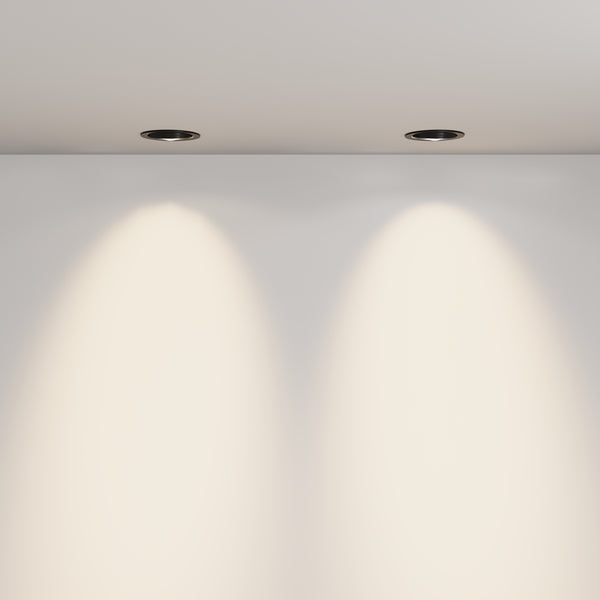
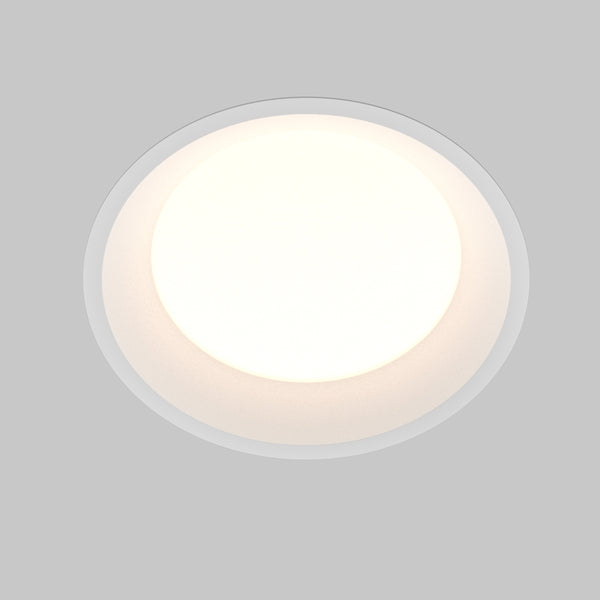
A flush trim sits level with the ceiling and is barely noticeable; a slim trim draws a crisper outline, useful when the grid is meant to be seen. A diffuser lens, for its part, widens the beam and removes the hard point effect, which suits a low ceiling. The Marcheline with diffuser lens is the example, at 12 W and Ø 12 cm, with dimming available. More options in the designer recessed downlights.
When should you prefer an adjustable downlight with a gold reflector?
An adjustable model is useful as soon as a point needs to aim at something other than the floor: a shelf, a picture, an accent wall. The gold reflector warms the light without changing the source temperature and gives a warmer result on a pale wall. Compare the adjustable downlights and their adjustable LED variant, or go straight for a gold finish to make the accent clear.
How do you install and care for a recessed LED downlight?
Recessing requires a ceiling cut-out suited to the model, then a connection to the existing circuit, to be done with the power off. Care is limited to a soft, dry cloth on the trim, with no abrasive product. The LED is integrated: there is no bulb to change.
How do you remove and refit a recessed downlight?
Most of these downlights are held by two springs or two tabs: ease them apart gently, the downlight comes down, unplug the connector. To refit, reconnect, fold the springs back and push up until it meets the ceiling. Always switch off the circuit at the breaker before the operation, and check the cut-out before drilling. Dimmable models need a compatible module, as with the dimmable downlights.
How do you clean a recessed downlight without damaging it?
A soft, dry microfibre cloth is enough, with no standing water and no abrasive product that would scratch the trim. On black or metal-finish models, wipe in one direction only to avoid marks. Do not take the lens apart, it cannot be removed safely on these references. A quick pass with a vacuum and soft brush around the ring keeps the ceiling clean.
Where can I find LED downlights for the ceiling?
This selection brings together recessed LED downlights for the ceiling, in white or black, round or square, with integrated LED. They are specified for the living room and hallway, most protected to IP44, guaranteed for five years, with secure payment, tracked delivery and returns.
Which downlights from the selection for a living room?
A large living room calls for a large diameter: the Lysa downlight, 24 W in Ø 17.5 cm, covers an area without multiplying points. For a whiter result, the Protexa in Ø 17.5 cm works in neutral white, useful above a table or a desk. And for a ceiling with straight lines, the Quadratis square, 14.5 cm at 18 W aligns the grid with the angles.
Which downlights for a hallway?
In a hallway, a small size avoids crowding: the Blanco in Ø 9.7 cm at 7 W repeats without a glare effect, and the Ondsamilo square, 11 cm at 12 W keeps the same restraint in an angular version. For a change of register, the design downlight range and the choice of modern models open up other options. The rest of the catalogue can be browsed in all our light fittings.
Once your selection is settled, the process is simple: secure payment, tracked delivery, returns available, and a Designix customer service team that answers before and after purchase. Five years of warranty cover every downlight shown here. To compare shades before deciding, the white range and the black range show the two moods side by side, while the light finishes remain the easiest to fit in a painted ceiling. Find all the families in the Designix lighting catalogue.
Frequently asked questions
What is the hole size for a recessed downlight?
The cut-out depends on the model and is given on each downlight's product page: it does not follow the visible diameter. What is listed here are the overall dimensions, from 9.7 to 22 cm round and from 11 to 17 cm square. Measure that dimension on your ceiling before ordering.
Is an IP44 rating enough for outdoors?
IP44 protects against water splashes and suits wet rooms, not direct exposure to rain. For outdoors, a higher rating is needed. In this selection, the downlights are specified for indoor use, living room and hallway, and the Quadrato model is even IP20, reserved for dry rooms.
Is a recessed downlight housing compulsory?
A housing mainly protects an exposed bulb in a wet room. Here, the LED is integrated into the downlight and the protection rating is carried by the luminaire: there is no separate bulb to cover. The thing to check remains the stated IP rating, IP44 for most models in this selection.
What wattage should you choose for a downlight?
It all depends on the surface and the function. Here, 7 and 12 W suit accent lighting, a hallway or repeated downlights; 18 and 24 W light a living room more strongly, especially with a large diameter such as Ø 22 cm. Several moderate points are better than one very powerful point.
What is a good brand of LED downlights?
The concrete marker is not the name, but the warranty and the consistency of the technical information. This Designix selection brings together downlights with integrated LED, guaranteed for five years, with the protection rating, material, diameter and wattage detailed on each product page, so you can compare before buying.