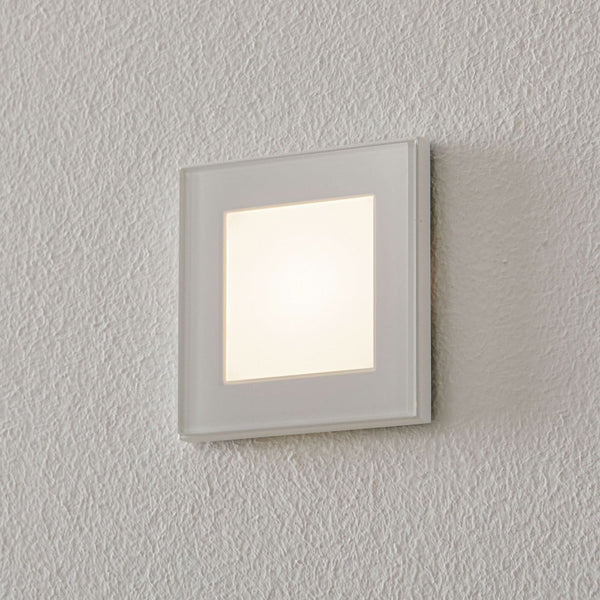
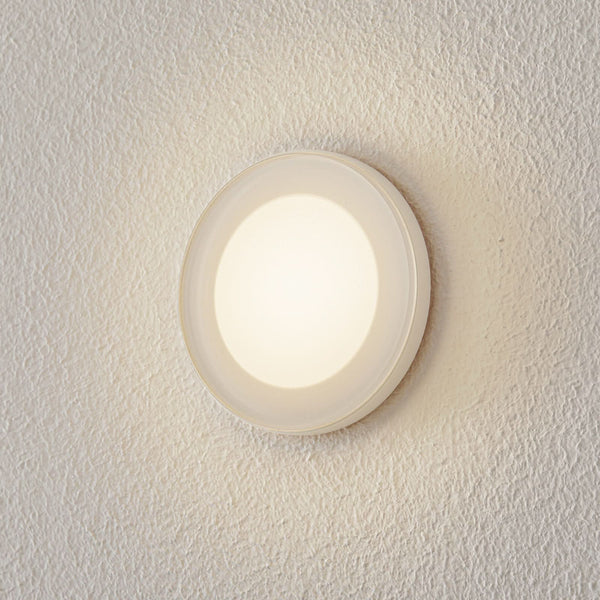
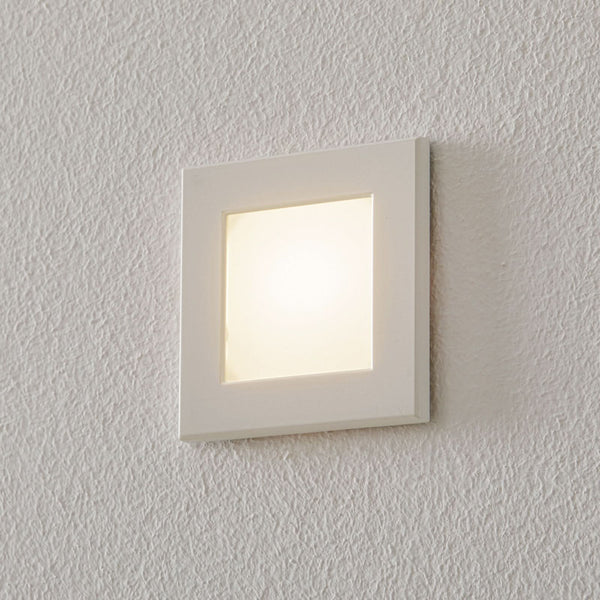
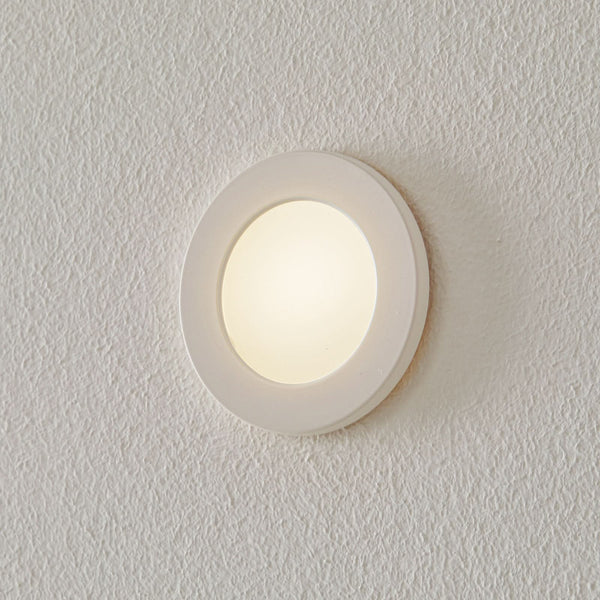
Recessed glass spotlights
This selection is also available in our French store: Spots encastrables en verre






























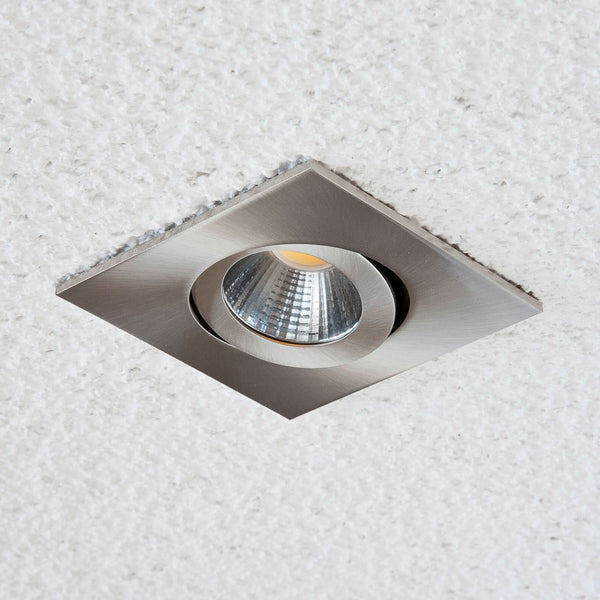

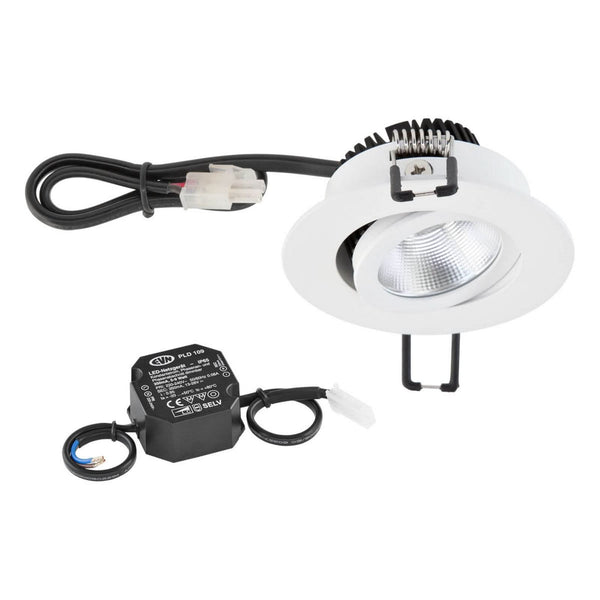

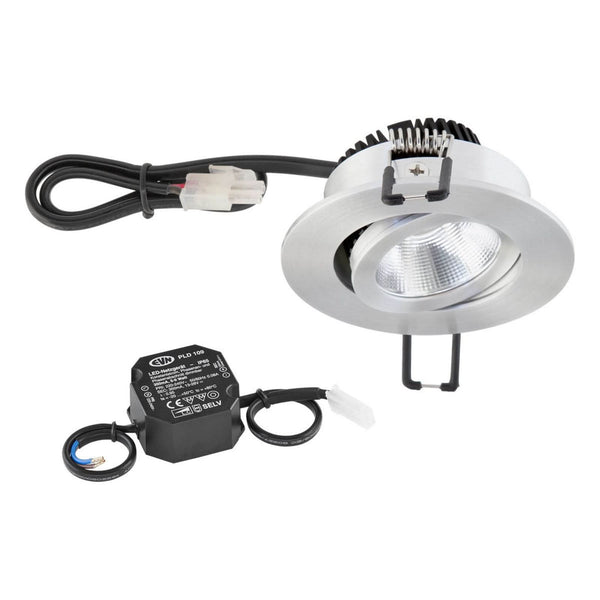

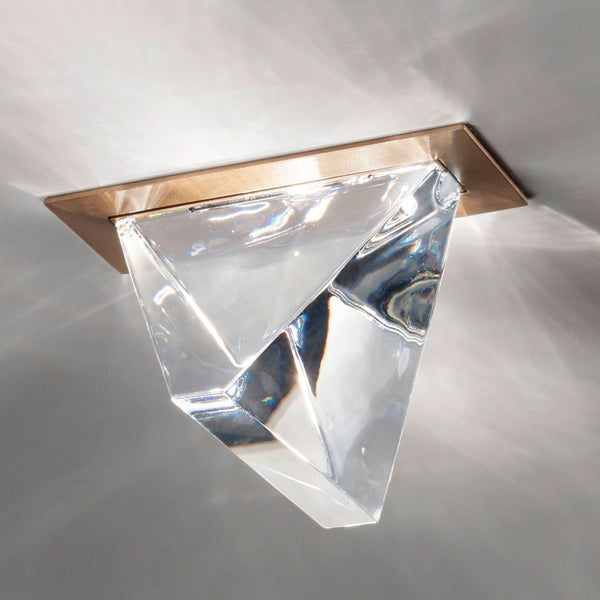








- Tracked delivery to your country Tracked delivery
- Secure payment at checkout Multiple payment methods
- 14 days to change your mind 14-day returns
- Secure payment Secure payment
Not sure of your style? Find it in 30 seconds
A few questions, and we will show you the pieces made for you.
Frequently asked questions
How do I choose the right light output?
At what height should the light be installed?
What type of bulb?
Compatible with LEDs and dimmers?

Light changes everything
From statement chandeliers to discreet wall lights, we help you choose the right brightness, height and style for every room.
- Tracked delivery
- Pay in instalments, where available
- 14 days to change your mind
- Advice & showroom in Lyon, France
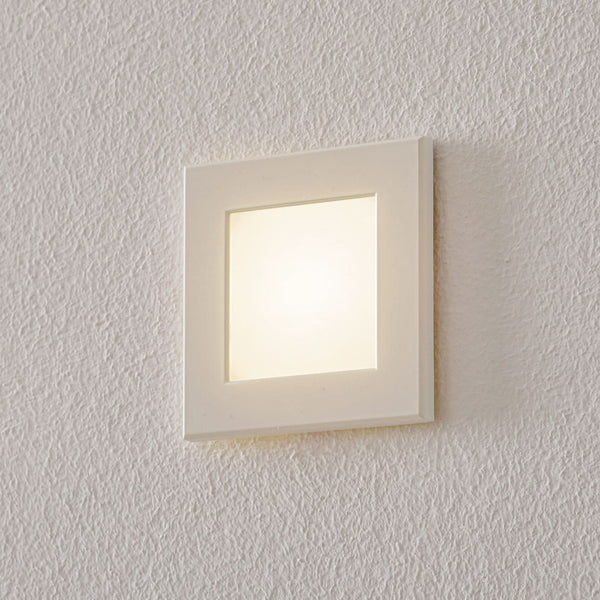
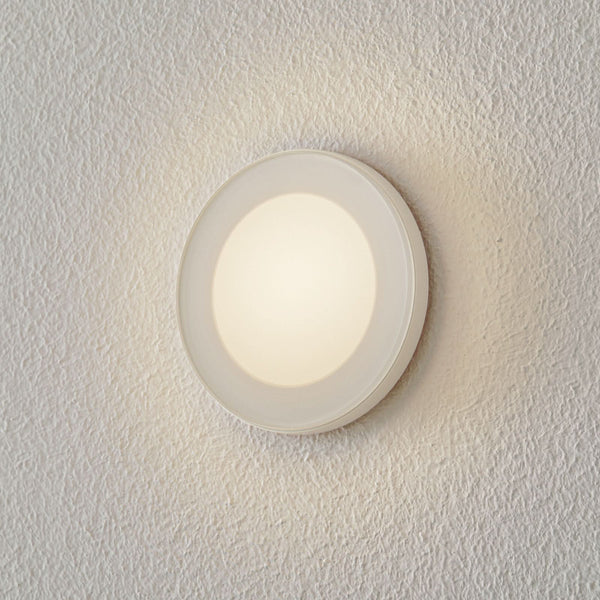
Start by choosing the room to light, then the base and the cut-out diameter: the glass comes last, because it softens the beam and dresses the ceiling once the spotlight is switched off. A frosted glass gives an even light, a ribbed or smoked glass adds character without glare.
What light does a recessed glass spotlight give?
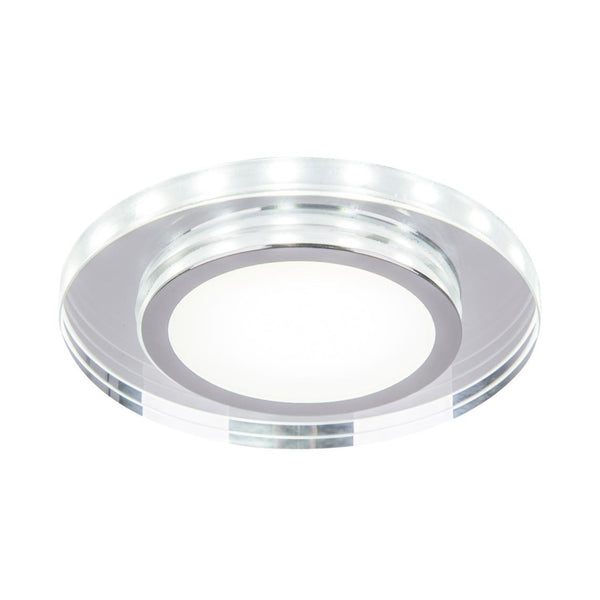
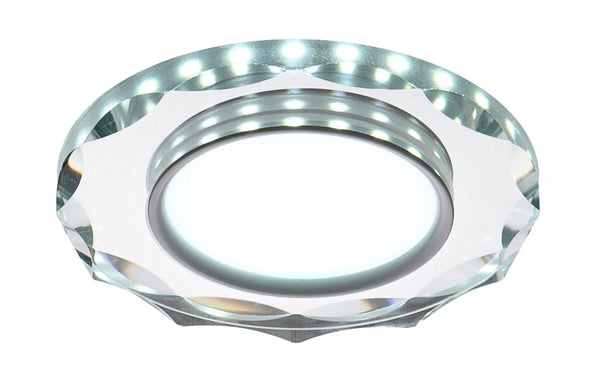
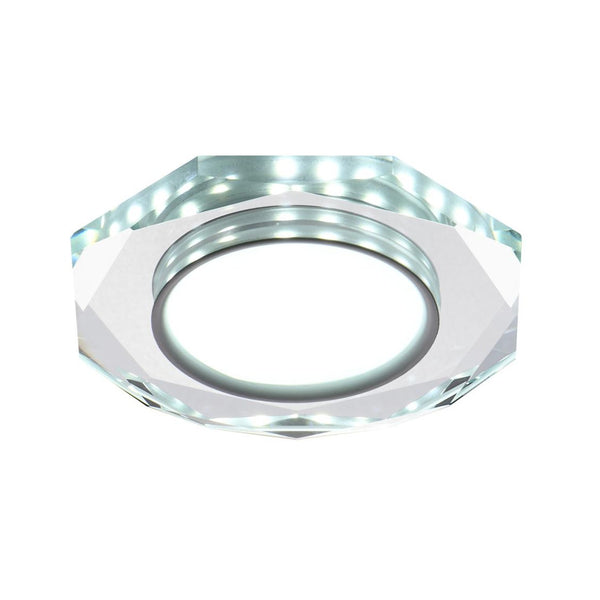
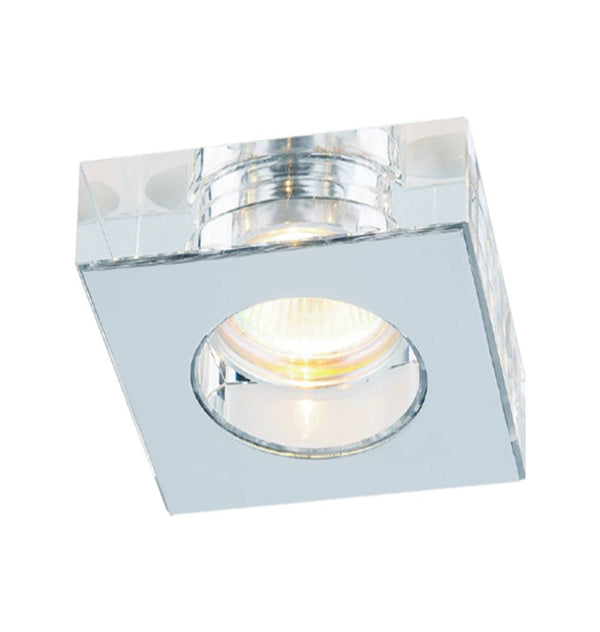
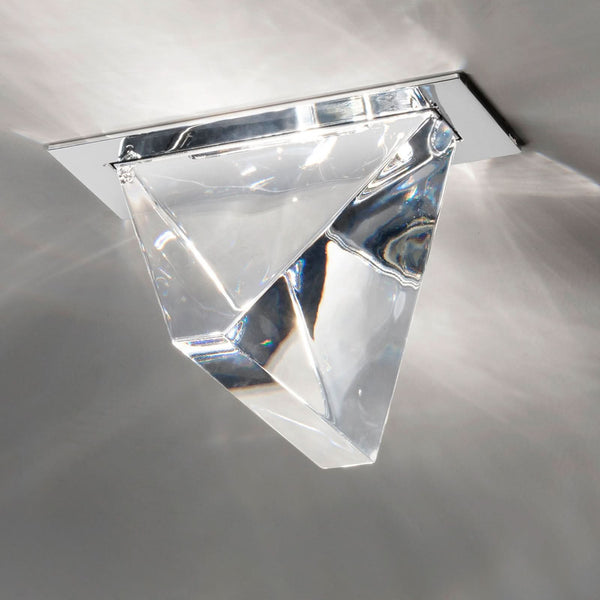
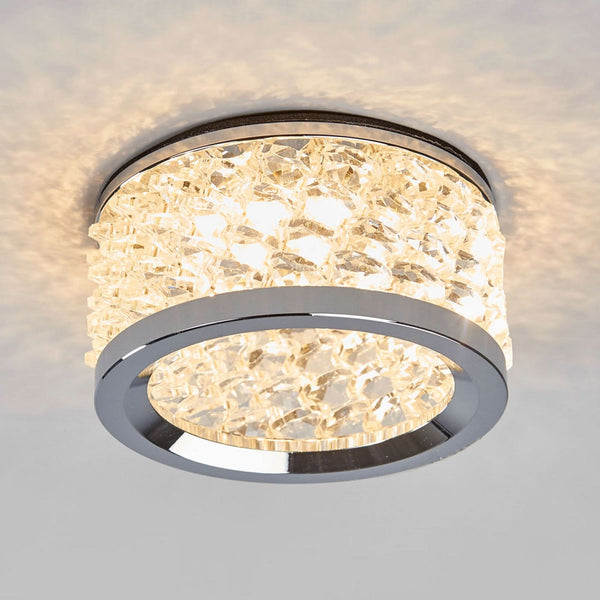
The glass acts as a diffuser: it softens the beam, reduces glare and leaves the source visible, which gives a more dressed look than an opal cover. A frosted glass lights widely and evenly, a ribbed glass draws luminous patterns, a clear glass stays more direct.
What the glass changes in the light rendering
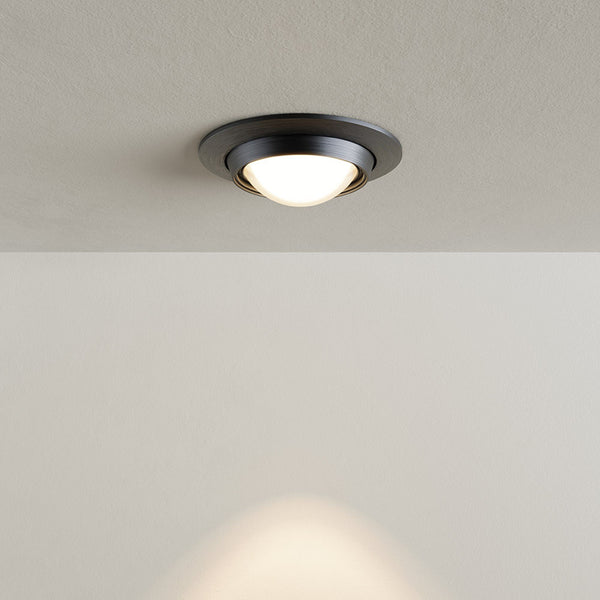
On a ceiling, an open spotlight sends a raw light and the eye catches the source as soon as it enters the beam. The glass adds a thickness that spreads the light, and the chosen colour temperature (around 2700 to 3000 K for a warm mood, rather 4000 K for task lighting) reads more softly. The more satin the frosting, the more enveloping the light. This is what sets these models apart from an ordinary ceiling light, and this is what you look for in a design selection where the spotlight stays visible on the ceiling.
Recessed glass spotlight or opal diffuser spotlight?
An opal cover completely hides the source and gives a very uniform light, with no shine at all. Glass, on the other hand, keeps a sparkle and a material: you see a reflection, a stripe, a tint, and the ceiling gains a detail. For a hallway or a utility room, opal does the job very well. For a room where you live, glass brings something more. Both families coexist in all our light fixtures.
How to choose a recessed LED glass spotlight according to the room?
You start from the room, then from the base, the cut-out diameter and the available recess depth. In a kitchen and in a hallway, a narrow beam avoids cast shadows; in a living room, a wider beam and a frosted glass give an ambient light. Always check these dimensions before drilling.
The criteria that matter: base, cut-out diameter, depth
The base decides which source you will be able to replace: GU10 connects directly to the mains, GU5.3 requires a low-voltage transformer, an integrated LED source means replacing the whole spotlight at the end of its life. The cut-out diameter is the size of the hole and must match what your ceiling accepts. Recess depth is the most forgotten point: above a plasterboard, you need room for the housing and the wiring. Measure before ordering.
Which glass finish for a white or black ceiling?
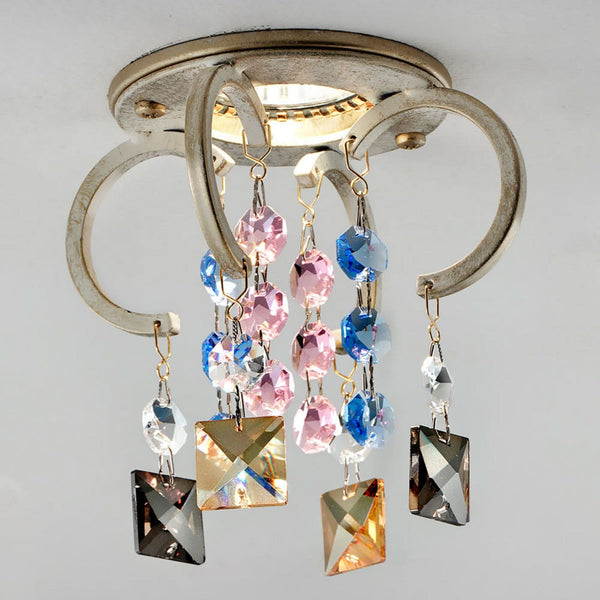
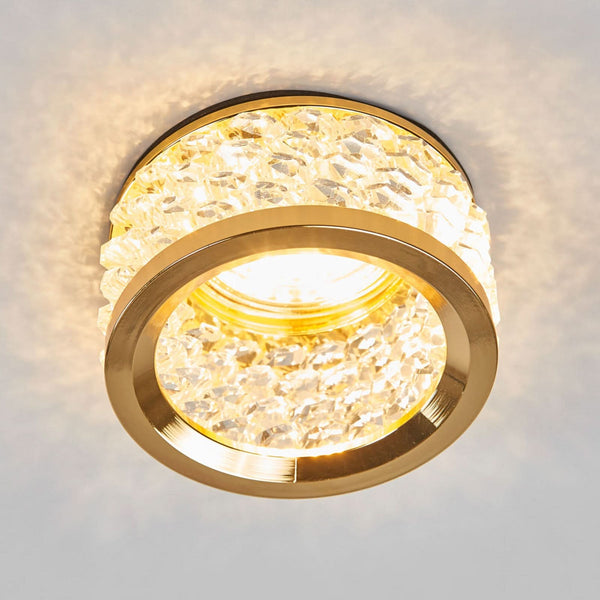
On a white ceiling, a clear or slightly smoked glass draws a sharp contrast, while a frosted glass stays discreet. On a black ceiling, white finishes stand out as points of light. Black models blend into the surface instead, and a gold metal frame becomes a decorative accent when the light is off.
| Room | What matters first | Type of light to aim for | Glass finish | Point of vigilance |
|---|---|---|---|---|
| Kitchen | Worktop lighting | Directed beam, few cast shadows | Frosted or ribbed glass | Avoid a point behind the person cooking |
| Living room | Mood and accompanying light | Wide and soft beam | Frosted, smoked or ribbed glass | Plan for dimming |
| Bathroom | Protection against humidity | Even light around the mirror | Frosted glass | Choose an IP rating suited to the zone |
| Hallway and corridor | Rhythm and guidance | Narrow, aligned beam | Clear or smoked glass | Follow the circulation axis |
| Bedroom | Visual comfort | Grazing or indirect light | Frosted glass | Limit glare from the bed |
Once the room and the diameter are confirmed, compare the glass finishes in the collection before ordering.
How many spotlights in a kitchen?
There is no universal number: it depends on the surface, the ceiling height, the wall colour and what you want to light. You reason by zones, worktop, sink, circulation, and you cross the power of the sources with the beam angle rather than counting points at random.
Counting by zones rather than by surface
Three zones are enough to structure a kitchen: the worktop, the water point and the circulation areas. Each zone receives the points it needs to be readable, without trying to cover the room uniformly. A well-thought-out kitchen often makes do with fewer points than you would imagine, provided they are well placed. Kitchen spotlights are chosen on this usage plan, not on a count per square metre.
Narrow or wide beam above the worktop
Above the worktop, a narrow beam concentrates the light where the hands work and limits the shadows cast by the body. A wide beam requires more power for the same result on the floor and lights the wall units more, which then reflect light back to the eye. In practice, you keep the wide for mood and the narrow for the task. The LED variant above the worktop simplifies this choice.
How to lay out spotlights on the ceiling?
You distribute the spotlights according to uses, not according to the ceiling: a line along the worktops, an alignment along the axis of a hallway, a regular grid in a living room. You keep constant gaps between the points and keep the spotlights away from the walls to avoid pools of light.
The layouts that work: line, grid, alignment
The line suits long surfaces, kitchen or bookcase. The regular grid, square or rectangular, structures a living room and gives a readable rhythm to the ceiling. Alignment along the axis is essential in a hallway or an entrance, where the eye follows the direction. An adjustable spotlight also allows you to shift the beam after installation, which makes up for an imperfect layout.
Why keep spotlights away from the walls?
A spotlight placed too close to a wall projects a very marked patch, with a dark zone just above. By moving away, the light falls further onto the surface and blends with the rest of the lighting. This setting matters a lot in a living room, where you want a regular mood, and it is prepared before drilling. Spotlights designed for the living room are installed with this logic.
How to wire spotlights in series or in parallel?
Recessed spotlights are connected in parallel: each point receives the same voltage and works independently. Series wiring is not used for domestic lighting, the voltage is distributed between the points and the rendering becomes uneven. Cut the power before any work.
Why parallel is essential for spotlights
In parallel, each spotlight receives the circuit voltage and produces the same light. In series, the available voltage is shared and the intensity drops as you add points, which gives different brightness from one spotlight to another. This is why domestic lighting is not wired this way. The connection is made at the start of the circuit, not from spotlight to spotlight.
What to check before connecting
Check the cross-section of the conductors, the number of points planned on the circuit and the compatibility with the dimmer module if you install one. An accessible terminal block and clean cable marking avoid many mistakes later. For any work on the electrical panel, call an electrician. Dimmer-compatible models require this additional check.
Design glass spotlights: bases, materials and dimmer compatibility
Three points decide the rendering: the base, the compatibility with a dimmer and the workmanship of the glass. A ribbed or smoked glass adds character, a frosted glass stays discreet. To modulate the intensity, the source and the dimmer must be compatible, otherwise the dimming buzzes or flickers.
Tempered, ribbed, frosted glass: which rendering to choose?
| Type of glass | Light rendering | Where it suits | Maintenance |
|---|---|---|---|
| Frosted or satin glass | Soft light, source barely visible | Living room, bedroom, bathroom | Soft cloth, marks barely visible |
| Ribbed glass | Drawn beam, patterns of light | Hallway, living room, decorative corner | Dry cloth, insist in the grooves |
| Clear glass | Direct light, visible source | Corridor, kitchen, accent lighting | Regular cleaning, visible marks |
| Smoked or tinted glass | Filtered light, muted rendering | Rooms with a dark mood | Non-abrasive product, avoid alcohol |
| Tempered glass | Close to clear glass, reinforced heat resistance | Kitchen and heavily used rooms | Soft cloth, no scouring sponge |
Which base for a recessed glass spotlight?
GU10 remains the most common: it works directly on the mains and the source is replaceable. GU5.3, also called MR16, requires a low-voltage transformer that must be able to fit above the ceiling. An integrated LED source removes the need to change bulbs, but means replacing the whole spotlight at the end of its life. The base does not change the rendering of the glass, it changes the way you will handle maintenance. A gold finish combined with metal frames plays on another register, more assertive.
Where to install glass spotlights and how to maintain them?
Cover the spotlight, cut the power and clean the glass with a soft cloth and a non-abrasive product: a frosted glass marks quickly. For the location, take humidity and splashes into account: a wet room requires suitable protection, a kitchen a glass that is easy to degrease.
Living room, kitchen, hallway, bathroom: the right uses
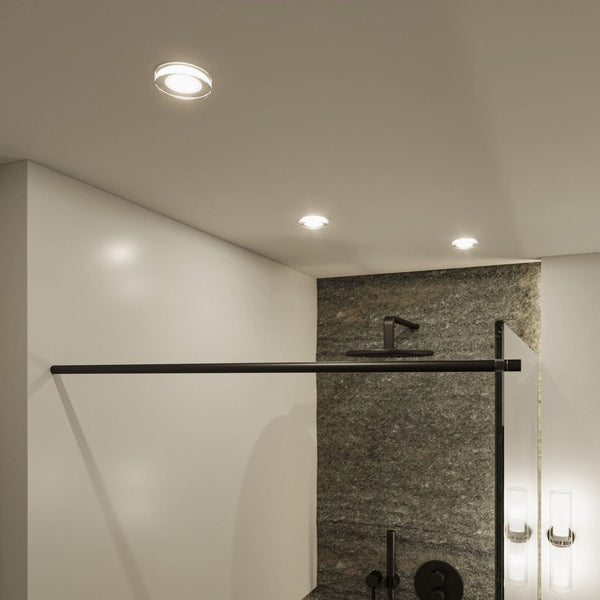
In a living room, the glass spotlight accompanies the mood rather than lighting it alone, and dimming makes the room more comfortable in the evening. In a kitchen, it works above the worktop and must degrease effortlessly. In a hallway or corridor, it paces the passage. In a bathroom, the mirror area requires an even beam and protection chosen according to the distance from water. For a living room, also see living room LED lighting.
Cleaning a glass spotlight without scratching it
Wait until the spotlight is cold, then wipe the glass with a soft microfibre cloth and a non-abrasive product. Avoid scouring sponges and alcohol on tinted or smoked glass. Regular dusting is enough to keep a clean rendering, and it avoids having to scrub. In a kitchen, degrease more often: the cooking film settles quickly on clear glass and dulls the light. Modern style kitchen spotlights are cleaned the same way.
What mistakes to avoid with recessed glass spotlights?
The most frequent mistakes: multiplying the points without thinking about the zones to light, mixing two colour temperatures in the same room, forgetting dimmer compatibility and neglecting the available recess depth. A simple plan per use is better than a saturated ceiling.
Mixing two colour temperatures
A 3000 K spotlight next to a 4000 K spotlight is immediately visible: one leans towards yellow, the other towards cold white, and the ceiling loses its consistency. So you keep a single temperature per room, chosen according to use, rather than mixing references as purchases go on. Same remark for the glass: a frosted model and a clear model side by side are noticeable. Spotlights with elaborate designs are often chosen by series, to keep this unity.
Forgetting dimmer compatibility and recess depth
A source not designed for dimming buzzes or switches off in steps, and a housing that is too deep will not fit in the slab. These two points are checked before purchase, not during installation. Also plan the space for the transformer if you go for low voltage, and leave access for maintenance. Dimmable LED spotlights state this compatibility in their data sheet. For depth, nothing beats measuring on site.
Frequently asked questions
How many spotlights in a kitchen?
There is no standard number: everything depends on the surface, the ceiling height and the zones to light. You count by use, worktop, sink, circulation, then you cross the beam angle and the power of the sources. Two layers of light are better than a ceiling saturated with points.
How to wire spotlights in series or in parallel?
A recessed spotlight is wired in parallel: each point receives the same voltage and switches on independently. Series wiring is not used for domestic lighting, the voltage is distributed between the points and the rendering becomes uneven. Cut the power before any work.
What is called a design recessed glass spotlight?
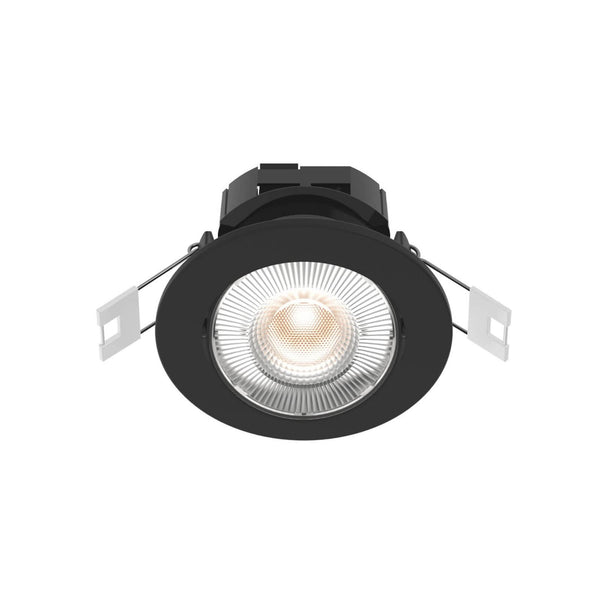
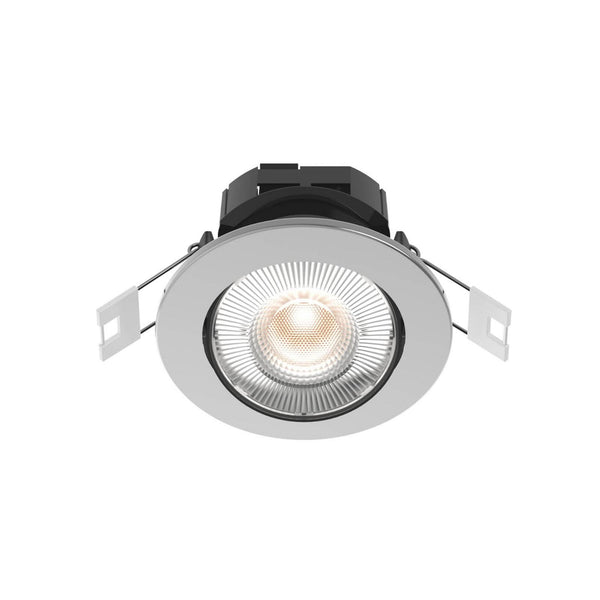
It is a spotlight whose visible part is a worked glass, ribbed, frosted, smoked or with a marked shape, which stays flush with the ceiling. The glass diffuses the light and becomes a decorative detail when the spotlight is off, which sets it apart from a model with a plastic cover. See the adjustable LED version to combine both.
Can glass spotlights be installed in a bathroom?
Yes, provided you respect the zones of the room and the IP rating of the spotlight: the closer you get to the shower or the washbasin, the higher the protection against humidity must be. Also check that the glass and the frame withstand a damp environment over time.
Can a recessed glass spotlight be put on a dimmer?
It depends on the source and the dimmer module, not on the glass. To vary the intensity without buzzing or flickering, you need a source designed for dimming and a compatible dimmer. Check this compatibility before purchase if you want to modulate the mood. See the dimmable LED spotlights.
Order from Designix
Secure payment, tracked delivery, returns and Designix customer service accompany every order. Compare the cut-out diameters, the bases and the glass finishes in the Designix lighting catalogue, then confirm your basket.