
Gold-colored recessed spotlights
This selection is also available in our French store: Spots encastrables coloris doré




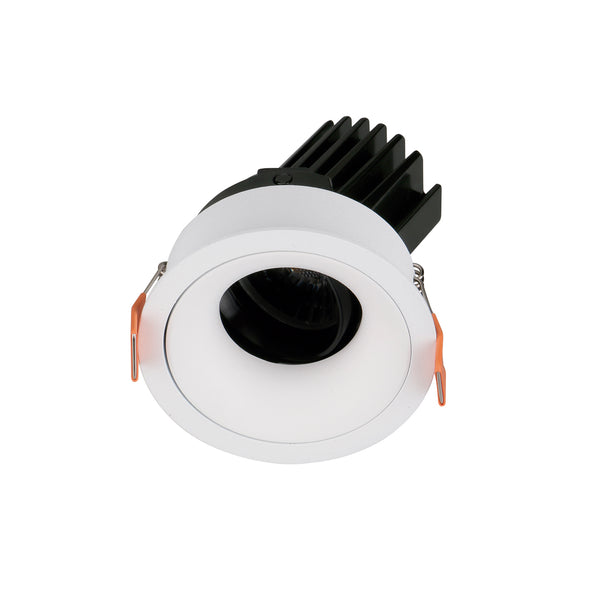



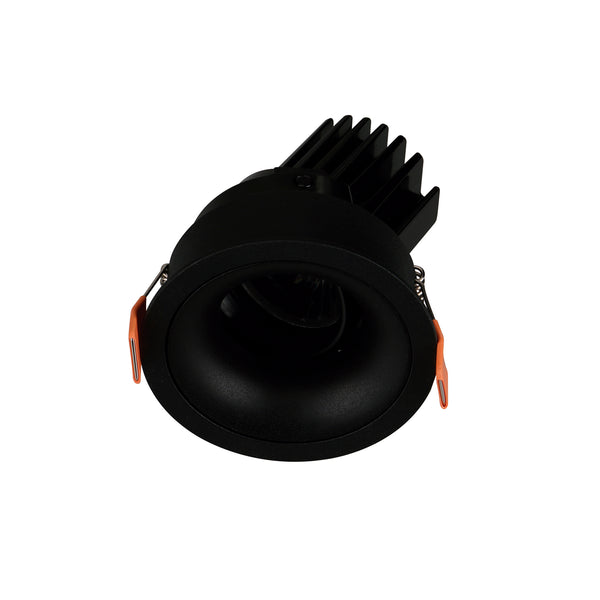

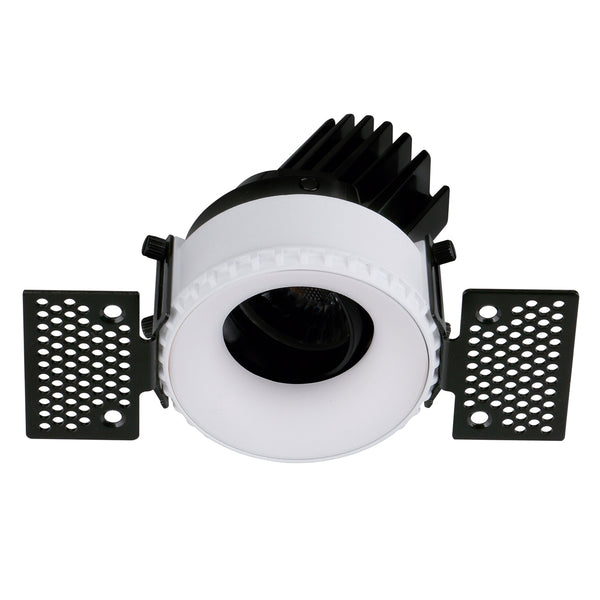


















- Tracked delivery to your country Tracked delivery
- Secure payment at checkout Multiple payment methods
- 14 days to change your mind 14-day returns
- Secure payment Secure payment
Not sure of your style? Find it in 30 seconds
A few questions, and we will show you the pieces made for you.
Frequently asked questions
How do I choose the right light output?
At what height should the light be installed?
What type of bulb?
Compatible with LEDs and dimmers?
Light changes everything
From statement chandeliers to discreet wall lights, we help you choose the right brightness, height and style for every room.
- Tracked delivery
- Pay in instalments, where available
- 14 days to change your mind
- Advice & showroom in Lyon, France
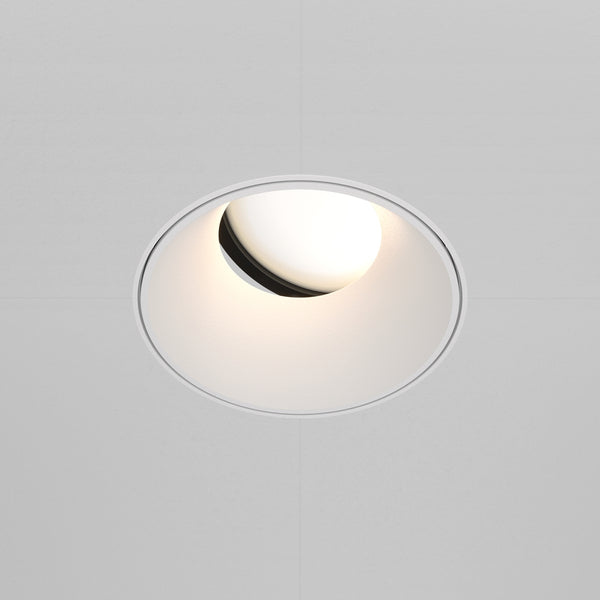
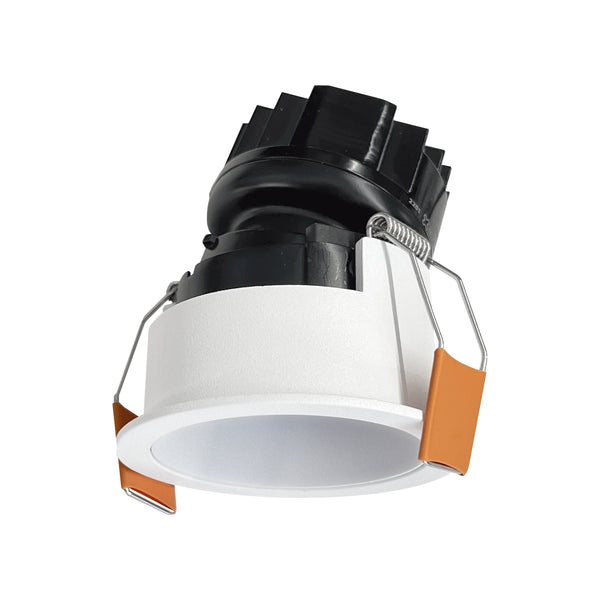
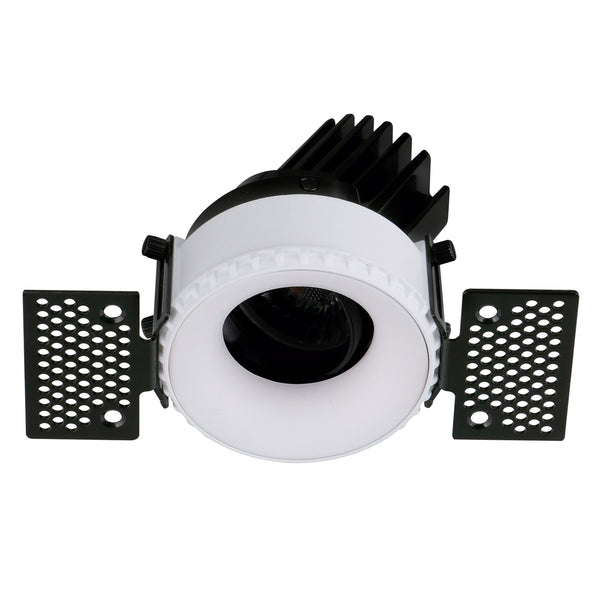
A gold recessed spotlight fits into a ceiling cut-out and shows a gold trim ring or cage, with a GU10, GX53 or G9 socket or an integrated LED source. Choose the room and the protection rating first, then the shape, round or tube, before settling on the socket and the light temperature.
What is a gold recessed spotlight?
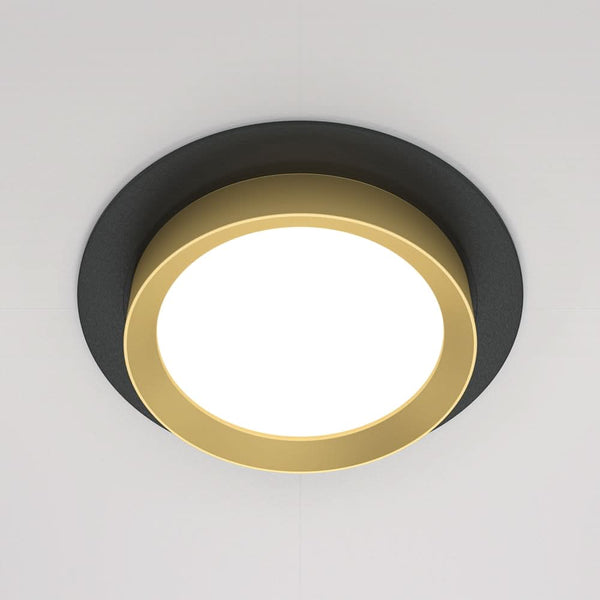
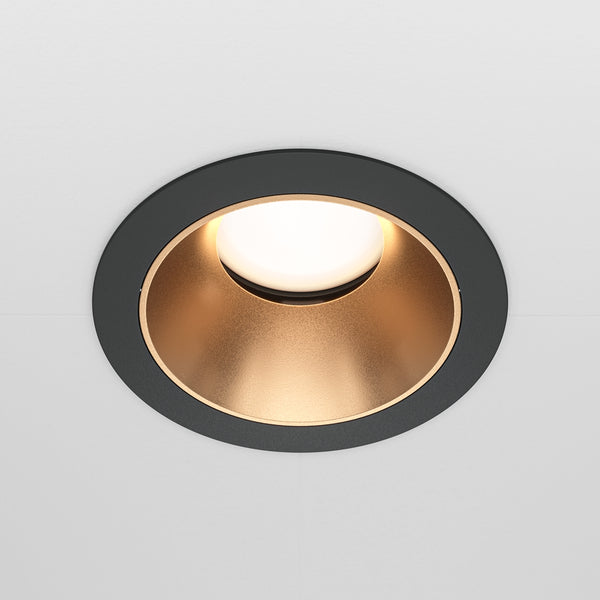
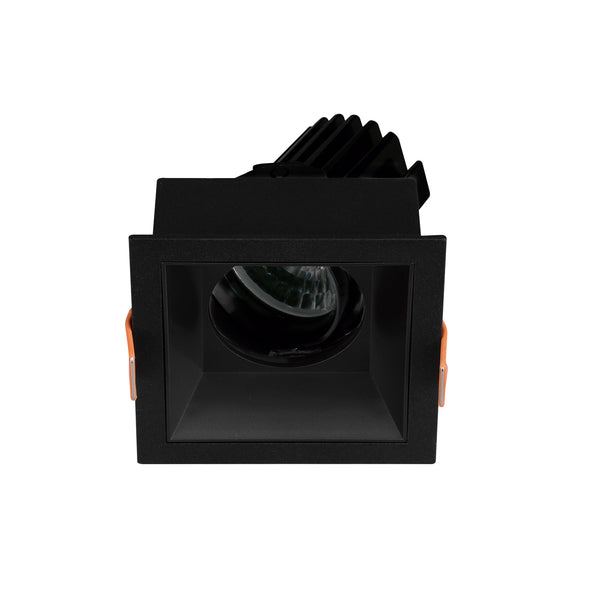
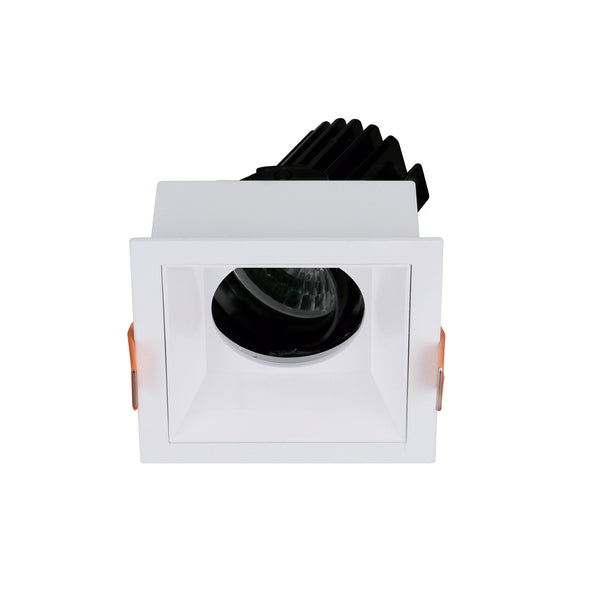
A gold recessed spotlight is a ceiling light with a gold trim ring or cage, often in aluminium, steel or metal. It fits into a dedicated cut-out and takes a GU10, GX53 or G9 bulb or an integrated LED source. Round models dominate, alongside a cylindrical tube format.
Round shapes and cylindrical tubes
The round model with a slim trim ring blends into a ceiling and lets the light do the work. The cylindrical tube, like the Bjorn adjustable spotlight at Ø 6 cm, marks an axis and suits low ceilings. The gold cage, for its part, becomes a visible motif, best kept for rooms where the ceiling is looked at.
Aluminium, steel or metal
Aluminium dominates the selection and stays light on the ceiling, steel brings a denser finish, metal is used for adjustable models. These gold finishes pair with a white version of the recessed spotlights on the same ceiling, or with the black version of the recessed spotlights for a strong contrast.
| Socket | Stated wattage | Technology | Bulb required | Models concerned |
|---|---|---|---|---|
| GU10 | 10 W | LED | GU10 bulb | Bjorn, Aurelis, Ridley, Sorinne, Aurel |
| GX53 | 12 W | LED | GX53 bulb | Auroca |
| LED | Integrated LED source | LED | No bulb required | Santa Deep |
| G9 | Not stated | LED | G9 bulb | SK-93 Doré |
How should spotlights be laid out in a ceiling?
To lay out spotlights in a ceiling, align them on an axis parallel to the longest wall, in an even number on either side of the centre. In a hallway, keep a regular line; in a living room, spread them in a rectangle or a square. Avoid placing them right up against the walls.
A regular line in a hallway
A hallway needs only a single row, evenly spaced. Recessed spotlights for living rooms also work in this passage, provided the gap between each point stays identical. A single spotlight out of line shows immediately on a ceiling.
A rectangle or a square in a living room
In a wide room, draw a rectangle with the points at its corners, then add a central point if the area stays dark. Mixing formats is worth trying: a Ø 8.5 cm round for the grid, a tube to mark an entrance. The ceiling reads at a glance, and regularity matters more than quantity.
How many spotlights in a kitchen?
The number of spotlights in a kitchen depends on the floor area and the work zones. Allow one point above the sink, one above the hob and one for each preparation surface, then adjust according to natural light. Better to spread several points than to overlight a single zone.
One point per work zone
The light must fall in front of you, not behind you: a spotlight placed in line with your hands casts your shadow onto the chopping board. Kitchen models are placed around the edge of the worktop. The adjustable Santa Deep turns towards the area to be lit, which corrects this problem.
Which light temperature for a kitchen?
Neutral white, around 3500 to 4500 K, keeps food and worktops true to colour. Warm white, between 2700 and 3500 K, warms a room that opens onto the living room. The Santa Deep offers both ranges, with a dimmer, so you can switch from one to the other as needed.
How do you wire spotlights in series or in parallel?
Spotlights are wired in parallel: each socket receives the same voltage and the others keep lighting if one fails. Series wiring makes them dependent on one another and is mainly for LED strips. For GU10, GX53 or G9 spotlights, have the wiring diagram checked by an electrician.
How do you wire GU10 spotlights?
The supply cable reaches the first spotlight, then runs to the next, and so on: live, neutral and earth travel from socket to socket. Each GU10 stays independent, which makes replacing a bulb simpler. A dimmer-controlled installation requires a module compatible with the total load of the circuit.
Can several spotlights be wired on the same circuit?
Yes, as long as the combined wattage stays within the limits of the circuit breaker and the dimmer. A lighting circuit easily supplies several 10 W LED points. If you plan a dimmed control, turn to a dimmable LED selection and check compatibility before installation.
Which gold spotlight should you choose for each room?
For the living room and hallway, a round gold spotlight with a slim aluminium trim ring, GU10 or GX53 socket, is enough in IP20. For areas exposed to splashes, an IP65 model such as the Aurelis IP65 withstands water jets. In a kitchen, an adjustable spotlight lights the worktop; in a dressing room, a compact format avoids shadows.
Gold recessed spotlight for living room and hallway
The Ridley with slim trim ring at Ø 8.5 cm, in IP20 aluminium, gives even light without drawing a pattern on the ceiling. Living room lighting benefits from mixing two formats: a round for the grid, a tube for the entrance.
Gold IP65 spotlight: where should it be installed?
An IP65 rating protects against dust and water jets. It is reserved for splash zones, while the other models in the collection remain IP20 and are placed in the living room, hallway, kitchen, entrance or dressing room. For a covered terrace, look instead at the recessed outdoor spotlights.
| Model | Shape | Material | Socket | Protection | Dimensions |
|---|---|---|---|---|---|
| Bjorn LED spotlight | Cylindrical tube | Aluminium | GU10 | IP20 | Ø 6 cm |
| Aurelis LED spotlight | Round | Aluminium | GU10 | IP65 | Ø 8.5 cm |
| Ridley LED spotlight | Round | Aluminium | GU10 | IP20 | Ø 8.5 cm |
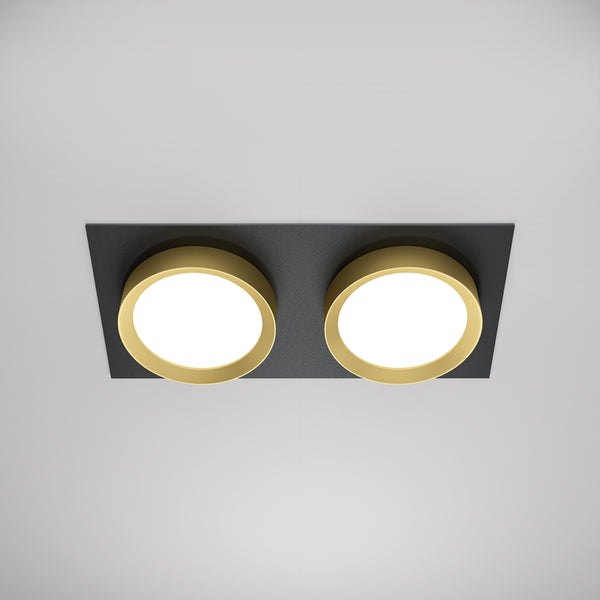
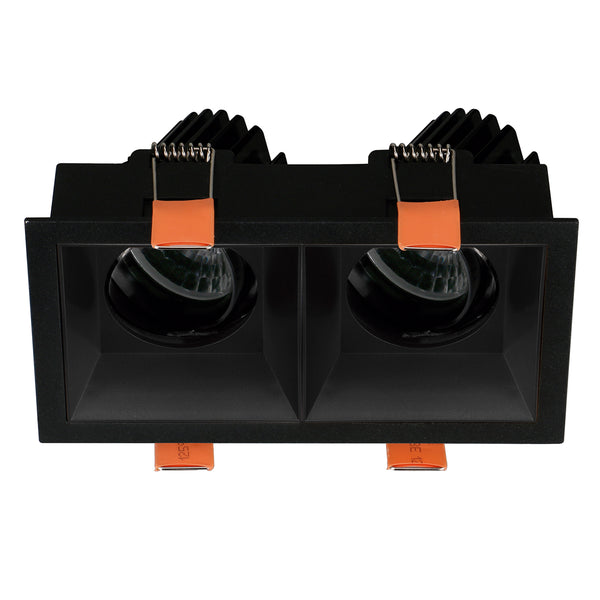
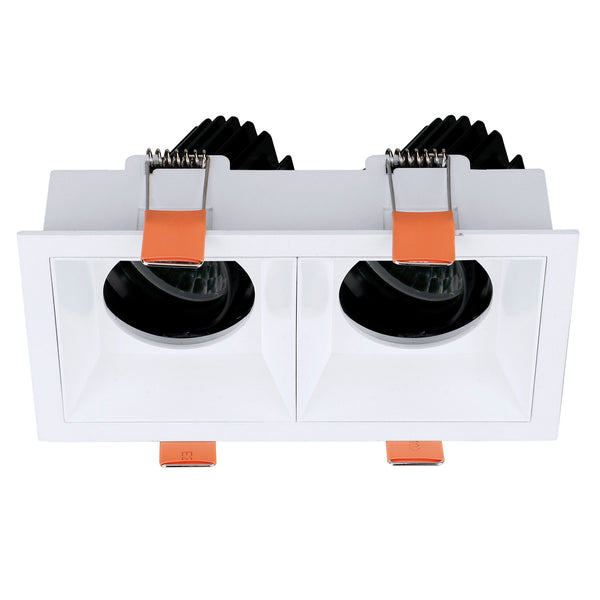
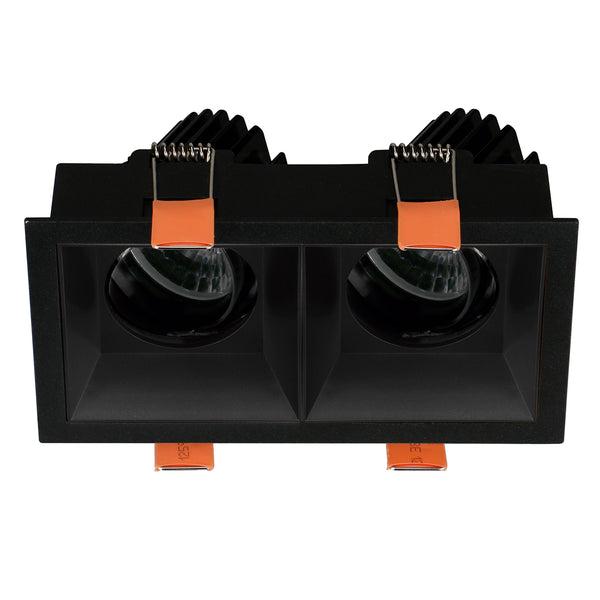
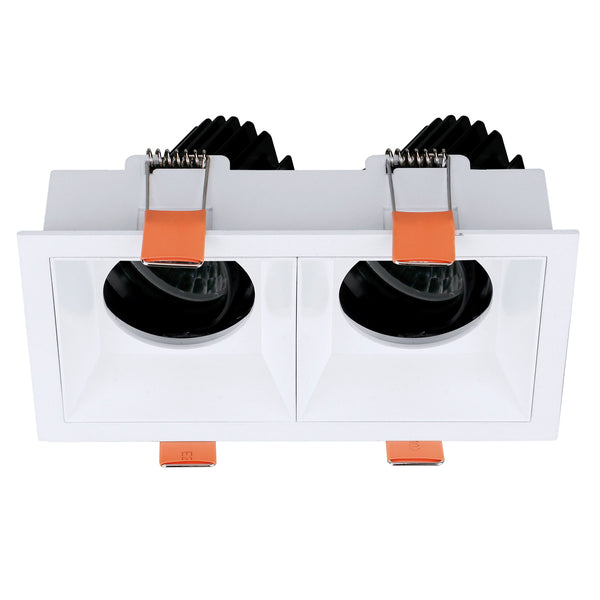
| Auroca LED spotlight | Round, two spotlights | Aluminium and plastic | GX53 | IP20 | L 11 cm, W 22 cm |
| Santa Deep LED spotlight | Adjustable round | Metal | LED | IP20 | Ø 13.8 cm, H 4 cm |
| SK-93 Doré LED spotlight | Round cage | Steel | G9 | IP20 | H 6.5 cm, Ø 5.4 cm |
Adjustable or fixed gold recessed spotlight: what is the difference?
A fixed recessed spotlight lights straight down and suits low ceilings or hallways. An adjustable spotlight turns towards a wall, a picture or a worktop, which corrects glare and highlights an area. The slim trim ring stays discreet; the gold cage becomes a decorative motif.
Choosing between adjustable and fixed
In a hallway, fixed is enough: there is nothing to aim at, the light falls on the floor. Above a worktop or a bookshelf, adjustability changes everything. Adjustable recessed spotlights are set once at installation and then left alone. An adjustable LED range saves buying a bulb later.
Slim trim ring or gold cage
The slim aluminium trim ring reads as a simple gold outline on the ceiling, ideal in a series. The SK-93 gold cage, in steel, draws a volume and is used as a single point rather than in a row. Mixing the two in the same room breaks the regularity of the ceiling.
How do you install and care for a gold recessed spotlight?
Before installation, switch off the power and mark the cut-out indicated by the manufacturer of the chosen model. Connect the wires to the terminal block or connector supplied, clip the spotlight into the ceiling, then test the lighting. For care, dust dry and avoid abrasive products on the gold finish.
Preparing the ceiling before installation
- Switch off the power at the circuit breaker and check that there is no voltage.
- Mark the cut-out according to the diameter stated for your model, then drill with a saw suited to the surface.
- Feed the cable through, connect to the connector, switch the power back on to test.
- Clip the spotlight in, check that it sits flush, then check the whole circuit.
Cleaning the gold finish without scratching it
A soft, dry cloth is enough on aluminium and steel. Abrasive powders and scouring pads dull the gold, especially on a slim cage. The rest of the lighting selection follows the same rule: regular dusting rather than vigorous cleaning.
What budget should you allow for gold recessed spotlights?
The budget for a gold recessed spotlight varies with the material, the socket and the finish. An aluminium model with a GU10 socket stays affordable; a steel cage spotlight or a piece with a more elaborate shape sits higher. The current price is shown on each product page in the collection.
The calculation is per light point, not per fitting alone: add the bulb when the model has no integrated source. A spotlight with an integrated LED source avoids that purchase but means changing the fitting at the end of its life. The gold spotlights and the adjustable recessed spotlights cover both cases.
Why choose Designix gold recessed spotlights?
Choosing Designix means ordering a gold recessed spotlight with secure payment, tracked delivery and returns. The Designix customer service team helps with the choice of socket, IP rating and format according to the room.
The selection covers round, tube and gold cage, in aluminium, steel or metal, with a five-year warranty on most models and two years on the others. Once the room and socket are decided, open the page for the chosen model: the grid shows the current price. Browse the whole Designix lighting catalogue to complete the lighting.
Frequently asked questions
Gold chandelier or gold recessed spotlights?
A gold chandelier provides a centrepiece, while gold recessed spotlights light the room without hanging from the ceiling. In a living room, gold spotlights can accompany a chandelier or replace it for more even light. The choice depends on ceiling height and the effect you want.
Gold recessed spotlights: which socket should you choose?
The socket depends on the spotlight's fitting. GU10 covers most models in the collection; GX53 is used on the Auroca, G9 on the SK-93 Doré, and the Santa Deep uses an integrated LED source. Check the socket before buying the bulb.
Gold IP65 recessed spotlight: for which room?
A gold IP65 recessed spotlight such as the Aurelis withstands water jets and dust. It is installed where splashes are possible, while IP20 models are installed in a living room, hallway, kitchen, entrance or dressing room away from splashes.
Adjustable or fixed gold recessed spotlight: which should you choose?
An adjustable spotlight turns towards a wall, a picture or a worktop and corrects glare. A fixed spotlight lights straight down and suits low ceilings or hallways. The choice depends on the area you want to highlight.
How many spotlights in a kitchen?
The number of spotlights in a kitchen depends on the floor area and the work zones. Allow one point above the sink, one above the hob and one per preparation surface, then adjust according to natural light. Spread several points rather than overlighting a single zone.




