
LED table lamps for bedroom
This selection is also available in our French store: Lampes à poser LED pour chambre


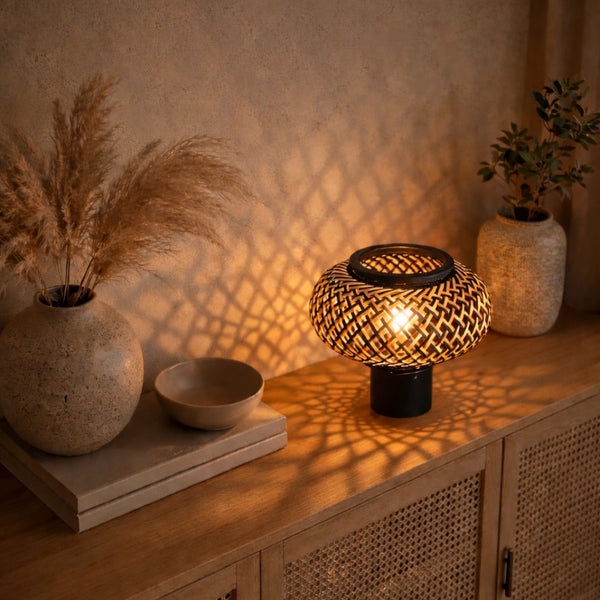

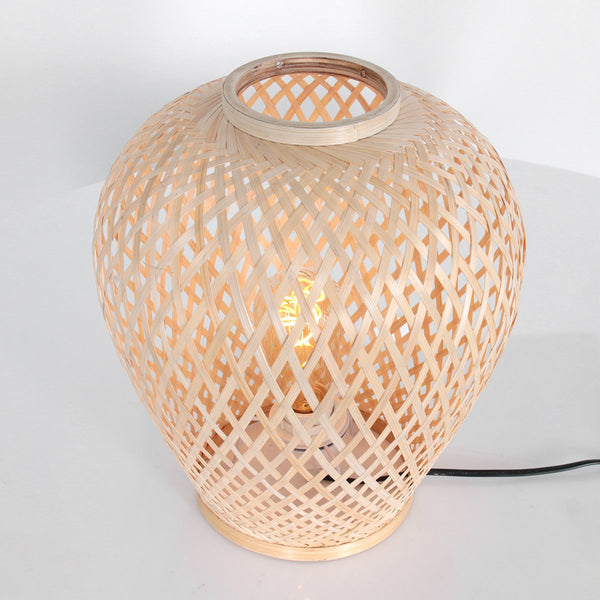

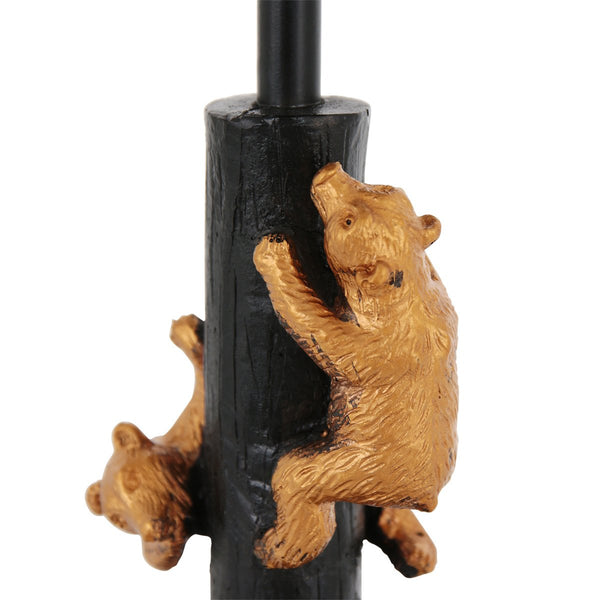




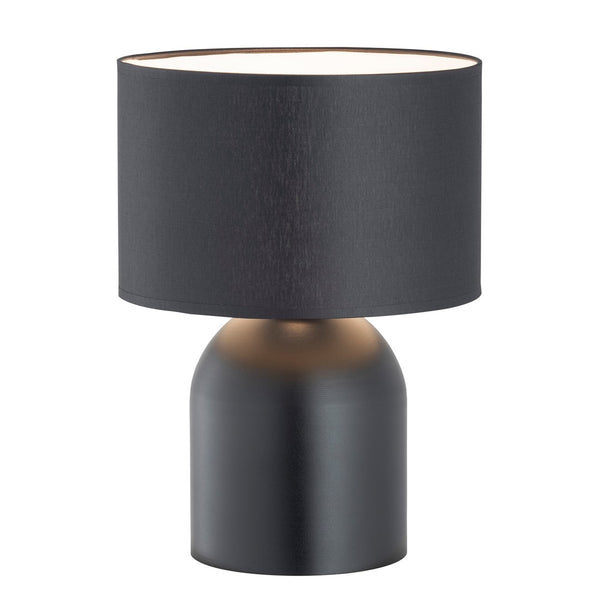

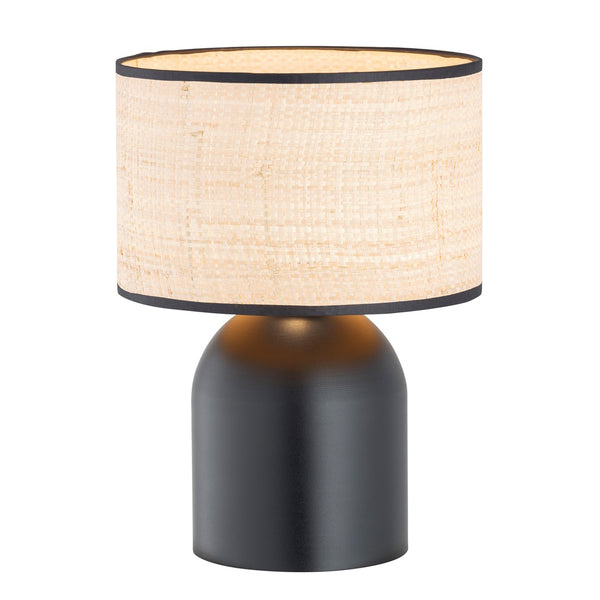

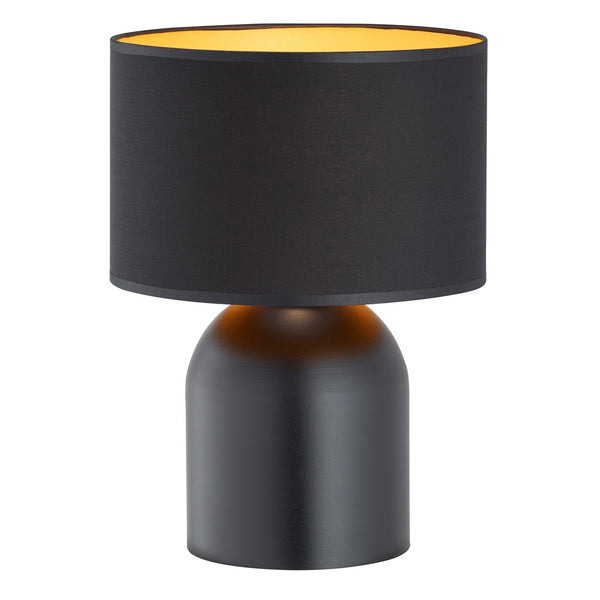

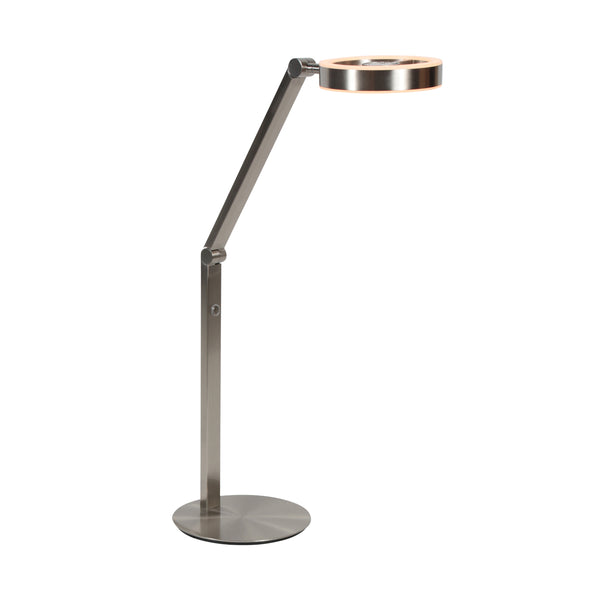


- Tracked delivery to your country Tracked delivery
- Secure payment at checkout Multiple payment methods
- 14 days to change your mind 14-day returns
- Secure payment Secure payment
Not sure of your style? Find it in 30 seconds
A few questions, and we will show you the pieces made for you.
Frequently asked questions
How do I choose the right product?
What are the delivery times?
Can I return an item?
Can I pay in instalments?

An interior that reflects who you are
Carefully selected pieces, shipped from our warehouses. Our team advises you before you buy, so you choose with confidence.
- Tracked delivery
- Pay in instalments, where available
- 14 days to change your mind
- Advice & showroom in Lyon, France
In a bedroom, plan on one LED table lamp at the bedside, in warm white and with diffused light, plus a general light switched on separately. The model is then chosen on three points: the size of the surface it sits on, the material of the shade and the presence of a dimmer to adjust the light.
Which type of LED for a bedroom?
In a bedroom, a warm white LED at moderate intensity is best: it gives enough light to read without hurting your eyes when you wake up. Choose a model with diffused light, with a dimmer if possible, and avoid light sources aimed straight at the bed.
LED lamps for bedroom: what changes the effect
The final effect does not come from the stated wattage, but from the way the light leaves the fitting. Clear glass lets through a sharp, bright point of light; a fabric, linen or opal glass shade spreads the light over the whole surface and softens it. The position of the light source also matters: placed near the lower edge of the shade, it lights widely but can reach the eyes; centred, it gives a more even glow. LED models with a crafted design often play on this combination of material and diffusion rather than on raw power.
Integrated LED or E14 / E27 bulb?
With an integrated LED, there is nothing to change: the light unit is made for the fitting and you replace the whole lamp the day it weakens. With a small E14 cap or a large E27 cap, you choose the bulb, its tone and its shape yourself, and you change it on its own. In both cases, check that the bulb you choose is compatible with the dimmer, otherwise the light may buzz or flicker at low intensity.
What is the ideal lighting for a bedroom?
The ideal lighting for a bedroom combines a soft general light and a point of light near the bed. An LED table lamp at the bedside provides the extra light for reading, while a ceiling light or a chandelier spreads general lighting without glare, switched on separately.
A soft light for reading in bed
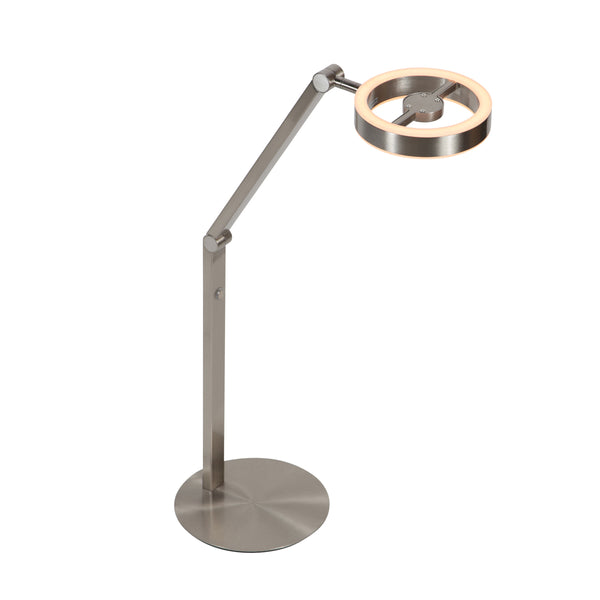
To read lying down, the source must be strong enough that you do not squint at the page, but aimed at the book, never at your face. This is where adjustable lamps come into their own: you tilt the beam onto the book and redirect it towards the wall when you want to close it. A shade whose lower edge comes down far enough hides the bulb along your line of sight.
Avoid lighting the person who is sleeping
Two people, two rhythms: the simplest is a point of light on each side of the bed, each with its own switch or dimmer. A compact model aimed at the wall is often enough. If one of you goes to bed later, avoid lamps that cast a wide halo, and prefer a low, directed light. For the whole room, browse the design table lamps for the bedroom: they are made for this kind of extra light.
LED lamps for bedroom: how to choose them?
First look at the size: a bedroom table lamp must fit on a bedside table or a chest of drawers without taking up the whole surface. Then check the material of the shade, the cap or the integrated LED, and the presence of a dimmer to adjust the light.
What size for a bedside table?
Measure the surface with a tape measure before choosing: width, depth, and the clear height above. The lamp must leave room for a phone, a book or a glass, otherwise it will end up on the floor. Its height is judged sitting on the bed: the shade should reach roughly shoulder height to light without glare. A wide lamp on a narrow table overflows, a narrow lamp on a large surface looks lost. Black metal bedside lamps use a compact format that lets the furniture breathe.
| Criterion | For falling asleep | For reading in bed | To avoid |
|---|---|---|---|
| Colour temperature | Warm white | Warm white aimed at the page | Very white or bluish light |
| Intensity | Low, adjustable if possible | Enough to read without squinting | Source too strong straight in the face |
| Direction | Towards the wall or ceiling | Adjustable towards the book | Beam aimed at the sleeper's eyes |
| Shade | Material that filters and softens | Lower edge to avoid glare | Clear glass with no diffuser |
| Placement | Bedside table, within reach | Shoulder height once seated | Far from the bed, forcing you to get up |
Cap, direction and dimmer: the criteria that really matter
The dimmer changes life in a bedroom: the same lamp acts as a night light in the evening and as a reading lamp when you need one. Direction matters if you read in bed, less if the lamp is only used as a night light. The cap, E14 or E27, decides your freedom to replace the bulb. Finally, the length of the cable and the position of the switch determine whether you can turn it on without getting up. Unsure about the size? The tilt of the reflector and the diameter of the shade are the two points to look at before confirming.
Where to place a table lamp in a bedroom?
A bedroom table lamp goes first on the bedside table, at shoulder height once seated. It also fits on a chest of drawers, a shelf or in a reading corner, provided it stays within reach so you can turn it on without getting up.
Bedside, chest of drawers or reading corner: three different uses
At the bedside, the lamp is used twice a day, at bedtime and on waking: it should stay understated and functional. On a chest of drawers, it lights the room in the evening and stands out more, which is where a more decorative piece takes its place. In a reading corner, it becomes the main source, with a slightly wider beam. One lamp per sleeper remains the most comfortable rule in a shared bedroom. Scandinavian-style models move easily from a chest of drawers to a reading corner thanks to their simple shapes.
What if the room is small?
When surface space is short, a wall light fixed above the bed frees the bedside table. As for table lamps, a compact model with a slim stem or a weighted base fits on a shelf or a wall-mounted headboard. Watch the cable: on a shelf, a wire hanging in mid-air gets caught underfoot. Gather it behind the furniture with a cable tie. The full lighting range is worth browsing to find formats suited to all our lighting families.
Ceiling light, chandelier, wall light or table lamp: which light for which room?
The ceiling light or chandelier lights the whole room; the table lamp, the wall light and the adjustable lamp provide local extra light. In a bedroom, the extra light at the bedside is preferred; in a living room or a WC, a diffused ceiling light usefully completes the ambient light.
| Type of light fitting | Room where it excels | What it brings | To pair with |
|---|---|---|---|
| LED table lamp | Bedroom, bedside, chest of drawers | Local extra light for reading or falling asleep | A ceiling light or chandelier for general light |
| LED ceiling light | Bedroom, hallway, small room | Diffused general lighting | A table lamp at the bedside |
| Chandelier | Living room, lounge, high ceiling | General light and visual presence | Table lamps for reading corners |
| LED wall light | Hallway, living room, headboard | Extra light without cluttering furniture | A table lamp to vary the mood |
| Adjustable bedside lamp | Bedroom | Targeted reading without lighting the other person | General lighting switched on separately |
| Pendant light | Dining room, kitchen | Light concentrated on a table or worktop | Extra lamps for the rest of the room |
| Small room light fitting | WC, entrance | Simple, sufficient lighting | Nothing more if the room is small |
Bedroom ceiling light and LED ceiling light: when to add one?
The two do not compete. The ceiling light lights the whole room, useful for getting dressed, tidying up or finding something that fell under the bed; the table lamp is used for reading and setting the mood. Ideally you can switch them on separately, with two switches or a remote control. In a small bedroom, a flat, diffused ceiling light avoids a bulky effect. If you are looking for a wall light for a headboard, an adjustable one avoids lighting the whole room when only one person is reading.
Chandelier for the living room, large chandelier for a high ceiling, light fitting for the WC
In a living room, the chandelier or ceiling light carries the general light; modern lines for the living area then complete the reading corners. Under a high ceiling, a large chandelier brings the source closer to the area to be lit, otherwise the light is lost. In a WC, a diffused ceiling light is enough: the room is small and little used, and a table lamp has no stable surface there. Too white a light looks cold, a warm white is more comfortable.
Which light colour for a bedroom and a living room?
For a bedroom, warm white gives a restful light in the evening. Neutral white, whiter, is better suited to rooms where you work or move around, such as a study or an entrance. In a living room, you can mix the two provided you switch the sources on separately.
Warm white or neutral white: which to choose?
Warm white leans towards orange: it relaxes, slightly colours materials and prepares you for sleep. Neutral white stays white without turning blue: it renders colours better and is less tiring if you read or work for a long time. In a bedroom, go for warm white for the extra light and keep neutral for the general light if you need to see clearly. The colour of the shade further changes the result: an ivory shade warms, a matt white one renders more faithfully. White models are the most neutral in a light-coloured room.
Light colour for a living room: the case of living areas
In a living room, a warm white brings out materials and stays pleasant in the evening. A neutral white works if you read or work in the room. The simplest is to combine: general light fitting in neutral white, table lamps in warm white, switched on separately. This principle also works for a study: LED desk lamps favour a whiter light, useful for reading a document or working on a screen.
How to match your table lamp with the rest of the decor?
Match the finish of the lamp with the materials already present in the room: black metal on dark furniture, linen or light fabric on wood. The colour of the shade matters as much as that of the base, because it colours the light diffused into the room.
Metal, linen, glass or crystal: the effect of each material
Metal, black or gold, gives a clear light and marked shadows: it structures a contemporary interior. Linen and fabric filter and warm the light, which makes them natural in a bedroom. Glass and crystal spread light throughout the room and turn the lamp into a decorative object. Matt or lacquered white gives a clear light with few shadows, ideal in an already colourful room. Gold and black finishes play on contrast, crystal pieces play on light, and contemporary black blends into a graphic interior.
| Material or finish | Light effect | Style | Care |
|---|---|---|---|
| Black or gold metal | Clear light, marked shadows | Contemporary, industrial | Soft cloth, avoid abrasives |
| Linen or fabric | Soft, warm light | Natural, soft, Scandinavian | Dry cloth or soft brush |
| Glass or crystal | Light that spreads through the room | Elegant, decorative | Glass cleaner, without rubbing hard |
| Matt or lacquered white | Clear light, few shadows | Minimalist, Scandinavian | Damp sponge, dry immediately |
Metal, linen, glass or crystal: the effect in the home
The same principles carry from one room to another. A modern kitchen decor, made of matt worktops and straight lines, calls for an understated metal or white light fitting; a light wood bedroom calls instead for a linen or fabric shade. Italian style, for its part, is recognisable by its drawn, often sculptural shapes and by noble materials such as glass, metal or crystal: light is worked as much as volume, and the piece sits like a decorative object on a chest of drawers or a console. Find these directions in the linen shades and the lighting collections by material.
How to care for a table lamp and connect several lamps?
A soft cloth is enough for the base and the shade; unplug the lamp before cleaning and avoid abrasive products on metal and fabric. For several lamps, a power strip or a block of sockets on the same supply works if the total wattage stays within the limits of the circuit.
Cleaning the base and the shade without damaging them
Always unplug before doing anything. On metal, a soft, slightly damp cloth, then dry immediately to avoid marks. On fabric or linen, a soft brush or a dry cloth, without wetting: water marks the fibres. On glass and crystal, a glass cleaner applied to the cloth, never directly on the piece. Dust the inside of the shade, that is where dust builds up and dulls the light. Black models for the living room simply need a soft cloth and a little regularity.
How to connect several lamps to a single power supply
Several lamps can share the same socket via a power strip or a block of sockets, as long as the total wattage of the bulbs stays within the limits of the circuit. Add up the wattages shown on the bulbs before plugging everything into a single line, and avoid stacked power strips. For a fixed connection, with no visible socket, or to add a wall control, call an electrician: this connection cannot be improvised and is not part of placing a table lamp. The Designix lighting range groups the families concerned.
Reassurance and service
- Secure payment across the whole shop.
- Tracked delivery, with a number to follow your parcel.
- Returns possible according to the shop's conditions.
- Designix customer service available to help you choose the size and finish.
Still stuck on one criterion, the size of the surface, the tone or the type of cap? Write to customer service with the dimensions of your furniture: you will come away with a model that fits on it.
Frequently asked questions
Powerful LED wall light or table lamp: which to choose?
The wall light frees the surface of the furniture and suits small bedrooms or headboards. The table lamp can be moved and changed more easily. If you read in bed, an adjustable wall light avoids lighting the whole room.
Light fitting for a WC: which light to choose?
In a WC, a diffused ceiling light is enough: the room is small and used for short periods. Too white a light looks cold, a warm white is more comfortable. A table lamp has no real place there, with no stable surface and no need for extra light.
Italian design table lamp: what characterises it?
This style is recognisable by its drawn, often sculptural shapes and by noble materials such as glass, metal or crystal. Light is worked as much as volume. These pieces sit like a decorative object, on a chest of drawers or a console, rather than as a reading lamp.
How to connect several lamps to a single power supply?
Several lamps can share the same socket via a power strip or a block of sockets, as long as the total wattage stays within the limits of the circuit. For a fixed connection, with no visible socket, call an electrician: this connection cannot be improvised.
Should furniture be stripped before placing a lamp on it?
It is not necessary if the furniture is stable and the surface is flat: the lamp simply sits on it. Stripping is used to change the look of the wood, not to make the lamp safe. Above all, check that the furniture does not tip over and that the cable does not pull.




