Waterproof ceiling lights
- Tracked delivery to your country Tracked delivery
- Secure payment at checkout Multiple payment methods
- 14 days to change your mind 14-day returns
- Secure payment Secure payment


Not sure of your style? Find it in 30 seconds
A few questions, and we will show you the pieces made for you.

























Frequently asked questions
How do I choose the right product?
What are the delivery times?
Can I return an item?
Can I pay in instalments?

An interior that reflects who you are
Carefully selected pieces, shipped from our warehouses. Our team advises you before you buy, so you choose with confidence.
- Tracked delivery
- Pay in instalments, where available
- 14 days to change your mind
- Advice & showroom in Lyon, France
Choose the IP rating according to the room before looking at style: IP44 for a bathroom, kitchen or hallway, IP54 and IP65 where water and dust build up. Then comes the socket, E27 or GU10 to keep the bulb replaceable, integrated LED so you never think about it again, and the diffuser, opal or frosted glass, which softens the light on the ceiling.
Which waterproof ceiling light should you choose for a bathroom?
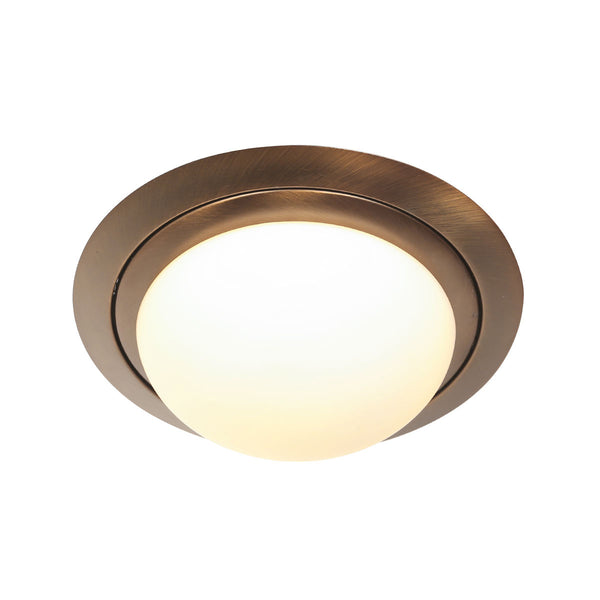
In a bathroom, bathroom ceiling lights rated IP44 are enough against water splashes and steam; IP54 adds limited dust protection, useful in a poorly ventilated room. An opal diffuser or frosted glass gives an even light, and an E27 socket lets you choose the bulb freely.
Waterproof bathroom ceiling light: which protection rating should you aim for?
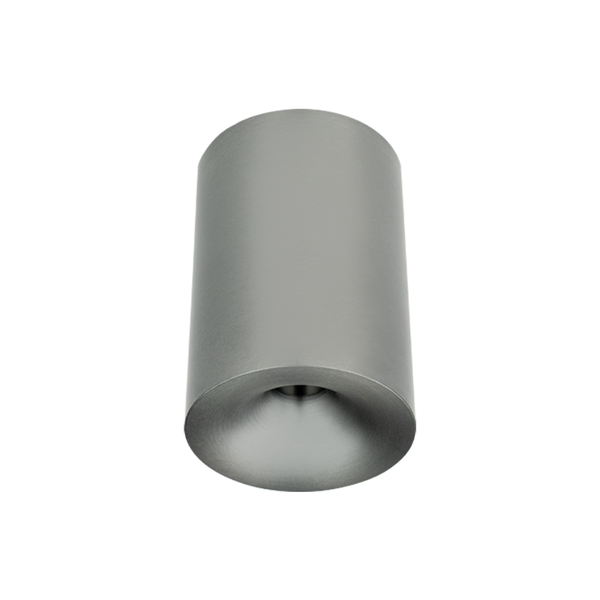
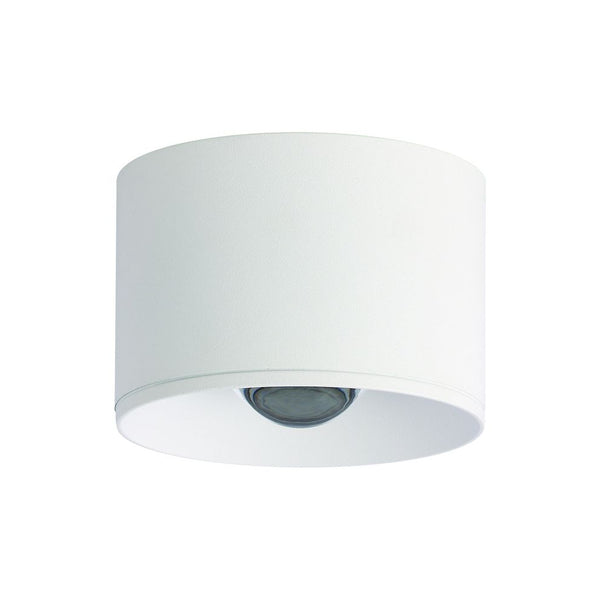
IP44 covers most wet rooms: above a washbasin, splashed droplets do not reach the ceiling. If the room is small, has no window and condensation clings to the walls, bathroom ceiling lights rated IP54 such as the Spotto ceiling light rated IP54 make the installation safer. The rest comes down to size: a cylinder 6 to 9 cm in diameter suits a small space, while a large room takes a more generous dome. Other formats are gathered in the selection of bathroom ceiling lights.
Frosted glass or opal diffuser: what effect in a wet room?
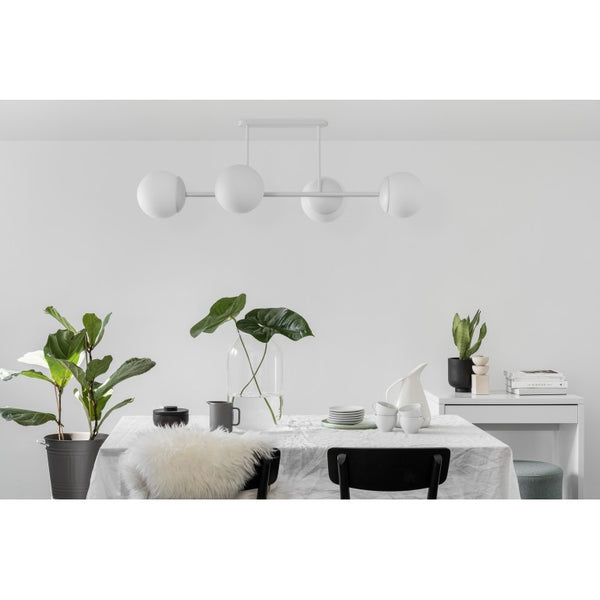
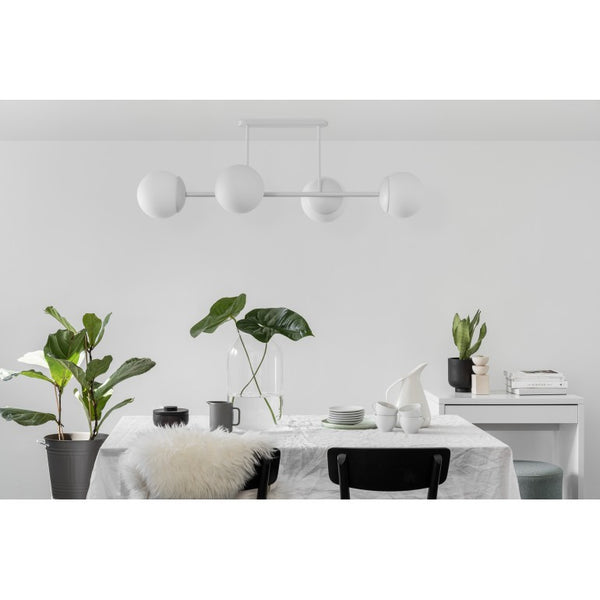
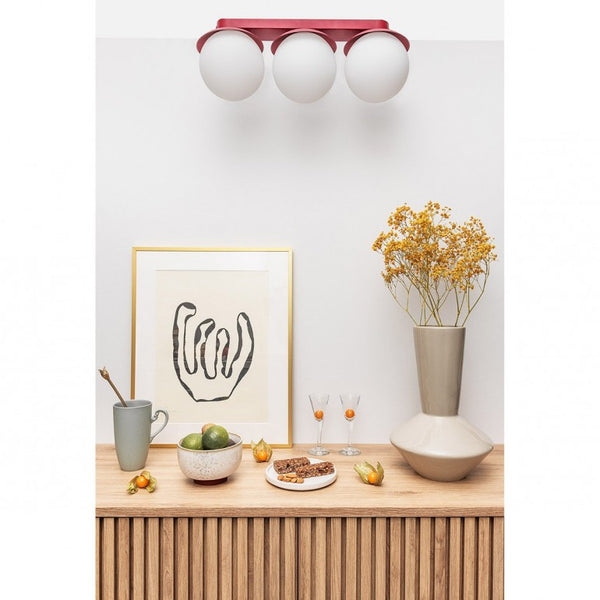
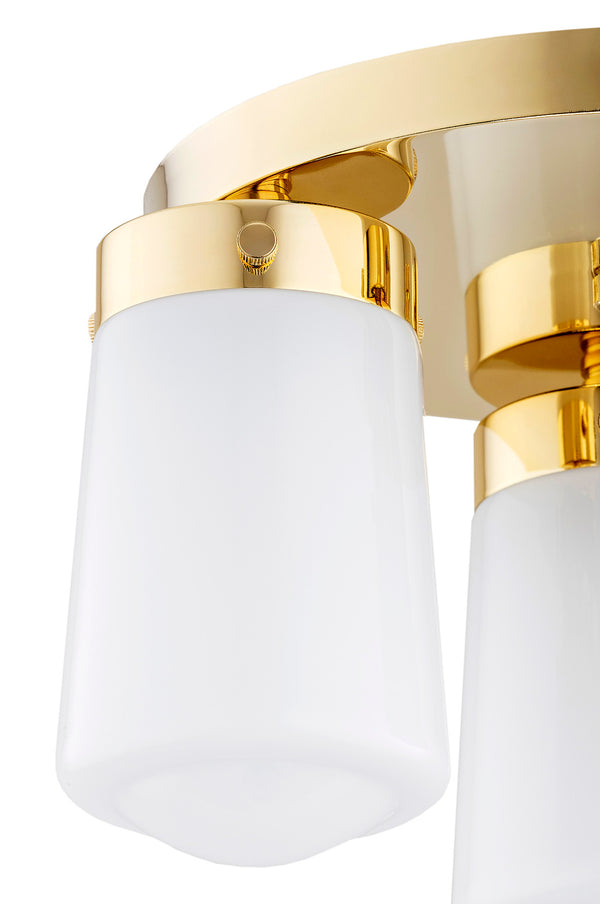
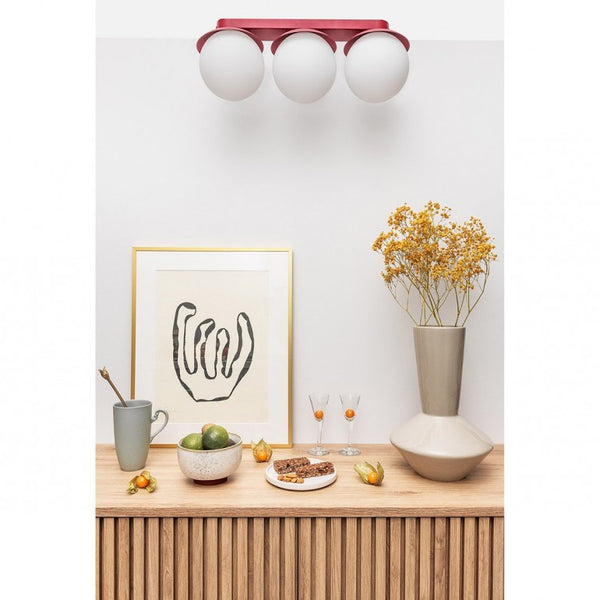
The ribbed glass of the Valvesina ceiling light shapes the light and draws ridges on the ceiling without dazzling. An opal diffuser, as on the Nila LED model, spreads a more uniform light, handy above a mirror. The Nerlinina with three globes multiplies the light sources and suits long bathrooms.
How do you read the IP rating of a waterproof ceiling light?
The first digit of the IP rating refers to protection against solids, the second to protection against water: IP44 resists splashes, IP54 adds limited dust protection, IP65 withstands water jets. A ceiling light rated IP20, such as the Rowena, only suits dry rooms.
| IP rating | What it protects against | Suitable room or location | Models in the collection |
|---|---|---|---|
| IP20 | Solid bodies over 12.5 mm, no protection against water | Living room, dining room, office | Rowena |
| IP44 | Solid bodies over 1 mm and water splashes | Bathroom, kitchen, hallway, entryway | Valvesina, Nila, Silnorina, Ariranina, Nerlinina, Tatiana, Ponente, Mirveseta, Valdoro |
| IP54 | Limited quantities of dust and water splashes | Damp rooms, dusty premises | Carrera, Luceva, Serissa, Gavrel, Ravelio, Spotto |
| IP65 | Reinforced protection against water jets | Very damp room, sheltered outdoor area | References rated IP65 in the selection |
What does the second digit of an IP rating protect against?
The second digit measures water resistance: 4 for splashes, 5 for jets, 0 for no protection. An IP44 ceiling light above a washbasin takes droplets without damage, while an IP65 unit under a canopy takes a cleaning jet. The first digit deals with dust, with 5 limiting its entry. Both are read together, never separately, and a high digit does not make up for a poorly tightened fixing.
IP44 or IP54: which should you choose in a damp room?
IP44 is the most common rating in the selection and covers most well-ventilated wet rooms. IP54 is justified when dust adds to humidity: workshop, laundry room, heavily used kitchen. IP65 remains rare and is reserved for very damp rooms or sheltered outdoor areas. Going up a rating never hurts, but does not replace a correct installation.
Waterproof outdoor ceiling light: what to check before installing it
Outdoors, under a canopy or a covered terrace, water does not always fall directly: the IP rating remains the first criterion, with references rated IP65 in the selection and others IP54. Then come the stated material, the size and the ceiling mounting method.
Can you install a waterproof ceiling light under a canopy?
Yes, as long as the fixture receives neither a direct jet nor standing water. Under a canopy, humidity, dust and temperature swings matter more than style. A stated aluminium or glass material ages better than plastic exposed to the sun. Also check the mount: a flat, accessible plate screws back easily into a terrace ceiling.
Waterproof outdoor spots or ceiling light: which to choose?
A ceiling light covers a wide area from a single point, adjustable spots target a path or a wall. For a covered terrace, the ceiling light avoids multiple drill holes and seals to look after. If you are first looking for a understated design, modern style LED ceiling lights work as well indoors as outside, under cover.
Integrated LED, GU10 or E27: which socket for a waterproof ceiling light?
An integrated LED module needs no bulb and may be dimmer compatible; the GU10 socket, common on cylindrical ceiling lights, is replaced spot by spot; the E27 socket accepts the bulb of your choice; the G9 fits models with small globes. The E14 socket remains a minority in the selection.
- Integrated LED: no bulb to plan for, sometimes dimmer compatible, module not replaceable separately.
- GU10: replacement spot by spot, common on cylinders, watch out for dimmer compatibility.
- E27: power and colour chosen freely, check the clearance under the diffuser.
- G9: small compact globes, prefer low-consumption bulbs.
Waterproof LED ceiling light: integrated module or replaceable bulb?
The integrated LED saves buying a bulb and keeps a clean line: this is the case with the opal diffuser of the Nila model, stated dimmer compatible. In exchange, a module that fails cannot be replaced on its own. A replaceable bulb is changed without dismantling the fixture, as on the Valvesina in ribbed glass and its stated maximum of 15 W in E27.
Which bulb for a waterproof ceiling light with an E27 socket?
A screw-in LED bulb, within the power stated by the fixture manufacturer and without exceeding the indicated maximum. Respect the space available under the diffuser: a bulb that is too long touches the glass, or does not fit. This socket fits many models, including those gathered in the ceiling lights with an E27 socket.
Which ceiling light lights my room well?
An opal or opaline diffuser spreads the light, ribbed glass shapes it, a ceiling light with several light points lights more widely. The stated power, from 8 to 40 W depending on the models in the collection, matters less than the surface to cover and the ceiling height.
Should you add several light points in a large room?
Beyond roughly 20 m², a single central point leaves dark corners. Two wall lights, a ceiling light with three diffusers or spread-out spots solve the problem without multiplying the work. For a large space, ceiling lights with a strong design assert their presence on the ceiling where a discreet model would get lost. In a bedroom, a soft light is better than a powerful flow: models designed for the bedroom favour globes and round shapes.
Colour temperature: how do you choose the bulb's tint?
The light temperature is given on only a small part of the models in the selection. For E27, GU10, G9 and E14 sockets, the tint is chosen when fitting the bulb: around 2,700 to 3,000 K for a warm light, towards 4,000 K for a more neutral rendering. In a kitchen, ceiling lighting for the kitchen benefits from bringing the light down onto the worktop.
How do you install a waterproof ceiling light without wiring?
With no cable to run, you start from the existing centre point or a junction box, then dress the supply with a trunking or a cable cover. A battery lamp helps occasionally, but a mains connection remains the solution for permanent lighting.
Can you install a waterproof ceiling light on a junction box?
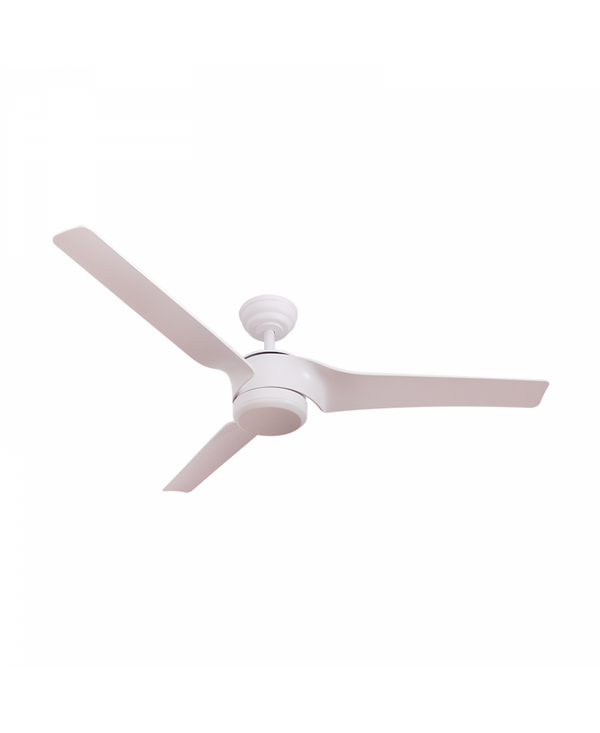
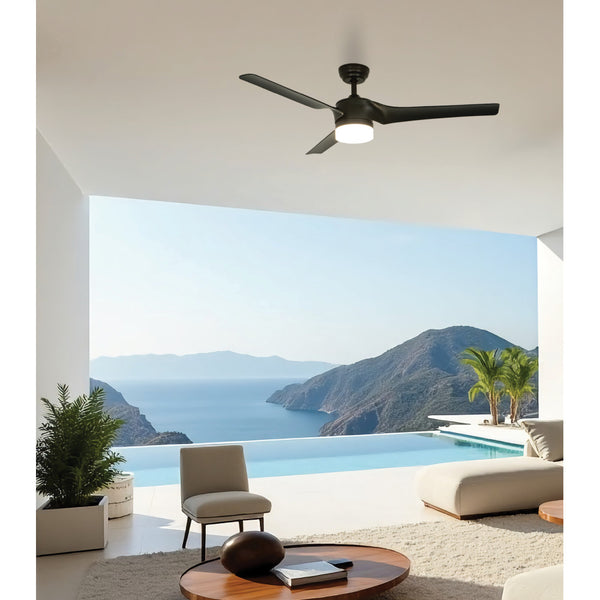
Yes, if the fixture's plate covers the box and the connections remain accessible after removing the diffuser. Check the weight and the screw spacing before drilling: the selection mixes small cylinders 6.5 to 9 cm in diameter and large assemblies. The Valdoro ceiling fan light, with its 1,520 mm diameter and 320 mm height, needs a solid mount.
How do you hide the supply of a waterproof ceiling light?
Trunking painted in the ceiling colour is barely noticeable, a flexible cable cover suits corners. In a hallway, line up the light points on the same line: lighting a hallway without a dark zone then becomes simple. A dimmable model is then controlled from the switch, as on models with variable intensity.
What are the alternatives to a ceiling light for lighting a room?
Depending on the room, a pendant light illuminates a table top, recessed or surface spots punctuate a hallway, a wall light suits a small wet room, and a ceiling fan light combines lighting and air circulation. The choice depends on the number of light points, the available height and the actual use of the room.
Waterproof bathroom spots or ceiling light: which to choose?
A ceiling light lights the whole room from one point, recessed spots spread the light and target the vanity top. In a small bathroom, the ceiling light avoids drilling several cut-outs and keeps a simple line. In a large wet room, two or three spots are justified. The Mirveseta with three cylindrical diffusers illustrates the compromise: three sources, a single fixing point.
Pendant, wall light or ceiling fan light: which alternative depending on the room?
A pendant light above a table hangs at eye level and lights the guests, provided you have at least 2 m of ceiling height. A wall light frees up the ceiling in a small entryway. The Valdoro ceiling fan light combines lighting and air circulation, useful in a tall living room. To see the other options, browse our full selection of light fixtures. A workspace is set up with LED ceiling lights for the office.
Which colour and material should match the ceiling?
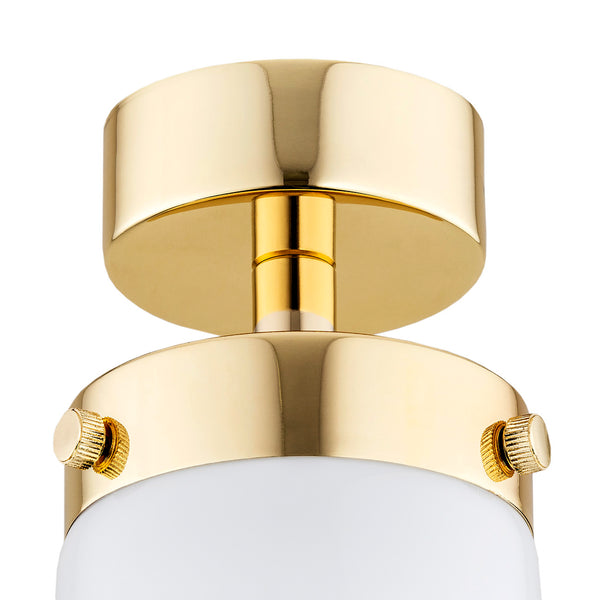
White dominates the selection and blends into the ceiling; black underlines a light room; gold and brass match warm tones and wood. In terms of materials, glass, aluminium, metal and brass make up most of the models, with a few plastic pieces.
White ceiling light or black ceiling light: how do you decide?
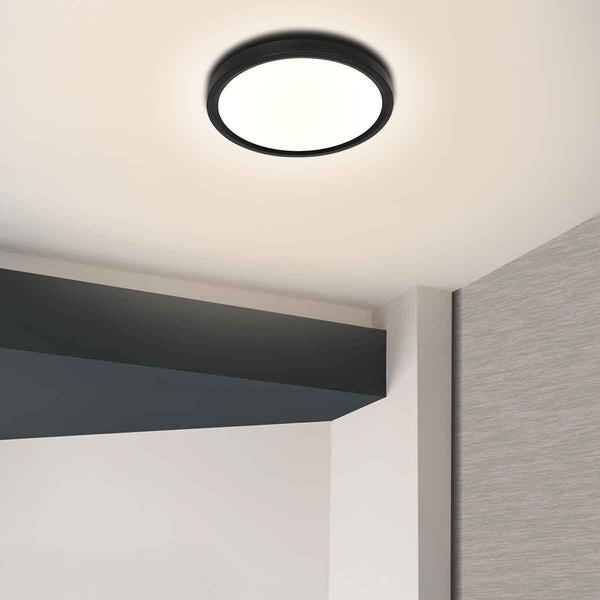
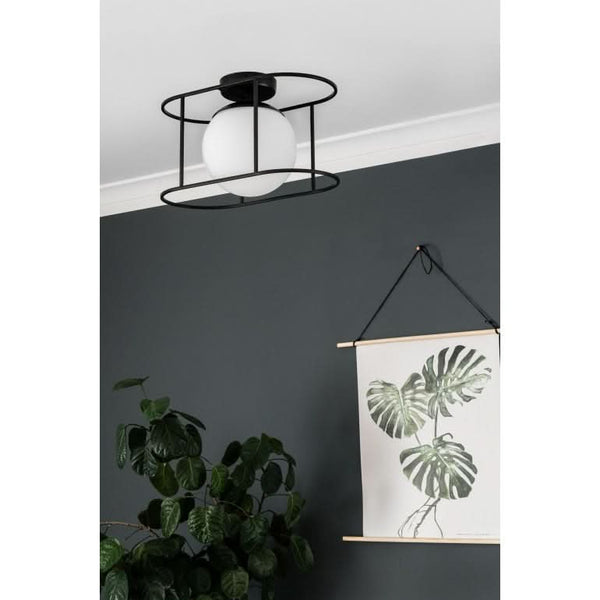
White blends into the ceiling and disappears, which suits low rooms and small surfaces. Black creates a clean line and underlines a light ceiling. If in doubt, choose according to the rest of the room. White finishes match pale walls. Black models respond to dark joinery and graphic kitchens.
Glass, aluminium, metal or brass: which material on the ceiling?
Glass diffuses and cleans with a soft cloth, aluminium stays light and matte, brass takes on a warm patina. Plastic is mainly used for opal diffusers. Ribbed glass requires more attention than smooth opaline, and abrasive products should be avoided on glass as on brass. In terms of durability, the stated warranties in the selection range from two to five years depending on the models. For a warm rendering on wood, look at ceiling lights in gold brass. The more understated spirit of Scandinavian-inspired ceiling lights suits light interiors.
- Secure payment
- Tracked delivery
- Returns
- Designix customer service
One last point before confirming: check the diameter available on the ceiling and the bulb socket. If you are still hesitating between two formats, the Designix lighting catalogue lets you compare the lines side by side.
Frequently asked questions about waterproof ceiling lights
What type of ceiling light should you choose?
The type depends on the room: a round ceiling light with a diffuser for general light, a cylindrical one to target a zone, a globe or a tube for a decorative look, a dimmable model to adjust the intensity. The IP rating then decides according to the humidity of the place.
Does an LED ceiling light light well?
Yes, as soon as the module matches the surface: in the collection, LED ceiling lights state powers from 8 to 40 W depending on the models, some of them dimmer compatible. An opal or opaline diffuser spreads the light and limits dazzling points on the ceiling.
Which lamp can replace a ceiling light?
A battery lamp helps without any work, a pendant light replaces the ceiling light above a table, and surface or recessed spots take over in a hallway. For a wet room, a wall light rated IP44 completes or replaces the ceiling lighting.
Which lighting brand is the most reliable?
The useful criterion is not the brand but the warranties stated on the product: in this selection, they range from two to five years depending on the models. The IP rating, the stated material and the availability of bulbs matching the socket also count.
What is the new trend in lighting?
Integrated LED modules and dimmer-compatible models are growing, as are slim tube or globe shapes and opal diffusers that soften the light. Ceiling fan lights, which light and circulate the air, also appeal for living rooms and damp rooms.