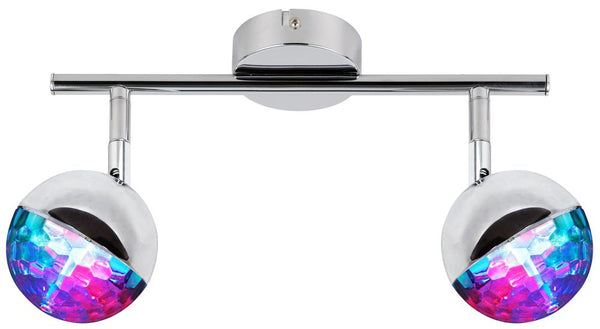
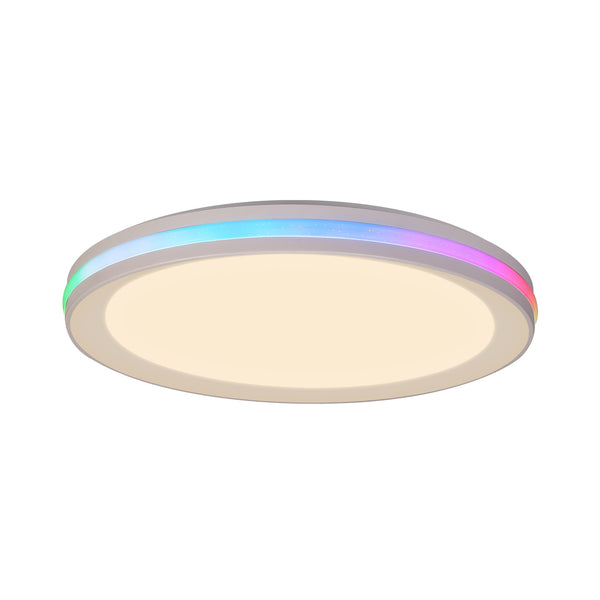
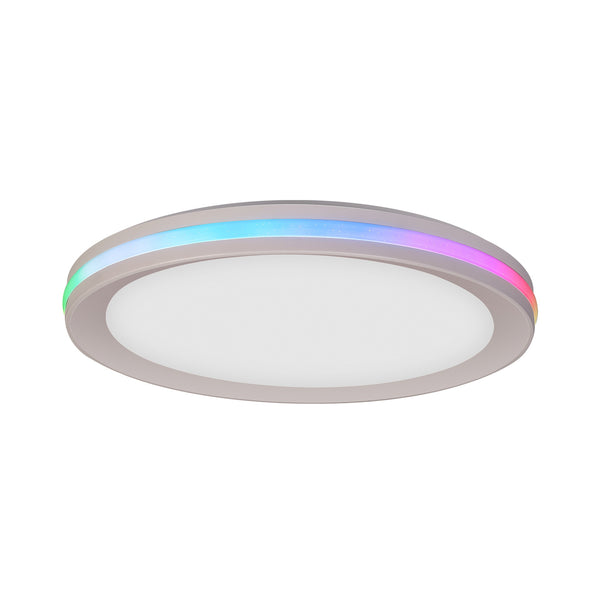
Colorful ceiling light
This selection is also available in our French store: Plafonnier coloré
- Tracked delivery to your country Tracked delivery
- Secure payment at checkout Multiple payment methods
- 14 days to change your mind 14-day returns
- Secure payment Secure payment


Not sure of your style? Find it in 30 seconds
A few questions, and we will show you the pieces made for you.







Frequently asked questions
How do I choose the right product?
What are the delivery times?
Can I return an item?
Can I pay in instalments?

An interior that reflects who you are
Carefully selected pieces, shipped from our warehouses. Our team advises you before you buy, so you choose with confidence.
- Tracked delivery
- Pay in instalments, where available
- 14 days to change your mind
- Advice & showroom in Lyon, France
A coloured ceiling light illuminates from above and casts a visible tint across the room, carried by the shade, the tinted glass or the frame. Start by measuring the surface area and the ceiling height, then settle on the hue: it is the format that decides whether the colour dresses the ceiling or overwhelms it.
What is a coloured ceiling light and what kind of light does it give?
A coloured ceiling light illuminates the room from above while bringing a visible tint, carried by the shade, the tinted glass or the frame. Depending on the model, the light is direct or diffused, warm or neutral. The chosen colour sets the tone of the room before it is even switched on.
The colour comes from the shade, the tinted glass or the painted frame. It should be judged both switched on and off, because the light source changes the perceived hue. To compare formats and the rooms they are intended for, browse all our lighting. A neutral model placed alongside helps gauge the difference, and our ceiling light collection lines up several.
Coloured glass ceiling light: what light effect?
Tinted glass colours the halo without filtering it completely: the light stays soft and the tint reads across the whole room. Amber or smoked glass warms the atmosphere, blue or green glass cools it. Glass ceiling lights are cleaned with a soft cloth, without abrasives.
Vintage coloured ceiling light: what effect in an older interior?
In an older interior, colour is used in small doses: a gilded frame, tinted glass, a round shape. It echoes original fixtures without copying them. Gilded ceiling lights pair well with mouldings, dark woods and patterned wallpapers.
Coloured ceiling light for the living room: how to choose for a large space?
In a large living room, a coloured ceiling light is chosen by format: the taller and wider the room, the more the model can hang low and spread out, like a large living room ceiling light. The hue remains the starting point, but size is what prevents the lost-on-the-ceiling effect.
A contemporary living room accepts a bold colour on a clean shape, carried by modern living room ceiling lights. In a classic room, a tint set on a volume close to the ceiling is preferable.
| Hue | Atmosphere | Room | Pair with |
|---|---|---|---|
| Sage green | Soft and natural | Bedroom, living room | Light wood, off-white |
| Blue | Fresh and graphic | Kitchen, office | White, gilded metal |
| Terracotta | Warm | Dining room, living room | Dark wood, linen |
| Yellow or mustard | Bright and cheerful | Children's room, kitchen | White, natural wood |
| Black | Contrasting | Hallway, office | Light walls |
| Gilded | Elegant | Living room, dining room | Tinted glass, matte fabrics |
Large living room ceiling light: which format fills the volume without crushing it?
Size is judged from the sofa, not from the doorway. A generous diameter or a pendant that hangs low marks the volume without saturating it. Living room ceiling lights are chosen in proportion to the floor: the wider the room, the more the fixture can spread out.
LED living room ceiling light: which light colour to favour?
A warm white, around 2700 to 3000 K, enhances woods and warm tones. A neutral white, around 4000 K, makes colours more vivid and suits a living room that also serves as an office. The temperature is stated on each model's specification sheet.
Coloured ceiling light for the dining room: which colour above the table?
Above a dining table, a coloured ceiling light adds a visible touch without leaving the warm light expected at mealtimes. A coloured chandelier plays the same card with more hanging volumes and several light points. In both cases, the colour sits at the centre of the room.
The colour must remain readable above a tablecloth and a tabletop. Models intended above a table are chosen wide enough to cover the surface, never narrower than it.
Coloured chandelier or coloured ceiling light: which to choose above a table?
A coloured chandelier multiplies light points and fills the height, which suits tall rooms. A ceiling light stays closer to the ceiling, is simpler to maintain and less visually bulky. The choice depends on the available height and the width of the table.
Vintage coloured ceiling light: what pairing with older furniture?
A tinted or patinated metal frame works better with a solid wood sideboard than glossy plastic. The colour then stays understated and the light warm. Metal ceiling lights offer this reflective effect, with pronounced contrasts on the walls.
Kitchen ceiling light: which coloured model for a modern kitchen?
A kitchen rarely settles for a purely decorative ceiling light: the coloured model must light the room and the worktop generously. Strong hues work on a simple shape, in glass or metal, and a trendy model stands out without becoming complicated to clean.
The colour is therefore chosen after the use. Kitchen ceiling lights favour flat shapes, easier to wipe with a cloth, and models for modern kitchens embrace bold hues on clean lines.
Trendy kitchen ceiling light: which hues and materials to choose?
A bold hue (blue, black, green) on a simple frame ages better than a busy pattern. Painted metal dusts off in one stroke, tinted glass is cleaned with a soft cloth. Avoid shapes with deep reliefs, which trap splashes near the hob.
Open kitchen: how to light the worktop and the table?
A central ceiling light illuminates the room without targeting the worktop. In an open kitchen, it must be complemented by a lower source above the counter or the island. The ceiling light colour then marks the dining area rather than the preparation zone.
Coloured ceiling light for bedrooms and children's rooms: which soft light to choose?
In a bedroom, colour is chosen in evening light: a soft tint and a veiled light prevent glare at bedtime. For a child's room, a coloured ceiling light becomes a deliberate decorative feature, often simple and round in shape, easy to live with day to day.
Powdery tints hold the mood better than saturated red or orange. Bedroom ceiling lights use diffusers that soften the source, and models for adult bedrooms stay more understated, with little downward light.
Children's coloured ceiling light: which colour for a bedroom?
Blue, yellow or green work on a round shape, readable from the bed. The colour can stay bright without dazzling if the diffuser is opaque or slightly tinted. A fixed model, with no moving parts, avoids reaching up to adjust it.
Bedroom ceiling light: how to avoid glare in the evening?
A flat ceiling light that hangs low and whose diffuser covers the source suits bedtime, because it sends light downwards without exposing it. As a general rule, a warm white around 2700 K rests the eye more than a cool white at the end of the day.
Coloured LED ceiling light: how much power to light well?
A coloured LED ceiling light is chosen first by power and colour temperature: in a large room, a model that lights widely is better than a very concentrated light point. Warm white suits the living room, a more neutral white suits work rooms.
The useful power depends on the surface area, the ceiling height and the number of light points already present. In a large living room, a single central fixture is rarely enough. An adjustable model allows the level to be adapted to the moment, like dimmable ceiling lights.
Powerful LED ceiling light: how to light a large room?
Look at the diffusing surface and the spread of light, not just the stated power. A large, even diffuser lights better than a small intense source, which creates shadow zones and tires the eye. The ceiling height corrects this first calculation.
Modern LED ceiling light: which colour temperature to choose?
As a general guide, 2700 to 3000 K give a warm light for the living room and bedroom, 4000 K a neutral light for the kitchen, office and passageways. The temperature also changes how the fixture's tint appears once switched on.
Original and coloured ceiling light: which shapes and materials stand out?
An original ceiling light stands out by its shape, material or weaving: wicker, coloured metal, tinted glass or a marked geometry. This kind of piece is placed in an already neutral interior, where it becomes the only coloured point on the ceiling.
Metal ceiling lights play on contrast, round ceiling lights soften angular rooms. A very colourful interior struggles to take one more fixture: the ceiling light colour must then remain the only accent.
Wicker or rattan ceiling light: what effect once switched on?
The weaving filters the light and projects the shadow of its weave onto the ceiling. The effect stays warm, never harsh, with a natural tint that pairs with light woods. Clean dry, with a soft brush, so as not to break the fibres.
Coloured ceiling light that doesn't look like the others: which leads?
Move away from the white ceiling light through geometry (cube, sphere, off-centre disc), painted material or coloured glass. A strong shape is enough, no need to add a pattern. These pieces stand out more in an interior with understated furniture.
How to install and maintain a coloured ceiling light?
A coloured ceiling light is installed like any other ceiling fixture: check the weight of the model and the nature of the support, cut the power and follow the instructions. Maintenance follows the material, with gentle dusting of the glass, metal or weaving.
A heavy fixture requires a suitable support, never a simple plasterboard hook. Ceiling-mounted lights state their weight and fixing method. For a hallway, plan the same height throughout the series, as in these models designed to light a hallway.
At what height should a coloured ceiling light be placed?
A flat ceiling light is mounted on the ceiling, with no adjustment. A pendant above a table is generally set between 75 and 85 cm from the surface, high enough to see the guests without being in the line of sight. In a passageway, keep at least 2.10 m from the floor.
How to clean a coloured ceiling light depending on its material?
Cut the power before any work. Glass is cleaned with a soft cloth or soapy water, never with abrasives. Painted metal is dusted dry. Wicker and rattan are brushed gently, without moisture, to prevent the weave from warping.
| Type | Light effect | Maintenance | Preferred room |
|---|---|---|---|
| Tinted glass | Diffused, takes on the tint | Soft cloth, no abrasives | Living room, dining room |
| Coloured metal | Reflective, pronounced contrasts | Simple dusting | Kitchen, hallway, office |
| Woven wicker or rattan | Shadows projected onto the ceiling | Dry dusting, soft brush | Bedroom, nature-inspired living room |
| Integrated LED | Even, no visible bulb | Dry cloth on the diffuser | Kitchen, hallway, passageway |
| Exposed E27 socket | Depends on the chosen bulb | Replaceable bulb | Living room, bedroom, dining room |
Choosing the right coloured ceiling light: Designix support and reassurance
At Designix, orders are placed with secure payment, with tracked delivery and a returns option. Customer service answers selection questions before purchase. The collection shows the models currently available, making it possible to compare tints and formats directly.
Before ordering, check the ceiling height of the room, the surface to be lit and the style of the furniture. Ceiling lights and ceiling lamps can then be compared tint by tint, without relying on a lifestyle photo.
Frequently asked questions about the coloured ceiling light
Which kitchen ceiling light to choose when you want colour?
For a kitchen, a coloured ceiling light with a flat frame and a wide diffuser lights the worktop better than a very low-hanging model. Keep a bold hue on a simple shape, in glass or metal, so the colour stands out without complicating daily cleaning.
Wicker ceiling light: what light effect do you get?
A wicker ceiling light diffuses a subdued light and projects the shadows of the weave onto the ceiling. The effect stays warm, with a natural tint that pairs with light woods. It suits bedrooms and nature-inspired living rooms, where soft light is sought.
Which bedroom ceiling light for soft light in the evening?
In a bedroom, favour a coloured ceiling light with veiled light, with a diffuser that prevents glare at bedtime. Powdery tints hold the mood better than a very bright colour. A model with little downward light keeps the room calm while signing the decor on the ceiling.
Powerful LED ceiling light: how to light a large room?
For a large room, a coloured LED ceiling light should light widely rather than concentrate light in one point. Look at the model's power, its diffusing surface and the number of light points, then adapt according to ceiling height. Warm white suits the living room.
Original ceiling light: how to move away from classic white models?
An original ceiling light is recognisable by its shape, weaving or coloured material: wicker, painted metal, tinted glass, marked geometry. The right approach is to place it in an already neutral interior, so it becomes the only coloured point on the ceiling without competing with the rest.