
Motion-sensing outdoor floodlights









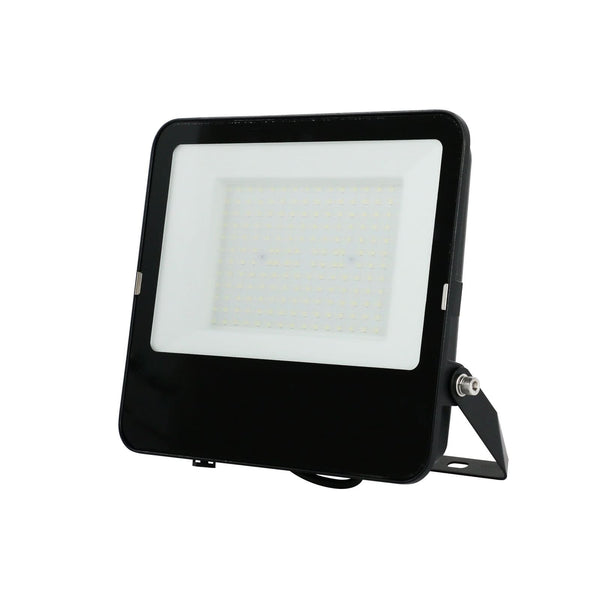

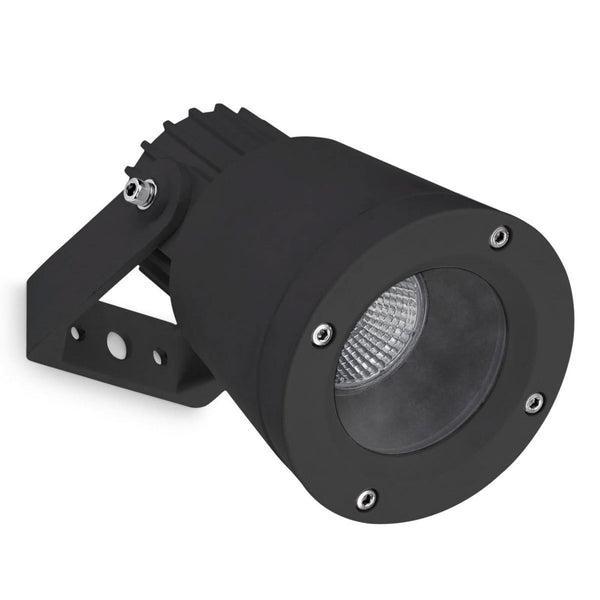

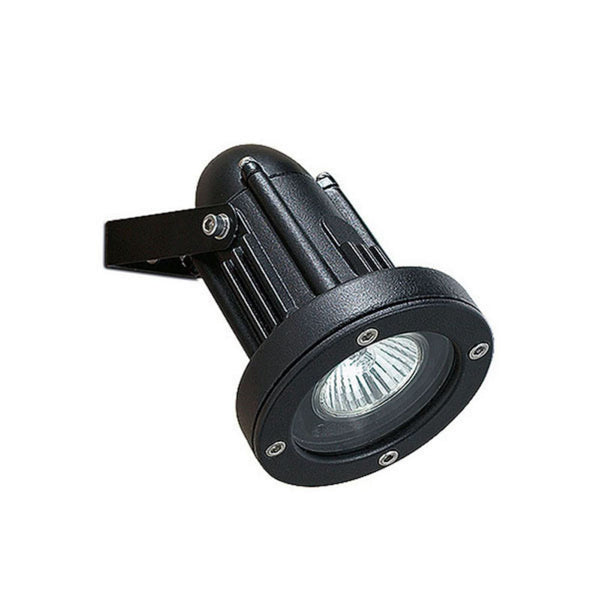


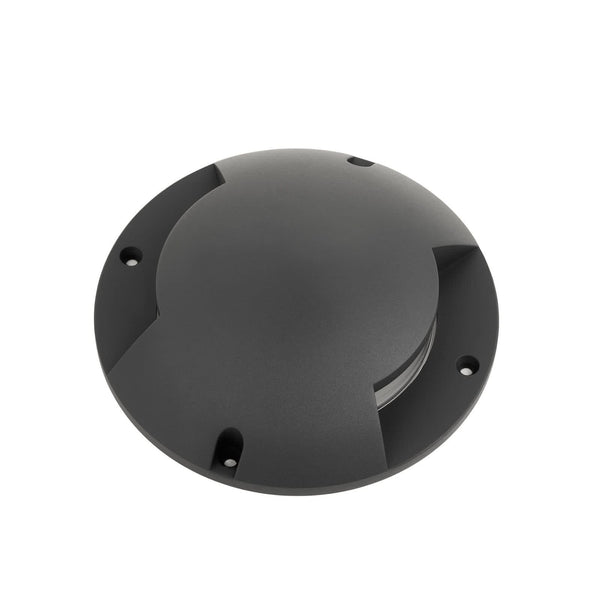










































- Tracked delivery to your country Tracked delivery
- Secure payment at checkout Multiple payment methods
- 14 days to change your mind 14-day returns
- Secure payment Secure payment
Not sure of your style? Find it in 30 seconds
A few questions, and we will show you the pieces made for you.
Frequently asked questions
How do I choose the right product?
What are the delivery times?
Can I return an item?
Can I pay in instalments?
An interior that reflects who you are
Carefully selected pieces, shipped from our warehouses. Our team advises you before you buy, so you choose with confidence.
- Tracked delivery
- Pay in instalments, where available
- 14 days to change your mind
- Advice & showroom in Lyon, France
Start by counting the area to cover: an entrance or a gate needs wide detection, a terrace a softer light, a path a spotlight aimed at the ground. Then check the product page for the IP rating and detection range, then the power supply type: wired, solar or rechargeable.
Which outside lights with motion sensor should you choose for the area to be lit?
The choice depends on the area: an entrance or a gate needs wide detection and light that does not dazzle, a terrace a softer diffusion, a path a model that can be aimed at the ground. Check the product page for the IP rating and the detection range.
Which spotlight for an entrance or a gate?
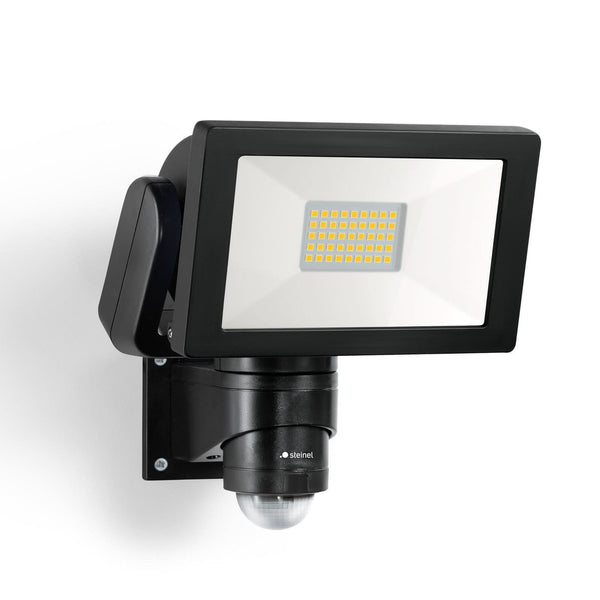
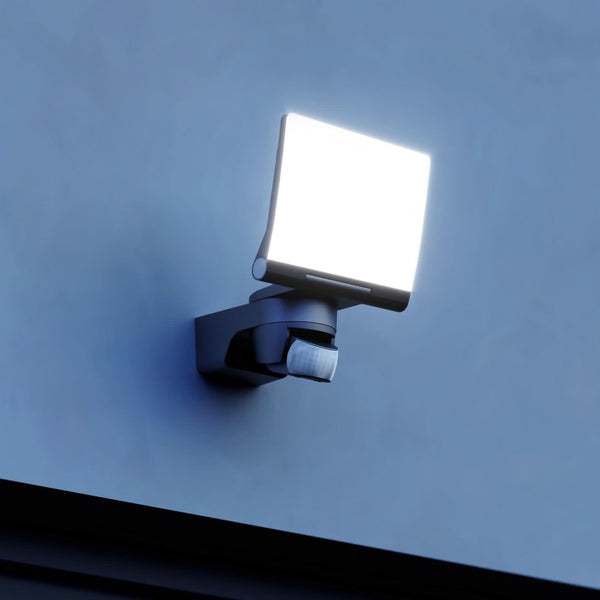
At an entrance, the spotlight works for a few seconds per passage: it must make the step, the threshold and the lock readable, then switch off. Mount it high enough, under the eaves or at the top of the wall, and aim the beam at the ground rather than at the facade, otherwise anyone arriving gets the light in their eyes and can no longer see a thing. Wide detection covers a gate and its access; detection that is too short makes you walk in the dark before it switches on. The general rule of the trade remains simple: light the path, not the gaze.
Outdoor spotlight with motion sensor for the terrace and the path
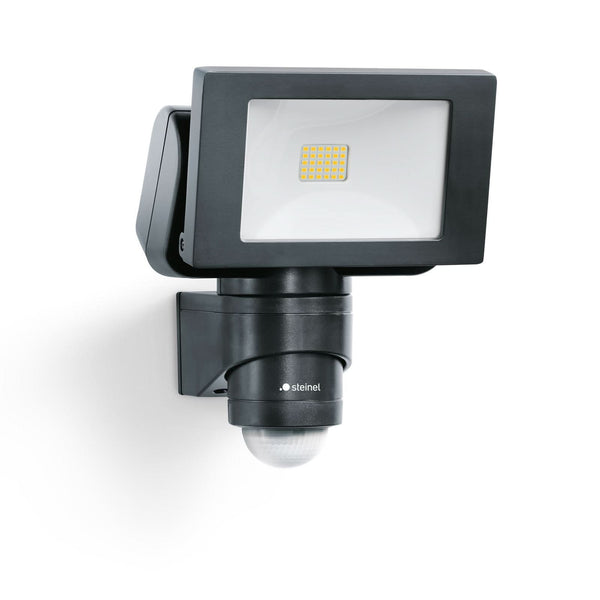
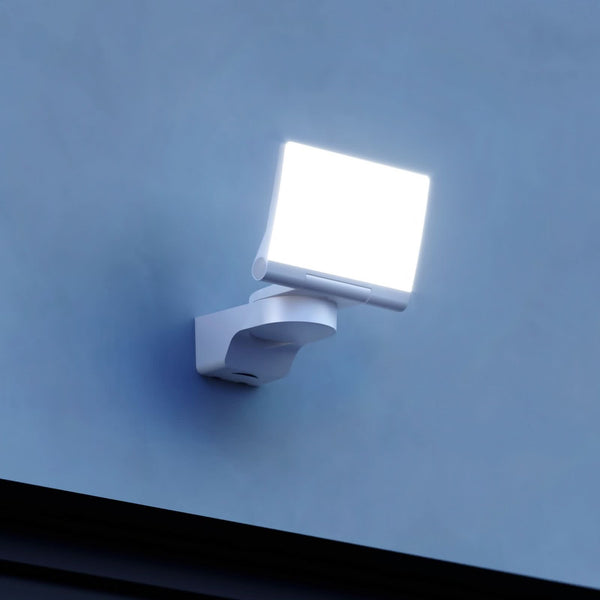
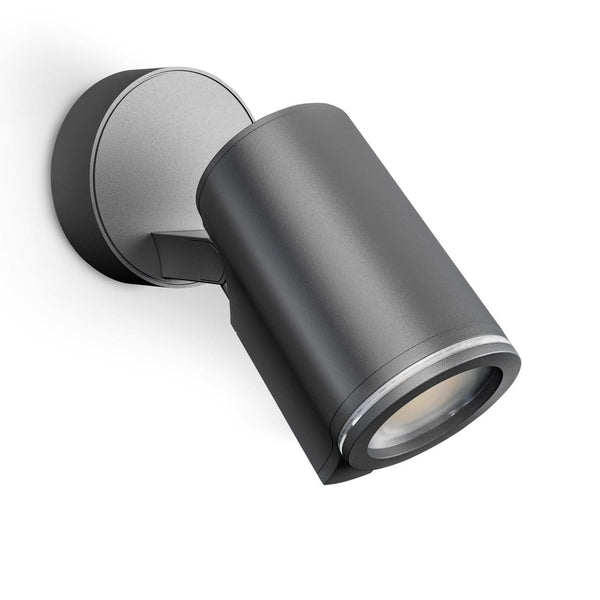
On a terrace, the light from a spotlight that is too directed hardens faces and deepens the shadows of furniture. A model with softer diffusion, mounted at the top of the wall, lights the table without breaking the mood. For a path, choose an adjustable spotlight: tilted towards the ground, it draws a trail of light that guides your steps. You will find the right volumes in the terrace spotlights, and all formats in the outdoor LED spotlights with motion sensor.
| Area to light | Recommended spotlight type | Mounting | Point to watch |
|---|---|---|---|
| Entrance or gate | Wide detection spotlight, LED | High up, under the eaves or at the top of the wall | Glare: aim at the ground |
| Terrace | Soft diffusion spotlight, compact | At the top of the wall, sheltered from splashes | Match the finish with the wall light |
| Path or garden | Adjustable spotlight, LED | On a post or side wall | Sensor range to be adjusted on site |
| Garage or facade | LED spotlight, high IP rating | Above the door | Waterproofing and weather resistance |
| Courtyard or pool | Solar or rechargeable spotlight | Freestanding or high up, no wiring | Distance between solar panel and dark area |
How does a motion sensor work on an outdoor spotlight?
The passive infrared sensor detects a variation in heat within its field. When someone enters the covered area, the spotlight switches on then off after an adjustable time, the delay. Range, detection angle and sensitivity are set on the device to limit unnecessary triggers.
Range, detection angle and delay: the settings that matter
Range is the distance at which the sensor perceives a moving body. Too long, it picks up the street and passers-by; too short, it switches on when you are already at the door. The detection angle defines the width of the monitored cone: a narrow angle suits a side corridor, a wide angle a gate. The delay sets how long the light stays on after the last detected movement; set it long enough not to walk in the dark between two gestures. Compare these settings on the motion sensor spotlights.
Photocell and manual mode: avoiding daytime switching
The photocell measures ambient light and prevents daytime switching: without it, a passage in front of the spotlight triggers it in full sun. Manual mode, or override, keeps the light on during cleaning or a gathering, without the sensor cutting it. Then there are false detections: a branch moving in the wind, an animal, a headlight reflection or a hot surface in the field. Move the sensor away from vegetation and heat sources, aim it at an open area, and switching becomes predictable again.
Outdoor spotlight with motion sensor, wireless or wired: which to choose?
A wired spotlight connects to the mains: it runs continuously, with no limit on autonomy, but requires a power supply nearby. A wireless model runs on a rechargeable battery or a solar panel: no cable to run, in exchange for autonomy linked to sunlight and how often people pass.
Wireless outdoor motion sensor spotlight: solar or battery?
With no cable to run, installation takes a few minutes, but the constraint moves. A solar model depends on the panel's exposure: placed under a tree or on a shaded wall, it delivers less than expected. A rechargeable battery model can be moved and stored, which suits occasional use, a worksite or a room with no power supply. In both cases, very frequent passage drains the reserve faster than occasional passage. See the solar sensor spotlights and the rechargeable spotlights.
Wired model: when mains connection remains the right option
Wired keeps the advantage when the light must be available every evening, regardless of the weather: main facade, busy entrance, courtyard crossed daily. It requires a power supply nearby and an electrician if the connection point does not exist. In return, the output does not vary from one season to the next. For this type of installation, look at the waterproof spotlights and the outdoor LED spotlights.
Powerful outdoor spotlight with motion sensor: what power should you aim for?
The useful power depends on the surface, the mounting height and the distance to light: the higher the spotlight, the more light is needed for the ground to remain readable. High power poorly aimed dazzles instead of lighting, so it is better to adjust the direction before increasing power.
IP rating: waterproofing to check outdoors
The IP rating describes the housing's resistance to dust and water. In exposed outdoor settings, choose a high rating; under a sheltered roof overhang, a more moderate rating is enough. This criterion matters more than a higher advertised wattage: a poorly protected housing eventually takes in moisture, and the light drops before the failure. Salt at the seaside and sprinkler splashes are the two most demanding situations. Browse the LED models with detection and the spotlights for lighting a garage.
Colour temperature and output: warm white or neutral white outside
Colour temperature is read in kelvins on the product page. Generally, around 2700 to 3000 K, the light leans towards warm white and brings out stone and wood; around 4000 K, it is more neutral and renders colours more clearly, which suits a path or a garage. Beyond that, the output becomes bluish and hardens the facade. For a house, it is better to stay consistent from one light to the next: two different temperatures on the same wall are immediately visible. If the intensity needs to vary with use, look at the dimmable LED spotlights.
Which outdoor E27 bulb should you choose for a spotlight or a sensor wall light?
When the light has an E27 base, the bulb can be changed: choose an LED bulb designed for outdoor use, suited to moisture and temperature, in the colour temperature that suits the facade. Check that the light remains properly protected once the bulb is in place.
Outdoor E27 bulb: base, waterproofing and colour temperature
Not all outdoor lights use an E27 base: some have an integrated LED that cannot be replaced. Check the base on the product page before buying the bulb. A bulb intended for outdoor use must withstand moisture and temperature swings; an indoor bulb placed in a poorly protected housing oxidises and fails. Then there is colour temperature, to be matched with the rest of the facade. The E27 base has a concrete advantage: the day the output no longer pleases you, you change the bulb, not the light.
Replacing the bulb in an existing outdoor light
Switch off the power at the circuit breaker before any work, then let it cool. Open the light, remove the bulb, note the base and the maximum wattage indicated on the socket or in the instructions, and replace with an equivalent or lower bulb. Close the seal or cover properly: it is the waterproofing of the unit that protects the bulb, not the bulb itself. Once in place, check at night that the diffusion remains even. Other formats are available in the outdoor LED lighting.
Outdoor terrace wall light: how to match it with a sensor spotlight?
The wall light lights continuously and shapes the facade, the sensor spotlight switches on when someone passes: the two complement each other on the same wall. Match them by finish and material, and avoid aiming them at each other so as not to create shadow areas or glare.
Finish, material and style: a coherent facade
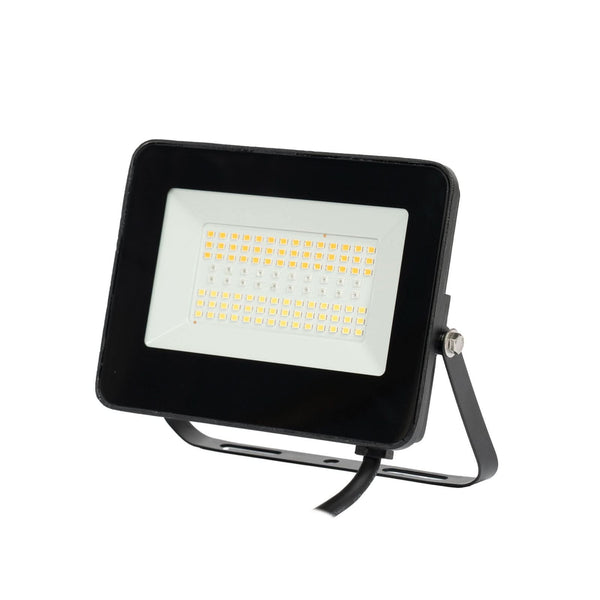
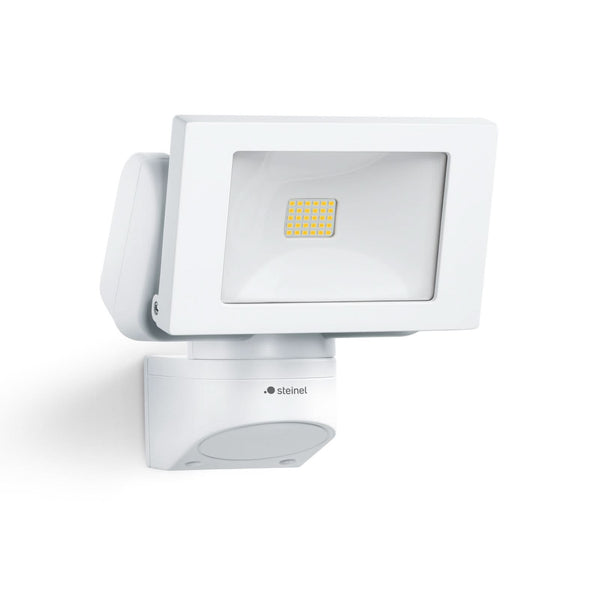
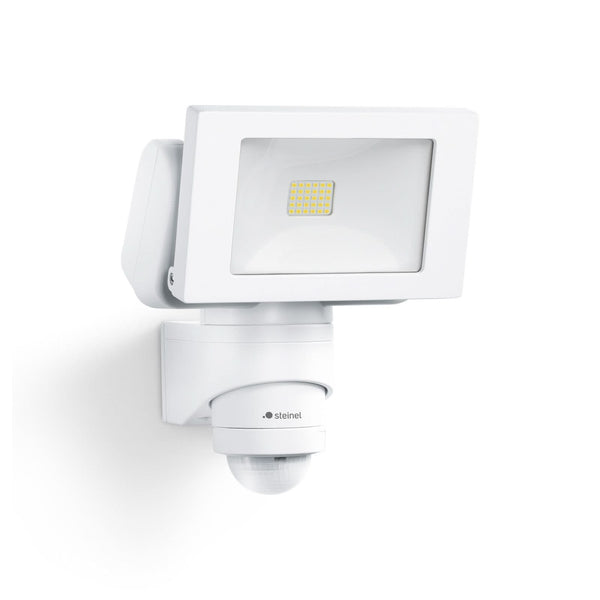
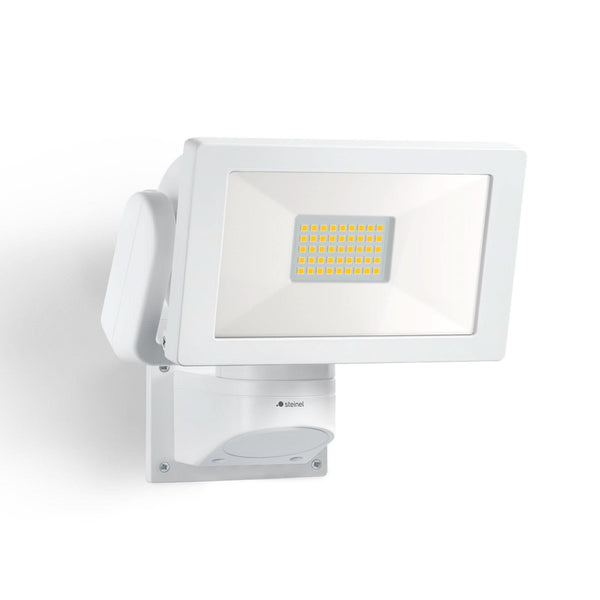
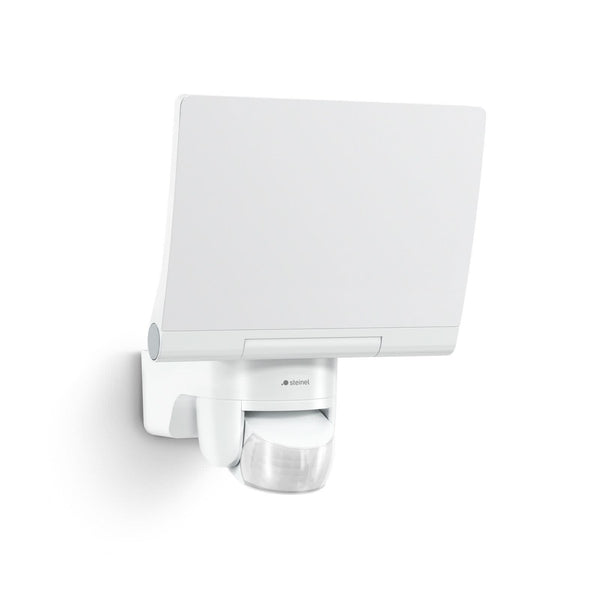
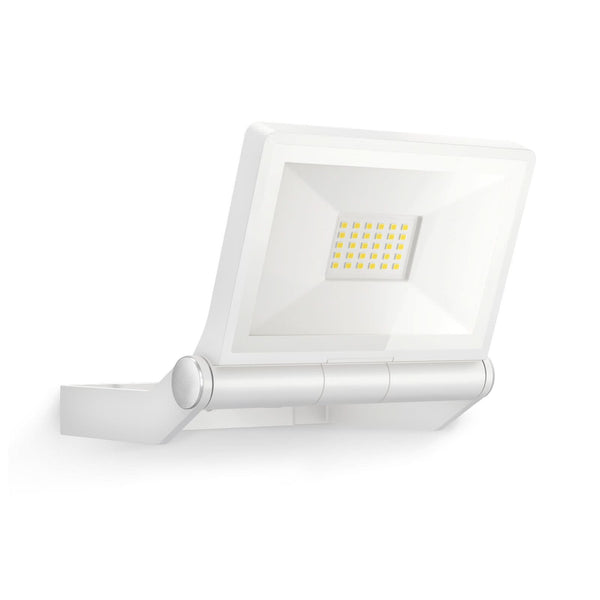
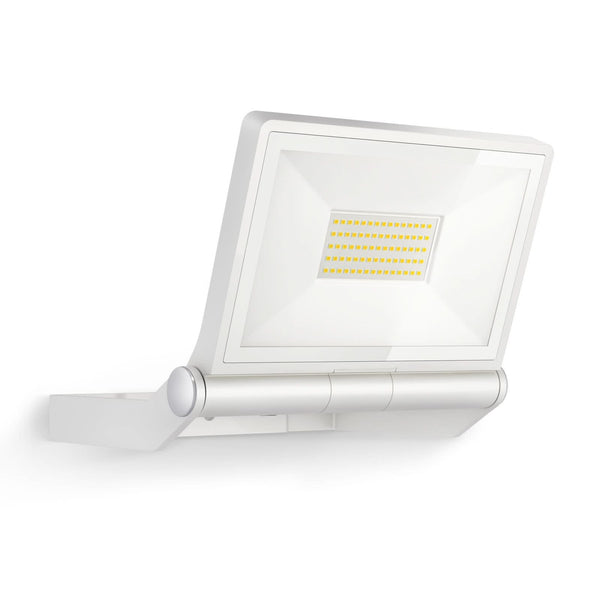
On the same facade, two lights in different finishes are more noticeable than their shape. White, anthracite or stainless steel pair well, provided you stay within a single family. Material matters too: aluminium and stainless steel hold up better by the sea than painted finishes. Style finally: a understated wall light and a discreet spotlight answer each other; a highly patterned model next to a technical housing creates an unintended contrast. The design models and the white outdoor LED spotlights offer two coherent paths.
Combining wall light and spotlight on the same wall
Divide the roles: the wall light lights permanently and gives the wall its scale, the sensor spotlight covers the passage area. Space them enough so their beams do not cross face to face, and aim the spotlight at the ground, never at the wall carrying the wall light. Set the spotlight delay so it does not switch off before you reach the door. The whole remains readable without multiplying light points.
How do you install and adjust an outdoor spotlight with motion sensor?
Mount the spotlight at a height that covers the area without dazzling, often under the eaves or at the top of the wall, then aim the beam at the ground. The sensor is then adjusted on site, by walking through the area to check the range and avoid nuisance triggers.
Height and direction: where to mount the spotlight
Mounted too low, the source sits in the field of vision and dazzles; mounted too high, it reduces light on the ground and unnecessarily widens the monitored area. The right height is the one that lets the beam fall on the ground exactly where you want it readable, without hitting the eyes. Mount on a stable, sound support, not on flexible cladding that vibrates. Switch off the power at the circuit breaker before drilling or connecting, and follow the instructions for tightening the seals.
Maintenance: cleaning the lens and limiting false detections
Twice a year, wipe the sensor lens and the spotlight glass with a soft cloth: dust, cobwebs and films of moisture dim the light and make detection less reliable. Prune branches that enter the sensor field, and after a storm check that the spotlight has not moved. Finally, test again by walking through the area at dusk. For ground installation without drilling, freestanding spotlights avoid the wall.
Solar, rechargeable, RGB or freestanding: which variant for which use?
A solar spotlight suits places where no cable can be run, a rechargeable model can be moved and stored, an RGB version lights in colour for decorative use, and a freestanding spotlight stands on the ground with no wall fixing. The choice follows the use, not the other way round.
Solar spotlights with motion sensor: use without wiring
The photovoltaic panel recharges the battery during the day, the sensor triggers the light when someone passes. This is the solution when running a cable is impossible, costly or not allowed, on a shed, a distant gate or the far end of a garden. The condition is exposure: the panel must receive sunlight, otherwise the reserve does not build up. Place it high up and away from the area you want to keep dark in the evening. See the solar LED versions.
Freestanding spotlights and rechargeable models: solutions without fixing
The freestanding model stands on the ground: handy for lighting a gathering, a worksite or an area you do not want to drill. The rechargeable follows the same principle, in a portable version. Both avoid the wall and the wiring, with a trade-off: bulk, stability in the wind, and recharging to plan. For a coloured evening mood, RGB outdoor spotlights take over, to be reserved for decorative use as their output lights less precisely than white. The rest of the catalogue can be browsed in all our lights and the spotlight range.
| Variant | Power supply | Detection | Ideal use | Constraint |
|---|---|---|---|---|
| Mains wired | Electrical connection | Range and delay adjustment | Continuous lighting of a fixed area | Power supply nearby |
| Solar | Photovoltaic panel | Range and delay adjustment | Areas with no possible cable | Depends on sunlight |
| Rechargeable | Rechargeable battery | Detection on passage | Occasional and movable use | Recharging to plan |
| RGB LED | Depends on model | Detection on passage | Decorative coloured mood | Output to be validated for lighting |
| Freestanding | Depends on model | Detection on passage | Ground installation without drilling | Bulk and stability |
Once the area and power supply are settled, the rest comes down to two points: the IP rating of the housing and the consistency of the finish with the facade. Today's price and availability are shown directly on each product page in the collection. To compare the families, browse the LED spotlights and the design LED models.
Designix supports you from choice to installation: secure payment, tracked delivery, returns according to the shop's conditions and customer service for any question about a model or a setting.
Frequently asked questions
LED outdoor motion sensor spotlight: what are the advantages?
LED switches on instantly, heats little and suits compact sealed housings, which is suitable for outdoor use. It also leaves the choice of a colour temperature suited to the facade, from warm white to neutral white, without changing the light. Its lifespan reduces work at height.
Solar spotlight with motion sensor: how does it work?
A photovoltaic panel recharges the battery during the day, the sensor triggers the light at dusk or when someone passes. This is the solution when no cable can be run, provided the panel stays exposed to the sun and the area to monitor is not in its shadow.
Outdoor spotlight with motion sensor: where should it be installed?
Place it so it covers the path without shining in the eyes: at the top of the wall, under a roof overhang or on a side post, aimed at the ground. Then set the range and delay by walking through the area at nightfall.
How do you choose outside lights with motion sensor?
Start from the area to light and the mounting height, then look at the IP rating, the power supply type and the detection settings offered. A model that can be aimed at the ground lights better than a powerful model mounted too low. The details are in all the outdoor spotlights.
Wireless outdoor motion sensor spotlight: is it reliable?
A wireless model runs on a rechargeable battery or a solar panel: no cable to run, but autonomy depends on sunlight and the number of triggers. For very frequent passage, a wired model remains more consistent day to day.
One last point before choosing: open the model's product page, check the base, the IP rating and the detection range, and compare with your area. The rest, the shade and the material, is decided in front of the facade. Our lighting catalogue groups the available families to finish the selection.




