Wall lights for patio
- Tracked delivery to your country Tracked delivery
- Secure payment at checkout Multiple payment methods
- 14 days to change your mind 14-day returns
- Secure payment Secure payment


Not sure of your style? Find it in 30 seconds
A few questions, and we will show you the pieces made for you.
































Frequently asked questions
How do I choose the right product?
What are the delivery times?
Can I return an item?
Can I pay in instalments?
An interior that reflects who you are
Carefully selected pieces, shipped from our warehouses. Our team advises you before you buy, so you choose with confidence.
- Tracked delivery
- Pay in instalments, where available
- 14 days to change your mind
- Advice & showroom in Lyon, France
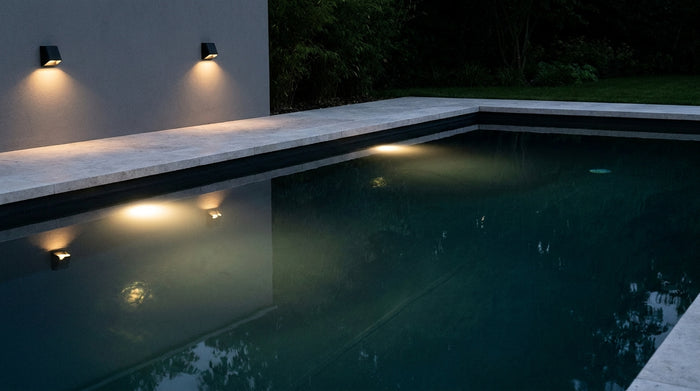
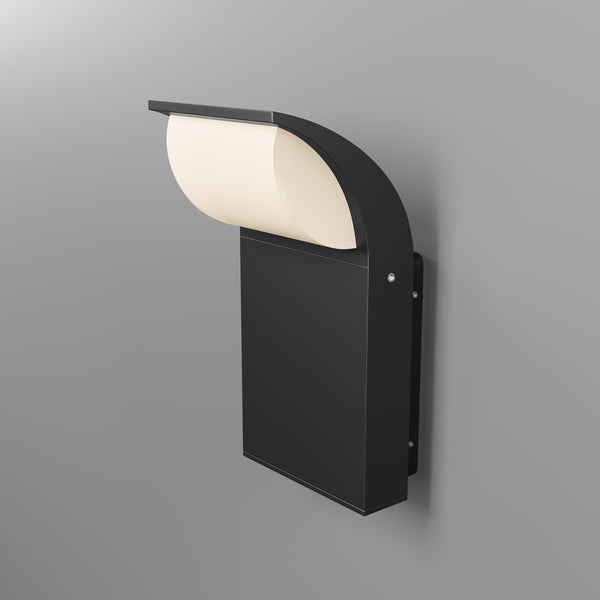
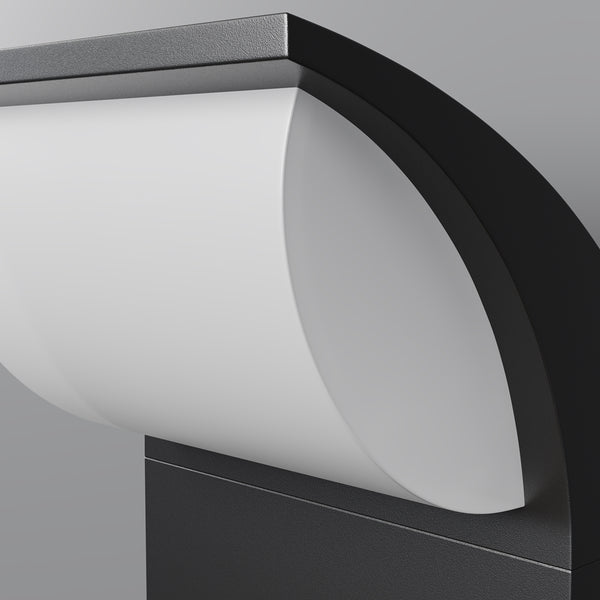
Count two outdoor wall lights to frame an entrance, just one to define a dining corner wall: that is the starting point for successful patio lighting. This collection brings together outdoor wall lights for patio in aluminium, rated IP54 or IP65, with GU10 or E27 sockets or integrated LED, to choose according to the actual exposure of the wall and evening use.
What is the best lighting for a patio?
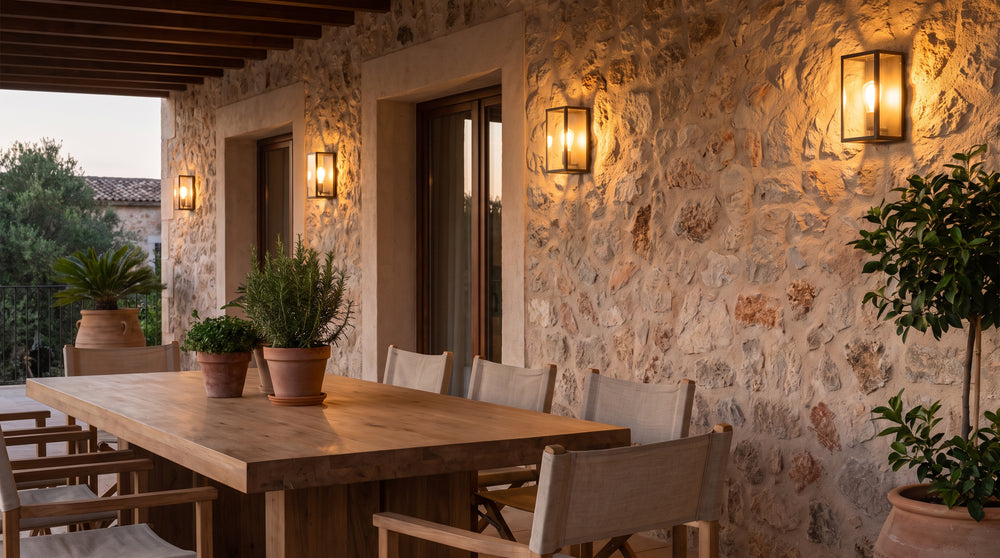
The best lighting for a patio combines warm, grazing light that illuminates without glare. An IP54 or IP65 wall light in aluminium spreads light over the wall and walkways. An adjustable spotlight lights a specific point, a wide diffuser model lights a dining corner.
Outdoor wall light for patio: what role in lighting?
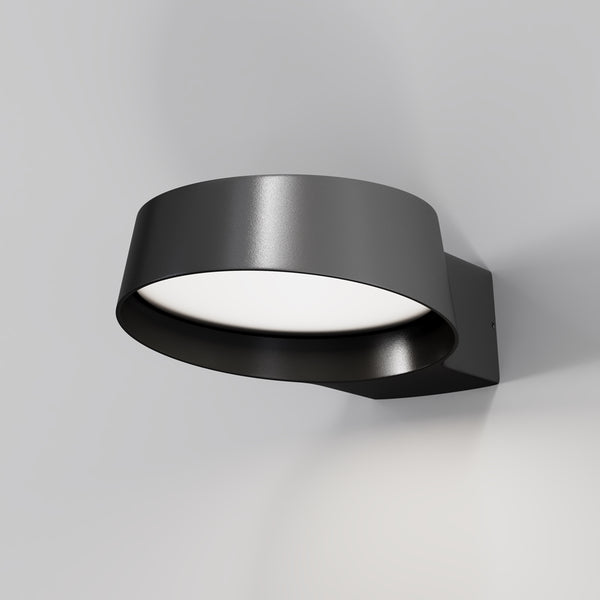
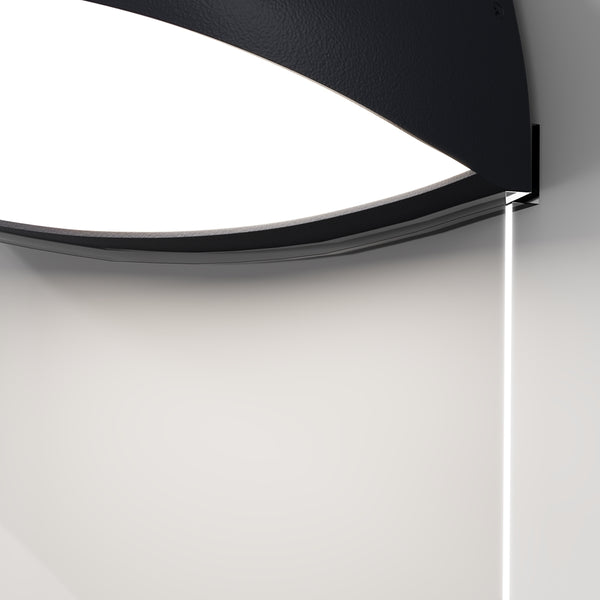
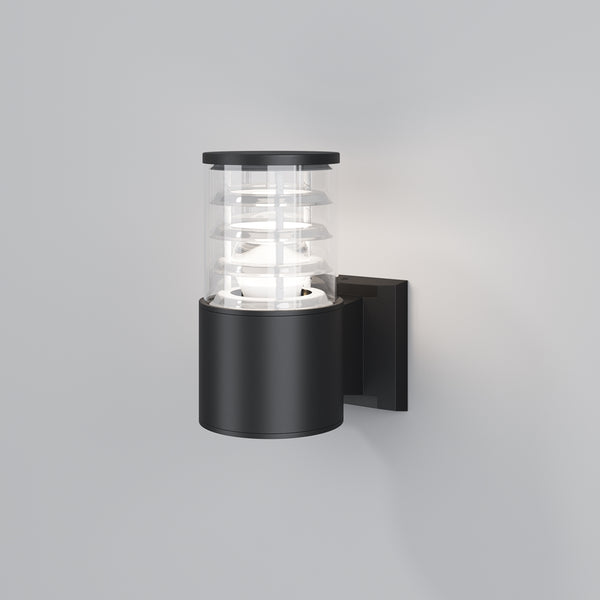
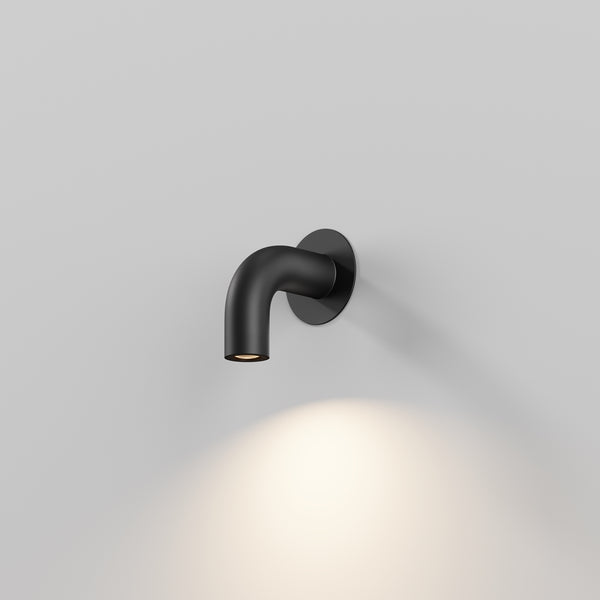
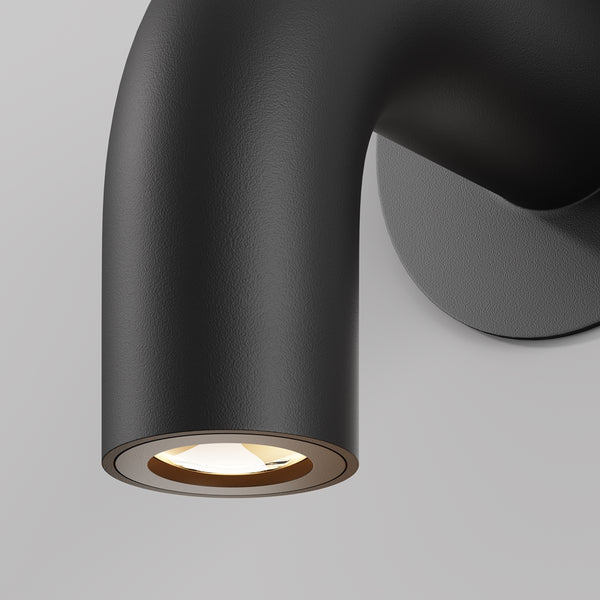
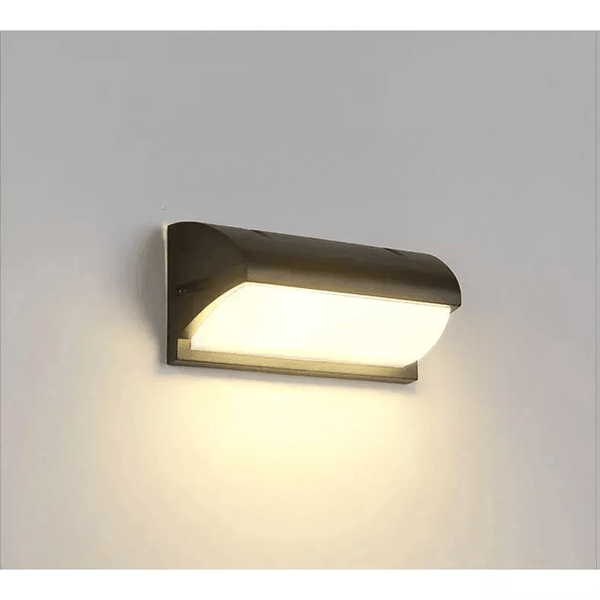
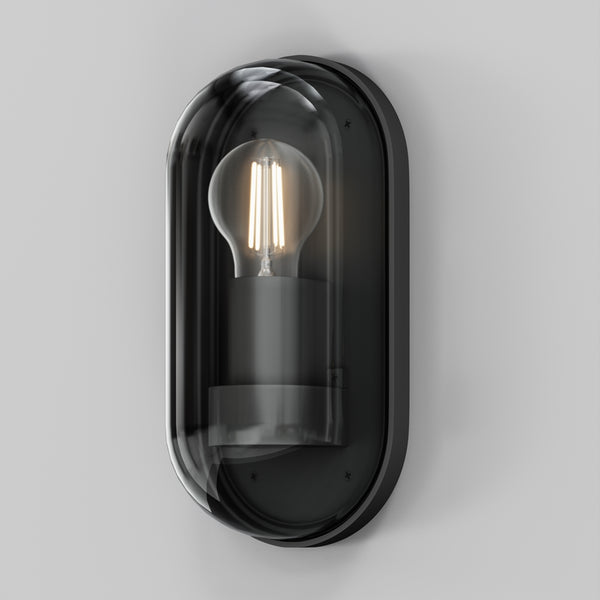
The wall light replaces the ceiling light when there is no roof. It projects light onto the wall rather than into the eyes, which makes the patio readable in the evening without harsh glare. For a continuous wall, the Fenrilo linear diffuser in IP54 aluminium and 6 W gives even light along its whole length. For a targeted point, the adjustable Ruvex spotlight, in IP65, takes a GU10 bulb up to 50 W: you aim the beam and change the bulb according to the desired effect. Near a door exposed to rain, the Dacio LED dome in IP65 and 7 W stays understated and watertight.
How many wall lights to light a patio?
Two to frame an entrance, one above a dining corner, and a regular layout on a long facade to avoid dark gaps. A wall of six to eight metres is paced with three points spaced at equal distance. The goal is not power but continuity: several warm, low sources light better than one strong point that glares.
Which IP rating to choose for an outdoor wall light for patio?
On a patio, an IP54 rating is enough under an awning or roof overhang, as it protects against dust and water splashes. A facade wall exposed to driving rain requires IP65. Most models in this collection are IP54 or IP65.
IP54 or IP65: what does the rating really change?
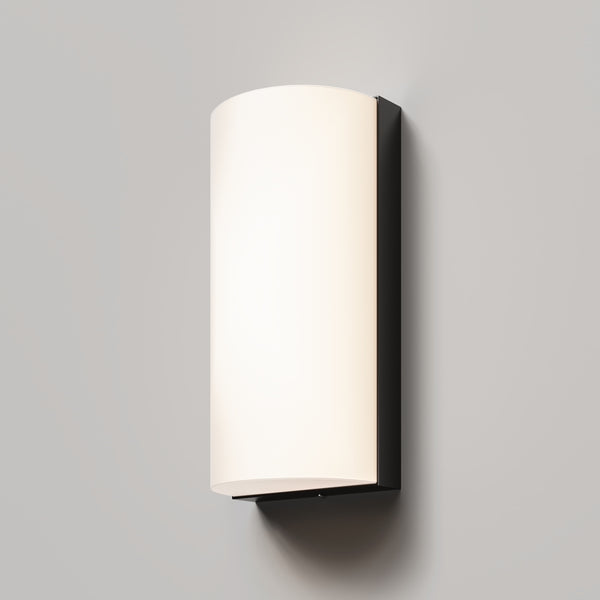
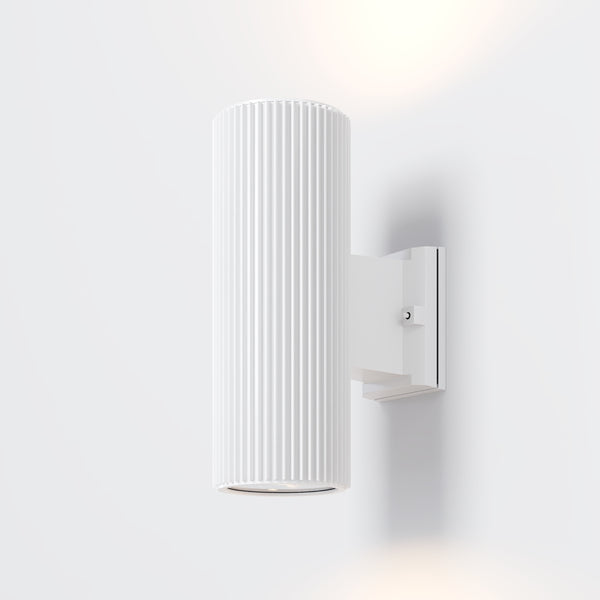
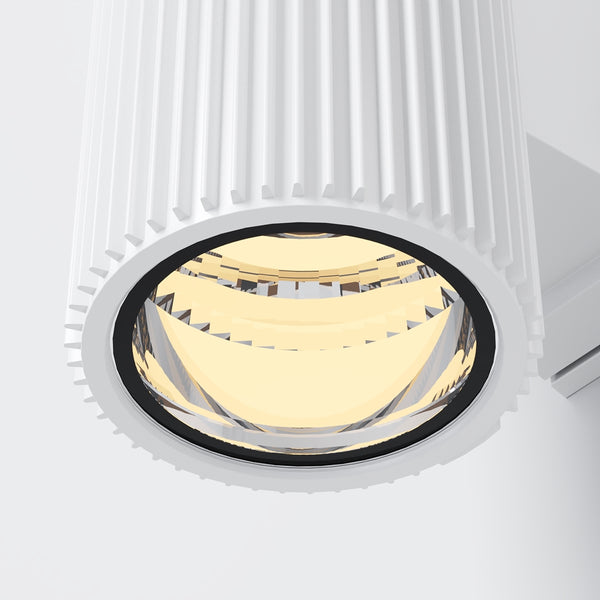
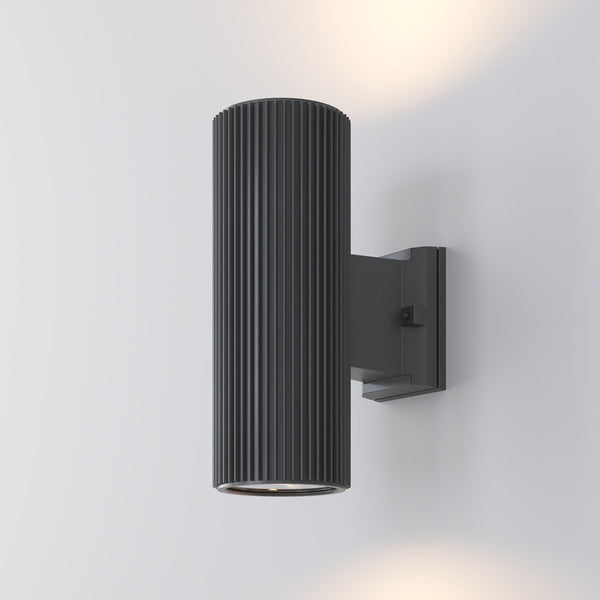
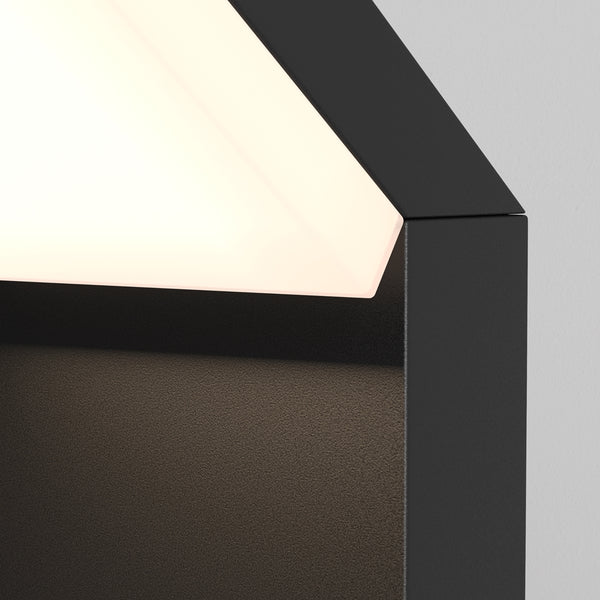
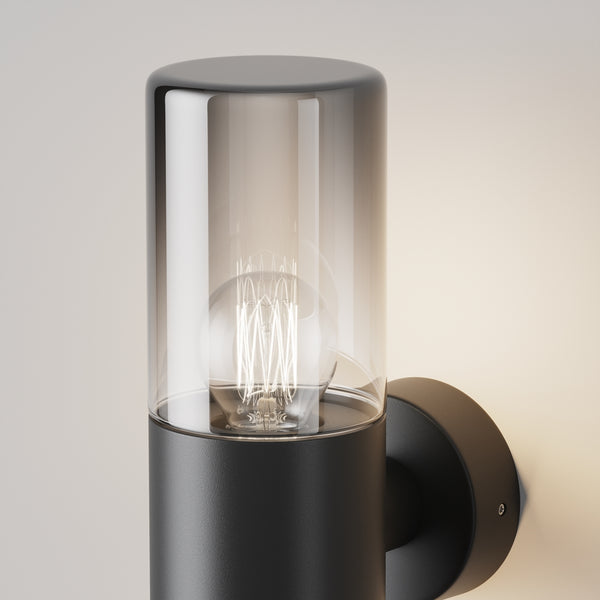
The figure describes the resistance of the housing, not the quality of the light. IP54 covers dust and splashes, the second digit allowing water jets. A sheltered wall is fine with IP54, such as the glass tube Aqualis or the fluted E27 model Zensamella. A wall battered by rain calls for IP65, such as the Uaso aluminium cube. The IP65 models share this reinforced protection, including in damp rooms of the home.
What to look at beyond the rating?
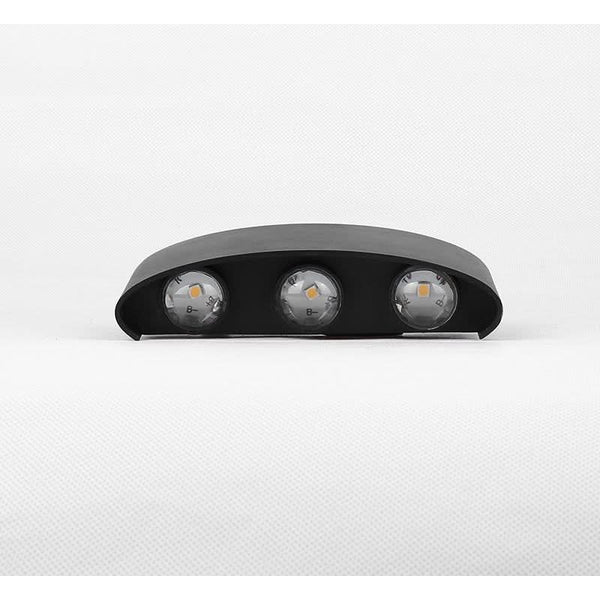
The mounting and the seal matter as much as the rating. An IP65 housing badly screwed onto a damaged support lets water in. Also look at the direction of the beam: aimed downwards, it lights the ground and protects the fixture. The outdoor wall lights for patio from the house all follow this logic, from the discreet model to the most sculptural.
| Location | Exposure | Suitable rating | Common socket | Note |
|---|---|---|---|---|
| Covered entrance | No direct rain | IP54 | GU10 or E27 | One fixture is often enough |
| Sheltered facade wall | Rare oblique rain | IP54 | Integrated LED | Aim the beam downwards |
| Wall exposed to rain | Driving rain | IP65 | GU10 or integrated LED | Seal at the top of the housing recommended |
| Covered patio | Under awning | IP54 | GU10 | Ambient lighting possible |
Where to install an outdoor wall light: entrance, facade wall or dining corner?
Two wall lights frame an entrance, one is enough near a dining corner to define the wall. On a long facade, space them at regular intervals to avoid dark areas. Mount them at a height that places the beam below eye level, never facing the eyes.
At what height should an outdoor wall light be placed?
Allow about 1.80 m to 2 m from the ground for ambient light that does not glare for seated people. To light steps, go lower and aim towards the ground. Around a door, two wall lights at shoulder height frame the passage. These markers remain guidelines: the height is set by the eye position once seated.
Which model for each area?
An entrance is marked with two symmetrical points, a dining corner with diffuse lighting, a long facade with repeated sources. To light an entrance, a compact and well-protected model is better. On a long wall, the long Niger format and the oval diffuser Alasamina cover a large surface in warm white, aluminium and IP54.
Powerful outdoor wall light for patio or soft light: which power and colour to choose?
A GU10 socket wall light takes a bulb up to 50 W: it is the most flexible choice for adjusting intensity. The integrated LED models in the collection range from 6 to 30 W and are enough for ambient lighting. The temperature, from 2700 K to 4000 K, matters more than power.
Powerful patio: which socket to choose?
A GU10 socket leaves the widest margin: a strong bulb for a passage area, a soft bulb for a meal. E27 takes wider, diffuse bulbs, suited to a large wall, such as the fluted Zensamella model at 60 W. Integrated LEDs go less high in power but require no bulb replacement.
Which light colour for a patio?
Warm white, around 2700 to 3000 K, warms stone and wood without hardening faces: it is the majority choice here. Neutral white, around 3500 to 4000 K, lights a dining area or steps better. Cold white above 4500 K remains rare outdoors, it greys the walls. Extend this logic with the modern wall lights for hallway, where the same temperature sets the comfort of passage.
GU10, E27 or integrated LED: which outdoor wall light to choose?
The GU10 socket allows changing the orientation and power of the bulb, ideal for a spotlight on a base plate. E27 takes a wider, diffuse bulb, suited to a fluted model. The integrated LED, between 6 and 12 W, offers even light with no bulb to replace.
GU10 or E27 for a patio wall light?
GU10 for orientation and easy replacement, E27 for light volume and softness. GU10 fits into a compact base plate, in Ruvex, Aqualis, Katia or Delfino. E27 is suitable when the fixture is wide, like Zensamella. If you like changing the mood, a replaceable socket remains more flexible than a sealed LED, especially on dimmable models.
Integrated LED: what is the benefit on a facade?
The integrated LED gives an even beam, with no hot spot, and requires no bulb to change. Fenrilo 6 W, Dacio 7 W, Isolea 8 W, Niger 10 W, Alasamina 12 W: these powers are enough to define a wall or mark a walkway. The trade-off is simple: when the LED ages, the whole fixture is replaced.
| Model | Shape | Material | IP | Socket | Temperature | Power | Recommended use |
|---|---|---|---|---|---|---|---|
| Fenrilo | Linear diffuser | Aluminium | IP54 | LED | Warm white 2700-3500 K | 6 W | Patio wall, continuous lighting |
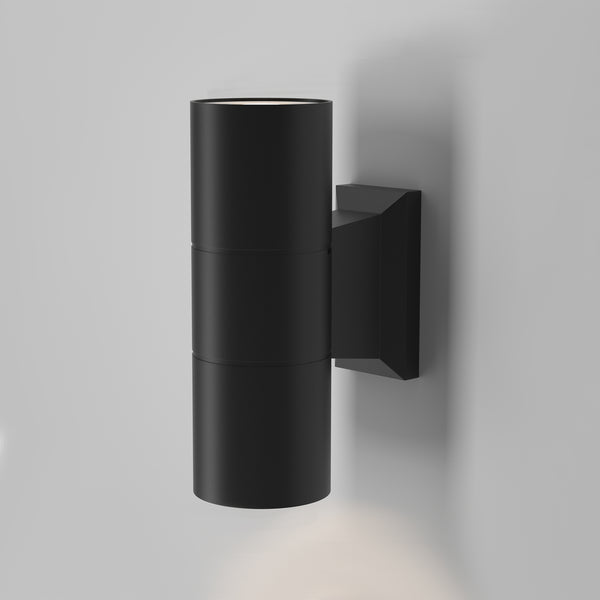
| Ruvex | Adjustable spotlight on base plate | Aluminium | IP65 | GU10 | Depends on bulb | 50 W | Targeted lighting, dining corner |
| Aqualis | Glass tube | Aluminium | IP54 | GU10 | Depends on bulb | 50 W | Walkway, facade wall |
| Zensamella | Fluted | Metal | IP54 | E27 | Depends on bulb | 60 W | Large wall, diffuse light |
| Isolea | Glass sphere | Aluminium | IP54 | LED | Warm white 2700-3500 K | 8 W | Ambience, covered patio |
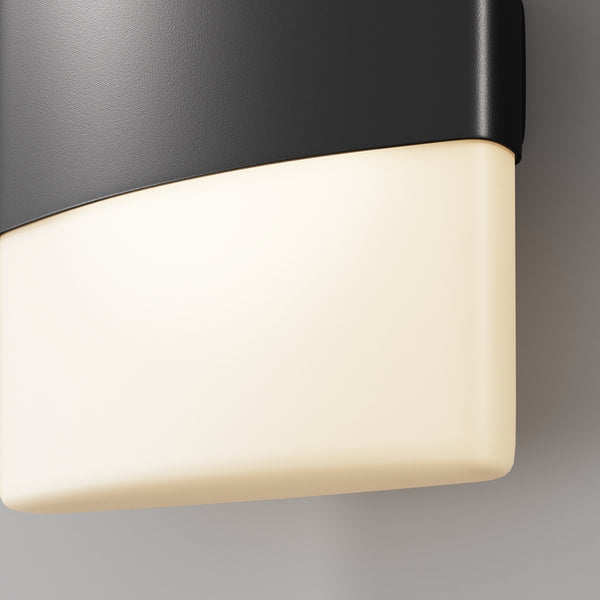
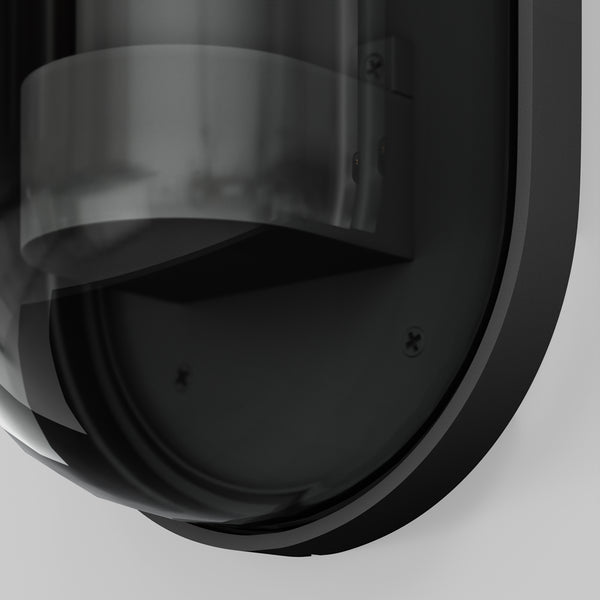
| Dacio | Dome | Aluminium and plastic | IP65 | LED | Warm white 2700-3500 K | 7 W | Exposed entrance, facade wall |
Which material and style for designer outdoor wall lights for patio?
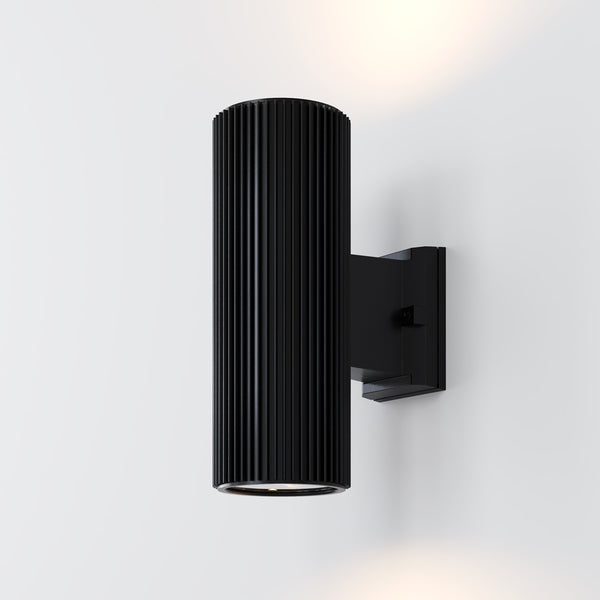
Aluminium dominates this collection: it resists corrosion and keeps its shade. Glass adds a reflection, acrylic lightens the design. In terms of style, contemporary lines in tube or square shapes match a sober patio; a gold or brown accent warms a dark facade.
Tube, square or sphere?
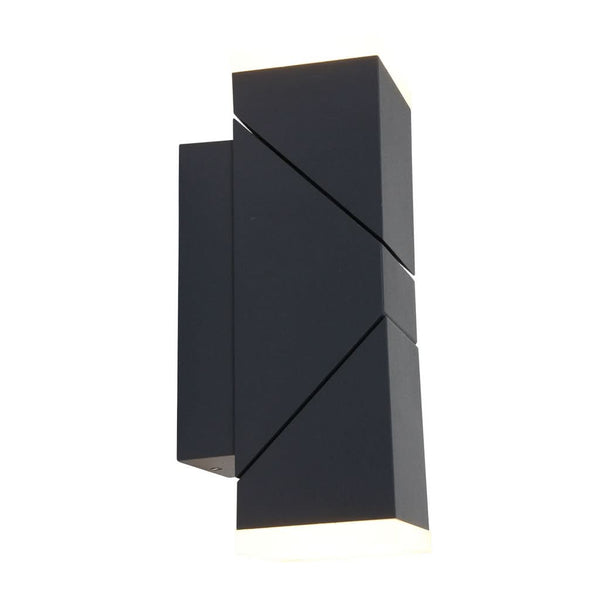
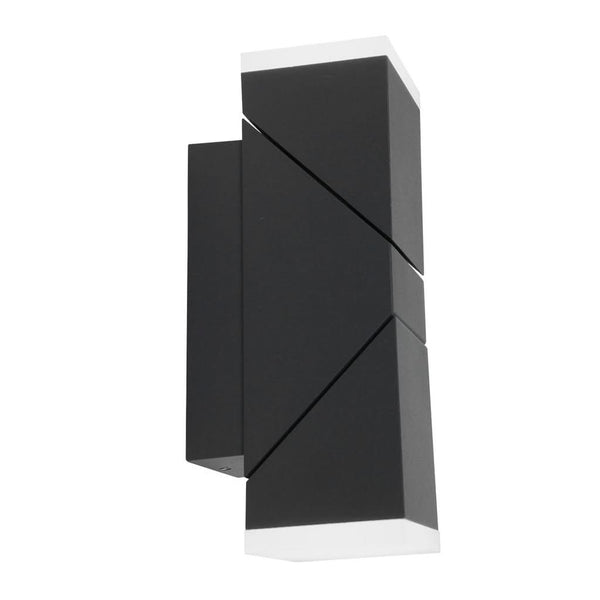
The tube, the majority here, lengthens a wall and gives horizontal light, like Aqualis, Katia or Delfino. The square structures a facade and lights upwards and downwards, like the Uaso cube. The sphere rounds off a corner, like the Isolea glass sphere, in warm white and 8 W. The choice depends on the line of the wall more than on the trend of the moment.
Black, white or gold accent?
Matte black blends into a dark facade, white disappears on a light wall. A gold or brown accent creates contrast, on Niger or Delfino. The black metal finishes match easily with dark joinery, while a white housing fades near a light-painted door.
How to install and maintain an outdoor wall light for patio?
Cut the power at the circuit breaker before connecting, then fix the bracket to a sound wall and drill with plugs suited to the material. A silicone seal at the top of the housing limits water ingress. Clean aluminium with soapy water, without abrasive, to preserve the finish and the IP rating.
How to fix a wall light on render or wood?
On render, the bracket must pass through the finishing layer and anchor into the load-bearing wall, with expansion plugs. On wood, aim for the frame or insert a base plate to distribute the load. The connection remains that of a standard outdoor fixture, identical to that of the design wall lights for staircase installed indoors.
How to clean an aluminium wall light?
A soft cloth, warm water and a neutral soap are enough. Abrasives and solvents dull the finish and damage the seal. Once a season, before winter, check that the upper seal holds and that the screws remain tight.
What are the trends for wall lights in 2026?
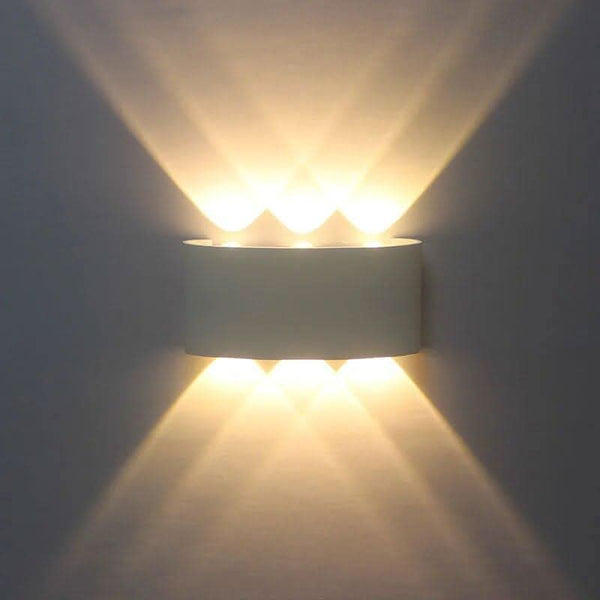
Simple geometric shapes, matte black and linear diffusers dominate, with warm light from 2700 to 3000 K. Double beam models, which light upwards and downwards, are spreading on facades. Style continuity between indoors and outdoors also guides choices.
How to extend the style of the home onto the patio?
The same family of fixtures is carried from living room to garden. The LED wall lights for living room in matte black have their outdoor equivalents, and a patio that extends a modern kitchen decor takes the same lines and the same shades. The design selection for patio brings together the shapes that stand out, to choose when the fixture is part of the composition.
Why does warm light remain the majority outdoors?
Because it tires the eye less in the evening and highlights stone, wood and foliage. Cold temperatures are mainly used for working. For continuity between indoors and outdoors, also look at bedroom wall lighting and the versions for damp rooms, where warm white also dominates.
Choose, then order
First identify the exposure of the wall, then the mounting height, then the socket: these three decisions settle almost everything. Find all our fixtures, including the Luminaire collection, to compare families before making your choice. Secure payment, tracked delivery, returns and Designix customer service accompany every order.
Frequently asked questions about patio wall lights
Is a solar outdoor wall light for patio suitable?
No model in this collection runs on solar energy: all connect to the mains. A solar wall light depends on sunlight and stores less in winter. For regular lighting under a covered patio, a wired IP54 aluminium model remains more consistent.
Can a wall light for WC from this collection be installed?
The models presented here are intended for outdoor use, with IP54 or IP65 ratings. In a WC, a more moderate protection is often enough. A wall light for WC can follow the same style, provided the protection zone around the water point is respected.
Are living room wall lights suitable for a covered patio?
Yes, a wall light intended for the living room can find a place under a covered patio if its IP rating matches the exposure. Indoor models are often less protected: better to aim for IP54. The contemporary black or white style remains consistent between living room and outdoors.
Which light colour for living room and patio?
A warm light of 2700 to 3000 K suits both the living room and a patio in the evening. Neutral white, around 3500 to 4000 K, lights a dining area or steps better. Cold white above 4500 K hardens the shades of the walls.
Which powerful outdoor wall light for patio should be chosen?
A GU10 socket wall light takes a bulb up to 50 W, which leaves the widest margin. If you prefer an integrated LED, the models in the collection range from 6 to 30 W. Power is chosen according to the surface to be lit, not on feeling alone.
How to choose between a design model and a discreet model?
A design model is recognised by its shape: tube, square or gold accent, it becomes an element of the facade. A discreet model blends into the wall through its white or black colour and its low profile. The choice depends on the place you want to give the fixture in the composition.
Can an outdoor wall light be placed on render or wood?
On render, use suitable expansion plugs and a bracket that does not rest only on the finishing layer. On wood, screw into the frame or fit a base plate. The connection remains the same, with a seal at the top of the housing.
At what height should a wall light be installed on a patio?
Allow about 1.80 m to 2 m from the ground for ambient lighting that does not glare for seated people. To light steps, place it lower and aim the beam towards the ground. Frame an entrance with two wall lights at shoulder height.