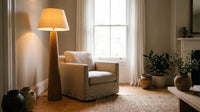
LED wall lights for living room
- Tracked delivery to your country Tracked delivery
- Secure payment at checkout Multiple payment methods
- 14 days to change your mind 14-day returns
- Secure payment Secure payment


Not sure of your style? Find it in 30 seconds
A few questions, and we will show you the pieces made for you.
















Frequently asked questions
How do I choose the right product?
What are the delivery times?
Can I return an item?
Can I pay in instalments?
An interior that reflects who you are
Carefully selected pieces, shipped from our warehouses. Our team advises you before you buy, so you choose with confidence.
- Tracked delivery
- Pay in instalments, where available
- 14 days to change your mind
- Advice & showroom in Lyon, France
To equip a living room, an LED wall light is chosen first by its socket, G9 for a compact point, E27 for a standard bulb, GU10 for a directed beam, then by its size on the wall and the direction of its light. This selection brings together models in aluminium, steel, glass, wood or ceramic, all LED and guaranteed for five years.
Which LED wall light should you choose for a living room?
For a living room, first choose the socket according to the bulb you want: G9 for a compact point, E27 for a standard bulb, GU10 for a directed beam. Then look at the format on the wall, then the style and colour. The whole selection is LED and guaranteed for five years.
LED wall lights for living room: which criteria to look at first?
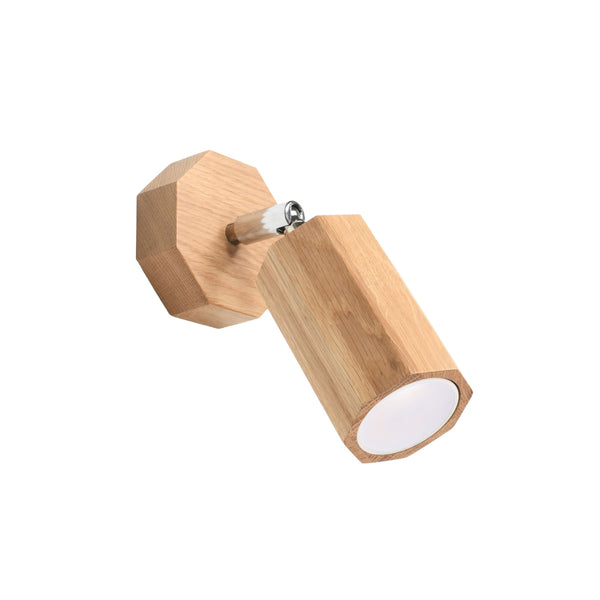
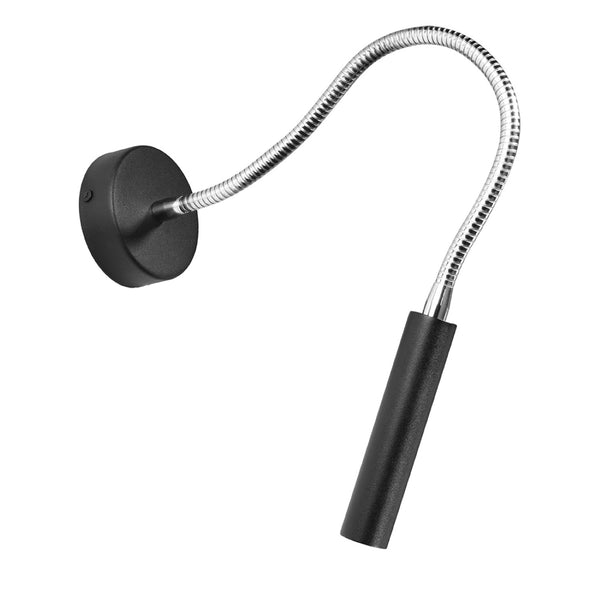
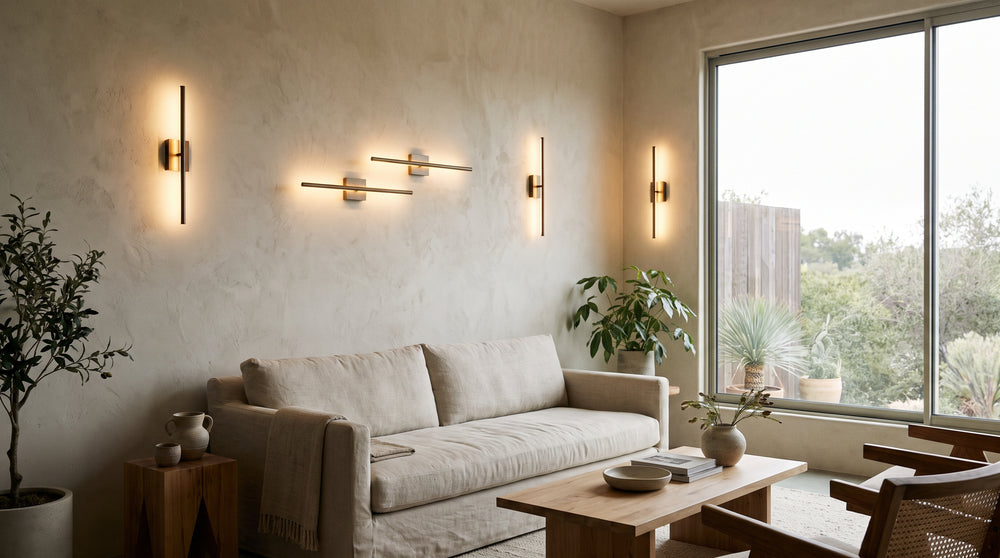
The first criterion is use. Framing a sofa calls for two compact wall lights, for example the AURA and its GX53 module, which measures 12 cm wide by 10 cm deep. Highlighting a painting calls for a model that projects light upwards or downwards rather than into the centre of the room. Reading while seated calls for a directed beam, such as the LIRO white wall light and its GU10 socket. Next comes the available space: a long wall accepts a low, elongated wall light, a narrow wall prefers a flat module. To broaden the search, browse the Designix lighting catalogue and designer LED wall lights.
LED wall lights for living room: what budget should you plan for?
The budget works in three tiers. A simple wall light in white or black aluminium, such as the AURA wall light with G9 socket, is an entry-level option. A model in ceramic or in worked wood and steel, such as the LINO in wood and steel, sits above it through material and finish. Finally, a long steel wall light, which covers several metres of wall, is closer to a carefully finished piece. Cordless and without wiring, cordless LED wall lights also avoid the cost of electrical work.
Which type of LED for a living room?
In this selection, LED lighting works through bulbs or socketed modules: G9 for a compact light point, E27 for a standard bulb, GU10 for a directed beam, GX53 and E14 for flat or slim formats. The stated wattages range from 8 to 15 W.
G9, E27, GU10 or GX53 socket: what difference for a living room wall light?
| Socket | Type of light | Stated wattage in the selection | Example model |
|---|---|---|---|
| G9 | Compact light point, for framing or a low wall light | 8 W | AURA G9 wall light |
| E27 | Standard bulb, wider diffusion | 15 W | FLASH white wall light |
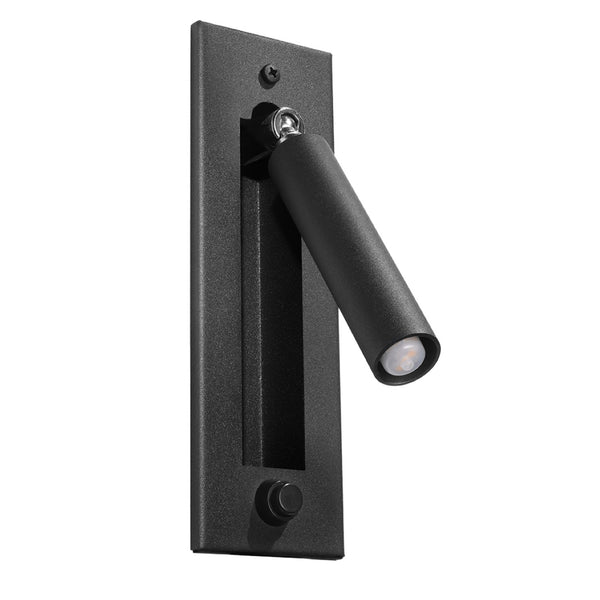
| GU10 | Directed beam, useful for reading or lighting a worktop | 10 W | LIRO white wall light |
| GX53 | Flat module, low bulk | 10 W | MODO 1 GX53 wall light |
| E14 | Small screw socket, slim format or long wall light | 10 W | NOX 1 wall light |
Can an LED wall light be installed on a dimmer?
Only a small part of the selection accepts a dimmer, to be checked case by case on the model's product page. On the others, the bulb or LED module works on an all-or-nothing basis. If you want to adjust the intensity in the evening, look for the dimmer mention before ordering, then match the bulb to the same setting. The choice of socket remains the real starting point: a GX53 module fits on a narrow wall where an E27 wall light takes up more space. You will find the same socket logic for LED wall lights for the bedroom and for lighting the kitchen worktop. Wooden models are gathered in wooden wall lights for living room.
Where and how to install a wall light in the living room?
Install the wall light where the wall remains free: on either side of a sofa or a painting, at the end of a shelf, at the entrance to the living room. The wiring is that of a classic wall light point and a model with a built-in switch saves you looking for the button elsewhere.
How to install an LED wall light in a living room?
The wall light is fixed onto an existing wall light point, in place of an old fixture: the wiring stays the same. A model such as the NOX 2 with built-in switch saves you depending on a distant two-way switch. Three locations work well: on either side of the sofa, on either side of a painting, or at the end of a bookcase. For a long wall or an adjoining passage, also look at modern wall lights for hallway and a light for the entrance, which follow the same wall installation.
Can a living room be lit only with wall lights?
Yes, provided you multiply the points rather than looking for a single strong source. Two wall lights framing the sofa, a third near a reading armchair and a last one at the end of a piece of furniture are enough to cover the room without glare. On an open staircase to the living room, a low wall light remains useful: see designer wall lights for staircase. The dimmer, on the rare models that accept it, helps lower the mood in the evening.
Which styles and materials for a living room wall light?
The most common materials are steel, aluminium, glass, wood and ceramic, for modern, minimalist or Scandinavian styles, with a few industrial or rustic pieces. Aluminium stays discreet, steel marks the lines, wood warms, ceramic softens the light.
Wooden wall lights for living room: what effect in the room?
Wood brings a warm echo to an often bare wall. Combined with steel, it keeps a clean silhouette: the LINO in wood and steel combines a directed GU10 socket and a slim stem 8 cm wide. A model in wood and glass, such as the BULBO wall light in natural wood, diffuses more widely around its G9 socket. These pieces go well with a living room in light tones; other wood finishes are gathered in wooden wall lights for bedroom.
| Material | Effect | Associated styles | Model |
|---|---|---|---|
| Aluminium | Slim and discreet, goes unnoticed on the wall | Minimalist, modern | AURA GX53 wall light |
| Steel | Clean lines, visible structure | Modern, industrial | NOX 1 wall light |
| Wood and steel | Brings a warm echo | Rustic, Scandinavian, modern | LINO wall light |
| Ceramic | Soft diffusion, matte surface | Modern, minimalist | RIGATA ceramic wall light |
| Glass | Transparency, diffuse light | Modern, Scandinavian | BULBO natural wood wall light |
| Aluminium and glass | Mix of metal and soft diffusion | Modern | HALO IP44 wall light |
Steel, aluminium or ceramic: which material to choose?
Aluminium is suitable when the wall light should go unnoticed: slim, light, it disappears on a painted wall. Steel shows a silhouette, useful in a living room with clean lines, for example the NOX 1 and its 61 cm length. Ceramic softens the light and mattes the surface: the RIGATA in ceramic takes a 15 W E27 socket and diffuses without harsh glare. To compare all the lighting families, go through all our home lighting.
Which wall light colour and which paint for a bright living room?
On the paint side, a light wall reflects light better than a dark wall that absorbs it: aim the wall light towards a light surface if you want more brightness. On the wall light side, white and beige blend into the wall, black and brown highlight it, green adds a colourful touch.
Which wall light colour for a bright living room?
On a light wall, a white or beige wall light fades away and leaves only the light visible, such as the light finishes of the AURA wall light with G9 socket, offered in several colours. A black or brown wall light draws a silhouette and becomes a decorative element in its own right, useful on an already furnished wall or a very pale background. Green, rarer, works in small touches, for example framing a painting.
Modern living room decor: how to match the wall light to the rest of the room?
Start from a family of tones and stick to it: a light living room supports several whites and beiges without becoming cluttered, a dark living room prefers dark wall lights that blend into the wall rather than creating a sharp contrast. Shape matters as much as colour: a tube stays discreet, a ball or a square stands out. Matte ceramic goes well with thick textiles, polished steel with straight-lined furniture.
Modern living room chandelier, floor lamp or wall light: how to distribute the light?
A modern living room chandelier lights the room from the centre, a large chandelier occupies the ceiling, a floor lamp or standing lamp lights a seated corner, and a wall light lights along the wall. The simplest approach remains combining two sources rather than a single very strong one.
Living room chandelier or wall lights: which solution for which room?
The chandelier suits a central room where you entertain, because it lights from above and structures the space. Wall lights take over where the ceiling is not the right starting point: long wall, reading corner, sofa framing. In a narrow living room, two or three well-placed wall lights advantageously replace a low chandelier. A ball floor lamp, near an armchair, adds low and mobile light, and completes the whole without competing with the wall lights.
Can a living room halogen be replaced by an LED wall light?
Yes. A wall halogen point is replaced by an LED wall light with a suitable socket, without moving the wiring or changing the location. As the whole selection works with G9, E27, GU10, GX53 and E14 bulbs or modules, you simply equip the new wall light with an LED bulb of the right socket. The gain is in consumption and in the heat released on the wall.
Living room open to the kitchen: which decor for a modern kitchen and which lights?
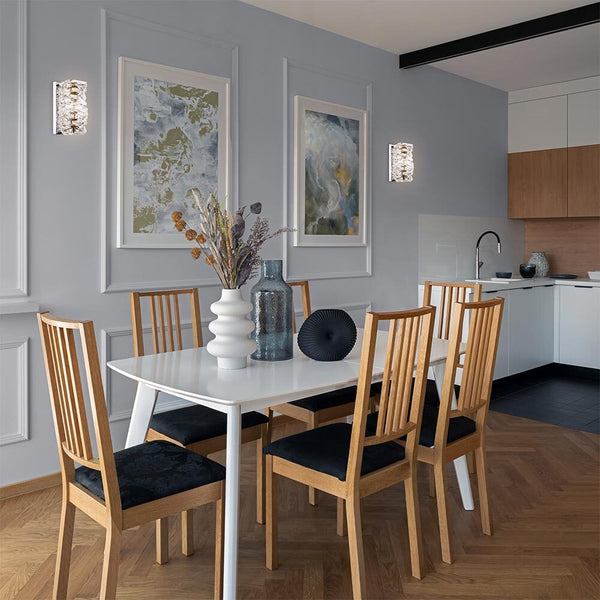
In a living room open to the kitchen, keep the same family of materials and colours from one space to the other, changing only the format. A wall light on the living room side, a more directed model above the worktop: visual continuity links the two rooms.
Which wall light for an entrance or hallway adjoining the living room?
A hallway or entrance open to the living room supports the same materials as the main room, in a longer and lower format. This is the territory of steel wall lights, such as the NOX 1 and its 61 cm, which follow the wall without cluttering it. You will find others in wall lights for entrance. For preparation work on the kitchen side, vintage wall lights for kitchen play the same continuity card.
Open living room and kitchen: should the lights be the same on both sides?
Not the same models, but the same family: a shared metal, a shared colour, and a format suited to each zone. Above the worktop, a directed GU10-type beam lights the useful surface; on the living room side, a wider diffusion suits the mood better. If the terrace or the utility room is visible from the living room, turn to outdoor LED wall lights and terrace lighting.
IP20 or IP44, dimmer, warranty: what to check before ordering
In the living room, an IP20 rating is enough; IP44 concerns damp rooms or a covered terrace. A dimmer is only possible on certain models, to be checked case by case. The whole selection is guaranteed for five years, with secure payment, tracked delivery, returns and Designix customer service.
Do you need an IP44 wall light in a living room?
No, unless the wall light is next to a damp room or a covered terrace. In a dry living room, IP20 protects sufficiently against contact and dust. When the wall runs alongside a bathroom, a protected model takes over, for example the ZORI and its IP44 rating, in ceramic and glass. See also the models designed for a damp room and IP44 wall lights for bathroom.
How do delivery and returns work?
Before confirming, check the width on the wall and the depth of the wall light: this is the point that most often decides the right choice. The socket also matters: G9 for a compact light point, E27 for a standard bulb, GU10 for a directed beam, GX53 and E14 for flat or slim formats. These markers guide the choice according to use.
Frequently asked questions about LED wall lights for living room
Which wall light for a living room?
Choose it first according to the bulb you want: G9 socket for a compact point, E27 for a standard bulb, GU10 for a directed beam, GX53 or E14 for a flat format. Then look at the available space on the wall, then the style of the living room and the colour of the room.
Which type of LED for a living room?
All the wall lights in the selection are LED. The type depends on the socket: G9, E27, GU10, GX53 or E14, with stated wattages from 8 to 15 W. Some models accept a dimmer and others do not, to be checked if you want to adjust the intensity in the evening.
Which paint colour for a bright living room?
A light wall reflects light back into the room, a dark wall absorbs it: aim the wall light towards a light surface and avoid placing it in front of a very dark wall. On the wall light side, white and beige blend in, black or brown highlight the silhouette.
Can a living room halogen be replaced by an LED wall light?
Yes. The selection works with LED bulbs or modules with G9, E27, GU10, GX53 or E14 sockets: a wall halogen point can therefore be replaced by an LED wall light fitted with a suitable bulb, without changing the location or the wiring.
Do you need a living room chandelier in addition to the wall lights?
It is not compulsory. A chandelier lights the room from the centre, a wall light lights along the wall or for a specific use such as reading. Many living rooms make do with several well-placed wall lights; in a large room, combining a chandelier and wall lights remains consistent.