
Lamp
This selection is also available in our French store: Lampe





















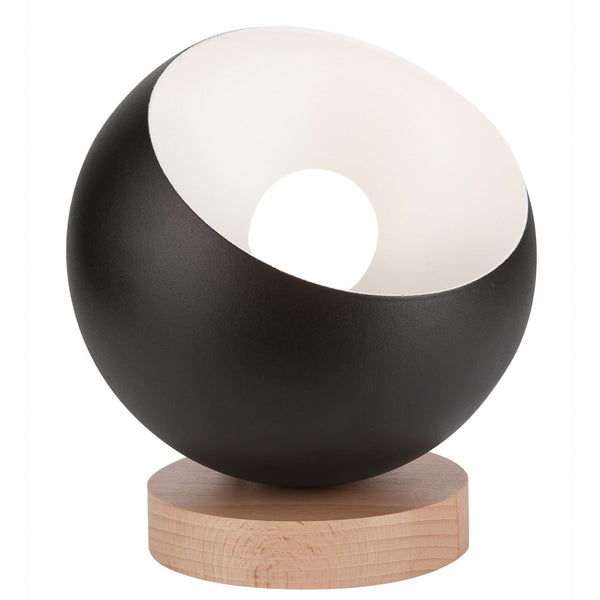


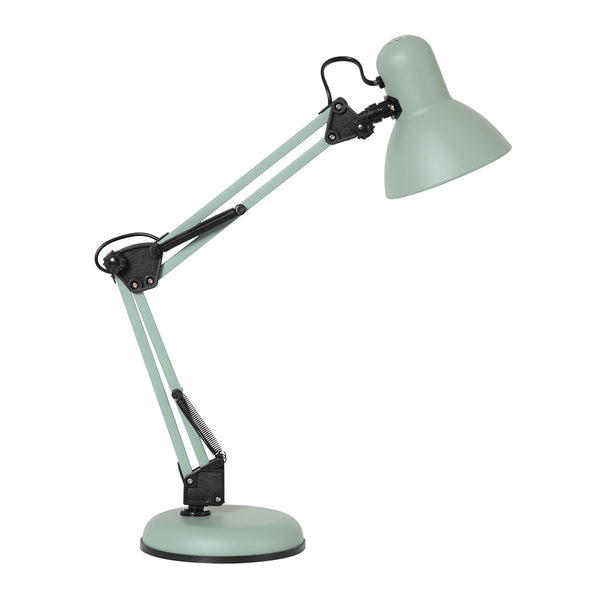
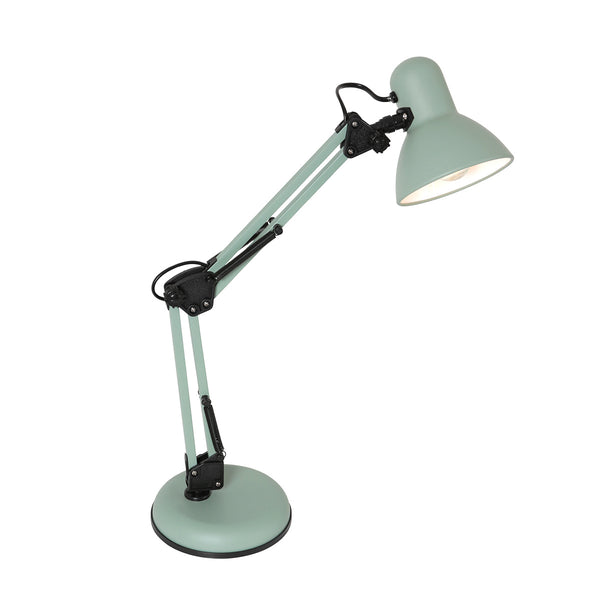
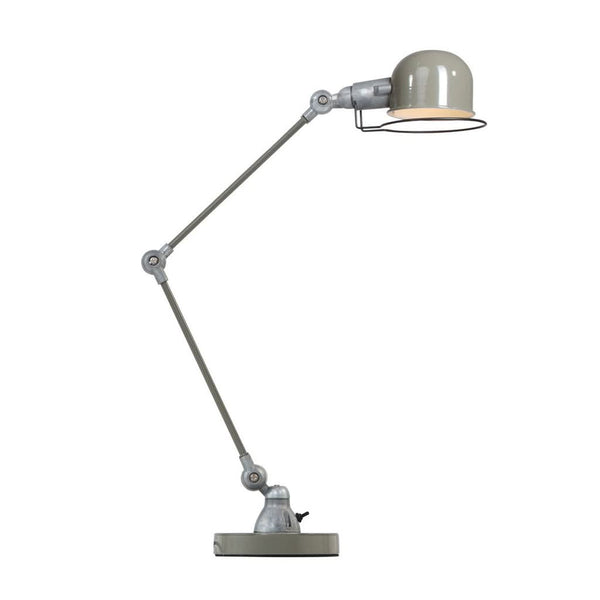


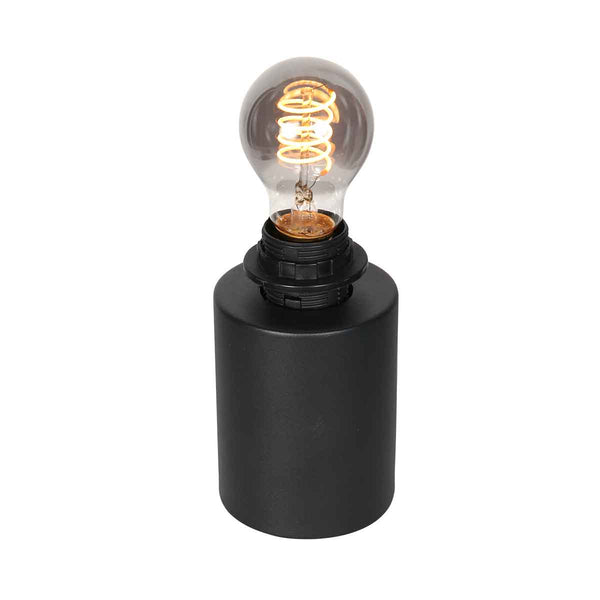

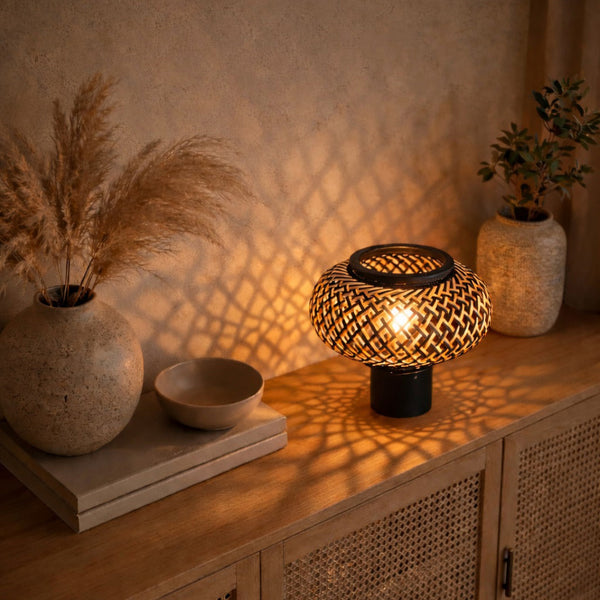


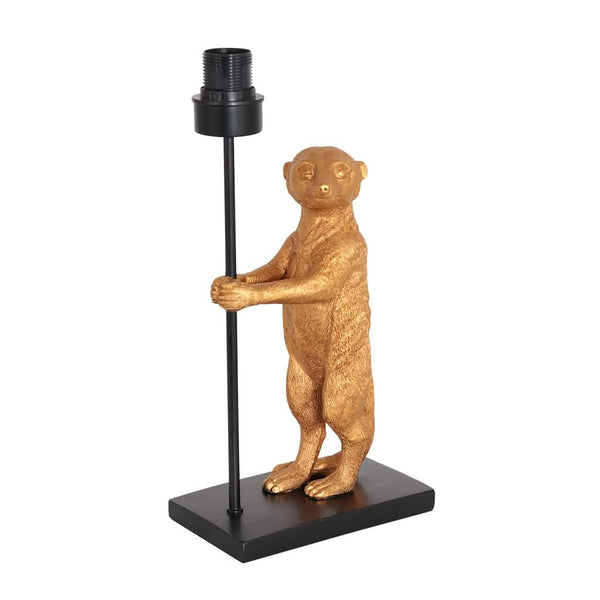




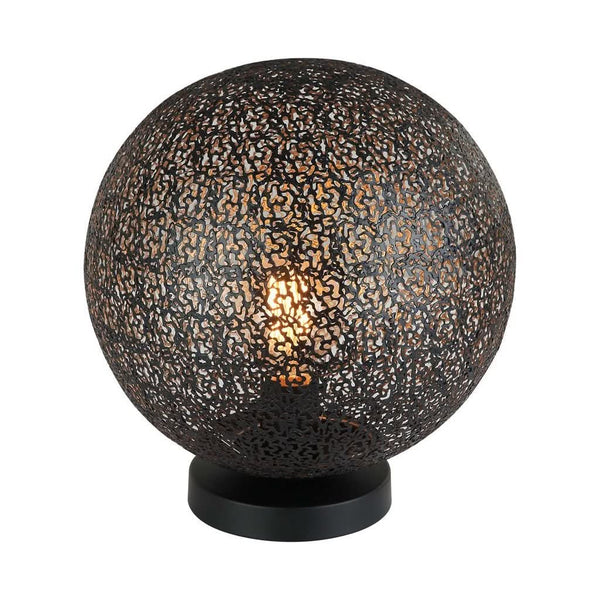


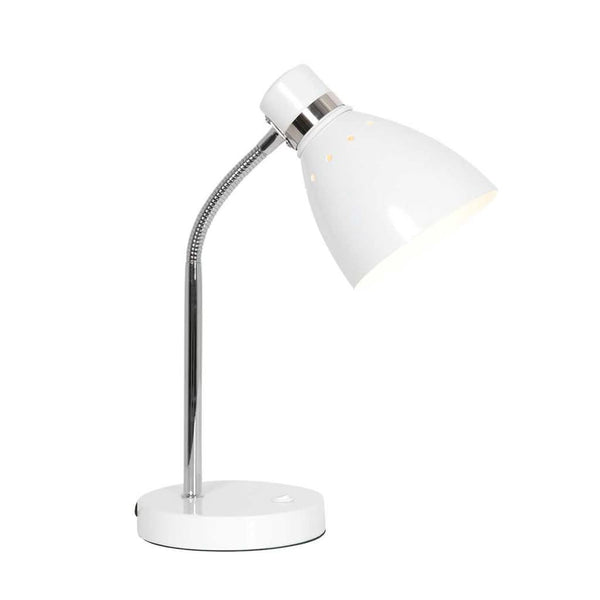


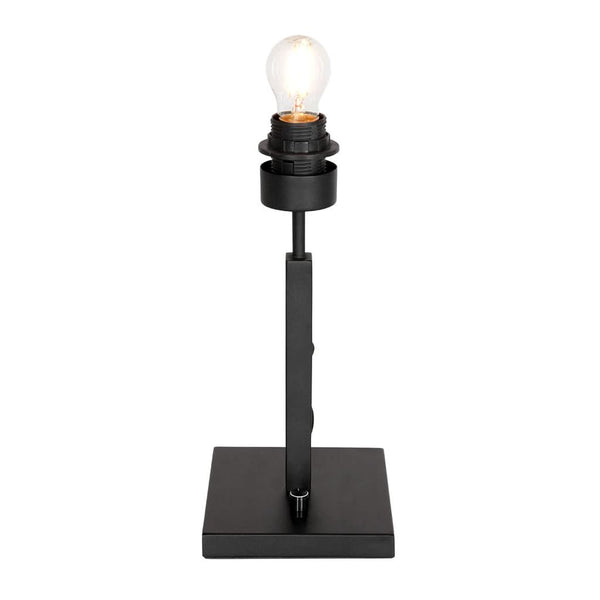


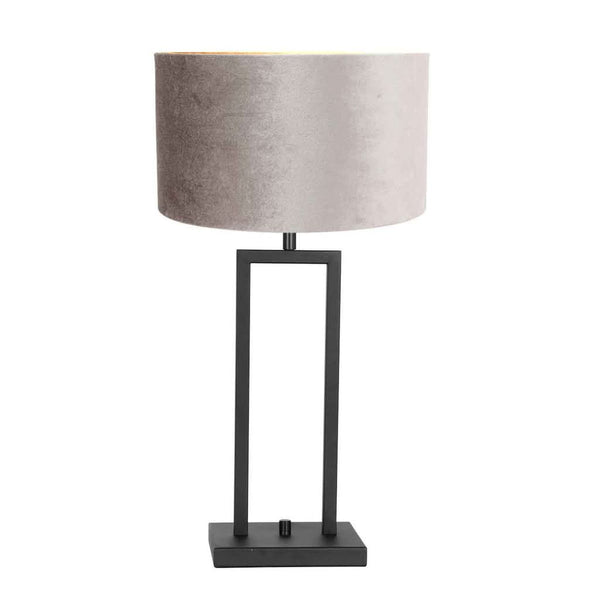









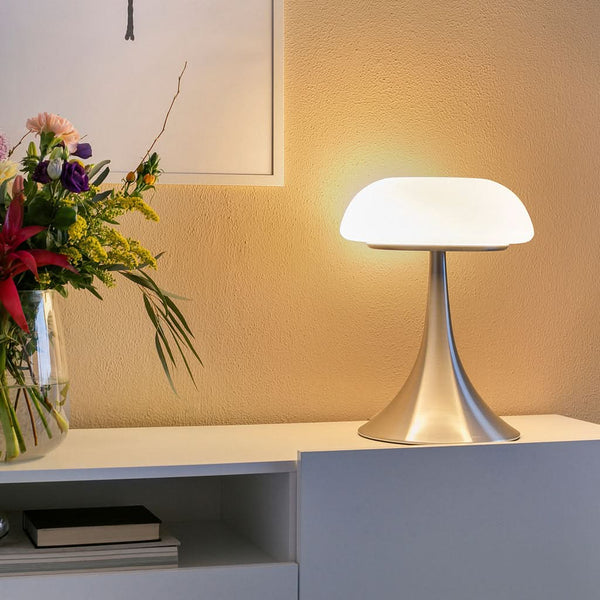


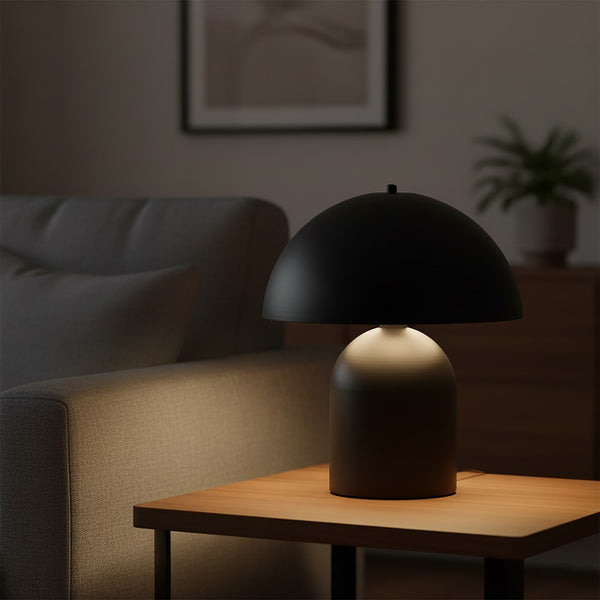


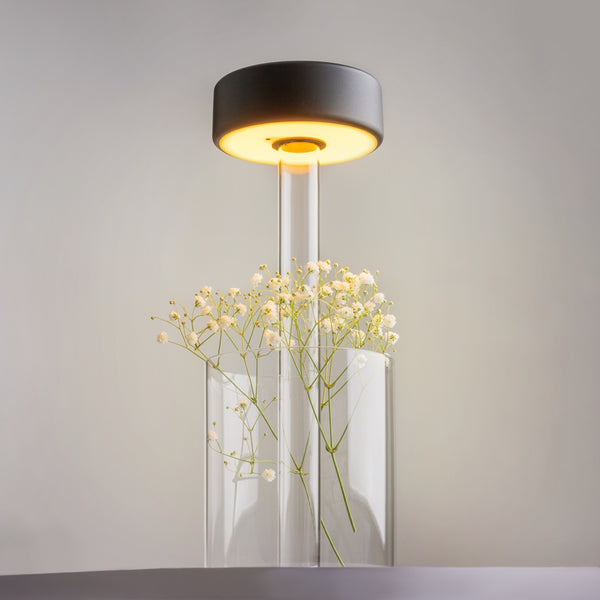

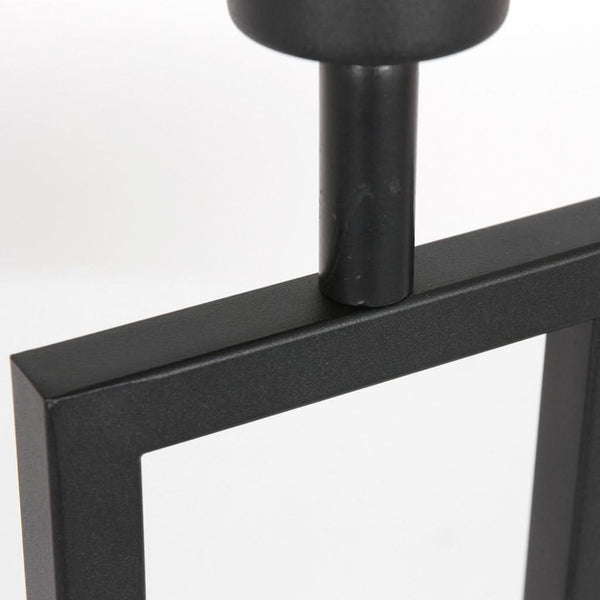


- Tracked delivery to your country Tracked delivery
- Secure payment at checkout Multiple payment methods
- 14 days to change your mind 14-day returns
- Secure payment Secure payment
Not sure of your style? Find it in 30 seconds
A few questions, and we will show you the pieces made for you.
Frequently asked questions
How do I choose the right product?
What are the delivery times?
Can I return an item?
Can I pay in instalments?
An interior that reflects who you are
Carefully selected pieces, shipped from our warehouses. Our team advises you before you buy, so you choose with confidence.
- Tracked delivery
- Pay in instalments, where available
- 14 days to change your mind
- Advice & showroom in Lyon, France
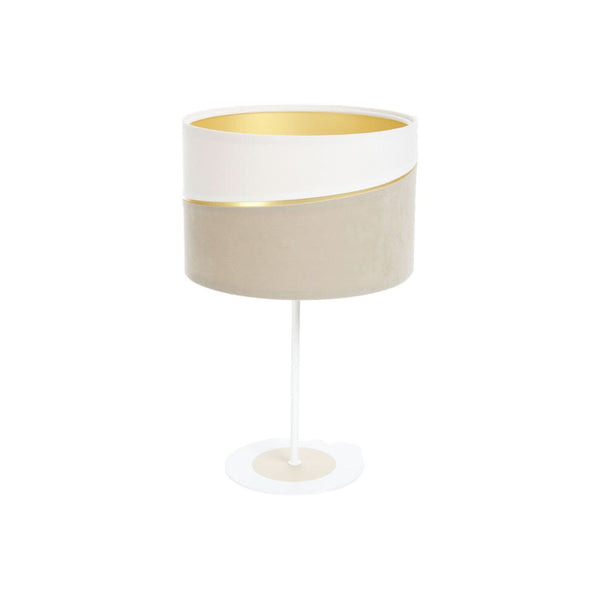
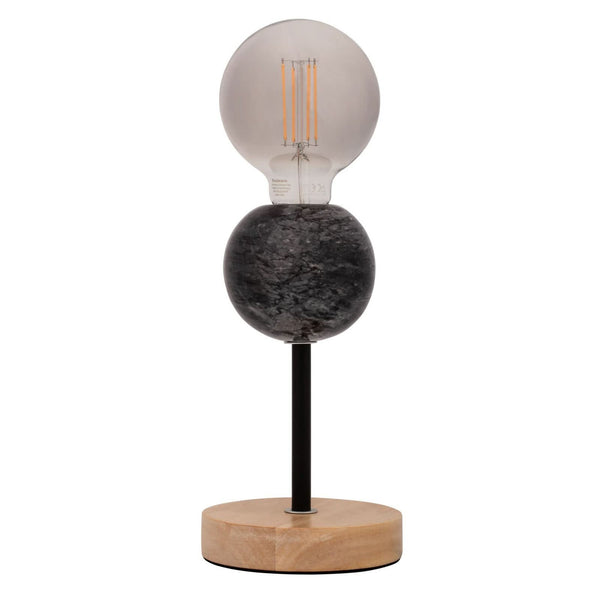
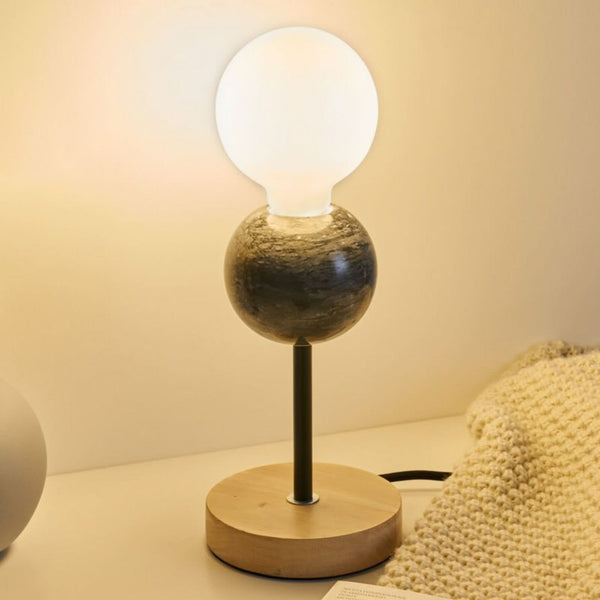
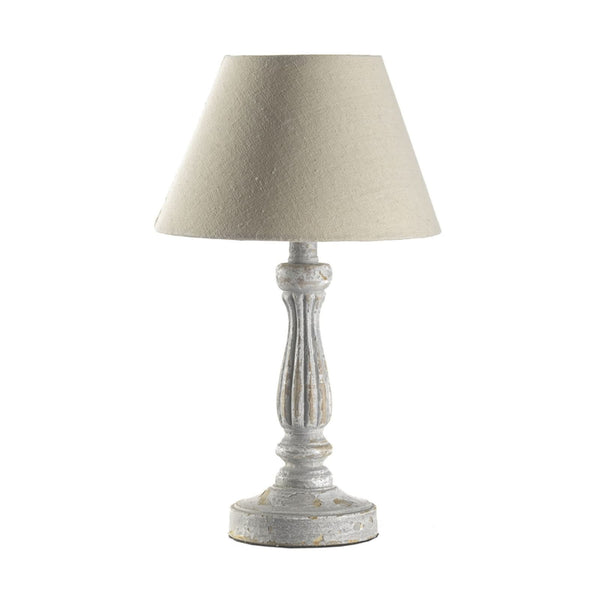
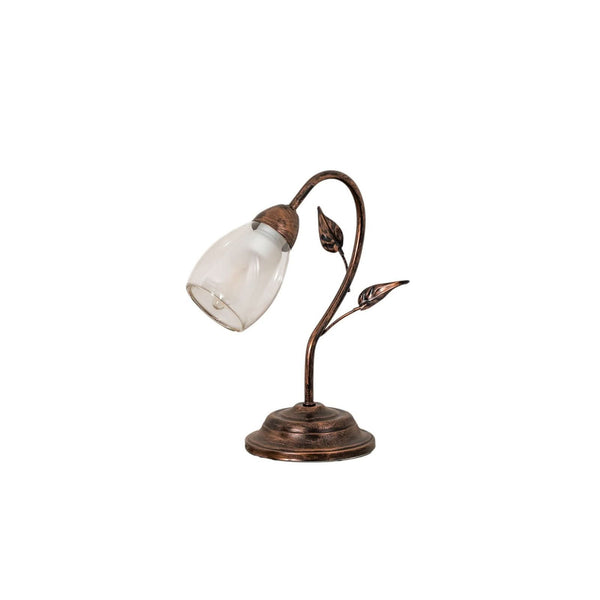
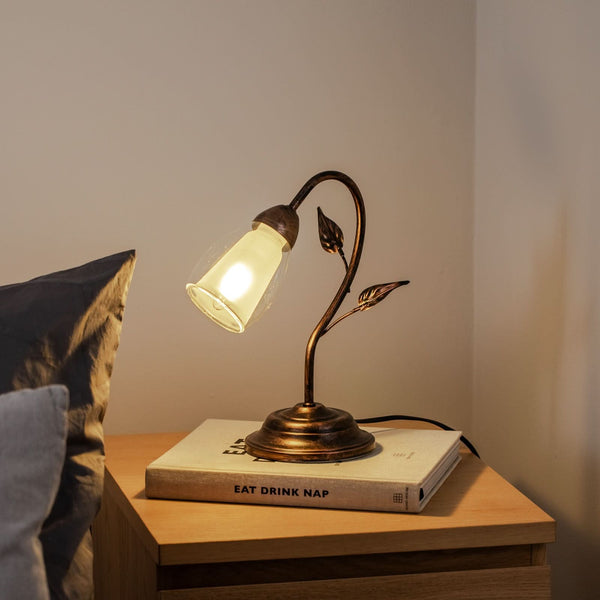
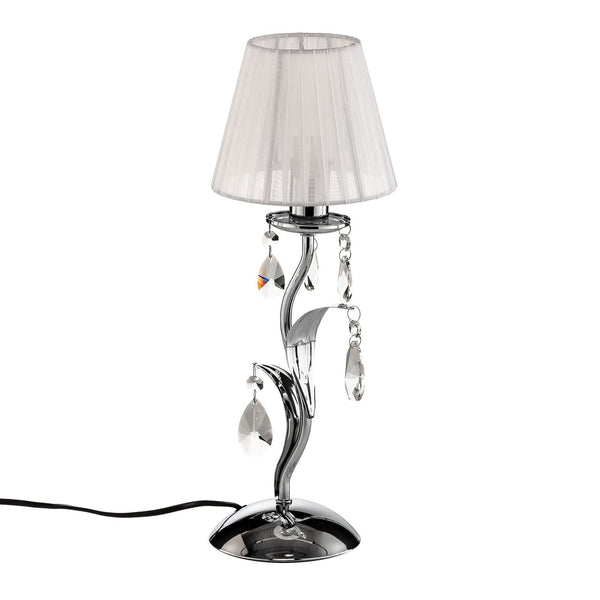
There are four main families of lamps: the table lamp, the floor lamp, the wall lamp and the ceiling pendant. This selection brings together table lamps, bedside lamps and desk lamps in metal, glass, fabric or linen, designed for the bedroom, living room and office.
What are the 4 types of lamps and which one should you choose?
There is the table lamp, which covers the desk lamp, bedside lamp and office lamp; the floor lamp, also known as a standing lamp; the wall lamp or sconce; the pendant and the ceiling light. This selection is made up of table and desk lamps, with an E27 base for the vast majority of models.
Table lamp or bedside lamp: what is the difference?
The table lamp sits on a piece of furniture in the living room or hallway, with a wider shade and a height that often ranges from 30 to 55 cm. The bedside lamp fits on a nightstand: compact size, soft light, and sometimes a small E14 base when the lamp is compact. In both cases, the switch on the cable or on the base changes everyday comfort. Browse our table lamps for generous volumes and our bedside lamp range for night-time formats.
Floor lamp, wall lamp: when should you move away from the table lamp?
When there is no furniture where you need light. The floor lamp lights from the ground and replaces a table lamp in a living room, a reading corner or a room without a coffee table. Wall lamps and sconces free up the surface of the furniture and are fixed at reading height, on each side of the bed. For a work surface, look instead at desk lamps, whose light is directed downwards.
Which lamp for which room: bedroom, living room, office?
In the bedroom, look for soft light and a compact format for the nightstand. In the living room, a wide shade lights the sofa without dazzling. In the office, the priority goes to a stable base and directed light. The hallway calls for a reduced format, the bathroom for a model placed outside the wet zone.
| Room | Recommended type | Base in the selection | What matters most | Example model |
|---|---|---|---|---|
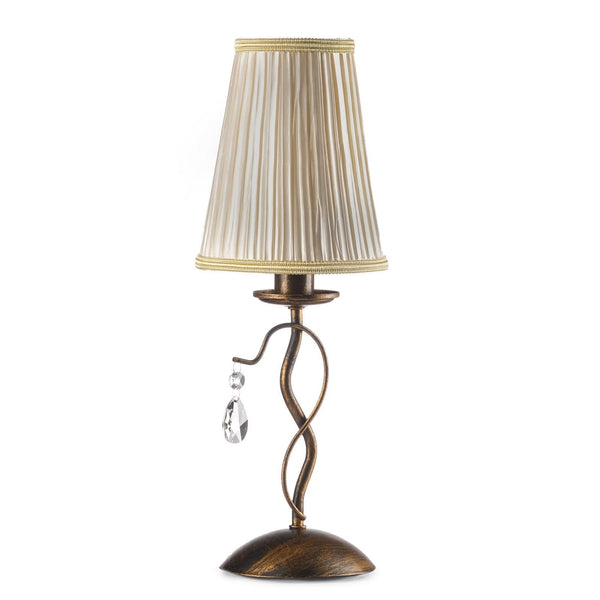
| Bedroom | Bedside lamp or table lamp | E27, E14 on small formats | Soft light, contained height, dimmer appreciated | Tubia II elegant bronze lamp, H 33 cm |
| Living room | Table lamp or desk lamp | E27 | Shade volume, material, space on the furniture | Cylia II, shade Ø 30 cm, with switch |
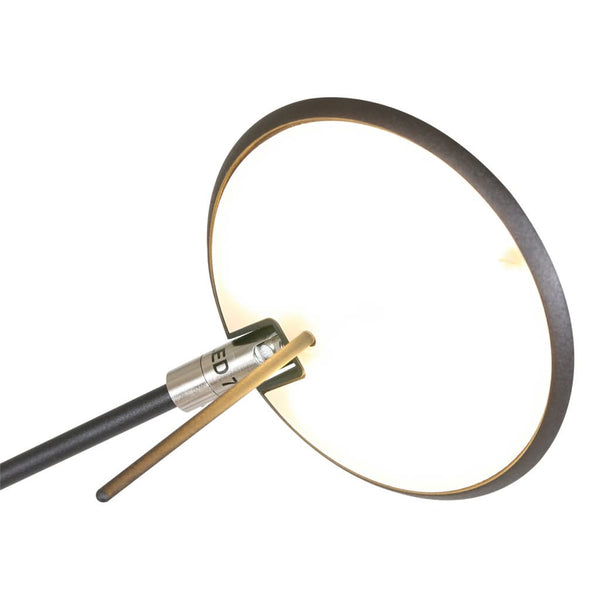
| Office | Desk lamp | E27, G9 on LED models | Stable base, directed light, tube or ball shape | Galéa, LED desk lamp in concrete |
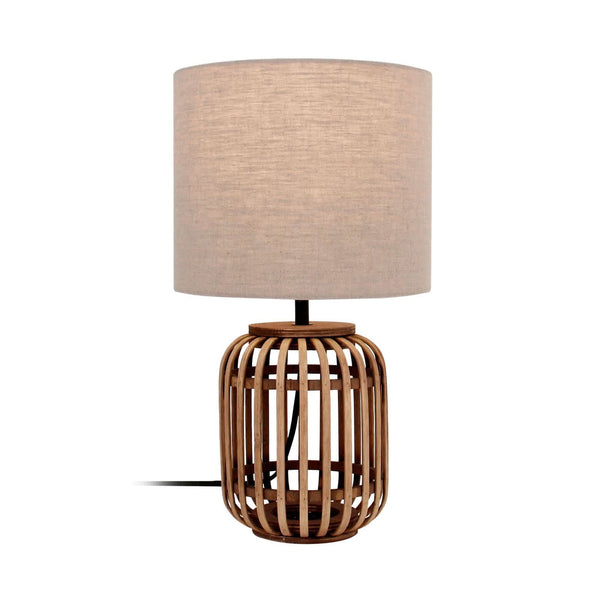
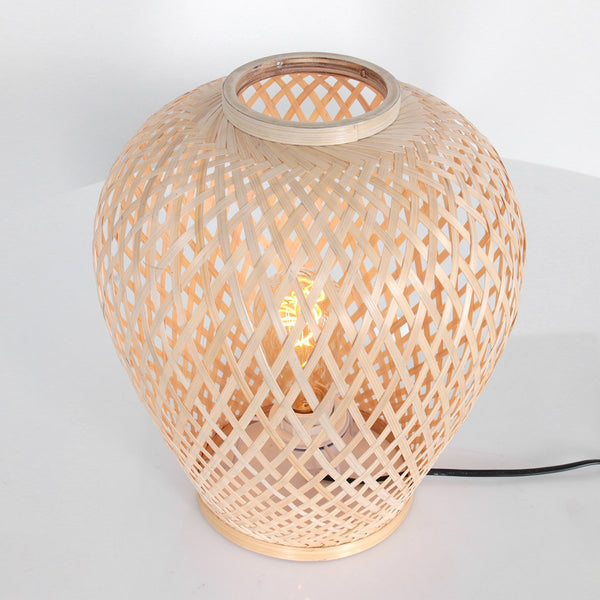
| Hallway | Compact table lamp | E27 | Reduced format, warm light, warm material | Bloeba in woven bamboo, H 25 cm |
| Bathroom, dry zone | Table lamp | E27 | Model placed away from water splashes (IP20) | Nila in blue velvet, Ø 20 cm |
Which lamp for a chic living room?
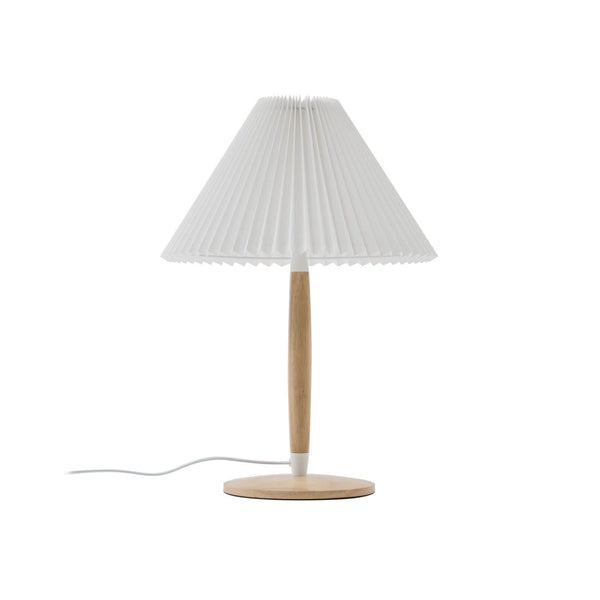
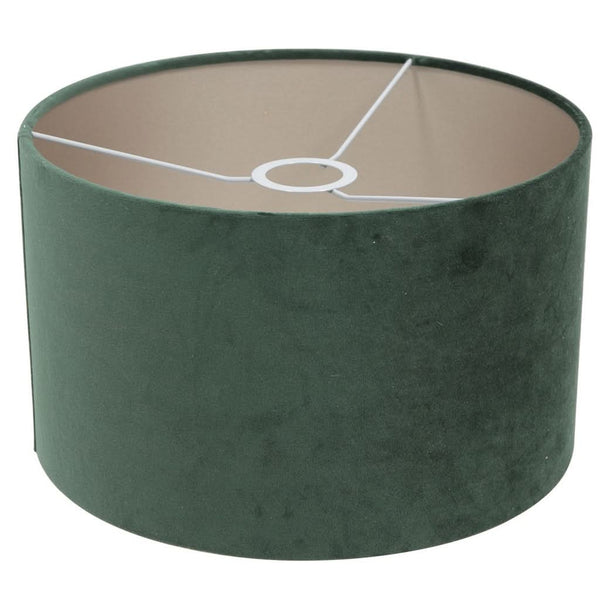
What makes the difference comes down to proportions and finish. A wide fabric shade diffuses a soft light, a metal or glass base holds the line, and deep black or discreet gold crosses trends. The living room lamps in the selection follow this principle, such as the Cylia II with switch, with its 30 cm shade and 55 cm height. A good benchmark: the lamp should still look beautiful when switched off.
Which desk lamp to work without tiring?
You need a heavy base and light that falls on the work surface, not in your eyes. Ball or tube shapes in metal fulfil this role, with adjustable height when possible. The Galéa desk lamp plays the concrete card for stability, with a G9 pin bulb and the choice between warm white and cool white. To equip the whole room, see a well-lit desk setup.
How to choose the base, wattage and material of your lamp?
The base determines the bulb to buy: E27 on the vast majority of models, E14 on compact formats, G9 on some desk lamps, and integrated LED on a few pieces with no bulb to change. The material changes both the rendering of the light and the look of the lamp when switched off.
E27, E14, G9 or integrated LED base: what to choose?
The E27 accepts a standard screw bulb, it is the simplest to replace and to change in colour temperature. The E14 equips narrow bedroom lamps. The G9 is found on pin LED models. Integrated LED does without a bulb but fixes the light for good.
| Base | Bulb to provide | Indicated wattage | Possible temperatures | Where it is found |
|---|---|---|---|---|
| E27 | Standard screw bulb | 40 W on the models concerned | Warm white or cool white | Vast majority of table and desk lamps |
| E14 | Small screw base | 40 W | Warm white | Compact bedroom lamps, such as the Tubia II |
| G9 | Pin LED bulb | 15 W | Warm white and cool white | Galéa desk lamp |
| Integrated LED | No bulb to change | Depending on the model | Depending on the model | Avéa table lamp |
Metal, glass, fabric, linen: which material for which room?
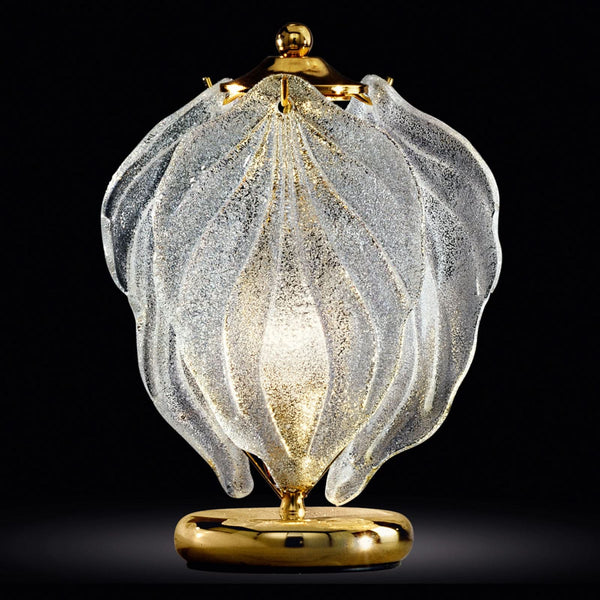
Metal gives a fine structure and reflections: it matches black as well as gold and returns in the bedroom, living room and office. Glass lets light pass through for a soft rendering, as on the Vessia oval ball glass lamp. Fabric filters the bulb and softens the lighting, linen brings a natural spirit, woven bamboo shows its fibres and warms the light, concrete or resin stabilise a desk base. Compare glass models and metal lamps according to the effect you want.
Italian design bedside lamp: how to recognise this style?
Italian design is read in the proportions: a fine silhouette, often in metal, combined with glass or a taut shade, and a bold colour such as black, white or gold. It is found on table lamps whose height often exceeds that of a classic bedside lamp.
Italian design table lamp: glass, metal and fine lines
The stem is slender, the base discreet, and the light point occupies a simple shape: ball, tube, flattened sphere. The glass can be clear, smoked or opaline, sometimes accompanied by a steel or brass frame. These pieces stand out as much switched off as switched on. Models with a strong style and modern lines gather some of these silhouettes in the catalogue.
How to match an Italian design bedside lamp in the bedroom?
On a nightstand, allow for a height that places the shade above the mattress when you are seated, generally around 40 to 55 cm from the top of the furniture. A fine lamp needs air around it: avoid pressing it against a wall or a book. For the bulb, a warm white of 2700 to 3000 K and a dimmer make waking up and going to sleep more comfortable. Look at the selection of bedside lamps with a current style and the Orion ball table lamp for this kind of silhouette.
How to recognise a real salt lamp and what light does it give?
A real salt lamp is carved from a block of rock salt: the shade varies from one area to another, the grain remains irregular and the surface is matte. A resin imitation is smooth, uniform and light. The light passes through the block and comes out in red-orange tones, warm and diffuse.
A real salt lamp is recognised by its material, not its colour
Run your hand over the surface: rock salt catches, shows veins, visible crystals and sometimes slight differences in thickness. Resin readily imitates orange, never the relief. A real piece also weighs heavier than it looks, for the same volume. Weight and grain are the two most reliable clues to know how to recognise a real salt lamp.
Why does a salt lamp give red light?
The block absorbs part of the light spectrum and lets red and orange wavelengths through. The rendering remains warm, diffuse, without dazzling, but it is not suitable for reading or working: it is an ambient light, to be installed in addition to a more functional lamp. For this role, compare with our entire lighting range.
How to connect several lamps to a single electrical supply?
On an existing socket, a power strip or a socket rail is enough for several lamps. For a fixed installation, you start from a junction box, always with the power off, with terminals suited to the cable. You add up the wattage of the bulbs and check that the circuit and its breaker follow.
Power strip, socket rail or spur: what to choose?
The power strip is suitable for a few table lamps plugged in at the same place: all the table lamps in the selection connect this way, without work. A socket rail fixed under a piece of furniture tidies the cables and avoids stacking. The junction box is used when you want a fixed supply, for example for a wall lamp: it is then recessed work, to be entrusted to an electrician.
What to check before connecting one more lamp
Cut the power at the breaker before any intervention, and never unplug under load. Add up the wattages of the bulbs you are adding and compare with the circuit that supplies the socket. Do not plug a power strip into another power strip. If doubt remains about a recessed installation, calling a professional remains the right option.
Warm white, cool white, dimmer: which light for which room?
Warm white, around 2700 to 3500 K, suits bedrooms, the living room and the hallway; cool white, from 4500 to 6500 K, is reserved for the office. A dimmable lamp allows you to lower the intensity in the evening without changing the bulb. The models in the selection are IP20, so for a dry interior.
Why are all these lamps IP20?
IP20 means the lamp is protected against solid objects larger than 12 mm but not against water. It is therefore placed in a dry interior, away from splashes: in a bathroom, keep it out of the water zone, away from the sink and shower. The models concerned, such as the Nila in velvet, remain perfectly in place on furniture away from water.
Can you put a dimmable lamp anywhere?
The dimmer depends on the lamp and the bulb chosen: some pieces accept intensity adjustment, others do not, and a non-compatible bulb will light without dimming. Check the product sheet before buying the bulb. LED models can be found via our selection of LED lamps. The selection is also covered by a 2-year warranty.
What are the table lamp trends for 2026?
Modern and contemporary lines dominate the selection, driven by ball and tube shapes in metal and glass. Black remains the most present colour, ahead of white, then green and gold. Fabric shades and woven bamboo or linen bases provide a softer answer.
Ball and tube shapes, glass and metal: what dominates
The sphere remains the most common shape, ahead of the tube and the circle, with a few ovals and squares. The metal and glass combination returns often: fine structure on one side, translucent material on the other. For a very sober interior, black models match everywhere, while gold finishes warm up a light interior.
Linen, woven bamboo and gold tones to warm up
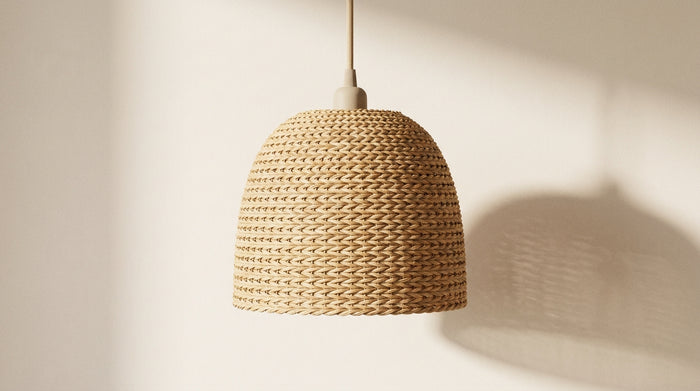
Unlike smooth shapes, natural materials bring relief and warmer light. The Bloeba woven bamboo lamp is a good example, with its 25 cm height and ball shade. For the bedroom, lighting a bedroom with a linen base or a fabric shade remains the softest choice.
How does an order work at Designix?
Payment is secure, delivery is tracked and returns are possible. Designix customer service helps with choosing a model as well as checking a bulb or a base. If you hesitate between two pieces, affordable models let you start without making a mistake, and our Designix lighting catalogue gathers the rest of the house.
Add to the basket the Avéa ball table lamp for a living room, or the Orion ball table lamp for the hallway. A doubt about the base before confirming? Write to customer service, the answer arrives before shipping.
Frequently asked questions about lamps
How to recognise a real salt lamp?
It is carved from a block of rock salt: the shade varies from one area to another, the grain remains irregular and the surface is matte to the touch. A resin imitation is smooth, uniform and lighter. It is the material, more than the colour, that decides.
Why does a salt lamp give red light?
The light passes through the salt block, which absorbs part of the spectrum and lets red-orange tones through. The rendering remains warm and diffuse, without dazzling. A salt lamp serves as ambience in a room, not as work lighting for reading or working.
How to connect several lamps to a single electrical supply?
On an existing socket, a power strip or a socket rail is enough. For a fixed installation, you start from a junction box, always with the power off, with terminals suited to the cable. You add up the wattage of the bulbs and check that the circuit follows.
What is the difference between a floor lamp and a table lamp?
The floor lamp, or standing lamp, lights an entire room from the ground; the table lamp is content with a piece of furniture, a nightstand or a desk. In a living room, the two are often combined: the floor lamp for ambience, the table lamp near the sofa for reading.
What is a chic living room lamp?
It is recognised by its proportions and its finish: a wide fabric shade, a metal or glass base, a deep black or a discreet gold. It lights without dazzling and remains a visible object when the lamp is switched off.




