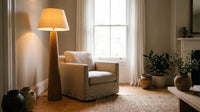
Living room lamp, The Most Beautiful Modern Living Room Lamps
This selection is also available in our French store: Lampe de salon
- Tracked delivery to your country Tracked delivery
- Secure payment at checkout Multiple payment methods
- 14 days to change your mind 14-day returns
- Secure payment Secure payment


Not sure of your style? Find it in 30 seconds
A few questions, and we will show you the pieces made for you.













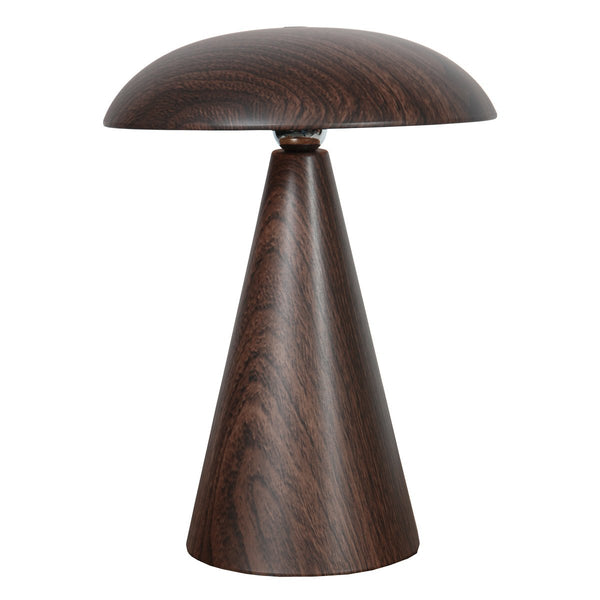
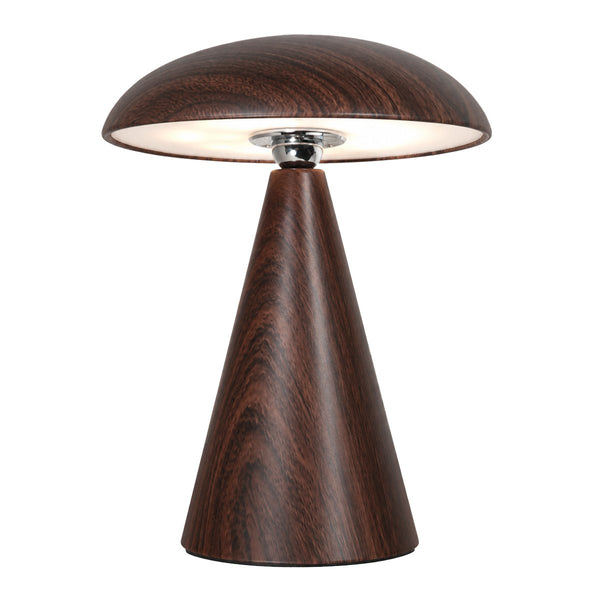


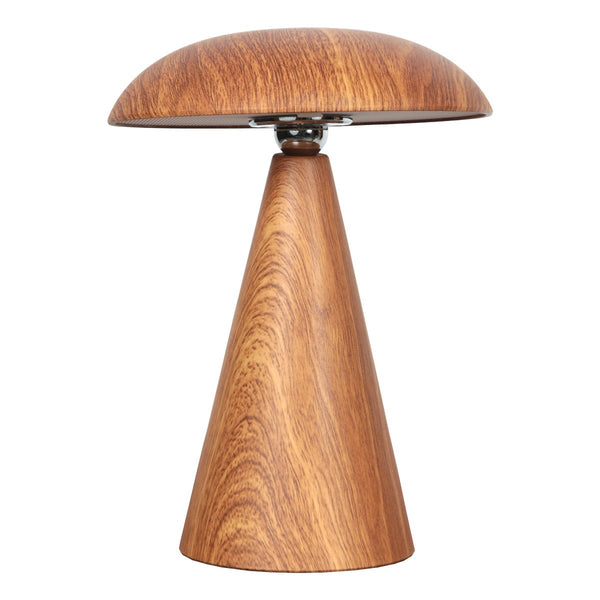
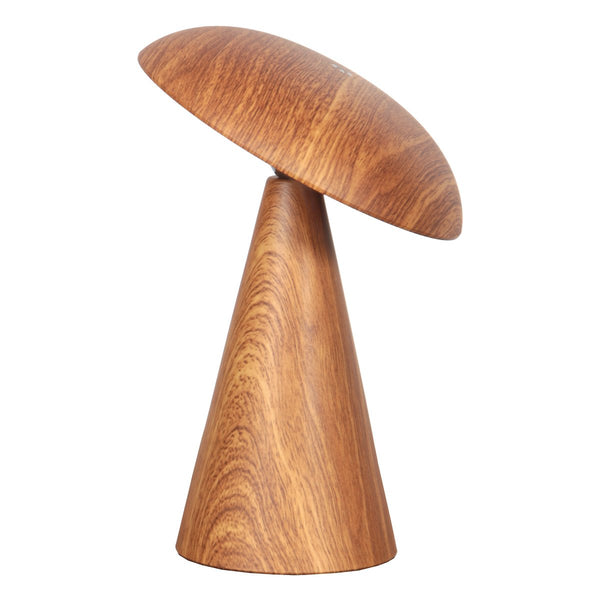


Frequently asked questions
How do I choose the right product?
What are the delivery times?
Can I return an item?
Can I pay in instalments?
An interior that reflects who you are
Carefully selected pieces, shipped from our warehouses. Our team advises you before you buy, so you choose with confidence.
- Tracked delivery
- Pay in instalments, where available
- 14 days to change your mind
- Advice & showroom in Lyon, France
Plan for three points of light in a living room: a source close to the sofa, a lamp that bounces light up into a corner, and general lighting on the ceiling or wall. A living room lamp is then chosen on three simple criteria: the space available, the moment to light, and the height at which the light needs to arrive.
Which living room lamp to choose to light a modern living room?
In a living room, the lamp is chosen according to the space available and the moment to light: a table lamp on a piece of furniture for close light, a floor lamp to connect a corner without floor furniture, a wall light or pendant for general light. None of the three replaces the others.
Living room lamp to place on furniture
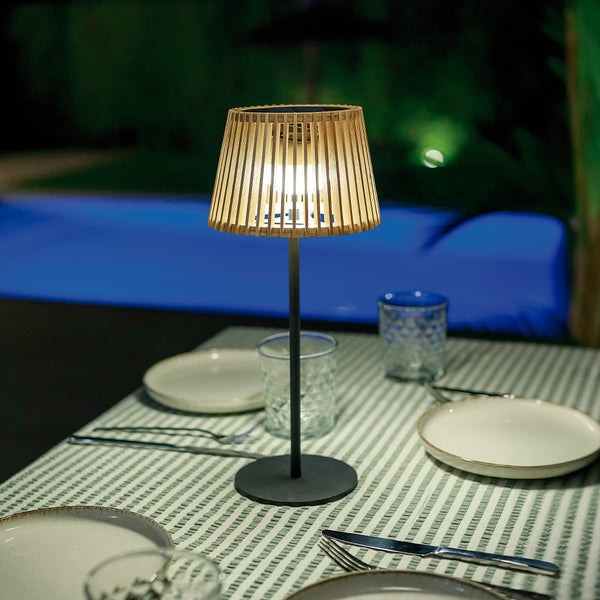
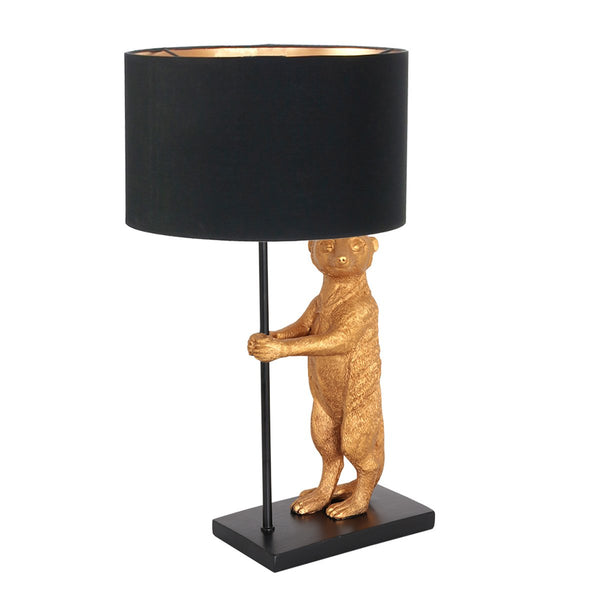
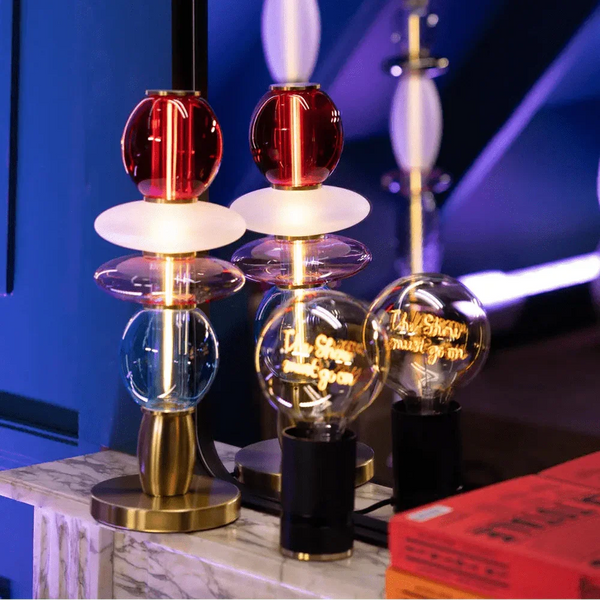
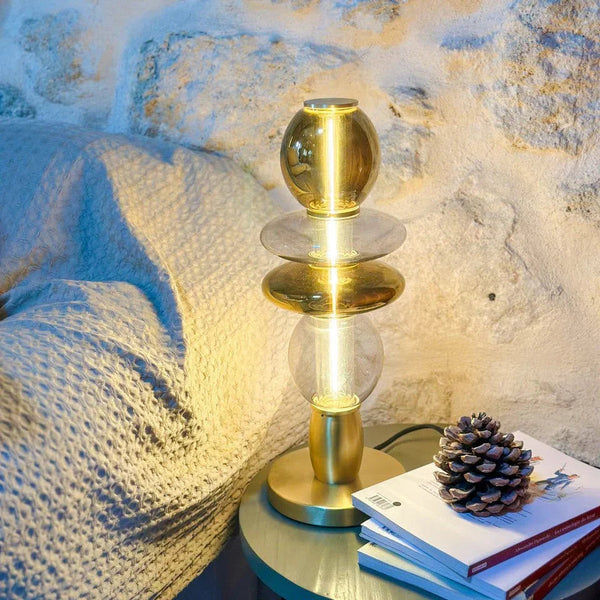
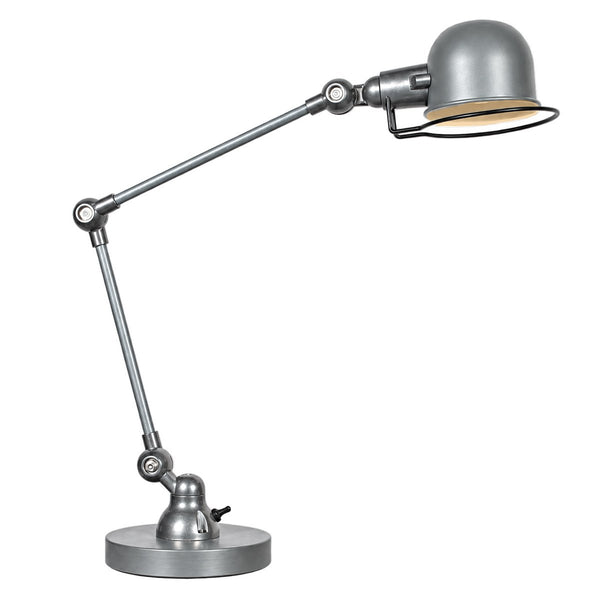
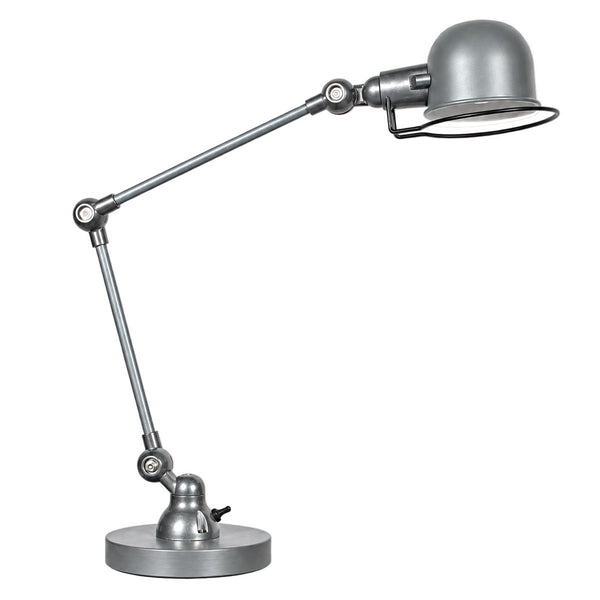
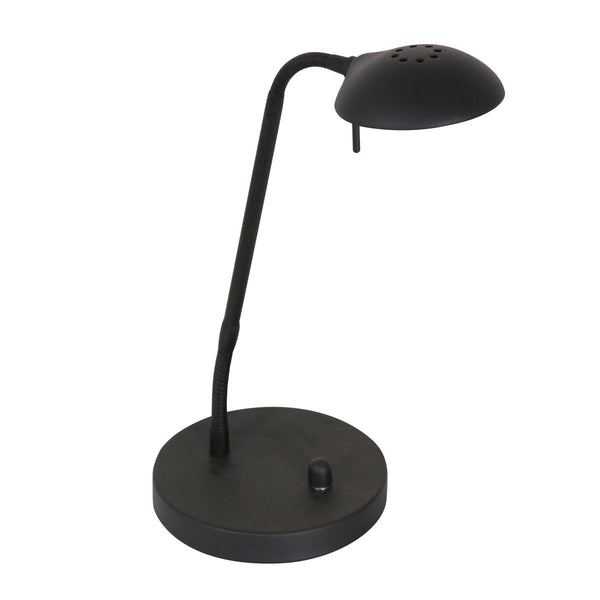
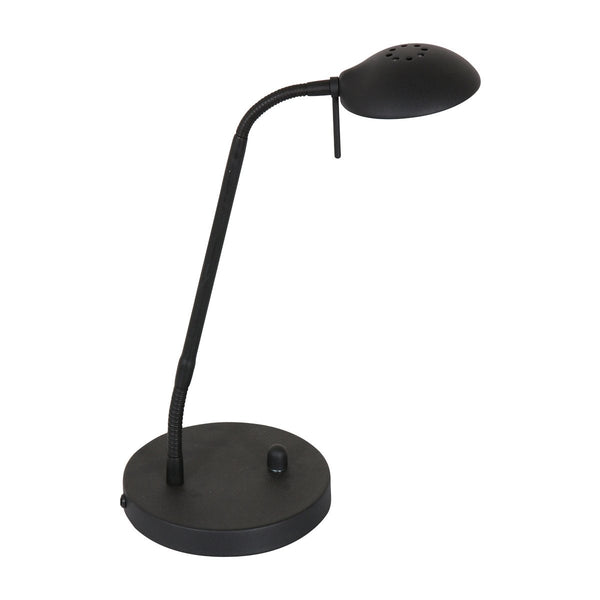
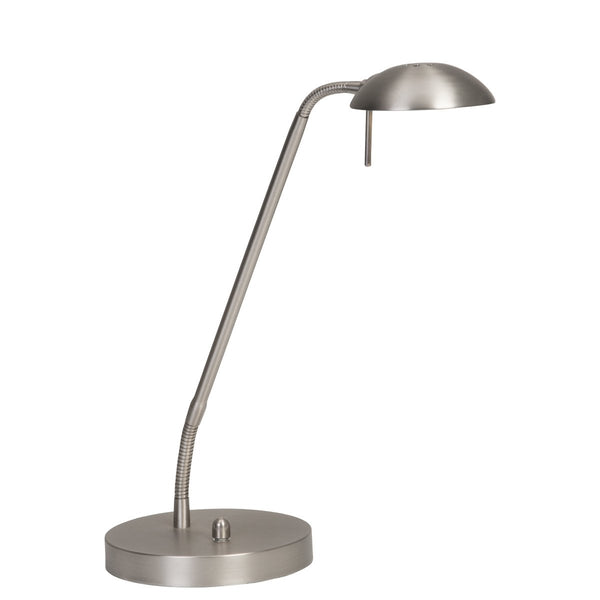
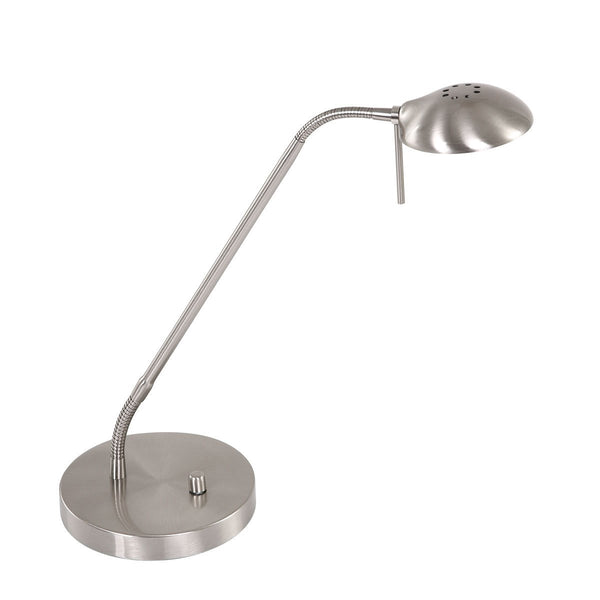
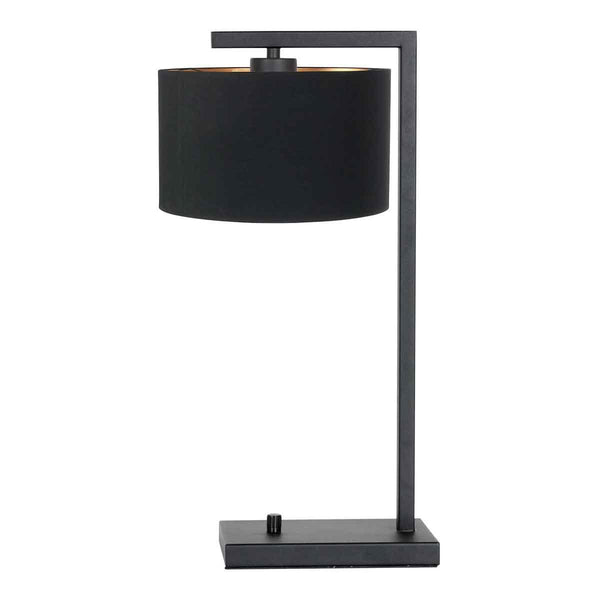
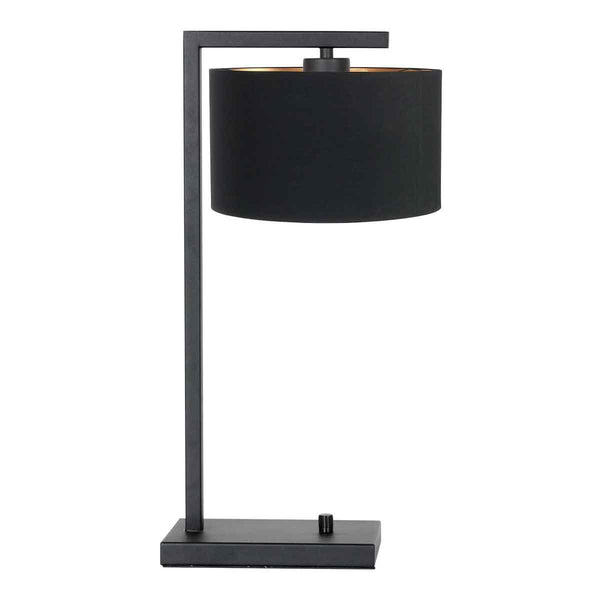
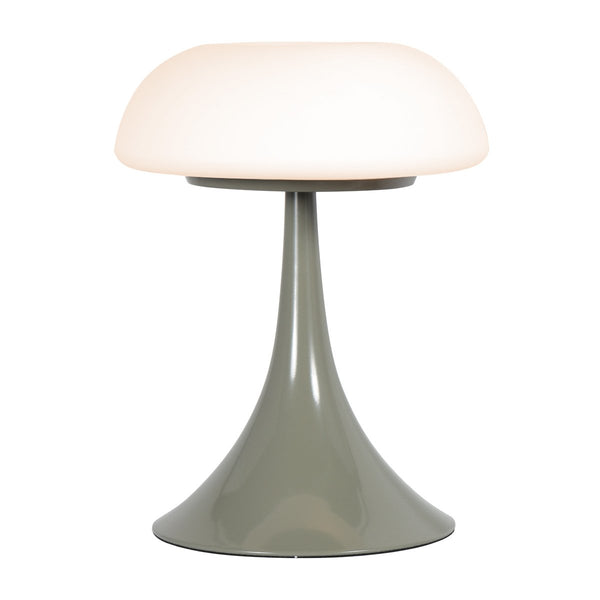
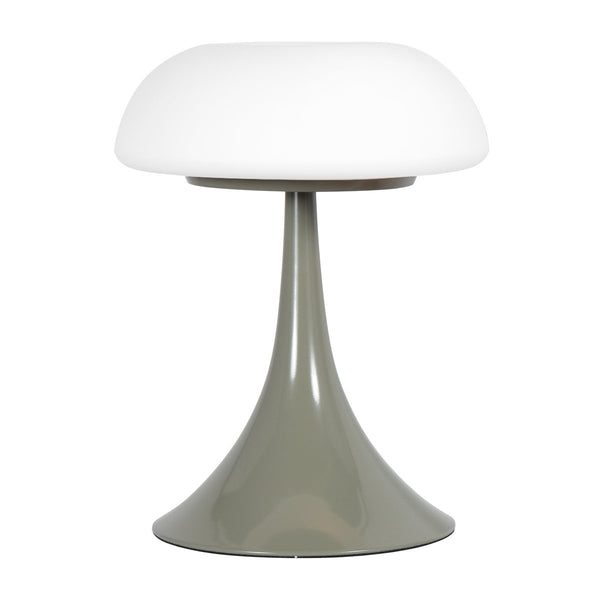
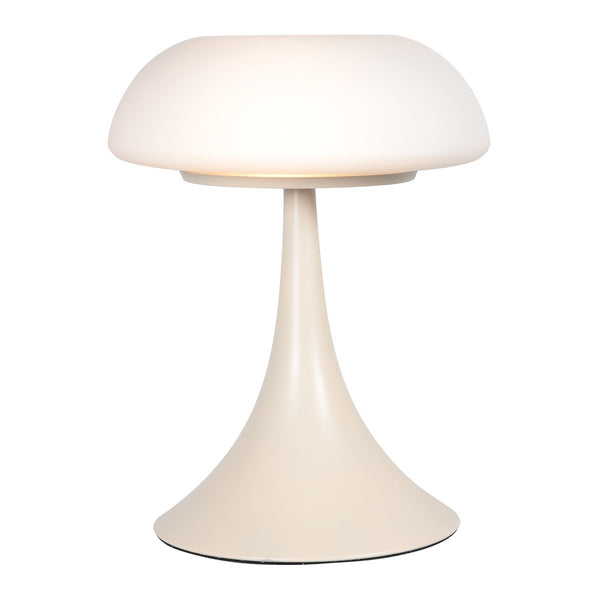
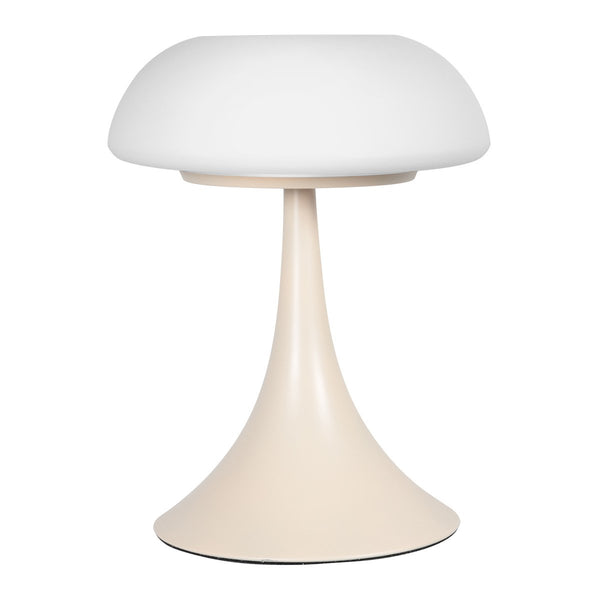
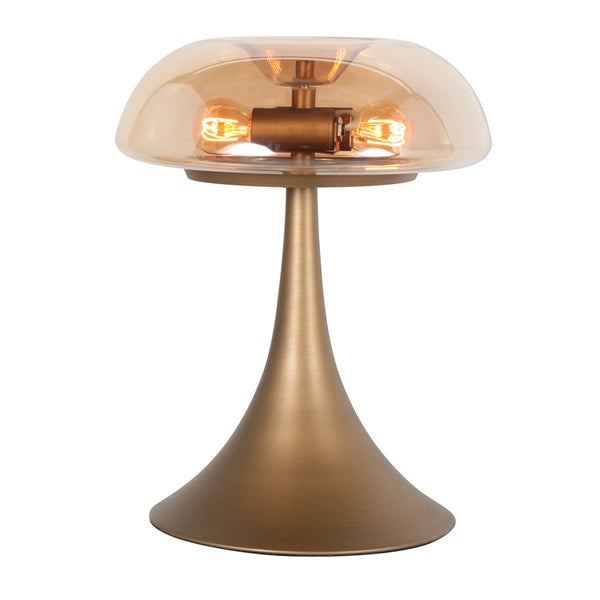
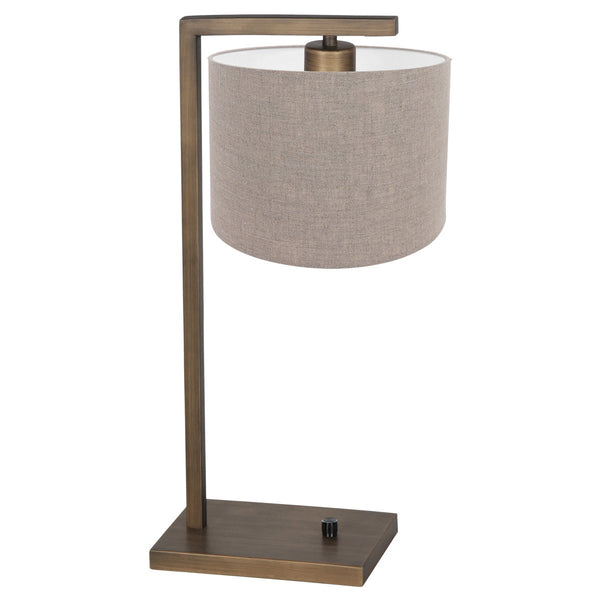
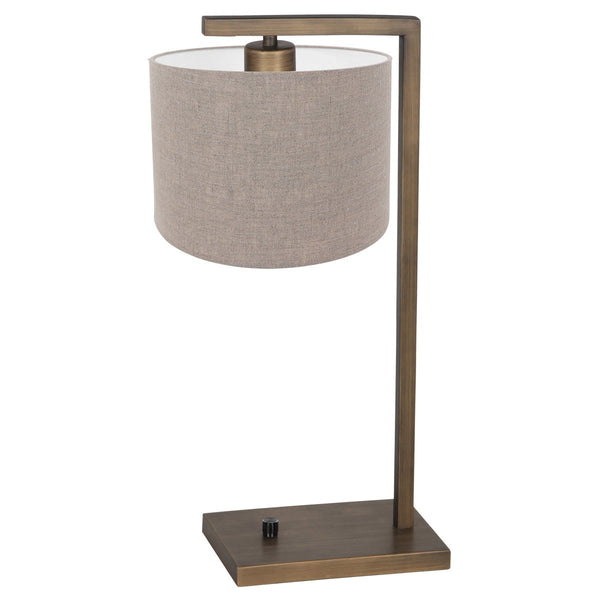
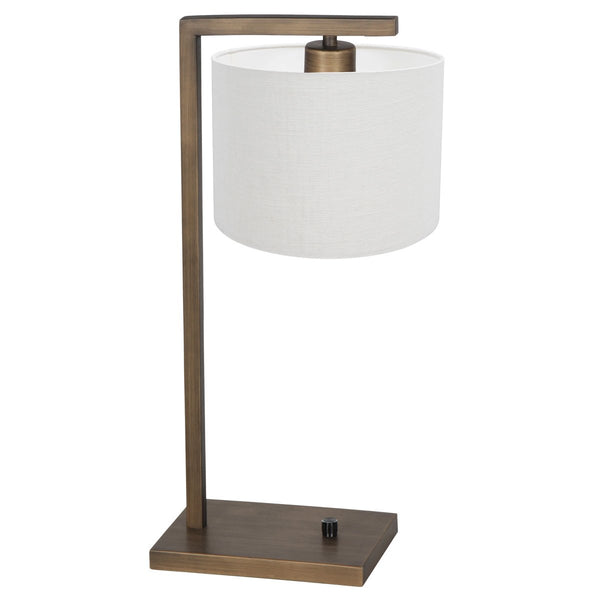
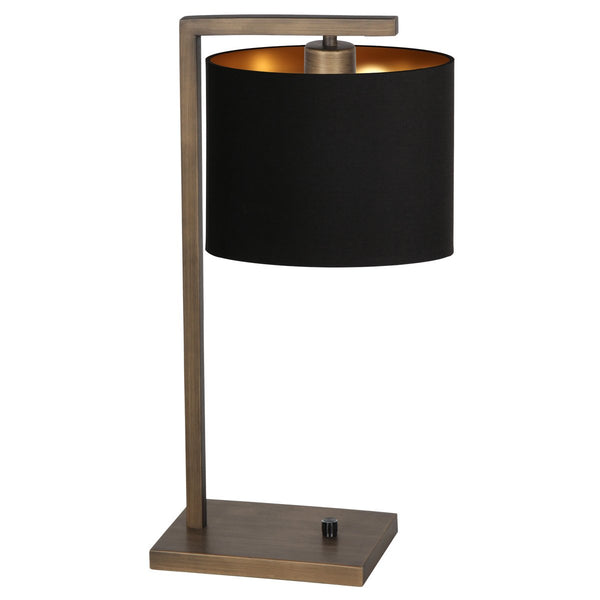
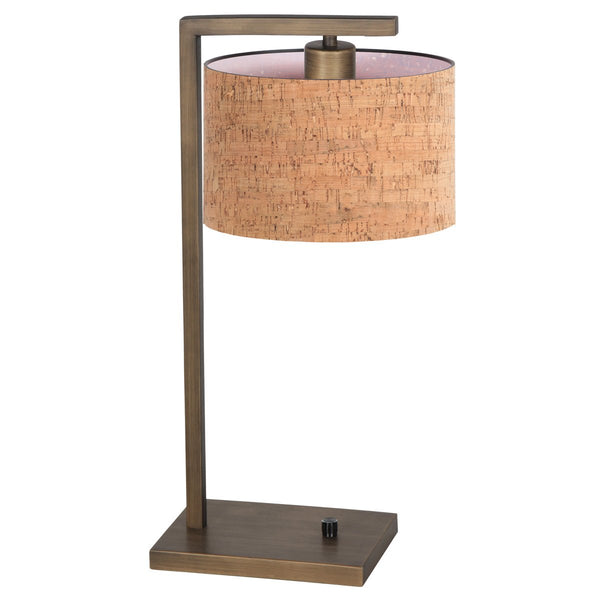
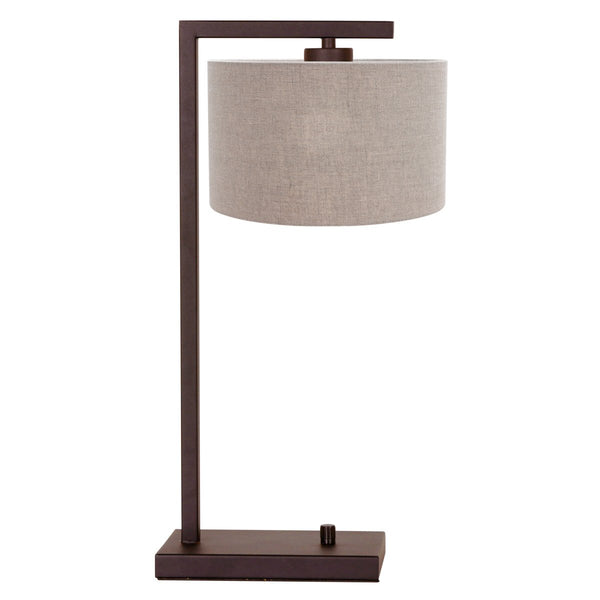
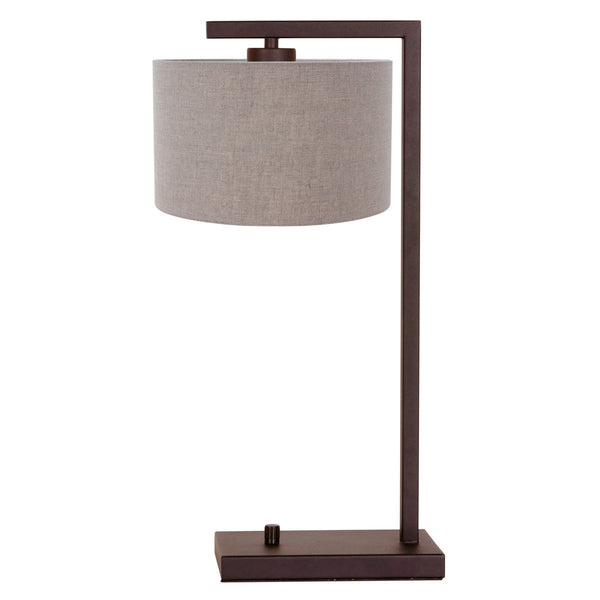
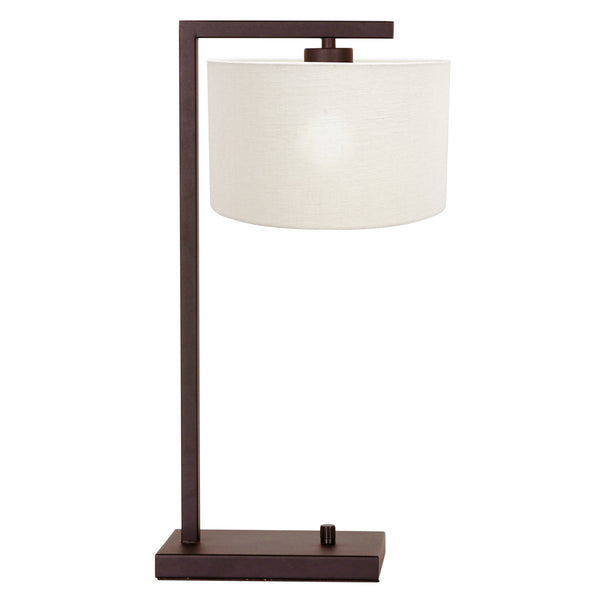
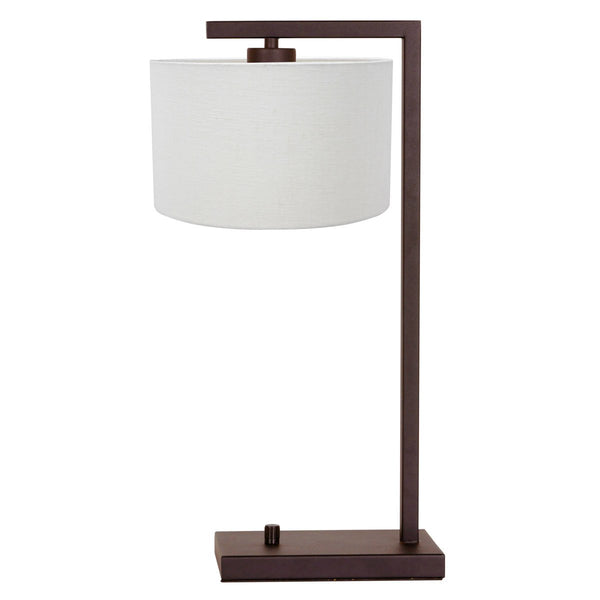
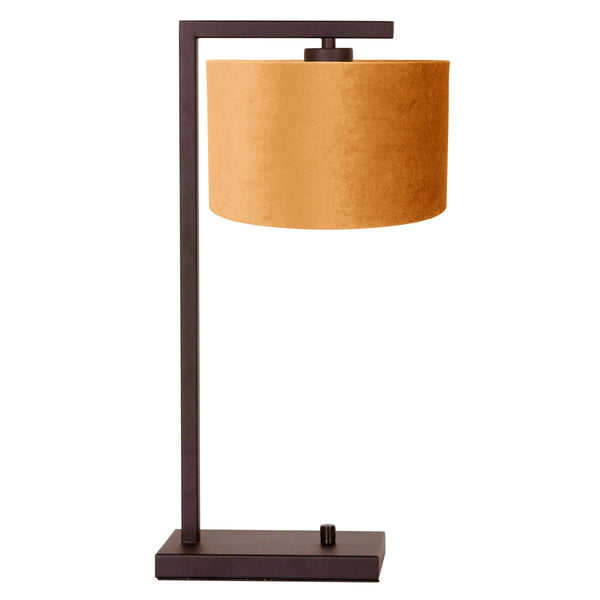
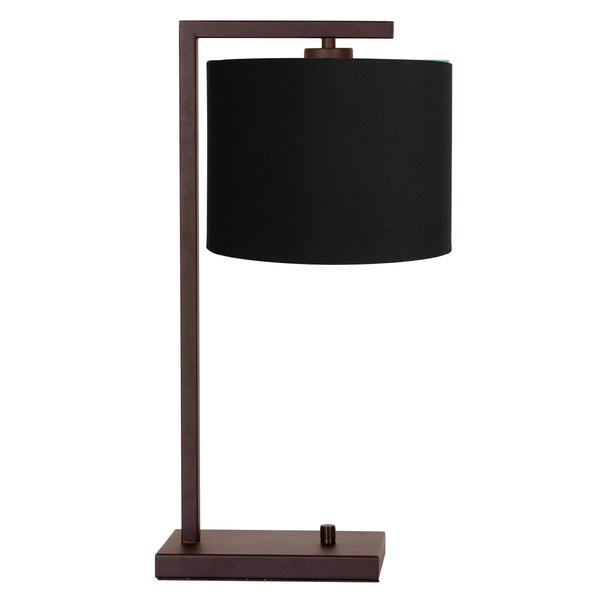
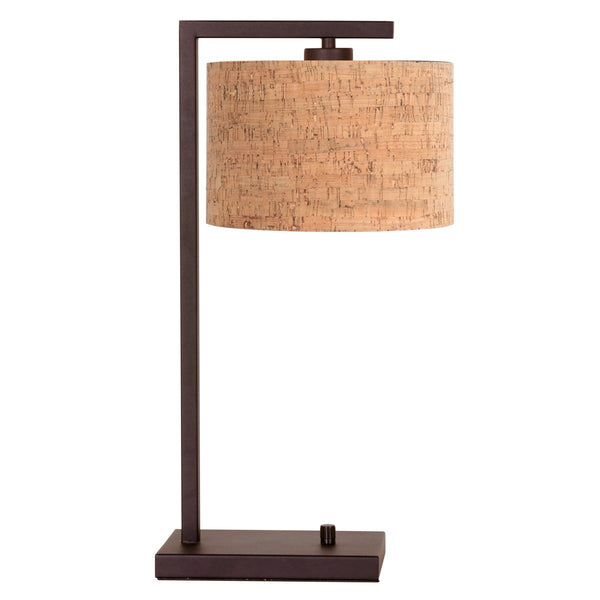
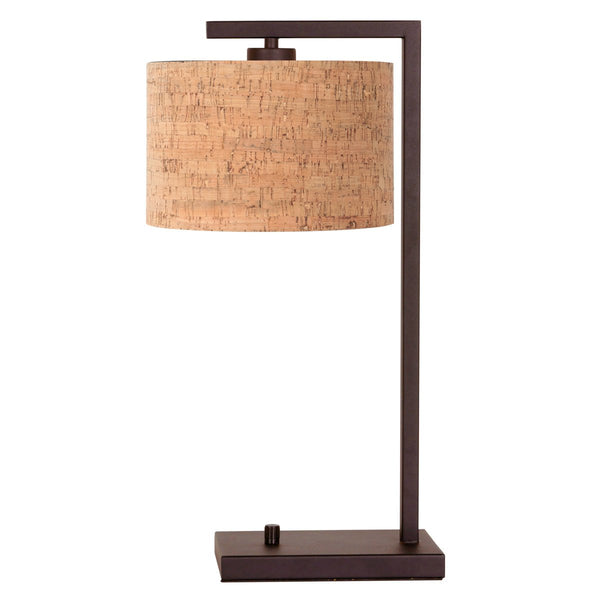
Placed on a console or sideboard, it lights at hand height: you read, chat, look at a screen without turning on the ceiling light. The base must remain stable on the surface and the diffuser should stop below eye level, so as not to dazzle a seated person. A textile shade filters the light, a glass globe makes it sharper. For the socket, E27 accepts a large bulb, E14 a thinner bulb, and a dimmer lets you lower the intensity without changing the bulb. Find these formats in our selection of table lamps for the living room.
Modern floor lamp for the living room
A living room floor lamp adds a level of light where furniture does not go: a corner of the room, behind an armchair, next to a bookcase. The source rises higher, lights upwards or towards an armchair, and structures the reading corner. Check the width of the base for passage around, and the orientation of the diffuser. For the rest of the house, browse all our lighting.
Living room table lamp or living room floor lamp: how to decide?
The table lamp sits on a piece of furniture and concentrates light near the sofa; the floor lamp stands on the floor and lights higher, often towards the ceiling or an armchair. The choice depends mainly on the floor space and the desired light height.
What a table lamp changes in a living room
It takes up no floor space, moves from room to room, and only needs a clear surface. On the other hand, its light remains low: it accompanies reading or conversation, never general lighting. Think about the cable length between the socket and the furniture.
What a living room floor lamp changes
It stands on its own, lights above the backrest, and fills an empty corner. Its weak point is bulk: a wide base eats into the passage, a low shade cuts the line of sight. For a model that stands out without shouting, look at statement pieces.
| Format | Where to place it | What it changes in the room | What to check before buying |
|---|---|---|---|
| Table lamp, small format | Console, sideboard, shelf | Close light, cosy corner | Base height, cable, stability |
| Table lamp, tall format | End of sofa, low furniture | Lights upwards and clears the floor | Space on the surface, weight |
| Floor lamp | Corner, behind an armchair, bookcase | Adds a level of light, structures the reading corner | Base width, passage, orientation |
| Wall light | Free wall, sofa frame | Ambience without floor furniture | Cable position, wall support, fixing |
| Chandelier or pendant | Centre of the living room, above a table | General light and focal point | Ceiling height, weight |
How to choose a modern living room lamp?
A modern living room lamp is recognisable by its clear lines, stable base, and diffuser that directs light without dazzling. Choose a shape that does not date, a material consistent with the furniture, and a format proportional to the furniture that hosts it.
Design living room lamp: spotting a timeless model
A simple design ages better than a trend effect: a straight stem or a fine rod, a diffuser that lets light through, finishes that do not wear with touch. The base must be heavy enough not to tip when you brush the cable. A modern style lamp goes as well with a low sofa as with an antique piece, provided you keep the same family of materials.
Original living room lighting
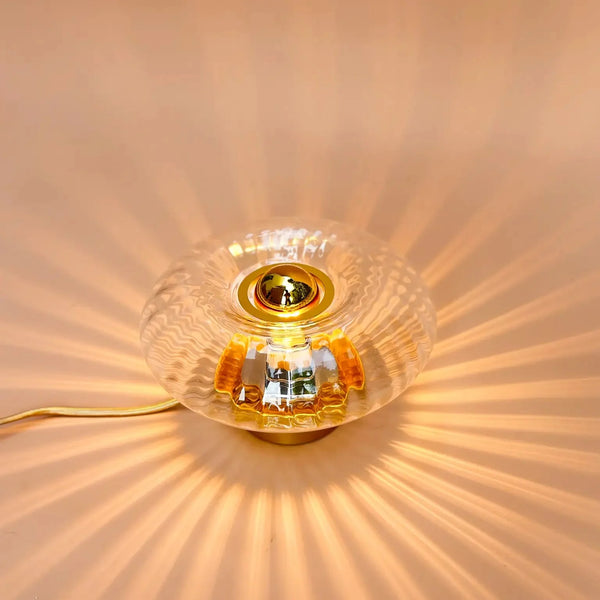
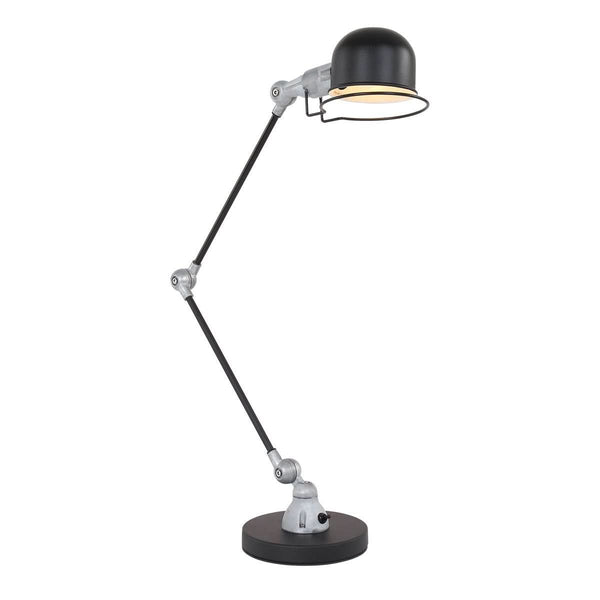
If the room is calm, a piece that stands out creates the decor on its own: sculptural shape, contrast of materials, indirect light. Place it where it is seen without being brushed, never in the passage between two pieces of furniture. Metal lamps hold their lines, glass models bring a softer, translucent light.
| Material | Light rendering | Where it works best | Maintenance |
|---|---|---|---|
| Metal | Sharp reflections, reflected light | Modern living room, graphic interior | Soft cloth, no abrasive |
| Glass | Translucent light, soft halo | Console, near a window | Slightly damp microfibre |
| Textile | Filtered light, no glare | Reading corner, room open to the kitchen | Dusting, soft brush |
| Wood | Warm light, natural ambience | Living rooms with natural materials | Dry cloth, avoid moisture |
| Ceramic | Contained light, matte finish | Side tables, low-traffic areas | Damp cloth then dry |
Living room chandelier or wall light: which light on the ceiling or wall?
The chandelier or pendant lights the whole room from the centre of the ceiling; the wall light lights a wall, a frame, or the entrance to the living room without placing anything on the floor. If ceiling height is limited, better to use wall lights and auxiliary lamps than a very low-hanging fixture.
Modern living room chandelier: which shape for which ceiling height?
A large living room chandelier needs volume above the head. Under a low ceiling, prefer a compact shape with short arms, or a version with several small sources that blends into the room. In a tall, wide room, a lower pendant above a table becomes the focal point of the living room. Align the shape with the furniture: rounded with a low sofa, more graphic with straight lines. Our wall lights complete this setup.
Living room wall light: when to prefer it to a table lamp?
It frees furniture and floor, lights a wall of frames or the passage to the entrance. It is preferred when no surface is available, or when you want light that does not move. Check the cable position and the wall type before drilling. The rest of the room is completed with living room lamps placed or on feet, and the whole set is found in our lamp collection.
How to connect several lamps to a single electrical supply?
Group the lamps on a switched socket or a block of sockets, with cables and sockets suited to the power indicated on each fixture. When the number of points increases, a dedicated line installed by an electrician remains the safest solution. LED lamps, less demanding, make this grouping easier.
Distributing light points without multiplying wires
Group the lamps that turn on at the same time: the reading corner with the console lamp, for example. A block of sockets behind the sofa avoids extension leads crossing the room. Respect the indication on each fixture and check that the socket matches the base of the intended bulb. LED lamps heat little and draw less on the line, which simplifies the whole.
When to entrust installation to an electrician
As soon as you add fixed points, cross a wall, or the existing installation looks old, a professional should redo the circuit. It is also the right time to move a badly placed socket. A well-positioned table lamp often saves an unnecessary socket.
Living room globe floor lamp and real salt lamp: how to integrate them?
A globe floor lamp diffuses enveloping light from its globe and sits in a corner of the living room or near an armchair. A salt lamp brings a warm, mineral glow. Both serve as auxiliary sources, complementing general lighting already installed in the room.
Living room globe floor lamp: how to match it to the rest of the living room?
The globe reflects equal light in all directions, without harsh shadow: perfect in a corner, behind an armchair, next to a plant. As it is seen from afar, keep the rest simple and pick up a material already present in the room. A floor model is enough to warm a dark corner, provided you do not place it against the wall. Compare heights with other bedside lamps if you are looking for the same ambience in a small format.
How to recognise a real salt lamp?
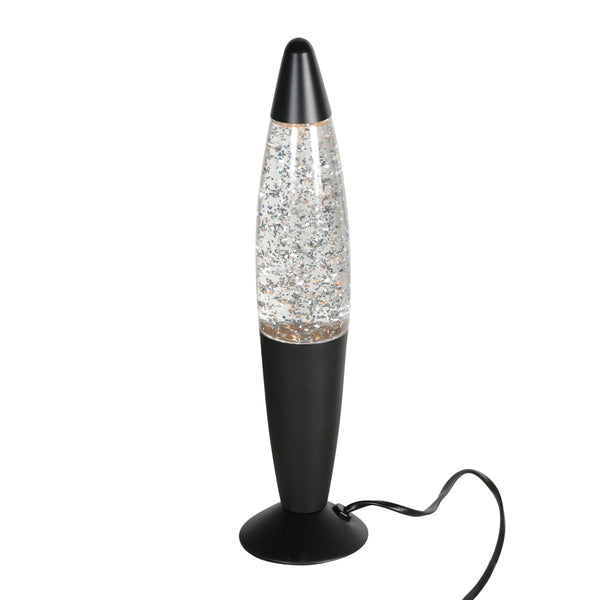
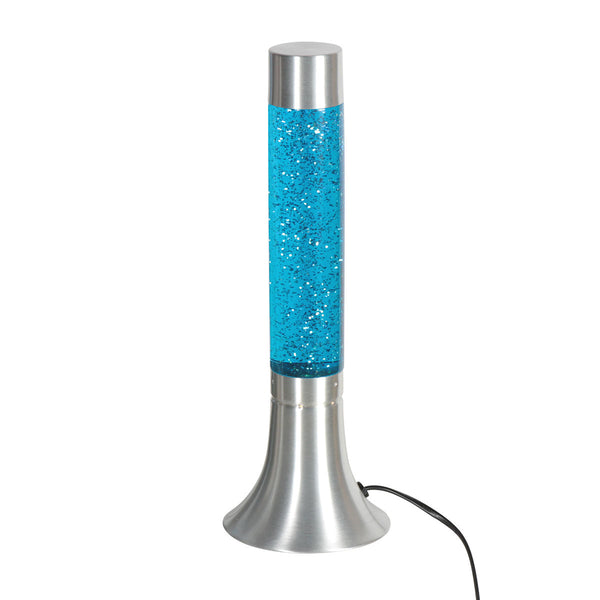
The block is cut from rock salt: veins, irregularities, and a hue that varies from one piece to another. It is heavy, and ambient humidity can make it slightly damp to the touch. A resin imitation is lighter, smooth, and regular. Alongside, there are other ambience sources with different uses: the lava lamp for a colourful effect, the Berger lamp for home fragrance, the light therapy lamp for morning light. None of these replaces general lighting, and a lamp designed to light a bedroom is chosen on other criteria.
Bright living room paint colour: how to match walls and lamps?
A light, matte shade reflects light and makes lamps stand out, while a dark wall absorbs lighting and requires more sources. The trick is to keep deep colours on a single accent wall, lit by a wall light or table lamp.
Light shades and matte finishes: bouncing light
Off-white, beige, pearl grey, or pale green cross the room without colouring it. A matte finish diffuses without reflection and lets the wall fade behind the furniture; a satin finish reflects more and suits dark rooms. On a light background, white lamps blend in, gold finishes catch the light and mark a point of interest.
Deep colours: where to place them without darkening the room
Reserve the dark shade for a wall visible from the sofa, never all four sides or the wall facing the window. Light this accent wall with a wall light or a table lamp directed towards it, and keep the other walls light so light bounces. In practice, a warm living room lamp, around 2700 to 3000 K, warms a cold wall without yellowing it.
How to install and maintain your living room lamps?
Place a living room lamp at shoulder height when seated, to read without squinting, and clear the beam of any object that would cast a shadow. Regular dusting of the diffuser, suited to the material, is then enough to keep the same light quality.
At what height to place a living room lamp?
The lower edge of the shade aligns roughly with the shoulder of a seated person: light falls on the knees or the book, not in the eyes. For a floor lamp in a reading corner, count the top of the diffuser above the armchair backrest. Clear objects placed in front of the shade, they create a sharp shadow on the wall.
How to maintain a living room lamp?
Turn off and let cool before any handling. Soft cloth on metal, slightly damp microfibre on glass, soft brush on textile, dry cloth on wood: the diffuser material dictates the action, not the other way around. Dust once or twice a month, the shade as well as the bulb, and check that the base remains stable. For a second room, a bedside lamp for the home is chosen on the same basis.
Our Designix commitments: secure payment, tracked delivery, returns, and customer service that answers dimension questions before purchase.
A well-lit living room rarely depends on a single fixture. Start with the source you miss most, then complete over the seasons. Discover the complete lighting catalogue, or start from our affordable models to equip a first reading corner without redoing everything.
Frequently asked questions
How to connect several lamps to a single electrical supply?
Group the lamps on a switched socket or a block of sockets, with sockets and cables suited to the power indicated on each fixture. When the number of points increases, a dedicated line installed by an electrician remains the safest solution. LED lamps, less demanding, make this grouping easier.
How to recognise a real salt lamp?
A real salt lamp is cut from a block of rock salt, with visible veins and irregularities, never a perfectly smooth surface. The block is heavy, the hue varies from one piece to another, and ambient humidity can make it slightly damp to the touch. A resin imitation is lighter and more regular.
Which paint colour for a bright living room?
Light, low-saturation shades, off-white, beige, pearl grey, or pale green, reflect light better than a dark wall. A matte finish diffuses without reflection, a satin finish reflects more. Deep colours are reserved for a single accent wall, lit by a wall light or table lamp.
Which living room lamp to place on furniture?
Choose a lamp whose total height remains lower than the wall behind the furniture, so the diffuser is not cut by the line of sight. A textile shade softens the light, a glass diffuser makes it sharper. Check the stability of the base and the space left on the surface.
Which modern chandelier to choose for a living room?
A modern living room chandelier is chosen first on available height: a compact shape with short arms suits low ceilings, a lower pendant suits tall rooms. Then align the shape with the furniture, rounded with a low sofa, more graphic with straight lines.