
Cleaning a Catalytic Oven: How Does It Work?
This article is also available in French: Nettoyage d’un Four à Catalyse : Comment ça Marche ?
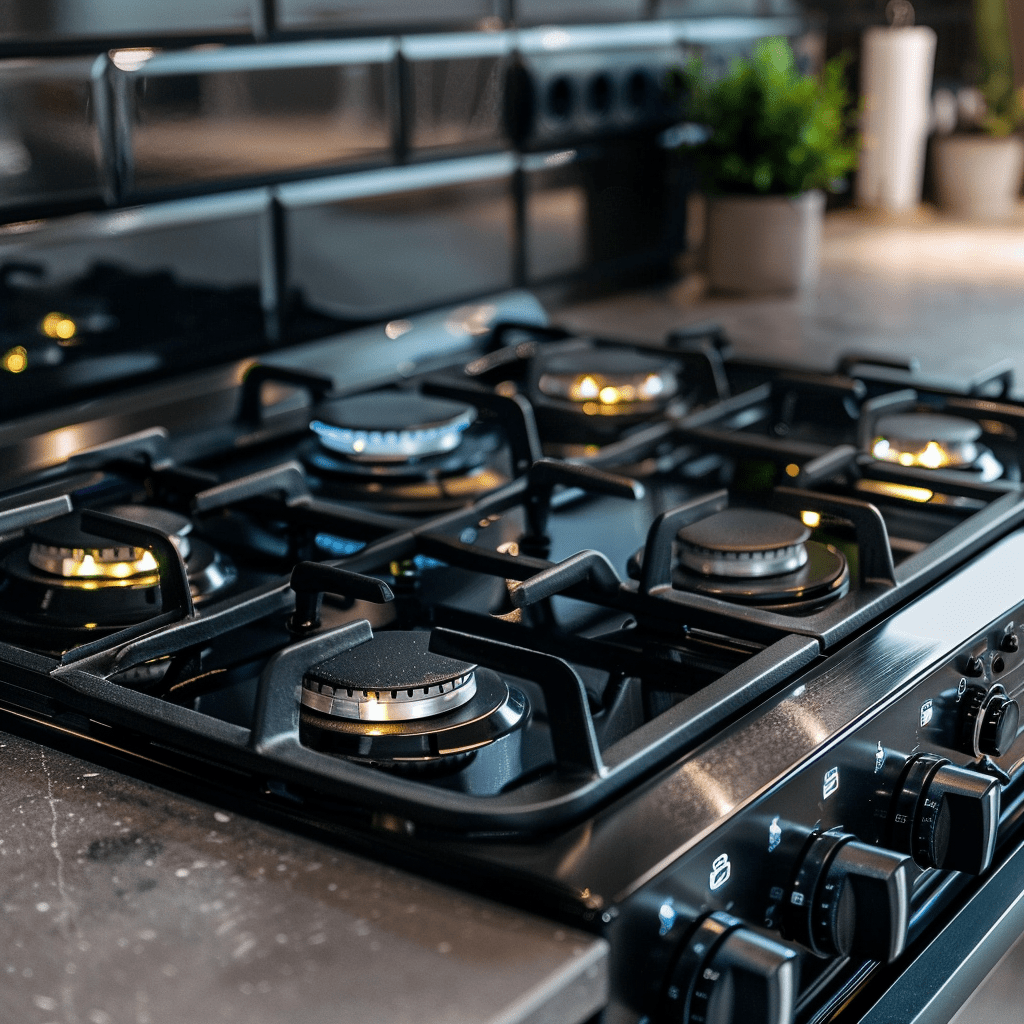
Thanks to its absorbent walls, your catalytic oven cleans itself. However, certain parts require manual maintenance and a few precautions for better efficiency.
What is catalysis?
A catalytic oven has interior walls designed to collect and absorb cooking residues. A standard built-in oven gets dirty from grease splatters from dishes. With catalysis, this grease is automatically burned off during cooking. Good to know:- The four oven walls are involved: the sides, the bottom, and the top.
- This mechanism is triggered between 200 and 220 degrees depending on the oven model. It is therefore not active during low-temperature cooking.

What are the advantages of a catalytic oven?
One of the main advantages of a catalytic oven is its self-cleaning feature:
- You don't have to do anything during the cleaning cycle. Simply set your appliance to the right temperature and let it work to eliminate grease for about fifty minutes.
- You can combine cooking and cleaning simultaneously. This saves energy since your oven is not running empty for cleaning.
- It is compatible with fan-assisted or convection cooking systems.

The disadvantages of catalysis
Despite its advantages, catalytic cleaning also has some drawbacks:
- When the walls are very dirty, they must be washed with a sponge beforehand. The 200-degree temperature is not always enough. You will have to clean manually, unlike with a pyrolysis oven.
- The panels are fragile and must be handled with care. Avoid scrubbing them with the abrasive side of a sponge or using harsh cleaning products. They must be replaced every 5 years or so, which leads to additional costs.
- Unlike pyrolysis, catalysis only cleans the oven walls. You must clean the rack and the inside of the door manually.

How to complete a catalytic cleaning?
After cleaning your catalytic oven, finish the job manually once the appliance has cooled down:
- Wipe a slightly damp sponge over the interior walls to remove ash residue, paying attention to the corners and edges.
- Use hot water and dish soap to degrease the racks and trays not covered by the catalytic system.
- Clean the inside of the door manually.

How to maintain a catalytic oven?
To ensure the durability of your catalytic oven and guarantee efficient self-cleaning, take these precautions:
- Never use the abrasive side of a sponge to degrease the walls, so as not to damage the coating.
- Reserve detergents (chemical or natural, such as white vinegar or baking soda) for cleaning the door. Avoid getting them inside the oven.
- Replace the walls every 5 years on average. After this period, they become too clogged for effective cleaning.

In stock · shipping costs shown at checkout · up to 30% off in your cart


Ready to turn inspiration into reality?
Tell us about your room, your style and your budget, and we will show you the pieces that truly suit your project.
Get guidance in 30 seconds →


