Selecting materials to choose the right rug
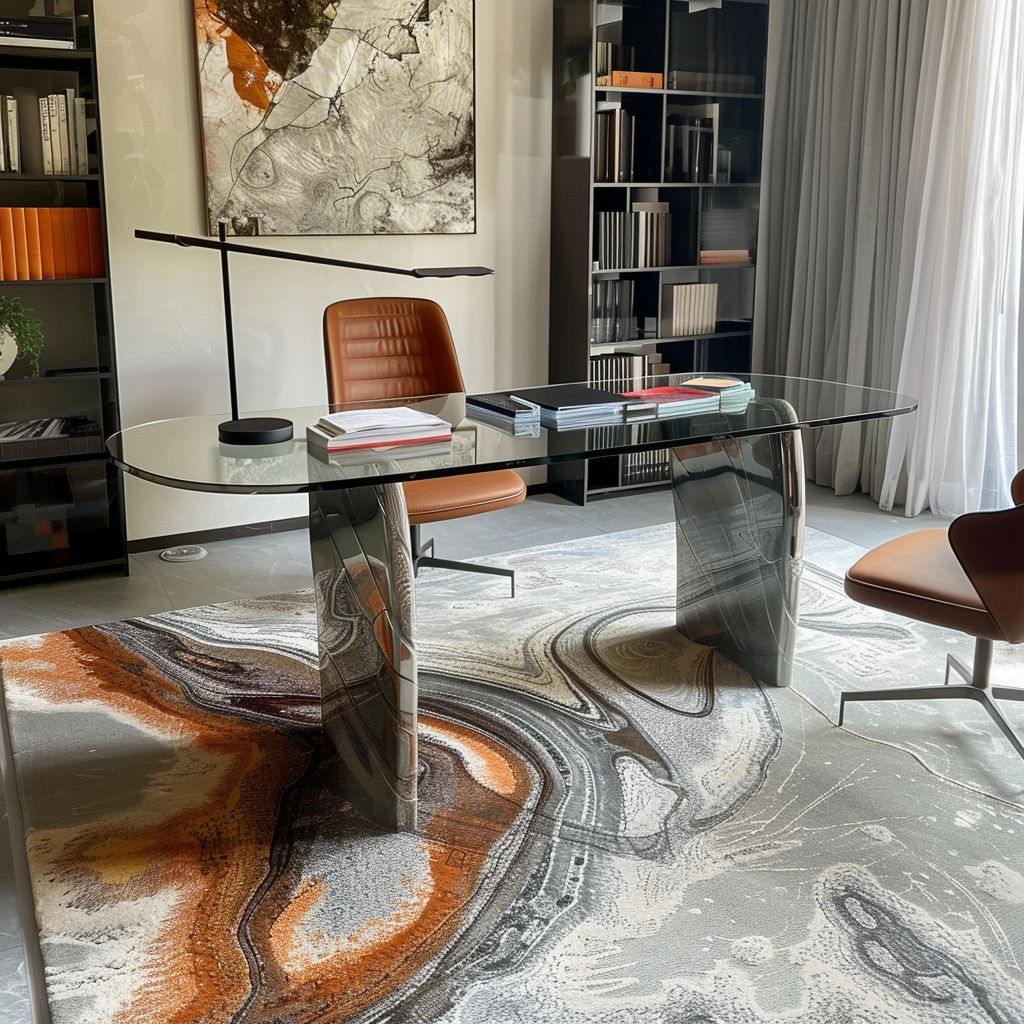
The choice of rug material depends on the desired effect: wool for an "authentic" and matte look, synthetic materials for vibrant colors. It is also important to adapt the rug to the room and its usage. For Designix, viscose rugs should be avoided in hallways, preferring bedrooms or offices. Cotton rugs are versatile and easy to maintain, while plastic fiber rugs are suitable for spaces used by children but are less durable and warm. A wool rug is ideal in front of a fireplace due to its insulation, anti-static, and flame-retardant properties. Natural fiber rugs, such as sisal or bamboo, are resistant and easy to maintain, but less cozy to the touch.
Choosing the right dimensions for your rug
To select your rug well, think about the dimensions and adapt it to the room. In the past, a rug's size was not supposed to exceed a quarter of the room, but today, trends have evolved. Large rugs under beds and sofas are becoming increasingly common, adding a touch of structuring modernity. However, avoid rugs that are too large in small rooms, as this can create a cramped feeling.
To conceal damaged flooring, a rug covering almost the entire surface up to the walls can be a solution. In large rooms, the options are numerous: round rugs for more softness, extra-large rugs, or combinations of smaller rugs. Standard rug dimensions can guide your choice: for example, 70 x 140 cm or 90 x 160 cm for a bedroom, and 170 cm x 240 cm or 200 cm x 300 cm for a large living room. A practical trick is to lay out newspapers on the floor where the rug is intended to go, then measure.
Color and style preferences
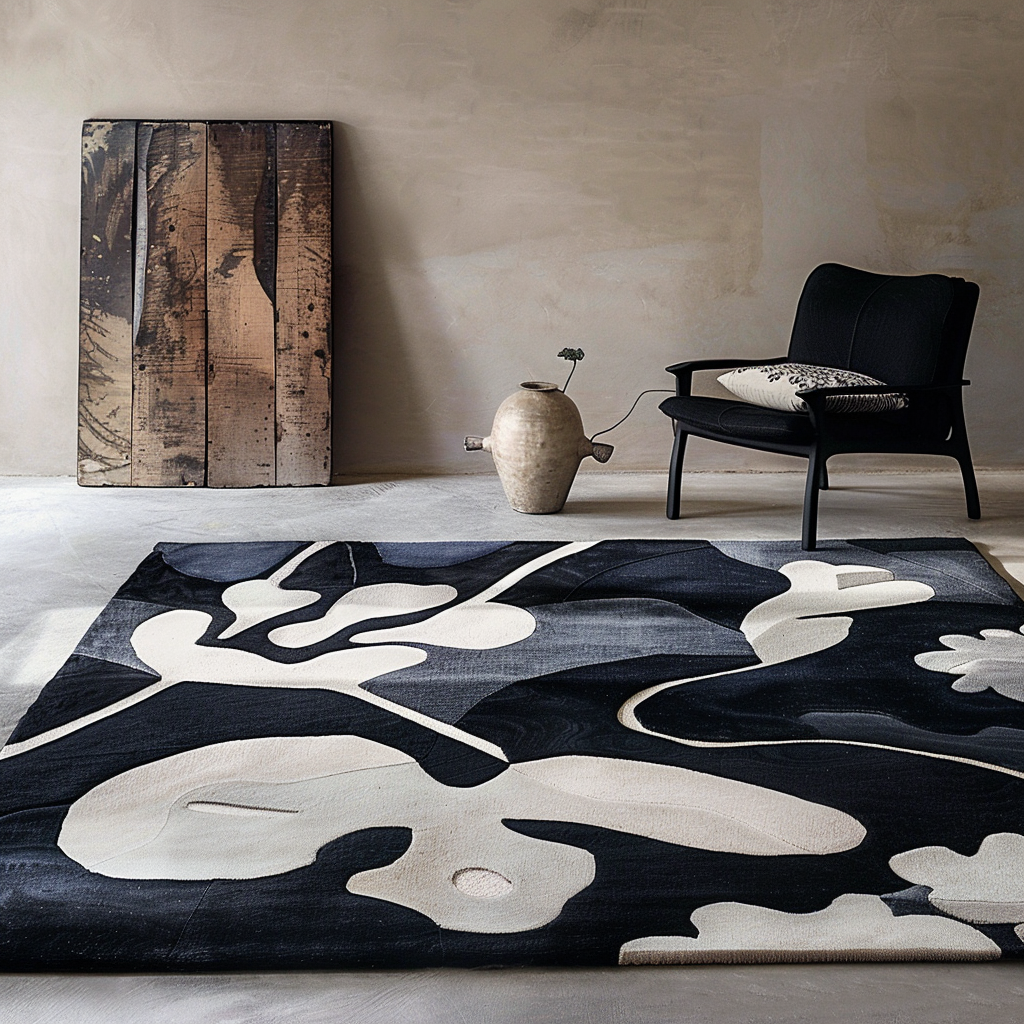
The rug, an essential decorative accessory, can either soften a room with a bold style or provide an identity in a more sober environment. It can also act as an eccentric element to energize a traditional decor. When choosing a rug, logic sometimes dictates opting for dark shades in hallways, while in a dining room, it is wise to avoid colors that are too light, which risk getting dirty easily.
Regarding patterns, it is preferable to choose designs that extend across the entire surface or have a border, rather than central patterns that would be hidden under the table. For Designix, choosing a rug goes beyond a simple question of color or pattern. For example, a "shaggy" rug with long fibers brings volume and comfort to the room, but it is not recommended under a dining table to prevent crumbs from getting trapped inside. Sheepskins offer an authentic atmosphere, while rugs with a strong personality like kilims or Berber rugs modernize a neutral interior. Flat-woven rugs with geometric patterns, in pastel tones or bright colors, allow for a creative mix and bring a bohemian chic touch.
Considering maintenance when buying a rug
Vegetable silk rugs can be magnificent, but their maintenance requires meticulousness. Choosing a rug also involves thinking about how easy it is to maintain. It is important to find a balance between practicality and aesthetics: Wool and cotton are simple to clean. Low-pile rugs, such as flat-woven rugs, are more manageable. For the kitchen, a water-resistant polypropylene rug is recommended. To avoid issues with cats or high heels, it is better to avoid looped or long-pile rugs.


